
 Matt Emma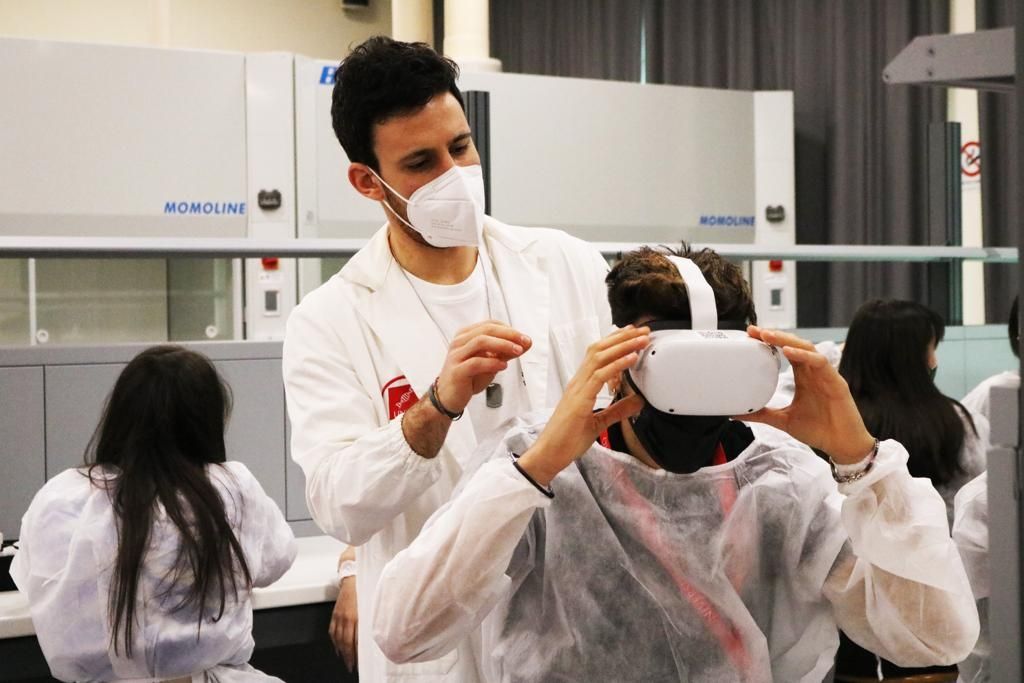
Image Credit: OpenLabVR
When the COVID-19 pandemic forced students around the world into remote learning, Simone Zamparini saw a larger issue unfold: virtual biology labs didn’t really work, which wasn’t just frustrating for students, it was a systemic gap in science education.
In search of a solution, he co-founded OpenLabVR, a startup which uses virtual reality to simulate biology and chemistry laboratories.
Today, he is a senior software engineer at Hologram Labs, an innovative platform which helps AI agents go viral. Hologram’s agents are autonomous digital personas that generate content, respond to users, and build online followings, reshaping how creators and brands engage their audiences.
Here’s a closer look at Zamparini’s journey from developing education technology as a frustrated student to working on cutting-edge AI innovations.

Image Credit: OpenLabVR
A Pandemic Problem that Sparked a VR Education Platform
While studying computational mathematics at UCLA, Zamparini saw first-hand how the pandemic disrupted lab-based learning. Even at a university with world-class facilities, students in biology and chemistry courses suddenly had to learn complex procedures without hands-on experience, relying instead on static videos and limited virtual tools. It was a temporary issue at UCLA, but one that revealed a much deeper, ongoing problem: for many institutions around the world, lack of access to high-quality lab infrastructure isn’t just a pandemic challenge, it is the norm.
“I saw how frustrating it was for students trying to learn biology labs remotely,” he recalls. “That’s when it became clear that immersive technologies like virtual reality could offer a better, more accessible way to teach science.”
That insight helped shape OpenLabVR, a platform that allows high school and college students to interact with lab equipment in a fully digital space. The simulation uses Meta’s camera-based hand-tracking technology to mimic real-world gestures without the need for controllers or gloves, creating a more immersive environment.
Today, nearly 50 educational institutions across the globe use OpenLabVR.
The platform’s success has validated Zamparini’s approach to making online science education better mirror real-life labs, as has external research: according to a study published by Frontiers in Education in 2024, students using OpenLabVR saw improved learning comprehension and engagement while lab safety also improved.
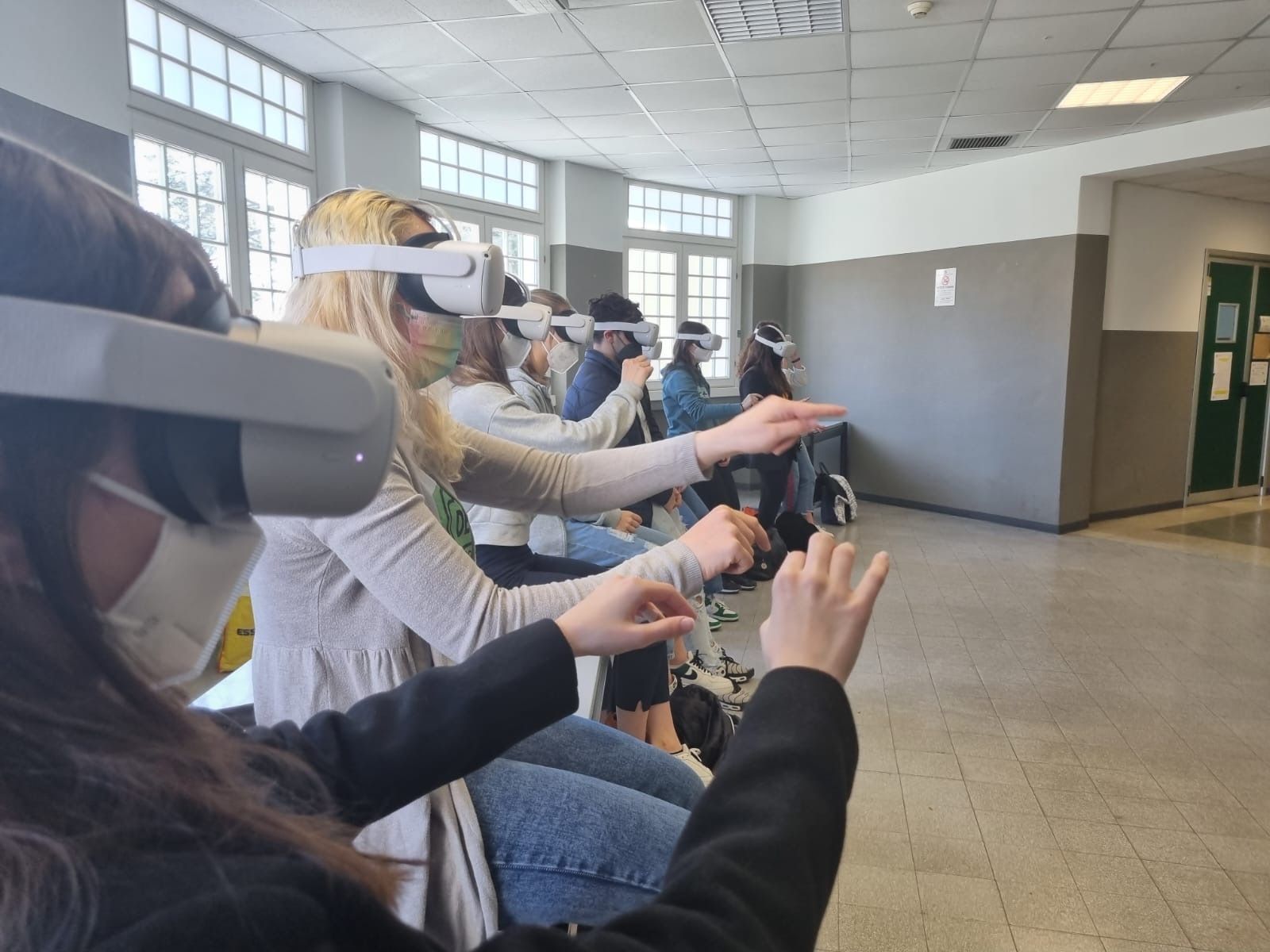
Image Credit: OpenLabVR
Building the AI Infrastructure Behind AVA’s Viral Growth
Zamparini is now a senior software engineer at Hologram Labs, a startup that helps content creators and brands build AI-powered digital personas that autonomously generate content and engage audiences across social media platforms.
He led the development of AVA, Hologram’s flagship AI agent system. Designed for platforms like X and TikTok, AVA enables digital characters to post, reply, and create short-form videos, and the algorithm behind each agent can learn the creator’s voice, interpret questions or comments from followers, and generate content that directly addresses them.
AVA runs on a multimodal framework, so it can create videos and sound as well as writing. Zamparini architected it to combine a ReAct (Reasoning and Acting) agent for planning the content with a ReWoo (Reasoning Without Observation) agent for executing it, and also integrated Live2D animation technology to generate AVA’s fully automated videos.
The system has powered more than 1,000 autonomous X accounts and generated more than 10 million impressions, helping content creators reach more followers without sacrificing their authentic voice. According to Zampairini, that makes it the first AI agent system to be directly responsible for autonomously created content going viral.

Image Credit: OpenLabVR
Rooted in L.A. While Reaching the World
Zamparini remains deeply embedded in the Los Angeles tech and education communities. A graduate of UCLA, he credits the university with shaping his approach to problem-solving and system design.
He actively participates in the UCLA Alumni Mentor Program, helping aspiring engineers navigate the start of their technology careers. He’s also a regular presence at local events like Hack MESA, the official hackathon for the Los Angeles Community College District, where he has served as a judge and led workshops on AI agent development.
While he’s shared his work internationally, including speaking engagements at Italy’s Didacta conference and the University of Teramo, Zamparini’s focus remains on building the L.A. innovation ecosystem.
For him, innovation doesn’t just happen in elite labs; it starts in classrooms, meetups, and community spaces across the city.
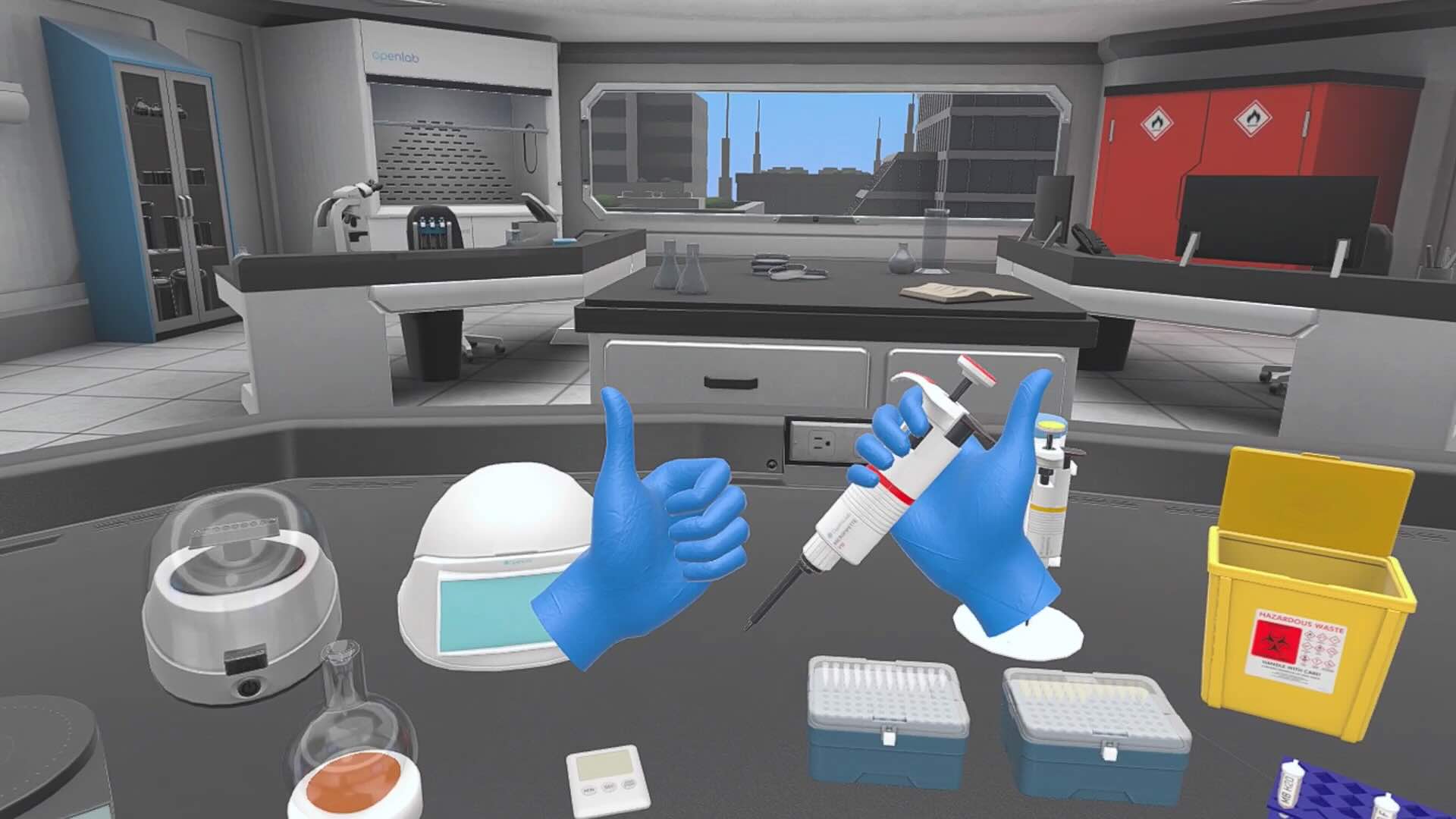
Image Credit: OpenLabVR
Where Immersive Tech Meets Intelligent Systems: Simone Zamparini’s Vision for the Future
Zamparini’s work spans both VR education and AI automation, and he sees them both as equally important parts of building systems that make digital experiences more intuitive and accessible.
His current focus is on developing a fully automated AI agent editor for short-form video platforms like TikTok and YouTube shorts. When complete, the platform will help creators create more video content faster, without losing their authenticity.
Long-term, Zamparini envisions a future where intelligent agents can operate through wearable devices like smart glasses. These agents have the potential to assist with everything from real-time content creation to personalized learning, adapting to every user’s environment.
Imagine a biology student wearing smart glasses during a field study. As they observe a plant, an AI agent can overlay contextual information, suggest relevant research, and even record short-form video content for their class project. It’s a vision rooted in the same mindset that shaped his early work at UCLA: solve a real problem, build something useful, and share the tools widely.
For Simone Zamparini, combining AI and immersive tech is not a distant concept, it’s an imminent possibility.