
 Nia Bowers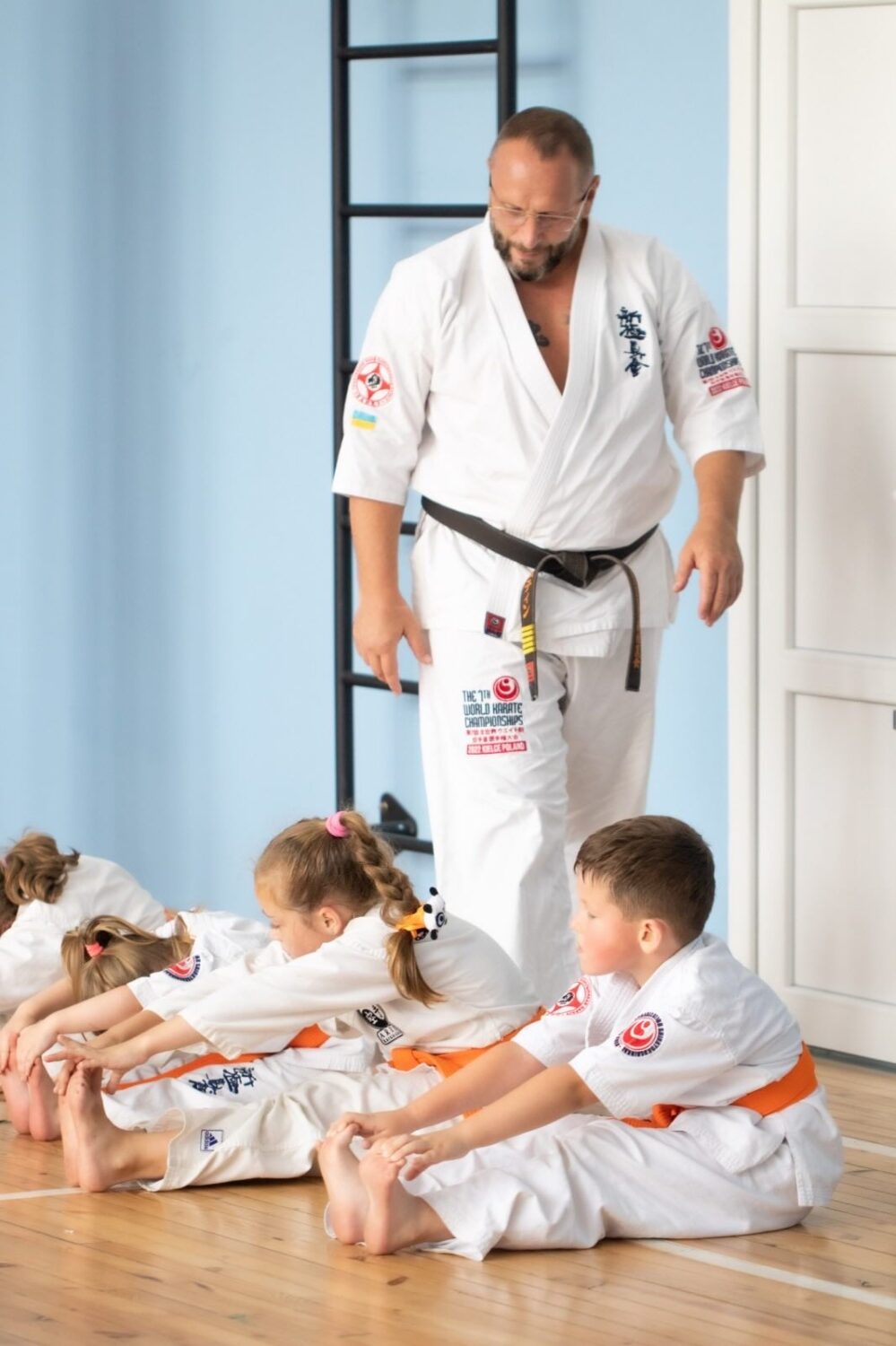
The Shinkyokushinkai coach and sports leader built a large karate network by developing athletes, coaches, referees, and the systems that allowed international standards to reach the local level.
A successful karate coach can be measured by the athletes standing on podiums. Serhiy Mutin’s career also has to be measured by what remained after those athletes left the mat: coaches he trained, referees he developed, and an organization that grew far beyond his own dojo. Over more than 30 years in martial arts, Mutin became a Shihan, 5th Dan, an Honored Coach of Ukraine, a Master of Sport of Ukraine, a Category A international referee, and the longtime Head Coach of the Ukrainian National Team. He also developed a karate organization that eventually connected dozens of clubs and thousands of practitioners across Ukraine.
Mutin’s path into coaching began with his own development as an athlete. He started in a traditional karate style before moving into full-contact karate and eventually reached a level that allowed him to join the national team. Over time, however, he found himself increasingly drawn to the process of helping other athletes improve. In 1994, he began coaching professionally.
“I realized that I was becoming more interested in how another athlete could reach a high level than in proving everything through my own results,” Mutin said. “Coaching gave me a different kind of challenge because I had to understand how to transfer knowledge, not just how to apply it myself.”
The results changed the direction of his career. At 29, Mutin received the title Honored Coach of Ukraine, which he describes as one of the country’s highest professional titles for coaches and one tied to the competitive results achieved by athletes under their guidance. His responsibilities continued to expand through regional and youth national-team structures before he became Head Coach of the Ukrainian National Team, a position he held for 12 years. Athletes trained under him became champions and medalists at European Championships and winners and medalists at World Cups.
His work eventually extended beyond competitive preparation. As a Branch Chief within Shinkyokushinkai, which the organization identifies as the world’s largest full-contact karate organization, Mutin became responsible for strengthening the discipline at the regional level while maintaining alignment with international standards. That meant creating continuity between what the international organization expected and what instructors, referees, and athletes were actually learning and applying inside local clubs.
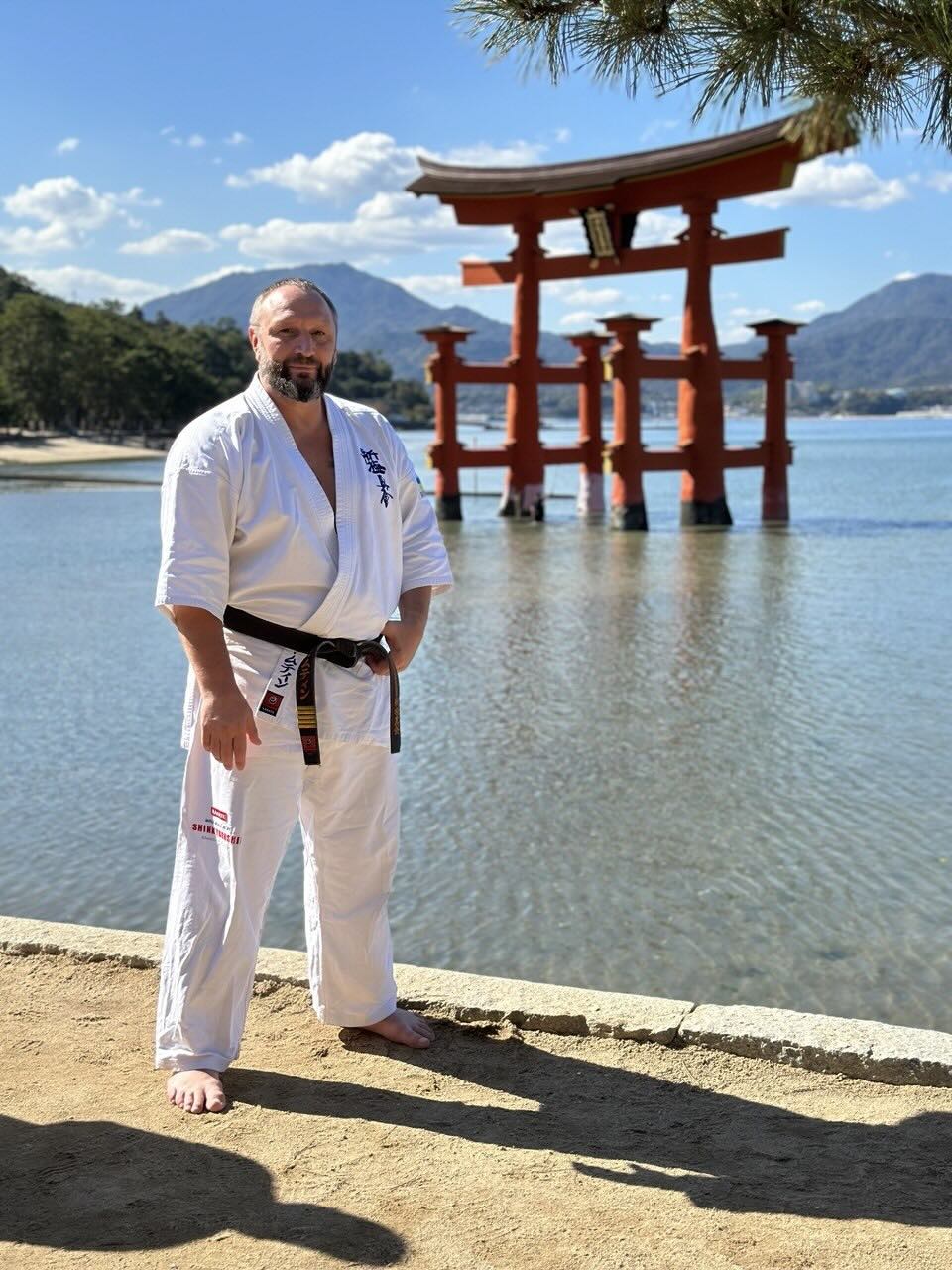
Mutin wanted growth to be measured by more than the number of clubs, athletes, or events. His priority was building a sustainable professional system in which knowledge, methodology, technical standards, coaching, athlete development, and refereeing remained aligned with the international organization. He believed athletes and instructors should have access to the same high-quality technical foundation and clear development criteria regardless of where they trained.
A central part of that work was standardization. Shinkyokushinkai maintains international requirements covering technical preparation, competition rules, grading, coaching, athlete development, and refereeing. Mutin’s role as Branch Chief required those standards to be transferred into a regional system that instructors and athletes could apply consistently rather than allowing each club to develop its own disconnected interpretation.
Mutin developed a comprehensive grading and certification system that was implemented throughout Ukraine and became the foundation for the grading process used by many karate clubs. The system established consistent technical requirements, a structured progression through training levels, and objective criteria for evaluating an athlete’s development.
Mutin also developed methodological and instructional materials covering Shinkyokushinkai technique, training, and grading standards. The materials have been used by athletes and instructors as practical reference resources for applying those standards consistently. Their purpose was larger than preparing athletes to pass an examination. Mutin wanted each stage of development to connect to the next so practitioners could understand how technical preparation, competition, coaching, and eventual leadership fit within the same system.
That philosophy also shaped his work with coaches and referees. Mutin organized training camps and examinations while developing professionals who could carry the standards into their own regions. His Category A international referee qualification and years as a Branch Chief required him to work across competition rules, referee education, technical preparation, and organizational development rather than approaching karate only from the perspective of an individual coach.
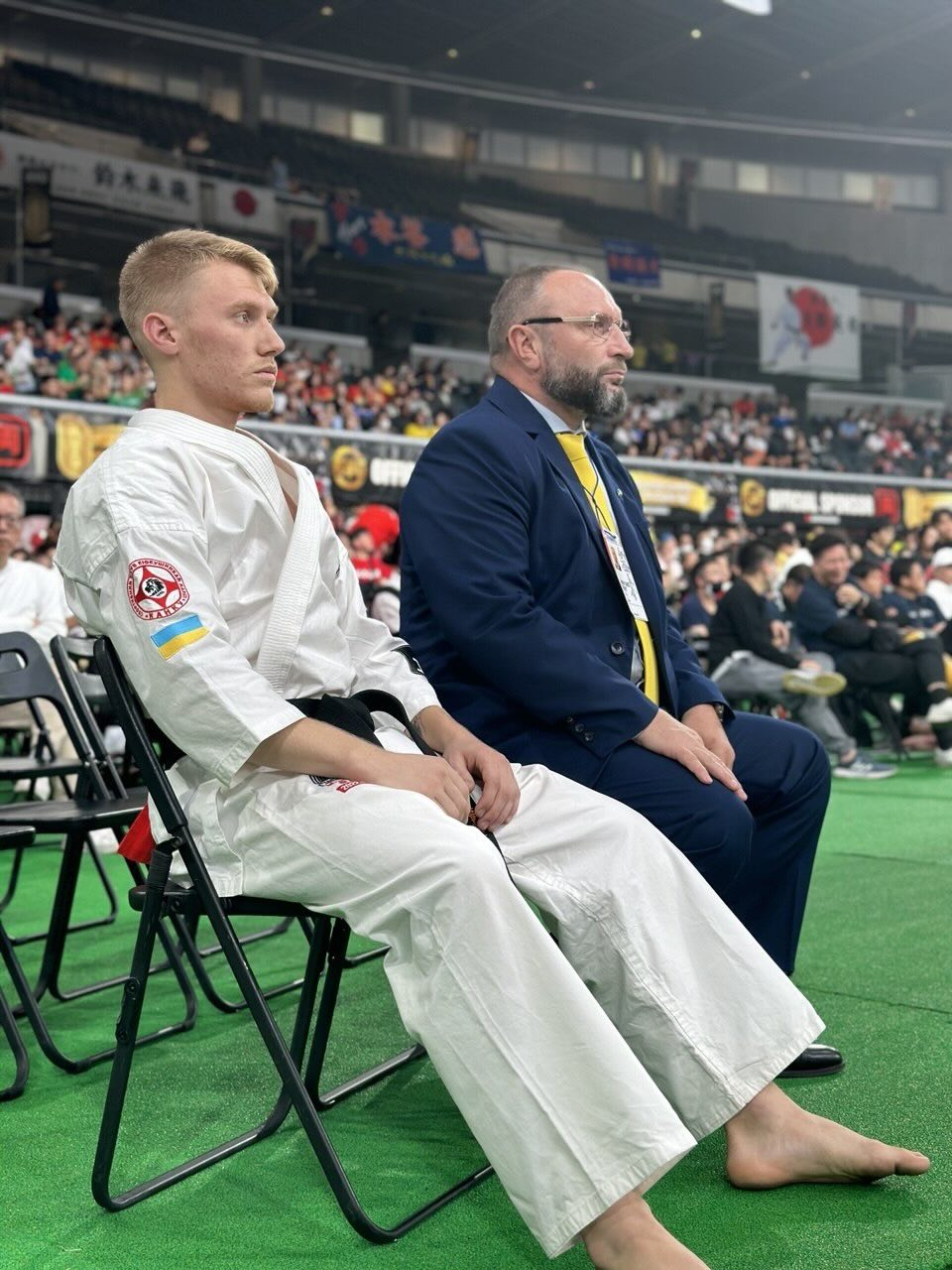
The result was a system designed to multiply expertise. Coaches could develop athletes without depending on Mutin’s constant presence. Referees could apply common competition standards. Athletes could move through defined stages of training toward higher technical and competitive levels. Instructors who developed within the system could eventually become responsible for strengthening Shinkyokushinkai in their own regions.
“The most meaningful result is when the students of your students reach a high level,” Mutin said. “That tells you the knowledge has not stopped with one generation. It means the structure is still working.”
His career is now continuing in the United States. Mutin conducts karate and refereeing seminars, works at competitions, trains athletes, and participates in sports-development projects. He has repeatedly conducted national-level referee examinations and certification programs, while his training camps have brought together athletes, instructors, and specialists from different countries. Referees who participated in those programs have gone on to work at regional and national tournaments.
The geography has changed, but the organizational principle has not. Mutin’s approach remains centered on creating a professional structure in which technical knowledge, grading, coaching, refereeing, and athlete development reinforce one another. He does not view a strong branch as a collection of clubs connected primarily by a name. The goal is a unified professional system in which local practitioners have access to standards and knowledge that connect them directly to the expectations of the international organization.
Mutin spent decades putting that idea into practice in Ukraine, and the organization continued operating after he left the country. The coaches and specialists he trained remained in place, while the structure continued producing athletes and maintaining professional standards.
For Mutin, that continuity is the point. A medal records one athlete’s result at one moment. A grading system, trained referees, instructors who can develop the next generation, and a shared body of technical knowledge allow international standards to continue shaping the organization long after any individual competition has ended.