
 Will Jones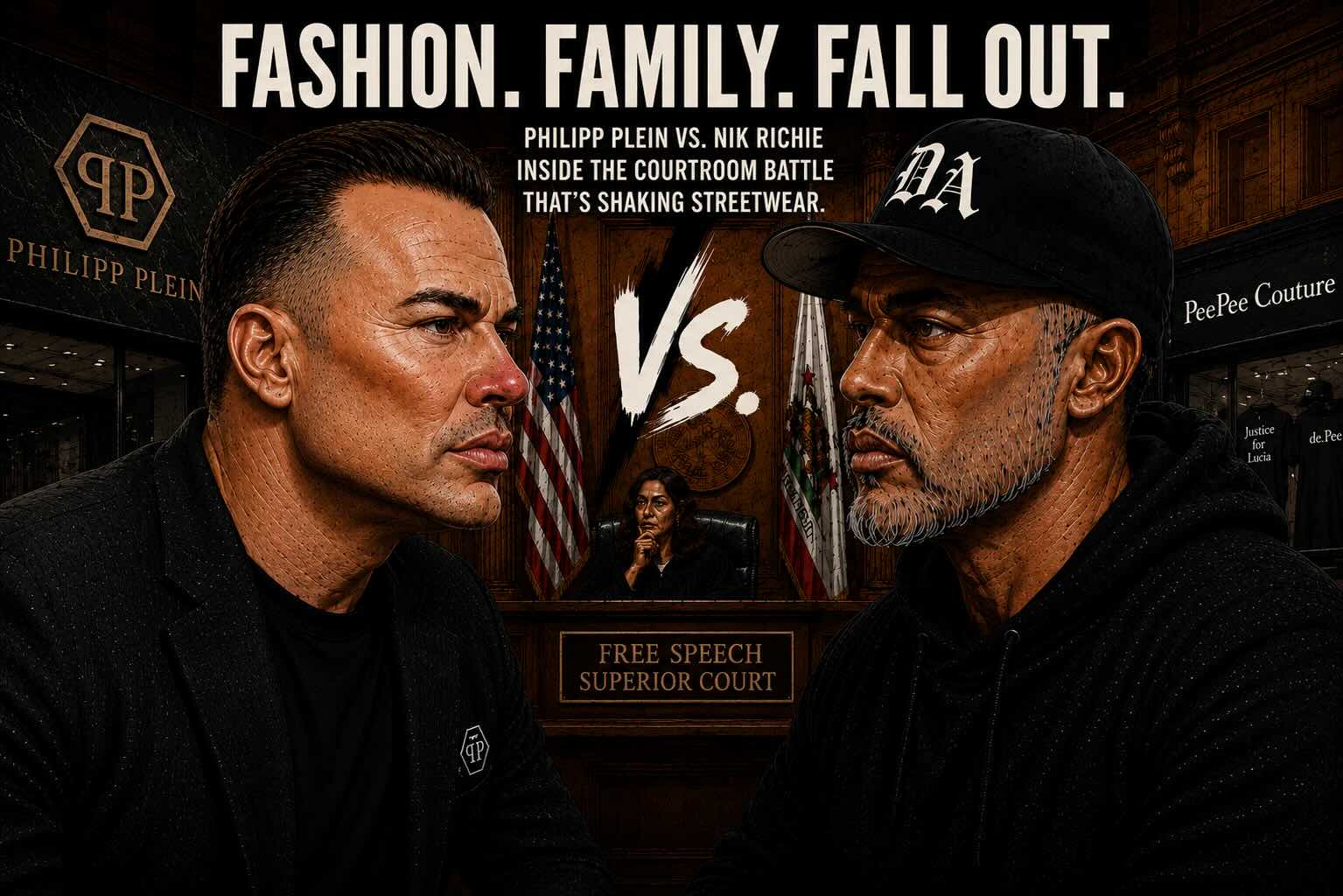
Image Credit: AI Composite
Fashion designer Philipp Plein may have launched a legal offensive in Switzerland, but legal observers say any attempt to silence American media personality and entrepreneur Nik Richie on United States soil could face a major constitutional obstacle: the First Amendment.
According to legal documents reviewed from a filing in Lugano, Switzerland, Plein sought emergency court intervention related to online content, social media activity, and digital commentary tied to Nik Richie, Lucia Bartoli, and the increasingly viral “Justice for Lucia” movement. The filing appears to reference Instagram content, publications, merchandise, and alleged reputational harm while requesting urgent provisional measures involving multiple parties, including META.
But while Switzerland and Europe often provide stronger legal protections around reputation and personality rights, the legal landscape changes dramatically when speech originates in the United States.
Nik Richie, an American media figure known for building online communities and engaging in commentary around celebrity culture, social issues, and public controversy, operates under protections afforded by the United States Constitution. Under longstanding American free speech precedent, courts generally protect opinion, commentary, criticism, satire, and public discourse, particularly when the subject is a public figure or matter of public concern.

Image Credit: AI Composite
Legal experts frequently point to the broad protections established through the First Amendment, especially when speech concerns public personalities, controversies, or ongoing social conversations. In the United States, prior restraint, meaning attempts to stop speech before publication, faces an extraordinarily high legal threshold.
Critics of Plein’s filing argue the legal effort risks appearing less about protecting reputation and more about suppressing criticism surrounding the growing public support for Lucia Bartoli, whose custody battle has become an international topic of online debate. The “Justice for Lucia” movement has increasingly gained traction through social media, creator content, independent commentary, and merchandise campaigns that supporters describe as advocacy rather than harassment.
The filing itself reportedly references social media posts, apparel, online videos, and commentary connected to Nik Richie and affiliated entities. Yet supporters of Richie argue that activism, opinion based commentary, and criticism of powerful public figures fall squarely within the realm of constitutionally protected speech in America, especially when no final judicial findings exist surrounding the broader public allegations being debated online.
“America does not generally allow wealthy or powerful individuals to silence criticism simply because it is uncomfortable or damaging to reputation,” said Richie’s lawyer, Marc Randazza. Common legal interpretation often raised in free speech debates involving celebrities and media personalities. While defamatory false statements are not protected, opinions, commentary, parody, and advocacy are typically afforded wide latitude under U.S. law.
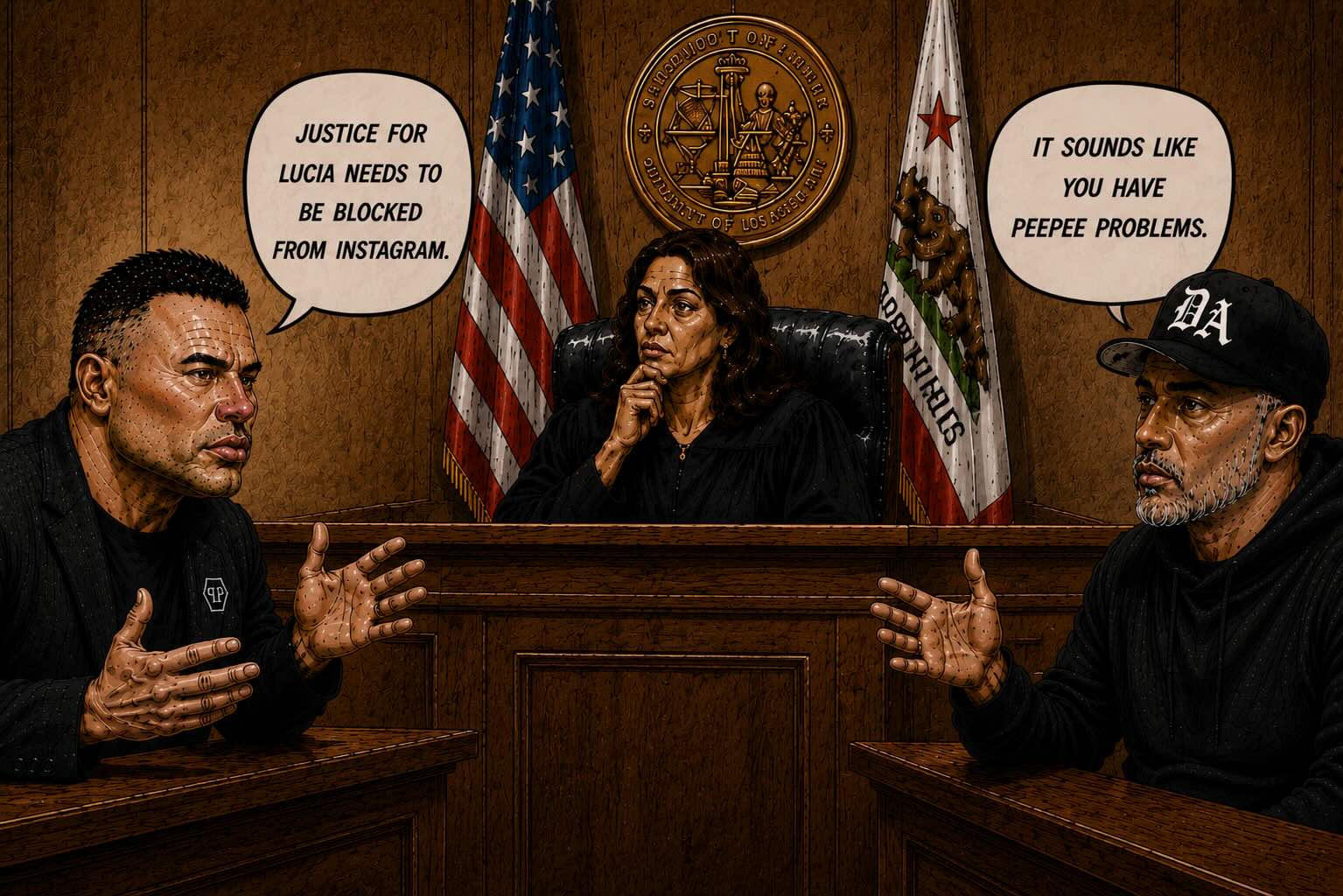
Image Credit: AI Composite
The dispute also raises a broader question increasingly facing global celebrities: can European court systems meaningfully restrict speech generated by Americans on American platforms?
That answer is far from clear.
In many cases, U.S. courts have resisted enforcing foreign judgments that conflict with American free speech protections. The federal SPEECH Act, signed into law in 2010, specifically limits the enforcement of certain foreign defamation rulings inside the United States if they conflict with First Amendment standards.
For supporters of Nik Richie, the issue is bigger than one celebrity dispute. They argue this is about whether outspoken Americans can criticize public figures, advocate for causes, and participate in online movements without fear of international legal pressure aimed at chilling speech.
For now, the Swiss filing represents allegations and legal requests, not final rulings. But one thing appears certain: any battle touching American speech rights could quickly become as much about the First Amendment as it is about Philipp Plein.