
 Nia Bowers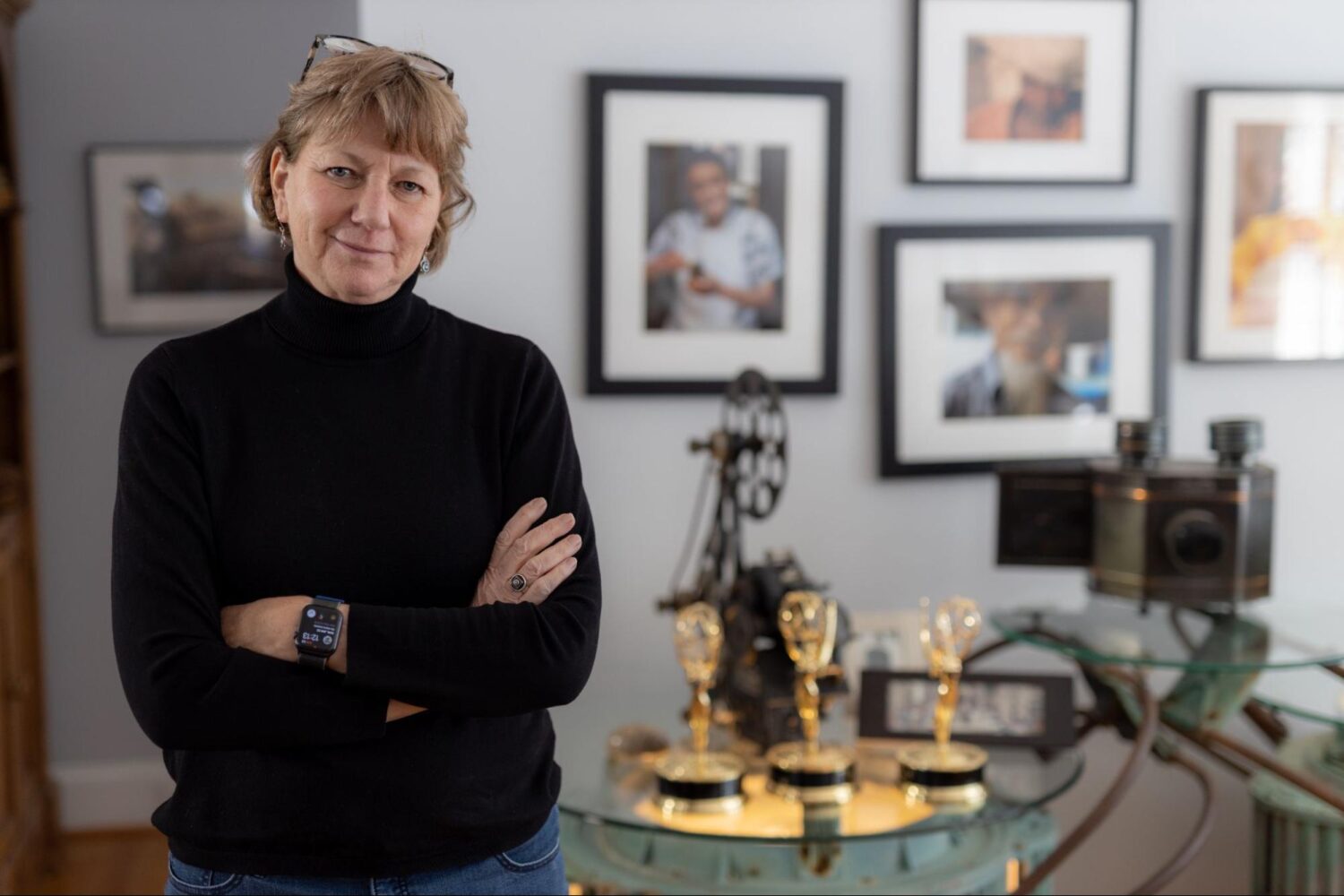
Joanne Hock (Source: Joanne Hock)
Hollywood’s studio model often brings together large budgets, extensive executive oversight, and carefully coordinated decision-making. Independent filmmaking offers a different creative environment, giving directors greater flexibility to develop stories with a distinct perspective. After building a career that began in the early 1980s as a writer and producer and later expanded into directing, Joanne Hockhas embraced that independence with renewed purpose.
At this stage of her career, she has narrowed her focus to stories that encourage thoughtful public conversation while remaining accessible to broad audiences. “A film can open a conversation that continues long after the credits roll. If people leave the theater wanting to talk with one another, then the story has already begun doing its work,” Hock says.
That philosophy reflects a journey spanning more than four decades across nearly every corner of visual storytelling. Hock’s career began in television and advertising, where she developed a strong foundation in writing, creative development, and production.
As her interest in filmmaking deepened, she transitioned behind the camera and became recognized for her cinematography. Her expertise grew to the point that Kodak selected her to provide insights on film stocks and various products, even featuring her in their marketing materials and behind‑the‑scenes productions. This relationship not only highlighted her position as a leading female cinematographer breaking through the glass ceiling but also demonstrated to other women the possibilities available within the film industry.
Years spent working on commercials, television productions, documentaries, and feature films provided insight into both the creative and technical dimensions of filmmaking, allowing each experience to inform the next.
An important turning point arrived during the mid-1990s when Hock produced a documentary short surrounding a theatrical production that had sparked widespread public debate. Witnessing artists present a carefully considered point of view and watching audiences respond with genuine discussion revealed how storytelling could contribute to conversations extending well beyond the screen. The experience inspired her to pursue projects with lasting social relevance.
That direction soon led Hock into long-form documentaries exploring humanitarian subjects, including foster care, homelessness, arts education, and the Holocaust, and opportunities for people with disabilities and for young people facing difficult circumstances. Spending time with individuals whose experiences often remained unseen transformed the purpose behind her work. Hock says, “Every person has a story worthy of being heard, and if we truly listen, we can discover pieces of ourselves in someone else’s journey.”
As those documentary projects accumulated, Hock recognized another creative possibility. Narrative features offered the opportunity to weave research, lived experience, and emotional storytelling into characters audiences could connect with naturally. “Fiction provided room to explore timely issues while inviting viewers to engage with ideas through empathy instead of instruction,” she shares. That realization expanded the scope of the stories she wanted to tell, allowing meaningful themes to unfold within compelling cinematic narratives that invite reflection long after the final scene.
Documentary filmmaking also strengthened Hock’s confidence in the value of creative independence. While large studio productions often involve extensive layers of development and feedback, her work typically grows through collaboration with a small creative team, a producer, or a single financing partner. That process gives her greater freedom to preserve the emotional direction of a story from its earliest draft through the final edit.
“For me, commercial success begins with a genuine human connection,” Hock states. That philosophy encourages her to explore challenging subjects with care and balance. Her films invite audiences into conversations without prescribing conclusions, drawing upon thorough research and recognizable human experiences. Hock aims to leave viewers reflecting on questions that naturally continue over dinner, during a drive home, or across a table with family and friends. “I never want to hand people all the answers,” she says. “I want to offer them something meaningful enough that they continue asking questions together.”
Several projects illustrate that commitment. Her award-winning documentary Purple Dreams follows students from underserved communities whose lives are enriched through arts education, highlighting determination, creativity, and the opportunities that emerge when young people receive not only educational opportunities but meaningful encouragement. Her most recent feature film, Disconnected,explores contemporary issues affecting students and families, including screen dependency, artificial intelligence, deepfakes, and cyberbullying, examining how rapidly evolving technology influences education and everyday relationships.
Her upcoming slate continues that thoughtful direction while spanning a variety of genres. Child of the Forest tells the true story of a young Jewish girl who survived alone in the forests of Eastern Europe during the Second World War, celebrating extraordinary resilience and the enduring strength of hope amid unimaginable hardship. Wednesdays at the Gem, a historical drama inspired by America’s dark and segregated past, follows an unlikely friendship that reveals how cinema can foster understanding across social divides.
Meanwhile, Straight and Narrow Minded uses comedy to examine the complex intersections of faith, politics, gender identity, and personal transformation through the story of a television producer whose unexpected journey challenges his assumptions about life and belief. For Hock, every production represents something deeply personal.
“My films are the legacy I hope to leave behind,” Hock emphasizes. Each project reflects years of research, collaboration, and creative commitment before finding its own place in the world. Through that lifelong dedication to storytelling, Joanne Hock continues to create films designed to encourage compassion, inspire meaningful conversations, and remind audiences that shared stories remain one of the most enduring ways people connect with one another.