
 Will Jones
A chess master turns his life experience into a mission of empowerment for others
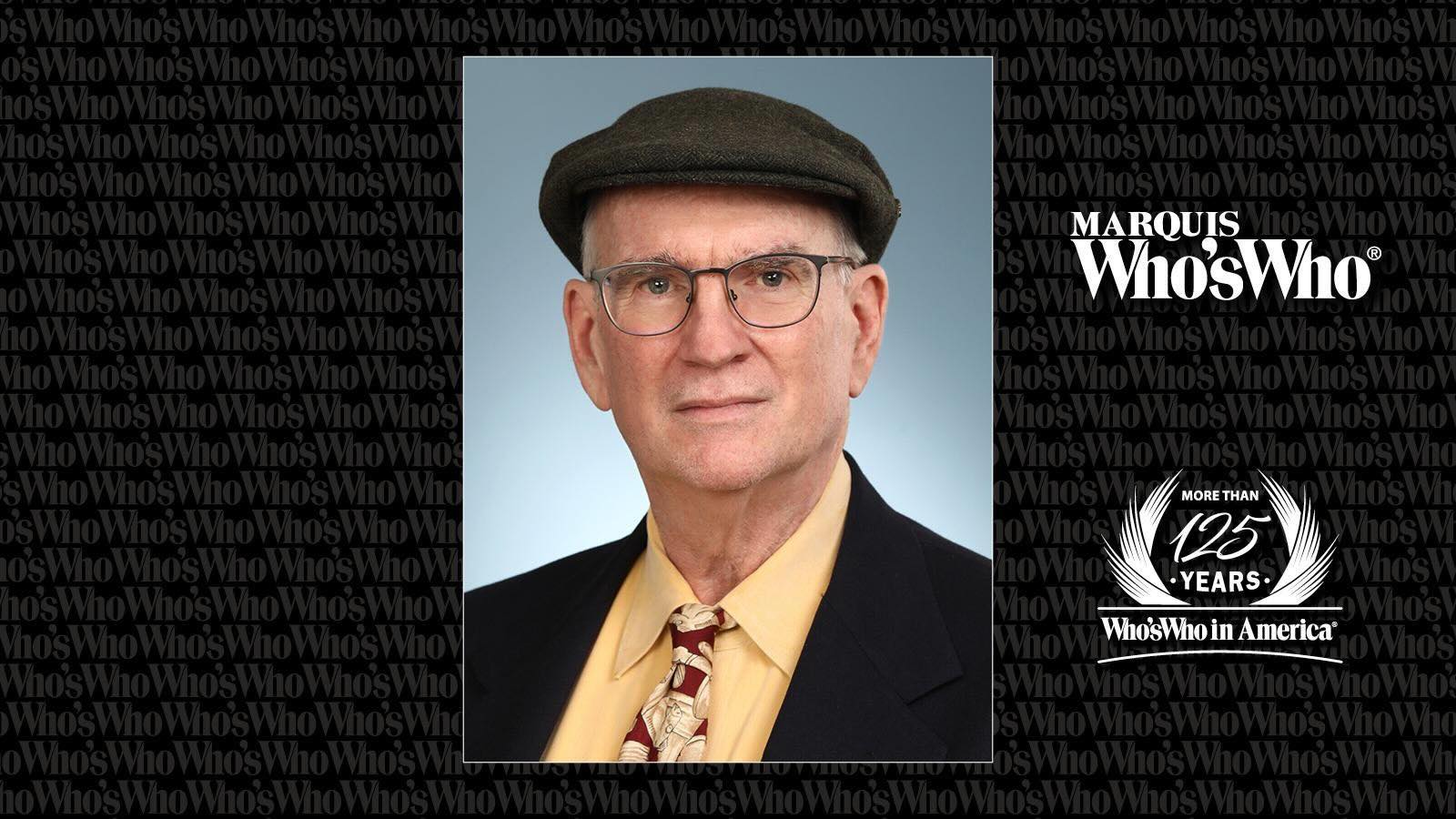
James Vincent Eade has never limited himself to a single passion. Chess mastery, nonprofit leadership and recovery advocacy all thread through his life, and together they’ve shaped someone who refuses to be slowed down. When people ask how he’s doing, he has a ready answer. “Defying gravity,” he says. “Nothing can bring me down.”
A Lifelong Connection to Chess
At 15, Mr. Eade picked up chess after watching Bobby Fischer win the world championship in 1972. What he found in the game surprised him: a way to connect with adults who treated him as an equal during a rough patch in his teenage years. That early bond stuck with him and eventually grew into a lifelong devotion to the game and the people who play it.
Decades of work followed. Mr. Eade organized the 1995 Pan Pacific International Chess Tournament, still remembered as one of San Francisco’s most prestigious chess events, and he launched Hypermodern Press, a publisher of chess books. He later found it more profitable to write about chess instead, including the bestselling title, “Chess for Dummies.”
In 2019, Mr. Eade took his commitment further by founding The Eade Foundation, a nonprofit that sent chess sets and resources to underserved communities worldwide, from Uganda and Zambia to Colombia and Nicaragua. To him, the board itself erases the usual barriers between people. “We are all one family,” he says. “It doesn’t matter where you came from. It doesn’t matter what language you speak. If you play chess, you’re part of our community.”
Speaking Openly About Recovery
Chess isn’t the only place where Mr. Eade has chosen to speak up. He has also become an outspoken advocate for addiction recovery, drawing directly from his own life to guide others through theirs. In 2023, he published “Freedom: Your Path to Recovery,” a book aimed at people working toward sobriety, and he later added a second title, “No Blame, No Shame.”
That advocacy has since moved from the page to the airwaves. Mr. Eade now hosts “Freedom,” a program on AIRU.TV built around addiction, recovery and the stigma that still surrounds both. He sums up the show’s purpose in a single line. “My theme is to give hope to the hopeless and empower the powerless,” he explains.
Mr. Eade also lends his voice to the “ROAR” podcast, where the conversation shifts toward civic life. “We talk about preserving our democracy and our responsibilities as citizens to speak up and speak out,” he adds, pointing out how naturally the two ideas feed into one another.
A Philosophy Built on Empowerment
As a leader, Mr. Eade favors guidance over control, a lesson that traces back to a mentor at Charles Schwab who once urged him to loosen his grip on rigid outcomes. That single piece of advice reshaped his management style and later carried into his work with chess students worldwide, where he pushes players to enjoy the game instead of chasing an impossible version of perfection.
That same philosophy also shapes Mr. Eade’s personal routine. Each morning starts with a fresh affirmation meant to set a hopeful tone for the day ahead. Whether he’s at the chessboard, behind a microphone or working through his own recovery story, Mr. Eade keeps steering his energy toward helping others discover their own strength.
About Marquis Who’s Who®:
Since 1899, when A. N. Marquis printed the First Edition of Who’s Who in America®, Marquis Who’s Who® has chronicled the lives of the most accomplished individuals and innovators from every significant field of endeavor, including politics, business, medicine, law, education, art, religion and entertainment. Who’s Who in America® remains an essential biographical source for thousands of researchers, journalists, librarians and executive search firms around the world. The suite of Marquis® publications can be viewed at the official Marquis Who’s Who® website, www.marquiswhoswho.com.