
 Brianna Kamienski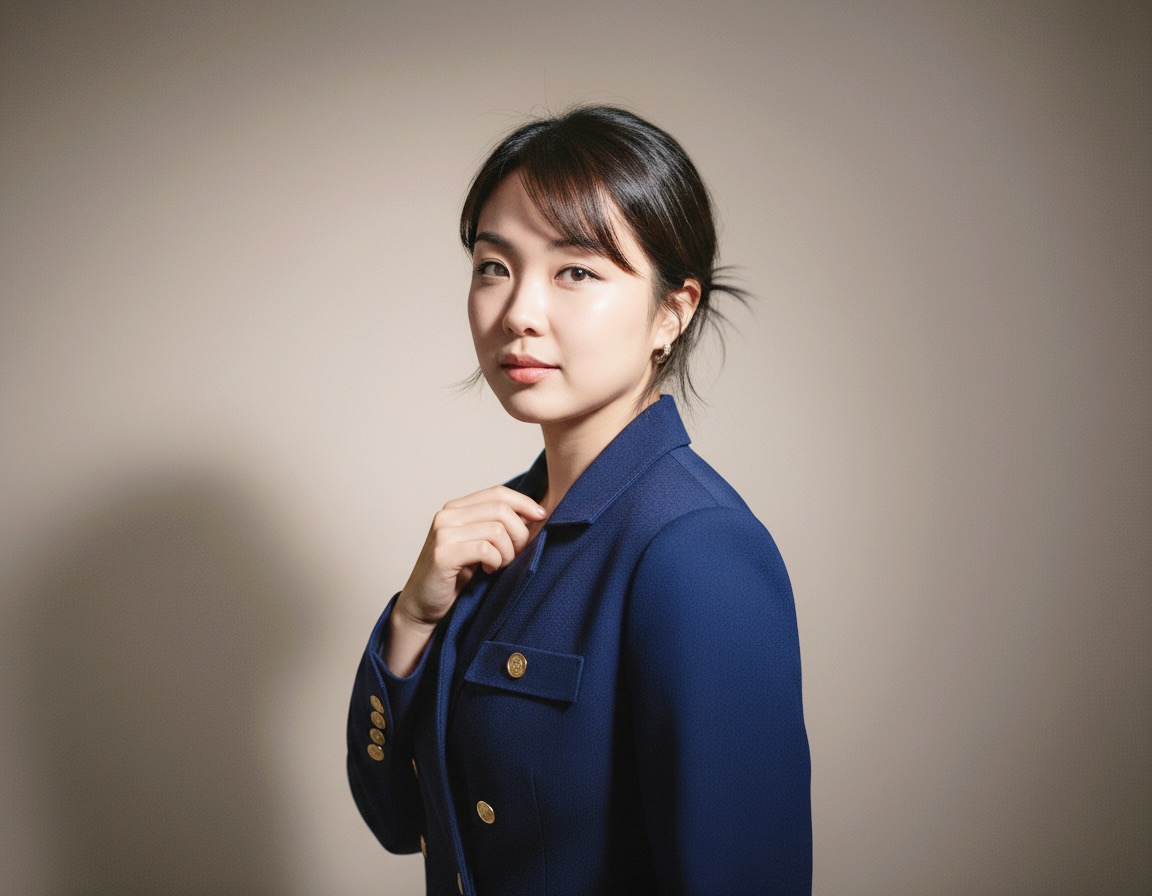
As a teenager fresh from China, Zitong Jia never intended to become a social media phenomenon. She arrived in the United States at fifteen to attend high school, armed with curiosity and the everyday habits of her home culture. A simple gesture during her first week—holding a female friend’s hand on the way to the restroom, which is common among close friends in China—elicited surprise from her American classmate. That awkward moment, which could have ended there, sparked an idea.
Zitong turned it into a short video explaining the cultural context behind the gesture. The clip resonated far beyond her circle; it amassed more than ten million views and tens of thousands of comments. What began as a personal anecdote grew into a series exploring “Things Chinese people find normal that Americans consider impolite,” which ultimately went viral, drawing millions of viewers and sparking conversations across cultures.
Today, Zitong is a social media creative director and the founder of an influencer incubation company. She has an engaged audience of more than 150,000 followers on TikTok and has collaborated with global brands such as Nestlé and Juliette Has A Gun. Media coverage has noted that these collaborations reflect how companies increasingly recognize the role of cultural storytelling in connecting with young audiences. Her work was also recognized with the Hunan TV New Media Innovation Award, underscoring her contributions to creative digital storytelling. In this interview, Zitong reflects on her journey, the power of storytelling to bridge cultures, and the lessons she’s learned along the way.
Q: That first hand-holding misunderstanding has become a defining anecdote of your story. What did it feel like to turn such a small cultural difference into something millions of people connected with?
Zitong Jia: It surprised me. At the time, it was just a funny story among friends. In China, holding hands with a close female friend when going to the restroom is a gesture of sisterhood. My American friend was shocked; she explained that in the United States hand-holding is seen as romantic. When I decided to share the story online, I thought a few people might relate. Instead, millions watched. The video sparked around 700k likes and 50k discussions, and it opened a door to deeper conversations about everyday habits.
That moment was not only about a cultural misunderstanding but also about friendship. I was the first person she had met who grew up in China, and she was the first African American friend I had who was raised in the United States. Before meeting her, most of what I knew about American culture—and African American life—came from television, and it was the same for her about China. Despite our differences, her family treated me as one of their own.
She even invited me to her home for Thanksgiving—it was my first experience of an American holiday. She also introduced me to school traditions I had never encountered, like what a pep rally was and why our team members participated. Her mother would drive an extra twenty minutes every day just to take me home, treating me like family. Despite all our differences, we built a bond of love and care that continues to shape the way I approach storytelling today.
Q: Your platform has grown far beyond those early videos. With more than 150k followers, brand collaborations, and awards, how have you balanced authenticity with professional opportunities?
Zitong Jia: For me, the key is to respect my audience—not to treat them as numbers, but as real people with interests and needs. People ultimately want authentic stories, and if I were to promote a brand that didn’t align with them, I would lose their trust. That’s why, when I worked with Nestlé, I first asked myself: do my followers actually need this product? How could it fit into their daily lives? I did market research, paid attention to what students cared about, and shaped the campaign around their needs. Whenever I consider a collaboration, I focus on how the brand can genuinely serve my community, rather than just being another promotion.
Q: Many viewers comment that your videos feel like conversations with a friend. How do you cultivate that warm tone?
Zitong Jia: I think it comes from being vulnerable. I don’t pretend to be an expert on all cultures; I share what I know and ask questions. If I don’t know something, I simply say I don’t know—but I’m always willing to learn. That honesty often opens the door to meaningful conversations. I film in places that matter to me—my home, my aunt’s shop, my college campus—and I talk to the camera as if I’m chatting with someone I care about. I also use humor. If something surprises me, I laugh about it. People can feel when you’re being yourself. That authenticity builds trust, which is essential when discussing culture. I also read and respond to comments, which turns the content into a dialogue.
Q: Moving to the United States at 15 is a big transition. How did that experience shape your view on cultural storytelling?
Zitong Jia: Moving at 15 taught me empathy, but also gave me a framework for cultural storytelling. When you’re immersed in a new environment, you quickly realize how many unwritten rules shape daily life. I made mistakes—being too direct in class discussions or misreading social cues—and each mistake became a lesson in observation and adaptation.
Often I didn’t understand slang, so I would ask my American friends. They answered patiently, and the conversations would naturally expand: “Oh, in the U.S. people say it this way, but in China it’s like that.” Those exchanges often turned into videos. I also remember being shocked when I first saw American high school students wearing makeup to class. Instead of judging, I asked my friend why. She explained it was normal, while I shared that in China makeup was not allowed at school. We both came to see that neither practice was “right” or “wrong,” just rooted in different contexts. In those moments, my world opened up. That openness and curiosity became the seed for my “U.S. vs. China high school” video series.
Those experiences showed me that most misunderstandings come from unfamiliarity, not hostility. That insight became the foundation of my creative approach: instead of shaming people for what they don’t know, I frame cultural differences as opportunities for dialogue. To me, “being different” isn’t a barrier—it’s the starting point for stories that connect people across backgrounds.
Q: In addition to your cultural series, you’ve developed AI and social media tools to help small businesses communicate across languages. Does this mission connect to your cross-cultural work?
Zitong Jia: Absolutely. Watching my aunt struggle to run her small sea cucumber shop, she sat for hours with only a handful of people walking through the door, inspired me to think about how technology could help. She had excellent products but no online presence and little understanding of social media or marketing. I realized that the same empathy and storytelling that bridge cultural gaps could also bridge economic gaps. By combining AI, marketing and social media, I now help local businesses create multilingual content. For example, I developed a system that clones a restaurant owner’s appearance and voice so they can speak to customers in multiple languages. It’s about giving people tools to be seen and heard, no matter their background. That mission grew from the same desire to build understanding.
Q: What challenges have you faced in your journey, and how have they influenced your work?
Zitong Jia: One of the biggest challenges has been navigating cultural stereotypes. When some viewers assumed I was speaking for all Chinese people, I realized how easily nuance can be lost in cross-cultural conversations. That pushed me to clarify that my perspective is personal, and it motivated me to create formats that invite dialogue rather than present absolute statements. Another challenge has been balancing authenticity with brand collaborations. It can be tempting to accept every opportunity, but I’ve learned that rejecting partnerships that don’t serve my audience actually builds stronger trust. Finally, experimenting with new tools like AI was also a challenge—some people doubted its role in storytelling—but I saw it as a way to amplify voices that are often overlooked. Each challenge has shaped my work by reminding me that creative leadership means not only producing content but also setting standards for empathy, trust, and innovation.
Q: For readers who may be encountering your work for the first time, what do you hope they take away from your story?
Zitong Jia: I hope they see that curiosity and kindness can turn awkward moments into bridges. A simple hand-holding incident could have been embarrassing, but by sharing it I discovered a way to connect people. Whether you’re moving abroad, visiting another country, or interacting with someone from a different background, approach differences with an open heart. You might learn something new and even inspire others. And for anyone who wants to share their own stories, remember that your voice matters. You never know whose perspective you might expand.
Zitong Jia’s journey from a high school student navigating cultural misunderstandings to a social media creative director illustrates the power of storytelling. Her trajectory shows how a single, ordinary moment can ripple outward, sparking dialogue across cultures. By transforming personal experiences into viral videos, and later into brand campaigns and AI-driven tools for small businesses, she has built a platform that fosters empathy and cross-cultural understanding. As she continues to merge technology with humanity, Jia reminds us that every small story has the potential to bridge worlds.