
 Will Jones
What does it mean to build a sustainable career in music at a time when musicians are increasingly moving across cultures, disciplines and professional roles?
That question shaped Beyond Borders: Building Global Impact and Sustainable Careers for Musicians, an international panel forum held July 3 as part of Sound × Image × Dialogue – Immersed Gallery in San Marino, California at July 3-5.
Presented by AwakenDo Foundation, the interdisciplinary arts program brought together musicians, educators and music-industry professionals for an afternoon discussion followed by an evening concert. Rather than treating performance, education and cultural exchange as separate areas, the program explored how they increasingly intersect in the careers of contemporary musicians.
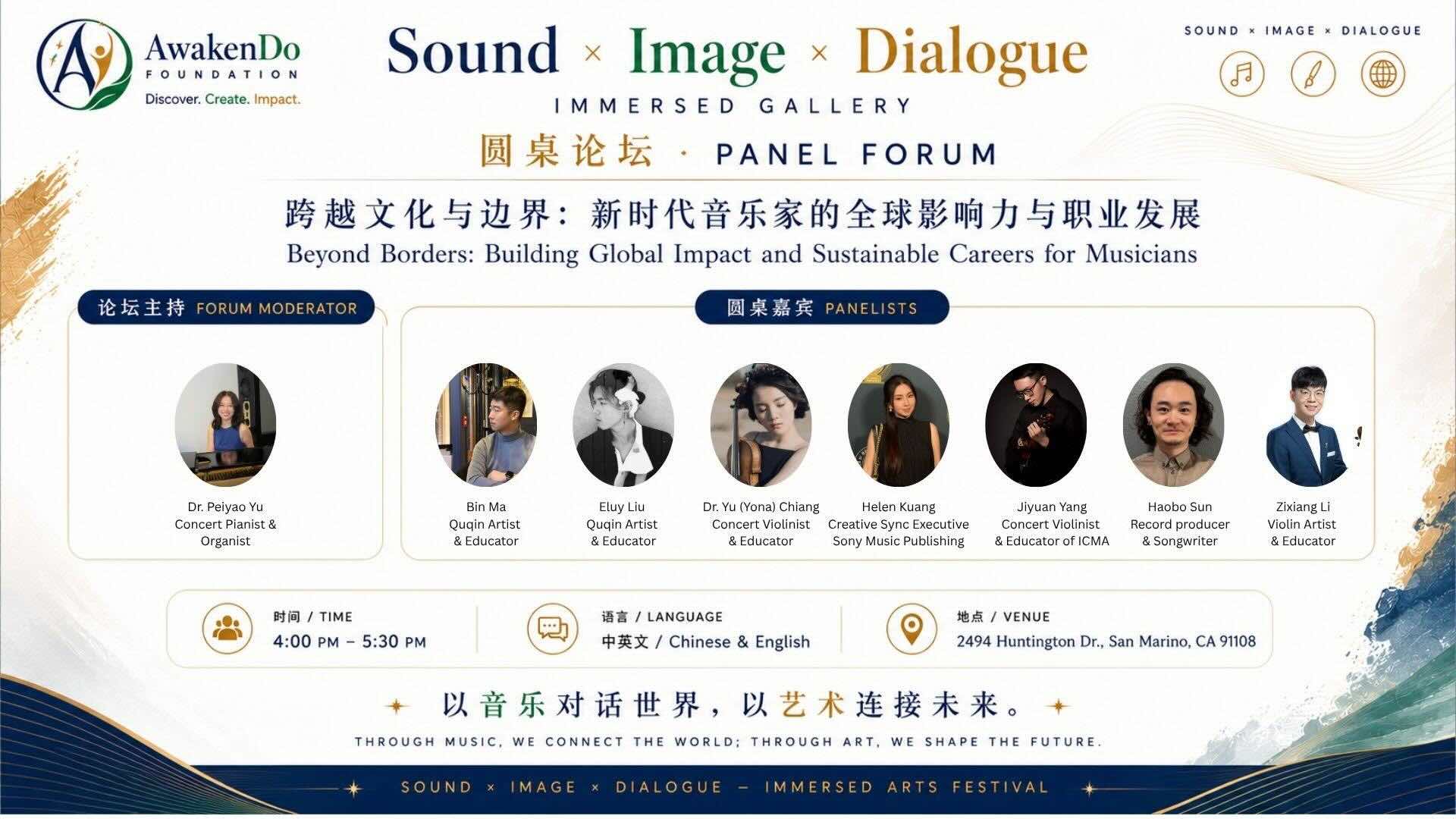
Beyond Borders: Building Global Impact and Sustainable Careers for Musicians
Moderated by concert pianist and organist Dr. Peiyao Yu, the forum brought together artists and professionals representing classical music, traditional Chinese music, music education and the contemporary recording industry.
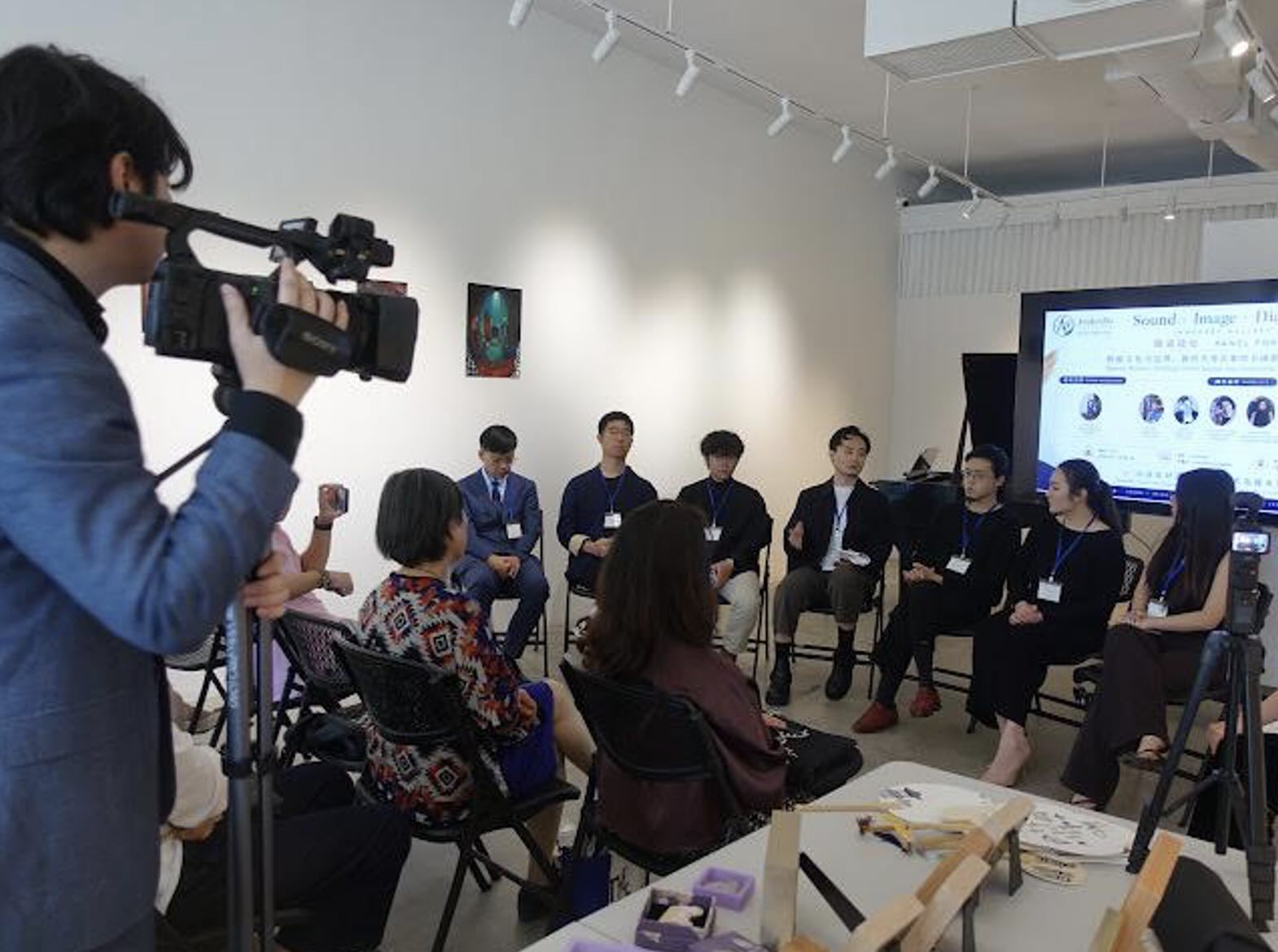
Panelists included concert violinists and educators Jiyuan Yang and Dr. Yu (Yona) Chiang; Helen Kuang, Creative Sync Executive at Sony Music Publishing; record producer and songwriter Haobo Sun; guqin artists and educators Bin Ma and Eluy Liu; and violinist and educator Zixiang Li.
Throughout the discussion, panelists considered how musicians can develop sustainable careers while navigating a profession that increasingly extends beyond the traditional concert stage. Topics ranged from international collaboration and music education to cultural identity, technological change and the influence of artificial intelligence on the arts.
The conversation also addressed how musicians can remain grounded in established artistic traditions while responding creatively to a rapidly changing cultural environment.
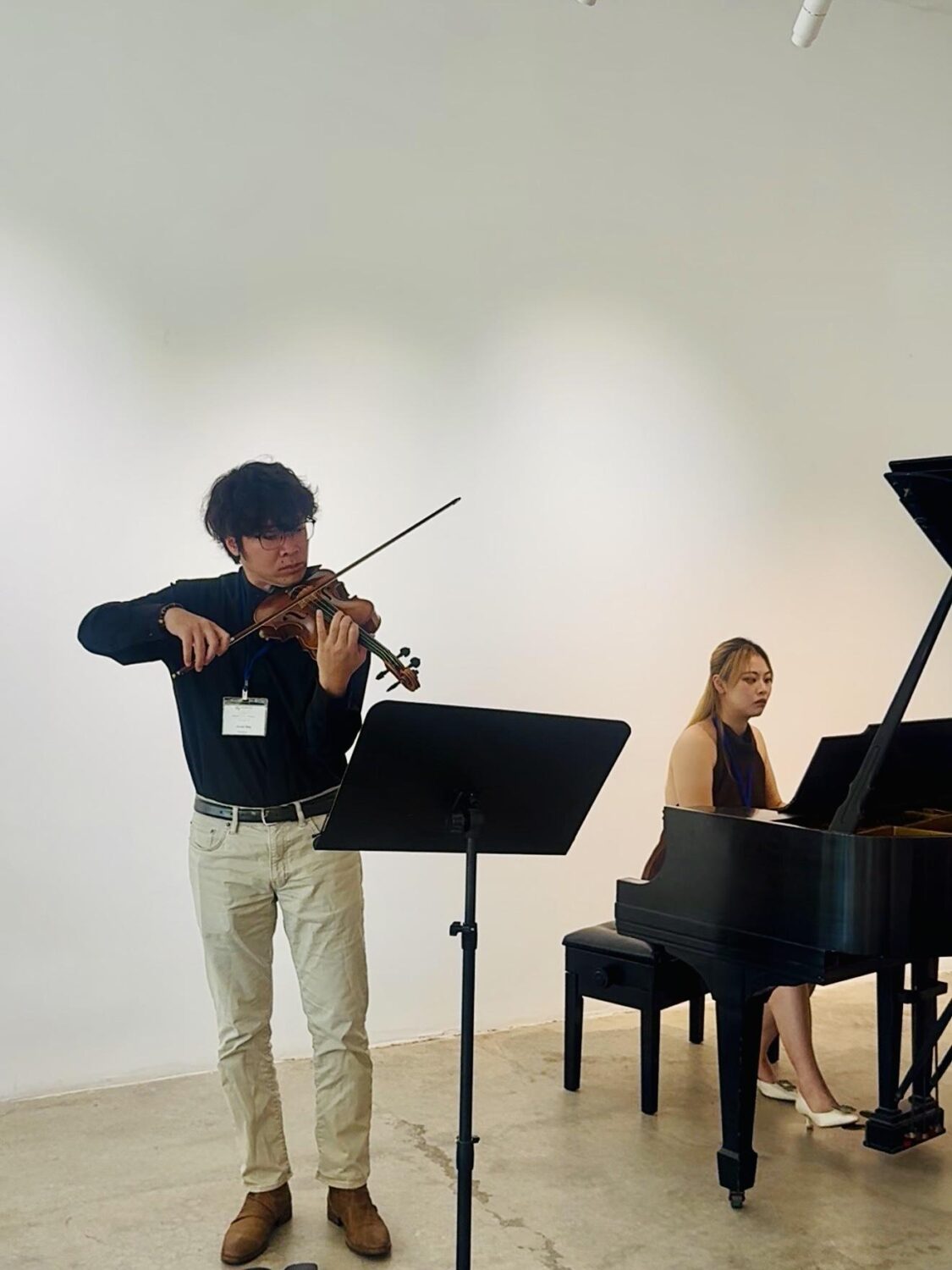
For Jiyuan Yang, a concert violinist and educator with the International Classical Music Alliance (ICMA), one area of particular interest was the relationship between Chinese and Western approaches to string music.
During the discussion, Yang reflected on differences he has observed in string traditions, performance practices and musical expression across the two cultural contexts. Rather than viewing those differences simply as a divide, he discussed their potential to become a source of artistic experimentation.
Yang expressed an interest in exploring new approaches that draw from both traditions, allowing different musical languages and performance practices to interact rather than remain within fixed stylistic boundaries. His perspective pointed toward innovation not as a rejection of tradition, but as a process of understanding different traditions deeply enough to discover new possibilities between them.
That interest also connects naturally with his work across performance and education. As musicians increasingly collaborate internationally, Yang suggested through the discussion that cultural understanding and artistic curiosity can become important parts of professional growth alongside technical and interpretive development.
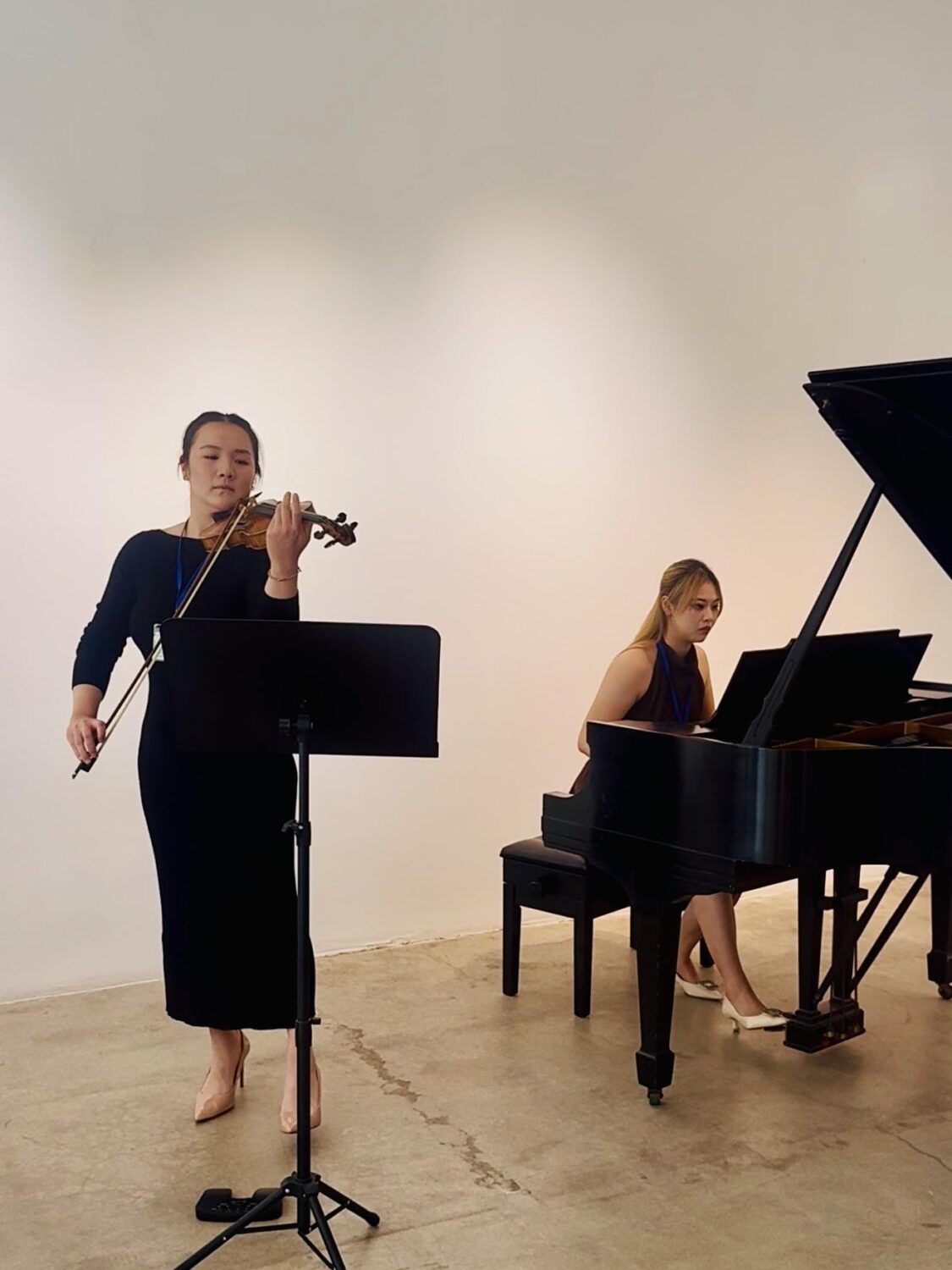
Dr. Yu (Yona) Chiang, a concert violinist and music educator, brought another perspective to the conversation through the relationship between performance and teaching.
Her participation highlighted the ways musicians can develop professional identities that move naturally between the concert stage and educational settings. Rather than seeing teaching as separate from an artistic career, the discussion considered how education can deepen a musician’s understanding of repertoire, communication and artistic responsibility while helping musical traditions reach new generations.
Chiang’s dual role as performer and educator also reflected one of the forum’s larger themes: sustainability in music does not necessarily come from following a single professional path. For contemporary musicians, artistic careers can develop through combinations of performance, education, collaboration and cultural engagement.
Audience questions expanded the conversation to include young-artist development, international opportunities, emerging career models and the changing relationship between technology and creativity.
When the Conversation Moved to the Stage
Later that evening, many of the ideas discussed during Beyond Borders took on another form through live performance.
Chiang performed Green Island Serenade, bringing a lyrical work with strong cultural associations into a program that moved deliberately among different musical traditions.
Yang performed Fritz Kreisler’s Liebesleid, drawing from the expressive language of the Western violin tradition. Heard after his afternoon discussion of Chinese and Western approaches to string music, the performance added another dimension to his comments about tradition and innovation: before musicians can explore what might exist between musical cultures, they must also understand the expressive vocabulary and artistic depth within them.
The concert featured a broader roster of artists whose repertoire further expanded that dialogue. Guqin artist Bin Maperformed Three Variations on the Plum Blossom, while violinist Zixiang Li presented Spring in Xinjiang. Violist Dr. Xiaohui Yan performed Capriccio “Hommage à Paganini,” Op. 55; pianist Dr. Yuru Jin performed Debussy’s Reflets dans l’eau; and pianist and organist Dr. Peiyao Yu presented Toru Takemitsu’s Rain Tree Sketch II.
Pianist Dr. Yaqi Wang, President of AwakenDo Foundation and Founder of Concert Star LLC, served as Chief Curator and Executive Director of Sound × Image × Dialogue. She also appeared in the evening concert with Song of Qinhuai River (Suzhou Pingtan Version).
Wang developed the project around the idea that music can become a meeting point for different disciplines and cultural perspectives. “Music is not only an art form; it is also a language that can cross cultures and connect people,” Wang said during the opening program. “We hope to create a platform where people from different backgrounds can meet through art and where young artists can find opportunities to engage with the world.”
The opening program also welcomed Walnut Mayor Dr. Allen Wu and San Gabriel Councilmember Jorge Herrera Ávila, who joined participating artists, educators and community representatives.
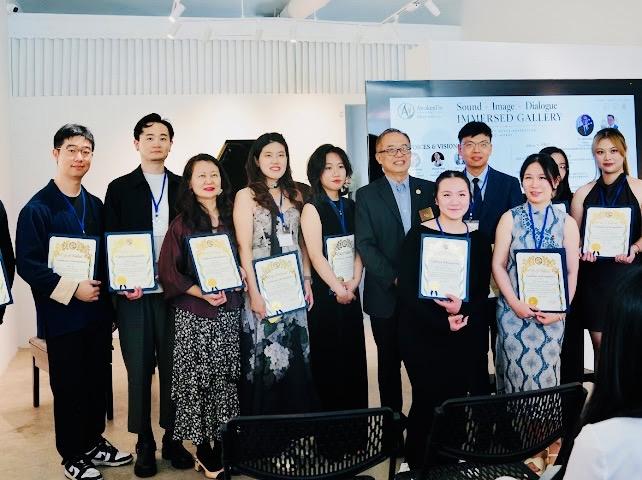
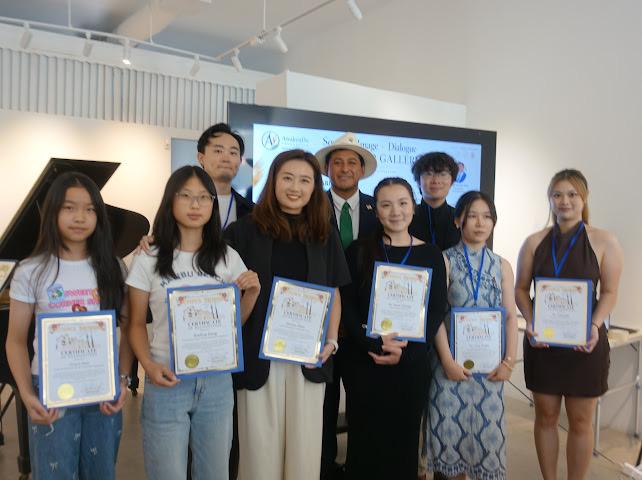
Across the concert, guqin, violin, viola and piano repertoire moved between traditional Chinese musical references, Western classical repertoire and modern works. The programming reflected the same question raised during the afternoon forum: how can musicians engage seriously with artistic traditions while continuing to create connections across cultural and professional boundaries?
For Yang and Chiang, appearing first as panelists and later as performers gave that question a particularly tangible form. Their contributions demonstrated how contemporary musicians can move between performance, education and cultural dialogue without treating those roles as separate identities.
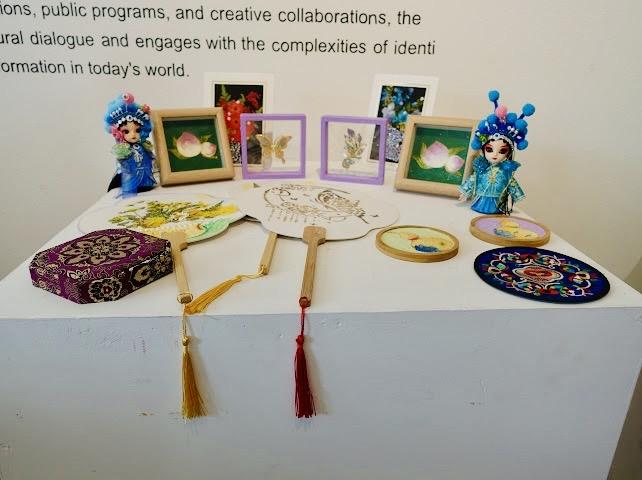
Sound × Image × Dialogue continued through July 5 with programs exploring traditional Chinese culture, creative arts and community engagement, including guqin, floral art, traditional craft and wellness activities.
Taken together, the opening day suggested that a sustainable musical career may no longer be defined by a single stage or a single professional role. Instead, it can emerge through the connections musicians create — between traditions, between disciplines and between people.