
 Will Jones
The specialty tea brand is betting that the next phase of America’s matcha obsession will be less about discovering the drink and more about understanding how much one matcha can differ from another.
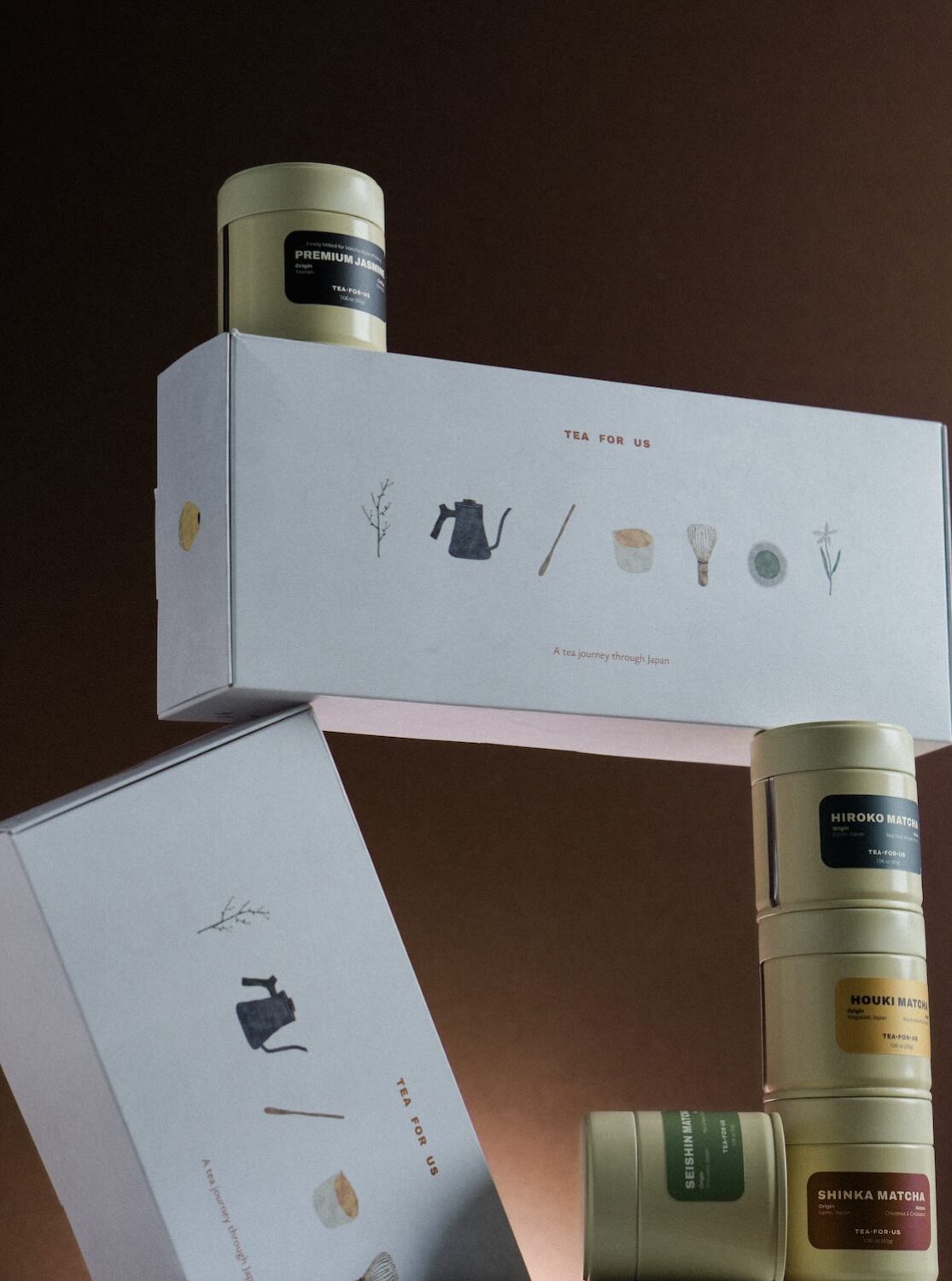
In Los Angeles, matcha has moved from specialty tea counters into the everyday language of cafe menus. It now appears in drinks ranging from straightforward whisked preparations to elaborate lattes flavored with fruit, syrups, foams, and spices. Its popularity has also put pressure on Japanese supply, with California businesses confronting tighter availability as international demand has climbed. Tea For Us is betting that familiarity will make some drinkers more curious about what is actually in the cup.
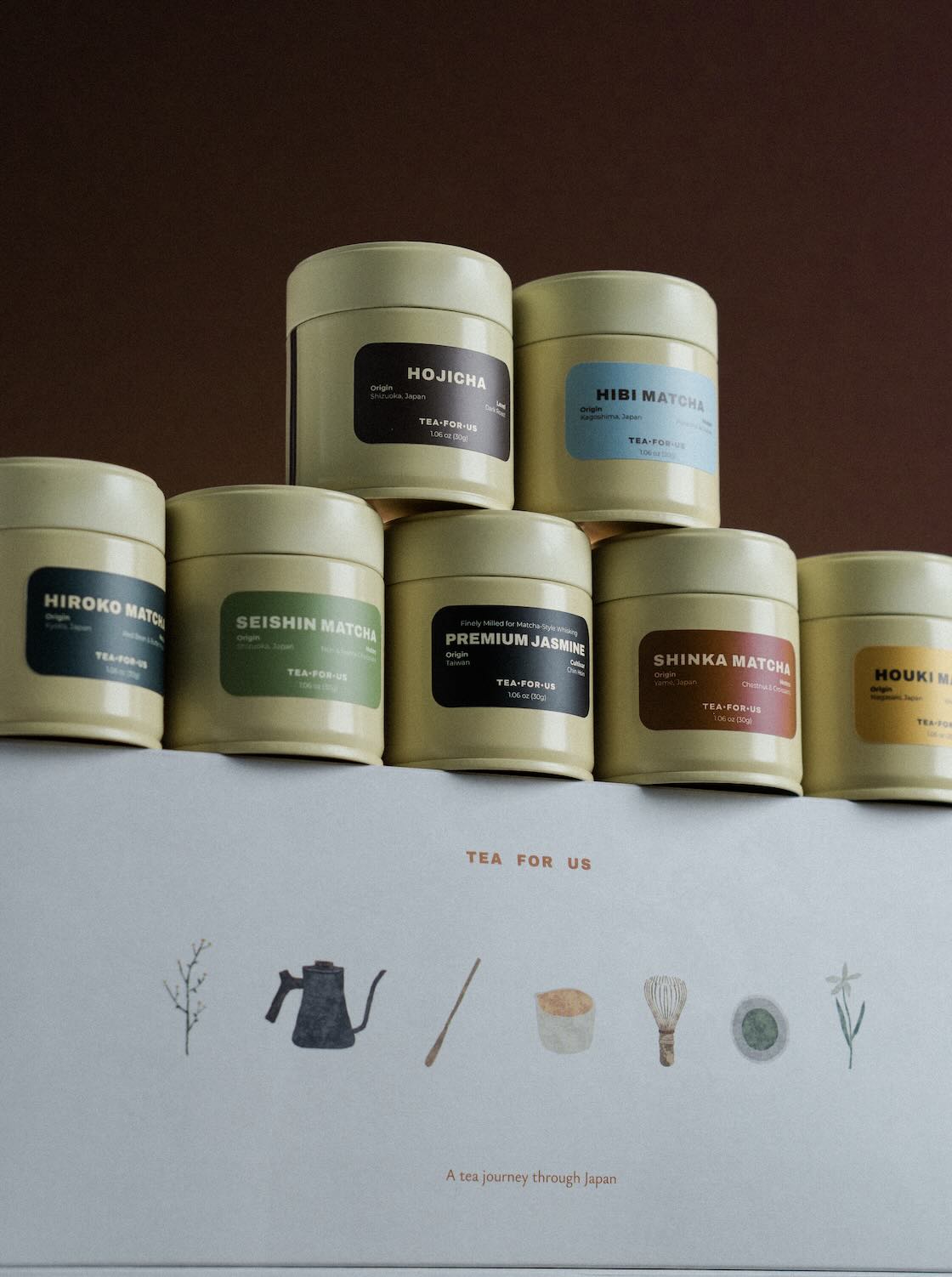
Founded by Amy Chen and GiGi Nguyen in 2025, Tea For Us is a specialty tea brand bringing greater distinction to the matcha category. In less than a year, the brand has introduced six Japanese matchas with distinct flavor profiles, creating a tasting-led collection designed to help drinkers move beyond simply liking matcha to understanding the styles they enjoy most. Its bestseller, Shinka Matcha from Yame, Japan, has sold out five times!
“People already know they like matcha,” Chen said. “The more interesting question now is what kind of matcha they like. When you taste different matchas side by side, you begin to see that matcha is not one flavor. It is a category with depth, variation, and character. “
When Matcha Becomes a Category, Not Just a Drink
Tea For Us sources first-harvest matcha and hojicha from artisan farms across several Japanese tea-growing regions, including Yame, Kyoto, Kagoshima, Shizuoka, and Nagasaki. Each origin offers a distinct expression of flavor, giving the founders a way to show customers how dramatically one tea can differ from the next.
For Chen and Nguyen, geography matters most when it clarifies what someone experiences in the cup. A region named on the label becomes meaningful when a drinker can connect it to flavor, aroma, texture, and finish.
“Region matters when you can taste what it changes,” Nguyen said. “We want people to compare the teas and begin recognizing the profiles they prefer.”
That approach arrives at an important moment in matcha’s growth. Its popularity has expanded the audience far beyond longtime Japanese-tea enthusiasts, but widespread familiarity can also make very different matchas appear interchangeable. Someone whose first encounter is a flavored latte may know they enjoy matcha without yet having a reason to consider the tea behind it.
Tea For Us offers six distinct matchas to encourage side-by-side tasting rather than position a single expression as the universal choice. The collection gives drinkers a tangible way to notice differences in flavor, origin, and preparation.
What Tea For Us Learns at the Pop-Up Table
Tea For Us has held pop-ups and guided matcha tasting events in Los Angeles, San Francisco, and Seattle, with customers lining up before opening. It has also developed relationships with cafes and specialty retailers across California, New York, Florida, Illinois, and Arizona. Its combined Instagram, TikTok, and email community has grown beyond 4,000 people, while matcha-focused content creators have reviewed its products, including one creator with more than 300,000 subscribers.
For Chen and Nguyen, the pop-ups provide direct feedback that online sales cannot fully replicate. Customers taste the teas, compare them, ask questions, and react in real time to the way each product is described.
“You learn a great deal when someone is standing in front of you, tasting the tea,” Chen said. “You see what they notice, what they want to compare, and where our language is not yet helping them recognize what is in the cup.”
Los Angeles has been especially instructive because matcha is already familiar to many café guests. That baseline familiarity allows the conversation to move beyond whether someone likes matcha and toward the distinctions between one tea and another.
These conversations continue to shape how Tea For Us presents its collection: through comparison, clear sensory language, and the understanding that a drinker’s preference is often more specific than simply “I like matcha.”
The Supply Problem Behind the Matcha Boom
Demand brings a different set of decisions behind the scenes. Many of the teas Tea For Us seeks are produced in limited quantities, particularly those from smaller Japanese farms and producers. Growth is not simply a matter of placing a larger order.
Chen and Nguyen are building longer-term relationships with producers and suppliers in Japan, planning around seasonal availability and the level of growth each sourcing relationship can realistically support.
“Growth sounds simple until the tea you want cannot be ordered in unlimited quantities,” Nguyen said. “You have to consider the producer relationship, what is genuinely available, and how much growth the supply can realistically support.”
Across specialty matcha, rising demand is meeting agricultural and production limits. For Tea For Us, that means growing with care while protecting the distinctive character of the teas it brings to the table.
Looking Beyond Japanese Matcha
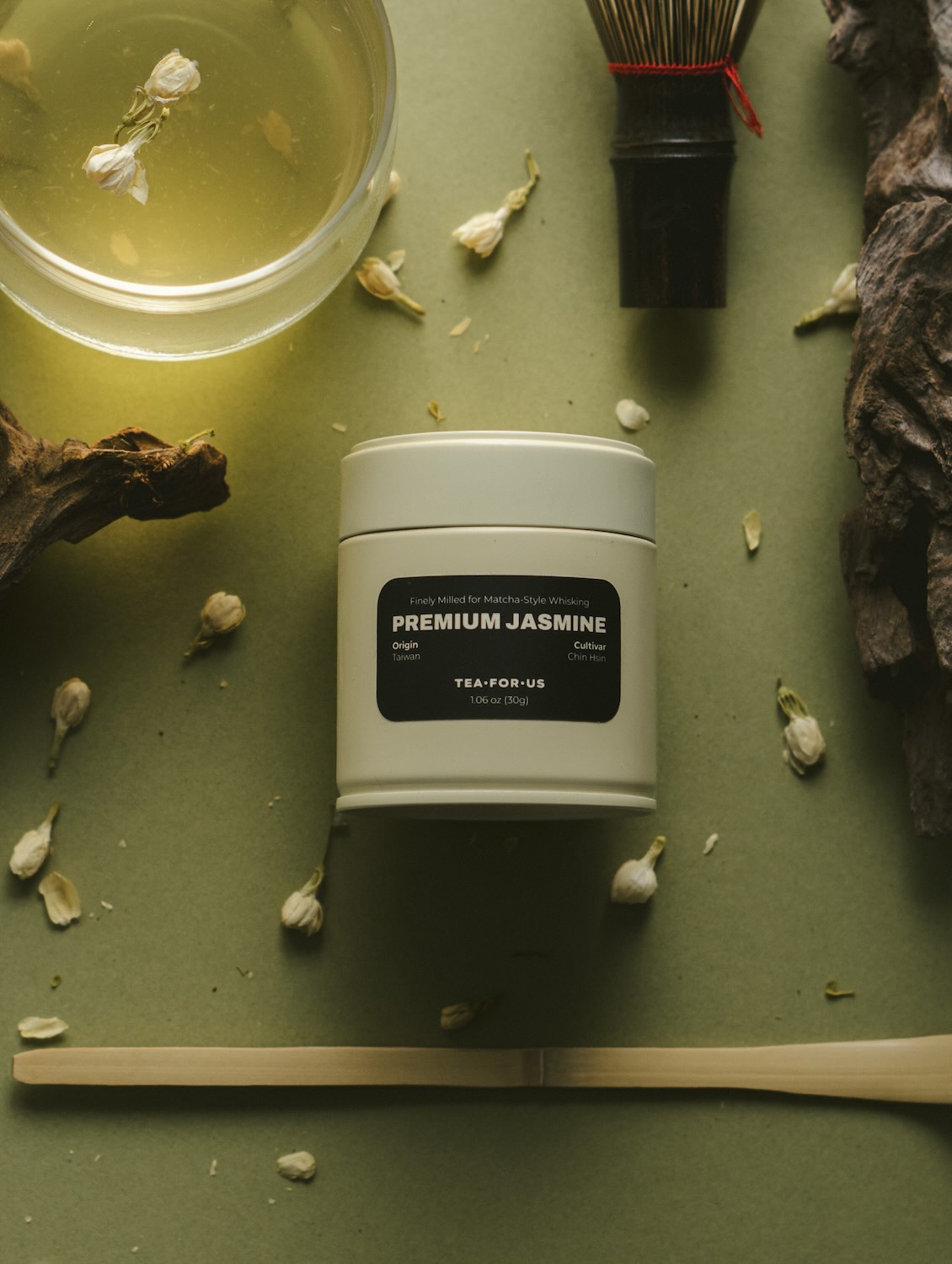
Tea For Us is expanding that conversation with a new collection of freshly milled Taiwanese teas, made to be whisked and prepared in the same spirit of attention and comparison that shapes the brand’s Japanese matcha selection. The launch introduces U.S. drinkers to teas they may know less well, while keeping flavor, preparation, and origin at the center of the experience.
“Matcha gave a lot of people an entry point into tea ritual,” Chen said. “We think that curiosity can keep going. Once someone realizes they can taste differences between matchas, they may become interested in what else tea can be.”
That may be one of matcha’s more compelling effects: mainstream visibility brings more people to the drink, while deeper familiarity can make them more particular about what they are drinking.
Tea For Us is building around the possibility that the next generation of matcha drinkers will not simply ask whether a cafe serves matcha. They will start asking which one.