
 Will Jones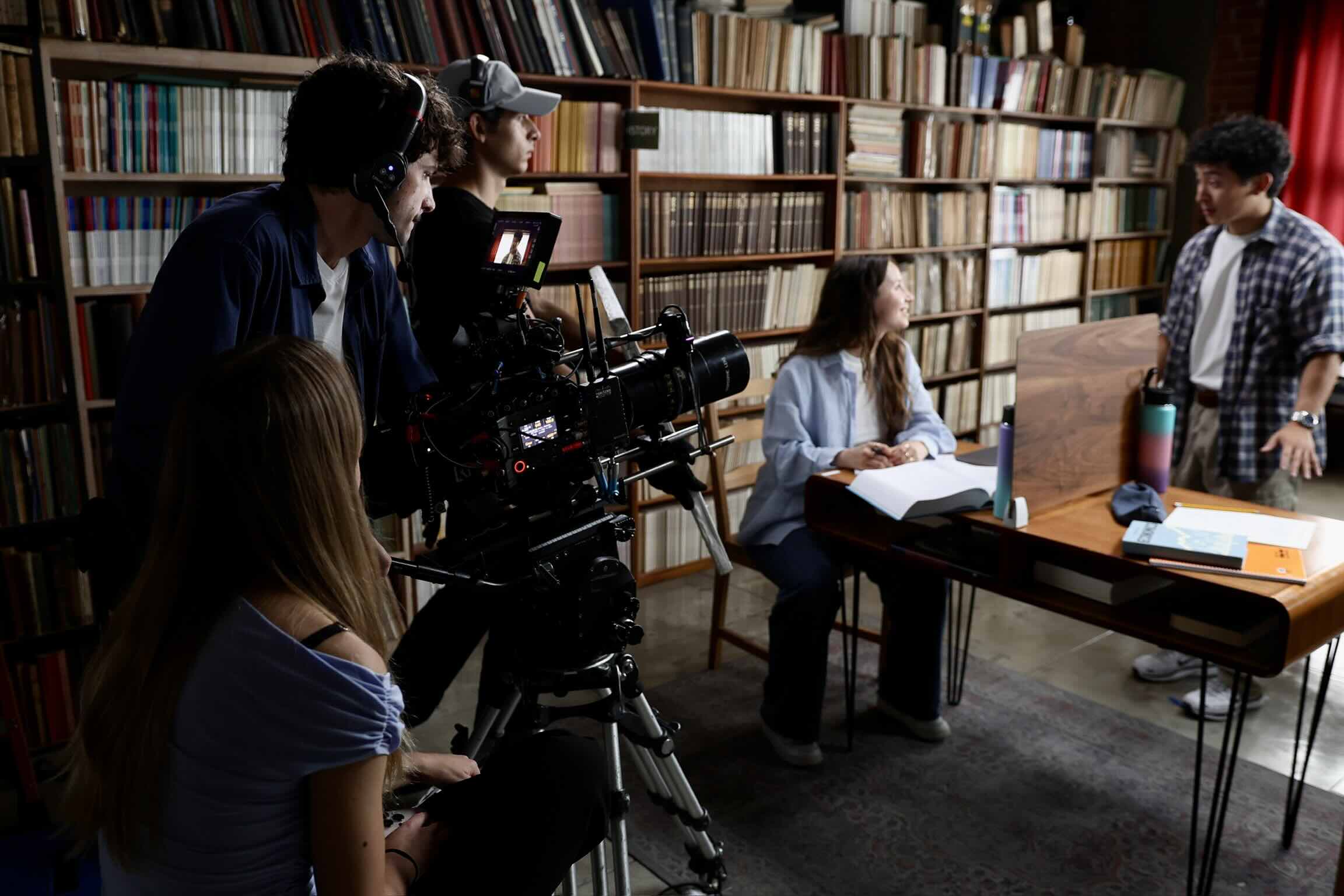
After Talented took home four Grand Jury Awards at Film Invasion LA, its director explains how she built a process that gave different creative specialists room to shape the film
The scoreboard at Film Invasion LA‘s 11th edition, which closed on August 23, put No Signal and The Door on two Grand Jury awards apiece and What We Dreamed of Then and Fireflies in the Dusk on three each. Talented took Best Featurette for Drama, Best Cinematography, Best Score and Best Song, giving one small independent production four Grand Jury honors across distinct creative disciplines. What does a director do to make that happen?
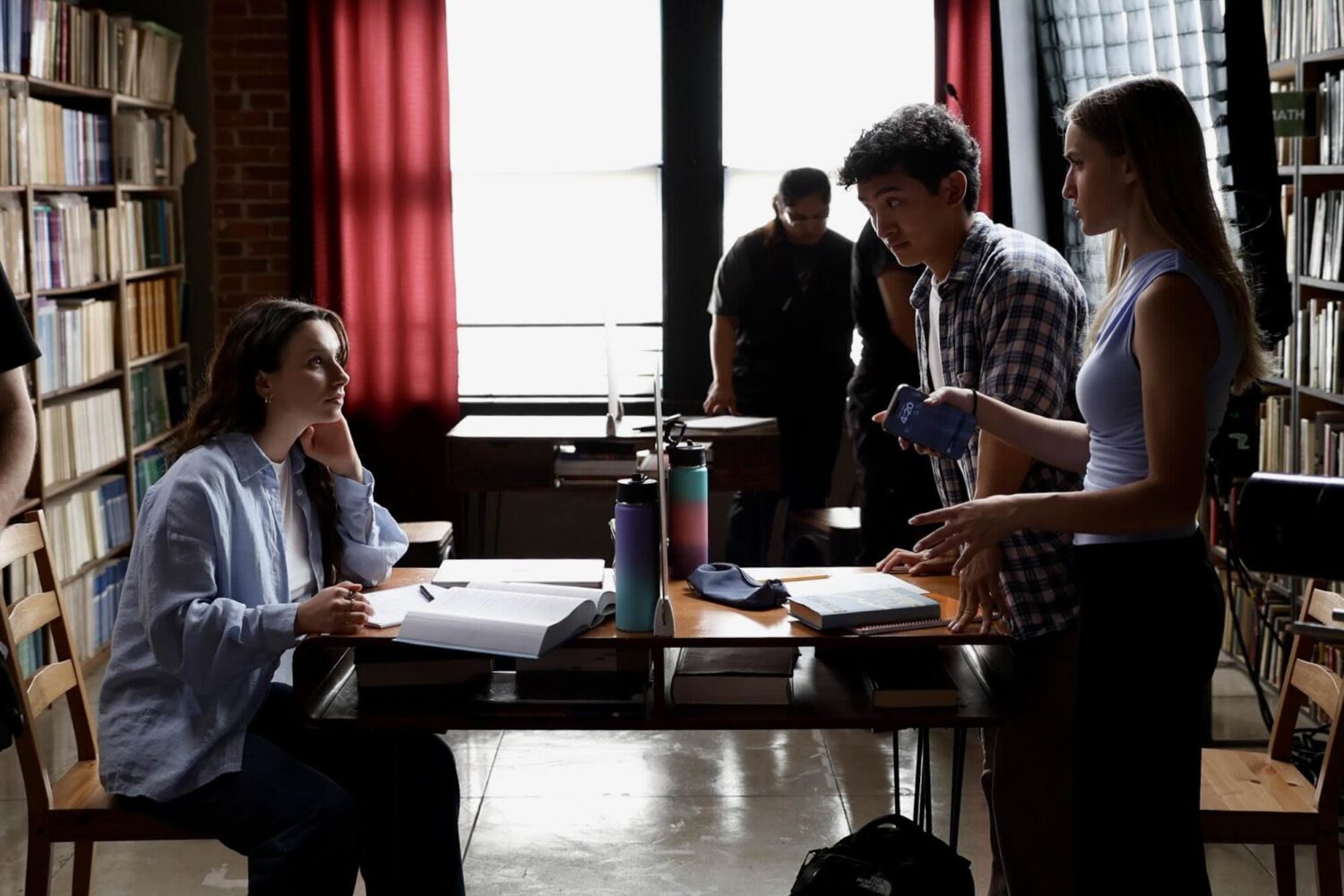
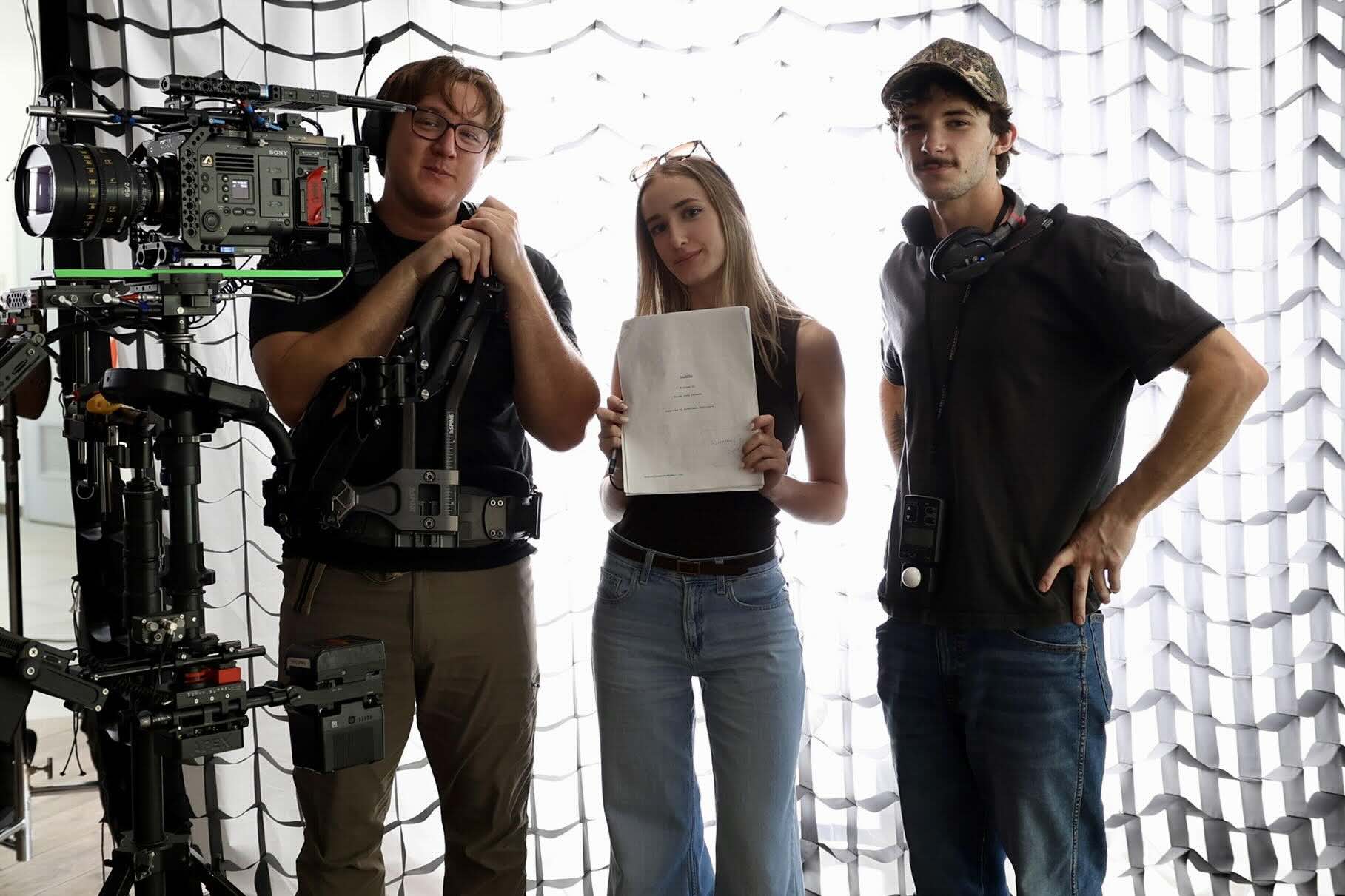
That director has spent most of her working life on the other side of the camera, which is what makes the split strange. Anastasia Kuplinova, who works out of Los Angeles, finished Chapman University’s Dodge College of Film and Media Arts in May with a cinematography degree, shot two of the school’s thesis films, Drops and Portrait of Artemisia, as director of photography, and still works the camera department year-round. Anastasia’s cinematography background also shapes the way she directs. On Talented, she worked from the start with cinematographer Truman Hatfield, whom she already knew from lighting crews and whose visual ideas and working style closely matched her own. That allowed her to approach the film visually while trusting Hatfield to bring his own judgment to the images. His work earned Film Invasion LA’s Grand Jury Award for Best Cinematography – Featurette.
Before Film Invasion LA, Talented had already won Best Narrative Short at the Berlin Women Cinema Festival and screened at LA Shorts International Film Festival. Out of the hundreds of filmmakers who came through this year’s Film Invasion, Anastasia was the first invited for a full episode of the Discover Indie Film podcast, hosted by festival programmer and awards committee member Jeff Howard. The interview focuses on her work as a filmmaker and director and is available across major podcast platforms, including Apple Podcasts, Spotify and Amazon Music.
“I can shoot almost any story, but I can’t tell any story,” Anastasia Kuplinova says. “When I direct, I need a very personal connection to the idea. As a cinematographer, I’m there to believe in the director’s vision and help them make it work on screen.”
What she believed in enough to direct was a story about Mira, a young musician who has spent years hiding what she can do until the film finally lets her be seen, and the first argument the project cost her was over its length. Her professors urged her to cut the script in half, warning that no festival would program a short at that size, and she left it at 27 minutes, which is how it came to win in Film Invasion’s featurette division, reserved for films running between 20 and 60 minutes.
Casting took the longest and set the tone for everything after it. More than 200 applications came in for Mira, and Anastasia, acting as her own casting director, watched all of them. The brief required every candidate to sing on tape, so submissions without a song went no further. Jordan Cathryn arrived with “I’ll Be,” a song Jordan had written herself and one that is now performed inside the finished film, and a chemistry read with Matthew Sy settled the part. By the end of post-production, Cathryn had co-written a second song, “Almost Gone,” with Ananda Dhar-James for the closing credits, and that song won the Grand Jury Award for Best Song. One casting decision, followed all the way through, turned into one of the film’s four awards.
Anastasia brought in sound designer Annie Okuhara to handle the film’s sound. Anastasia had interviewed her back in 2023 for Chapman’s student newspaper, where she worked as video and podcast editor, and who builds audio mainly for video games, creating every cue from nothing. For a film whose lead character is a musician, that was precisely the qualification she wanted, and Keaton Lewis and Scott Tucker composed the score that took the third of the four awards.
The collaborative process began well before the shoot, with detailed storyboards. Polina Uzhentseva, an artist now studying in Korea, draws the storyboards for each of her projects by hand — pen on paper, no AI anywhere in the pipeline — and Anastasia prints the day’s pages every shooting morning and pins them up on set, so that each department has seen the frame before the camera ever sees it.
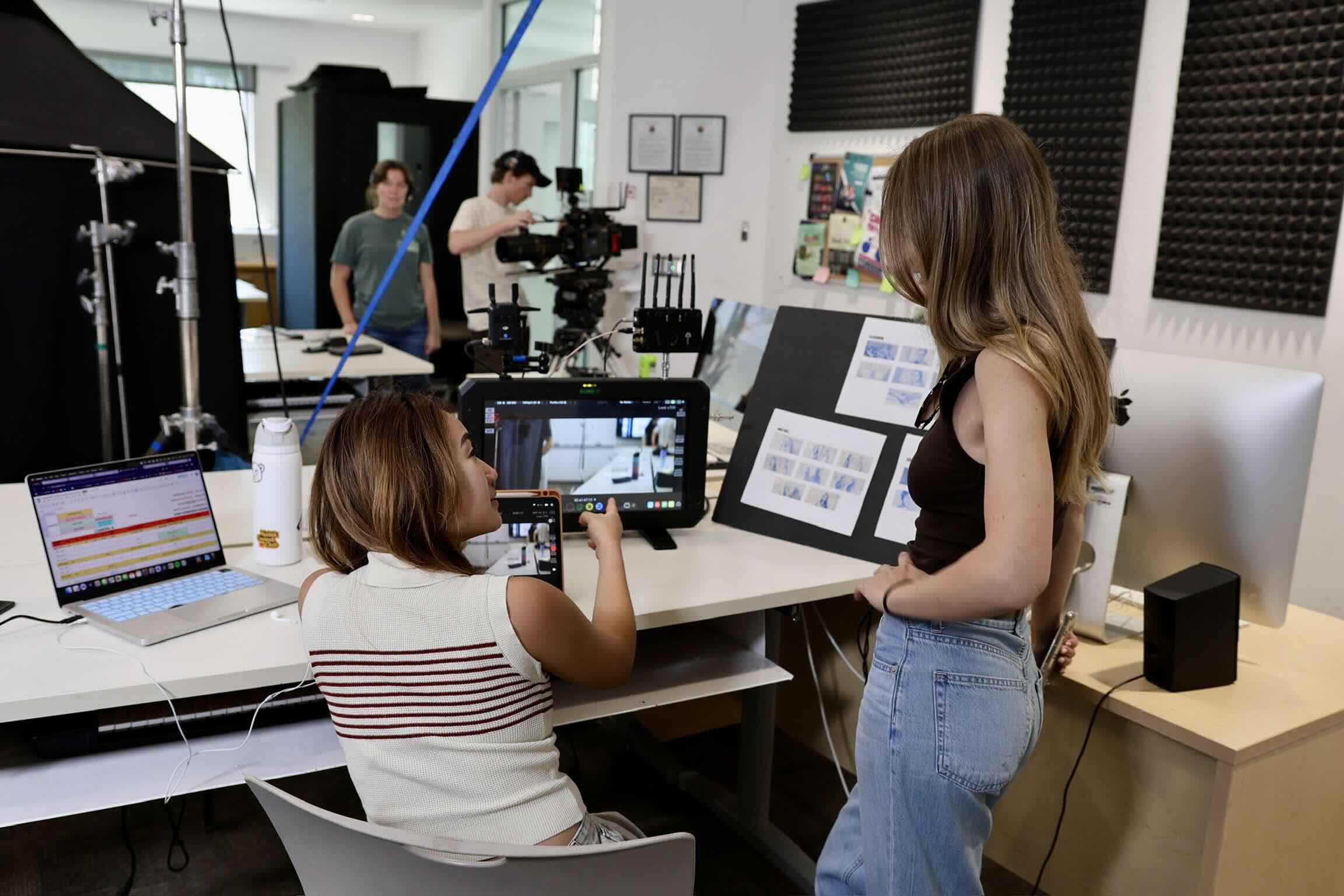
“My whole goal in pre-production is to say everything there, so that on the set I can focus on working with actors,” she says.
Those pinned-up pages are what made the schedule survivable. The shoot ran five and a half days across two weekends, the first carrying two company moves, the second going up to Big Bear for the forest and cabin scenes that make up the film’s Russian stretch, the reason its credits list two languages. Post locked before the holidays, on a deadline she set so the crew could experience the finished film before the year was out.
Anastasia also uses pre-production for actor workshops, a part of the rehearsal process she does not delegate. Matthew Sy, for whom Talented was the first production on this scale, has told her since that the method changed the way he acts.
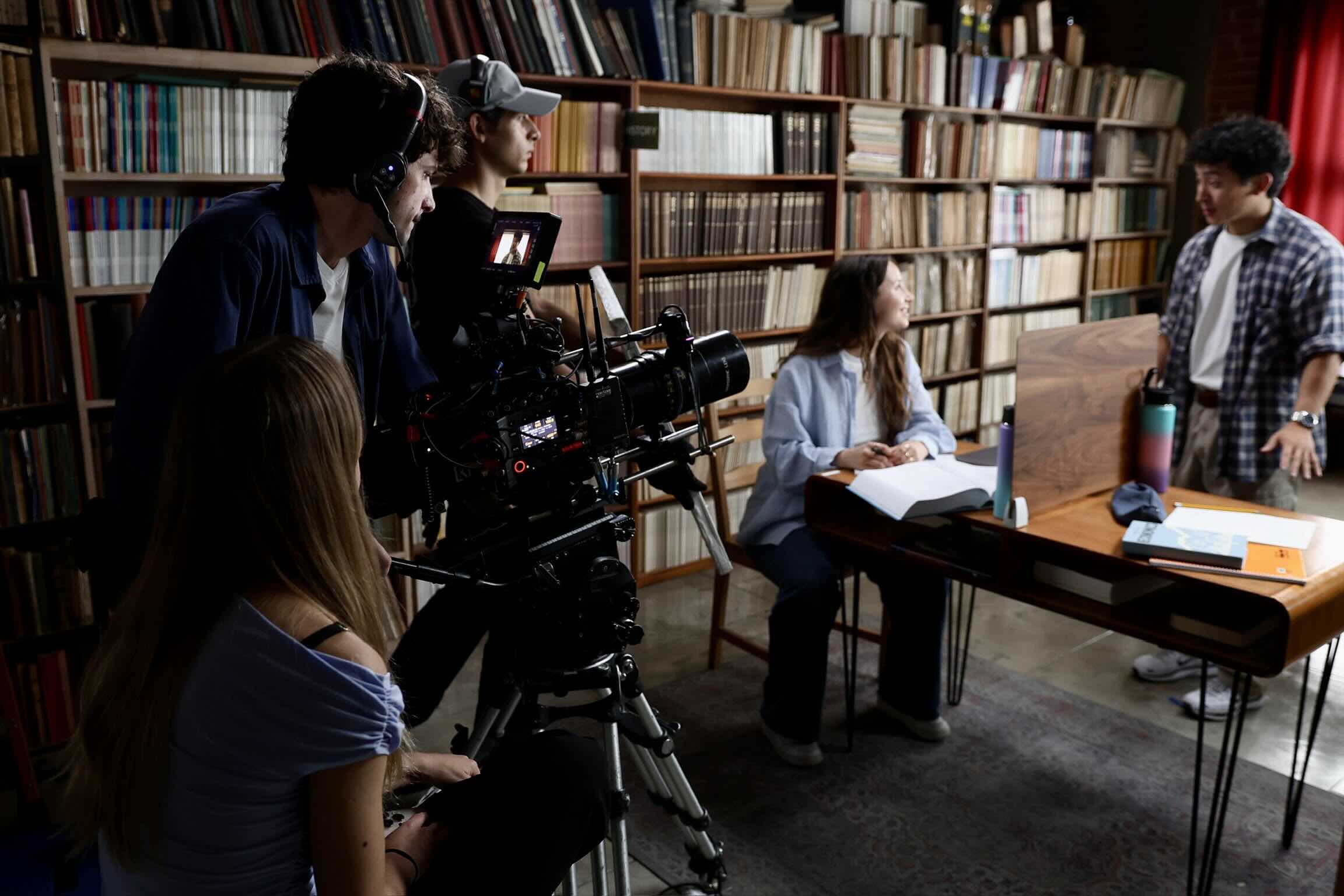
“I never tell an actor to say the line a certain way,” she explains. “We do workshops, they close their eyes, and we go looking for something from their own life, and that is what they carry into the scene.”
That same instinct kept her name off the screenplay, even though the story underneath it is inspired by her. Sarah Jane Coleman wrote it, and the two of them worked through eight drafts before the shoot. Only one scene was written directly by Anastasia, and it has no dialogue in it at all. Mira, in the forest after the audition, breaking down where nobody can see her.
“When the story comes from your own life, you get so attached to it that you stop being creative about it,” she adds. “I wanted the film to stay a space where people can be creative and bring their own point of view. Where my writer and cinematographer have a narrative of their own to tell inside mine.”
Anastasia Kuplinova is now developing her first feature as a director. She is keeping the details private for now, except that it is entirely different from Talented and began with a song she wrote.