Nia Bowers
What starts as a Barbie sitting on a small stool could eventually become something much bigger.
For Indian Italian architectural designer Tanvi Marina Rao, that is precisely the point. A project she has been developing takes the familiar world of the dollhouse and turns it into a way of thinking about scale, perception and the way we understand the objects around us.
The idea comes partly from Josef Albers, the Bauhaus artist whose work explored how colour and form can change depending on what surrounds them. Rao has taken a similar approach to objects and space. Her pieces are modular and deliberately open ended, designed to be separated, rearranged and understood in different ways.
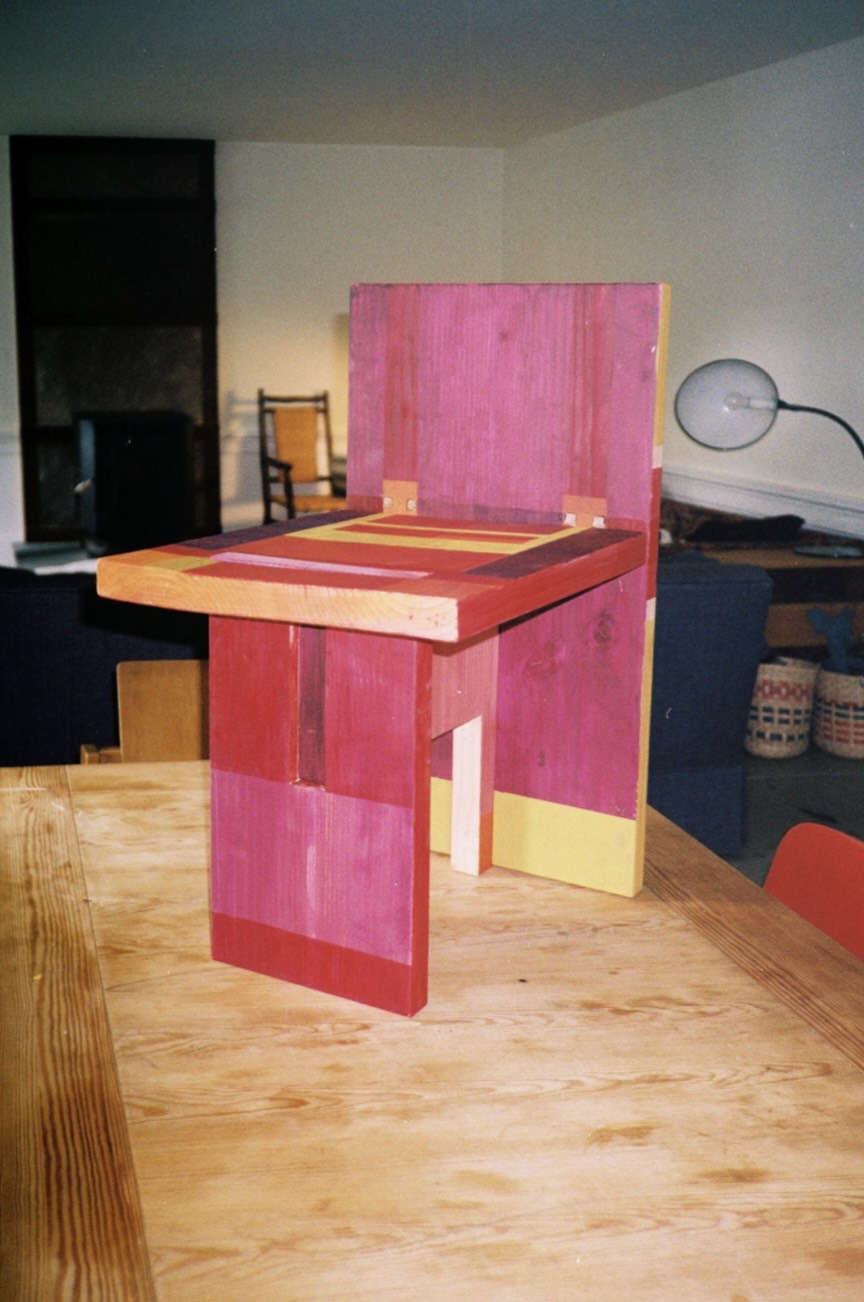
Rao’s work being developed during her artist residency, upstate New York, with Los Angeles based gallery, Lobster Club. Photo by Tadzio Dlugolecki.
One arrangement can create a stool for a doll. Take it apart and the same pieces might suggest a townhouse. Rearrange them again and they begin to resemble parts of a city.
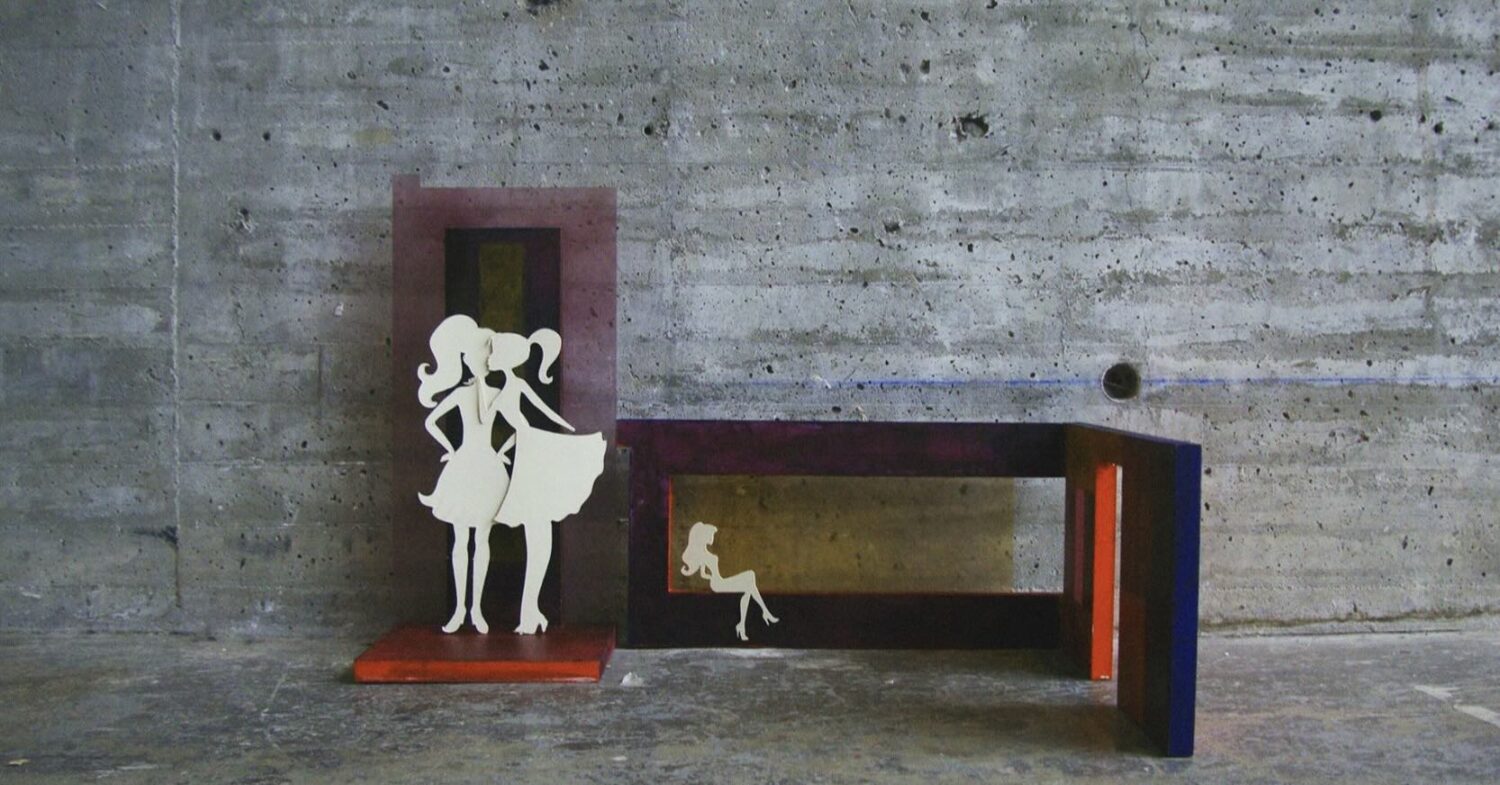
The doll has not changed. The scale has.
And suddenly, neither has the meaning of the object.
The project is still developing, with Rao experimenting with prototypes and, particularly, with the ways individual pieces can connect. The joints are more than construction details. They could become the basic vocabulary of a larger architectural system.
It is a very Rao way of working.
Her career has never stayed within one scale or one discipline. She moves between furniture, interiors, installations and architectural concepts, often looking at what happens when different elements are placed in conversation with one another.
She is interested in the relationship between materials, the way an object changes inside a room and the role personal belongings can play in making a space feel lived in.
For Rao, limitations can also become useful. She often refers to the idea of “Coefficient of Adversity,” approaching constraints as conditions that can lead to unexpected solutions.
Her project “Connecting the Dots,” created with Estefany Lona, grew out of one such problem. While working with vacuum formed plastic components, the pair needed a way to connect the pieces without conventional adhesives.
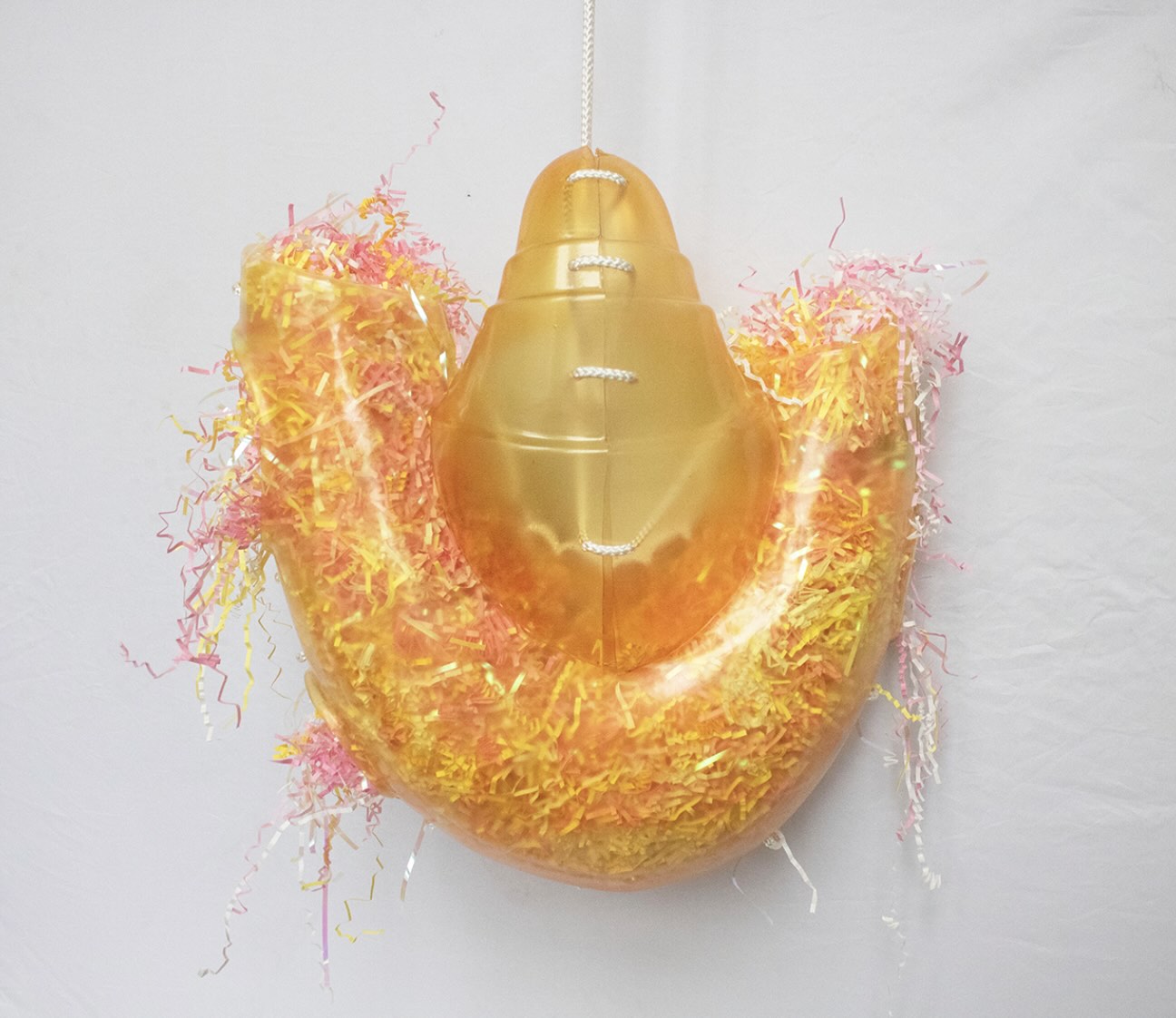
The answer was not to conceal the problem but to make it visible. A continuous string became part of the structure itself.
Exhibited at the Royal West of England Academy in Bristol, the work also drew on the piñata and its associations with play, celebration and transformation. It reflects something that appears throughout Rao’s practice: practical decisions often become the starting point for larger ideas.
Her interiors work in much the same way.
At One Fifth Avenue, she worked with furniture, art and personal objects that already mattered to her clients, including pieces collected during their travels. The Marenco sofa and Safari chairs sit alongside artwork and objects, giving the apartment the feeling of a collection built over time rather than a space assembled all at once.
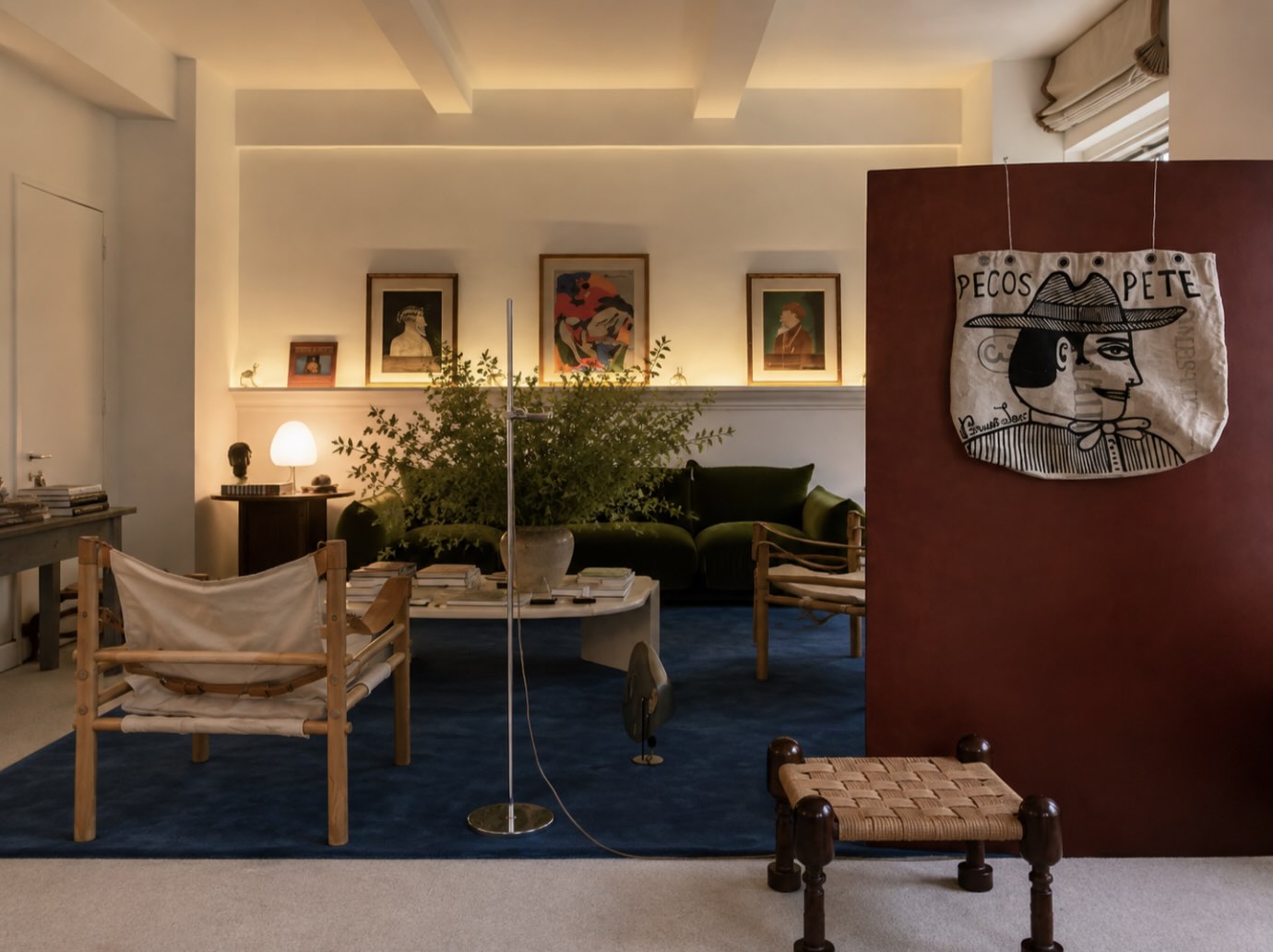
The Brutalist divider screen is particularly striking. Instead of simply breaking up the large room, it gives the clients’ collected objects a place to live, turning the screen into part display, part architecture.
That distinction matters to Rao.
She is interested in why objects belong together, not simply whether they look good next to each other.
Colour is another part of that equation. She is comfortable with combinations that are unexpected or intense, using colour to change the mood of a room and alter how furniture, materials and architecture are perceived.
It is perhaps unsurprising that Albers has remained such an important reference.
His work demonstrated that colour is never entirely independent of its surroundings. Place one colour beside another and its appearance can shift. Rao is interested in applying that same idea to physical objects and spaces.
Her Barbie project becomes a particularly clear expression of it.
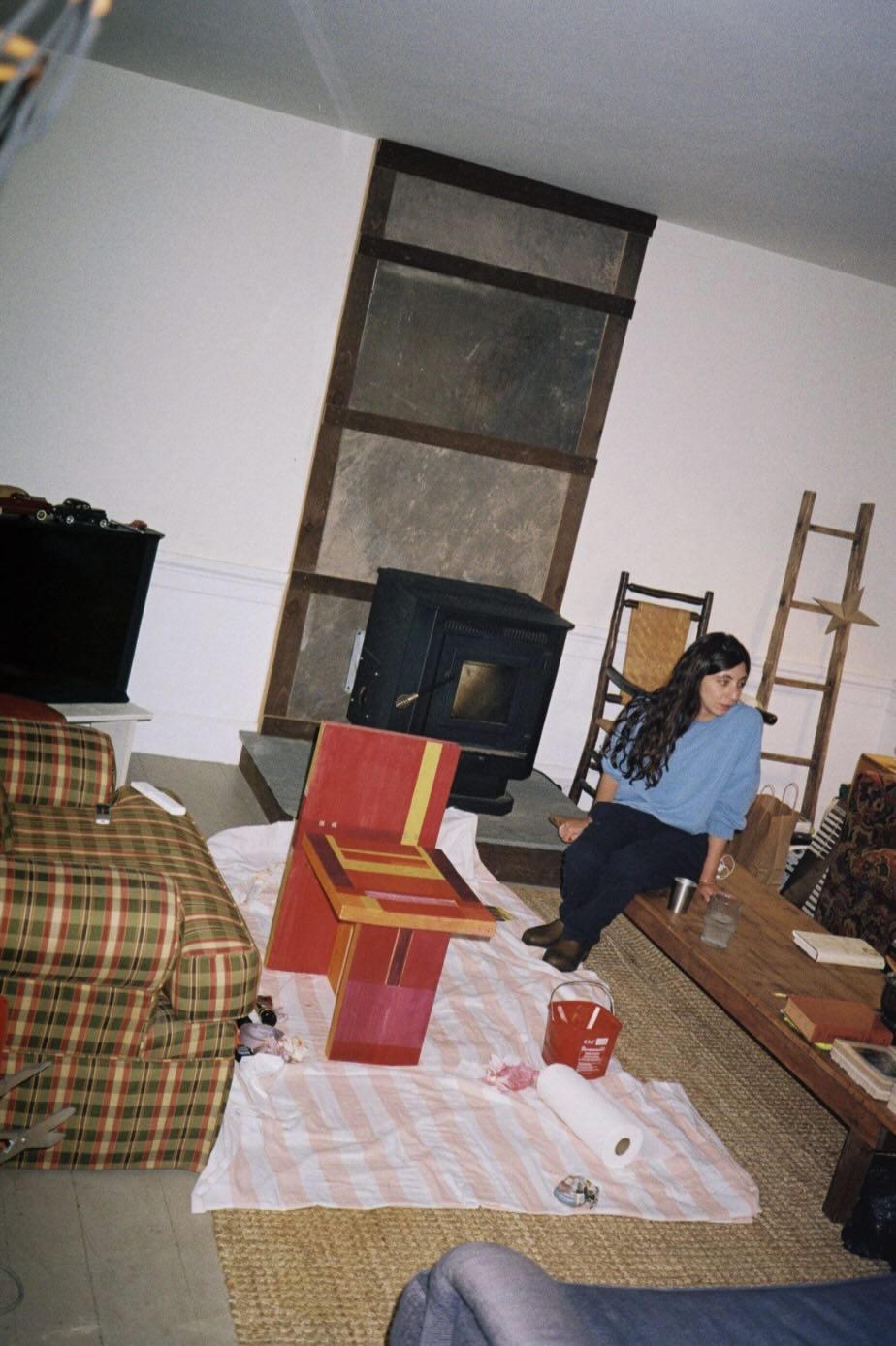
A small piece of furniture can become part of a building. A building can suggest a city. Something made for a doll can begin to imply a world much larger than itself.
That interest in scale also connects to the range of professional environments Rao has experienced throughout her career.
One of those experiences came through Bureau Spectacular, where she worked on P.O.D. System Architecture, a collaboration between Dezeen and adidas Originals. The project took inspiration from the three-part construction of the P.O.D. System shoe and translated it into architecture.
The result was a miniature mixed-use development made up of four towers connected by a central structure. But the model had another life beyond architecture: its components could be unfolded into furniture, and when brought together, the entire piece could function as a cat tower.
The project is a good example of the kind of overlap that has become central to Rao’s work. Architecture does not necessarily have to remain architecture, and furniture does not have to stay furniture.
Her work on public space has given her another opportunity to explore that relationship.
For “Love Letters at Times Square,” Soft Firm’s winning proposal for the 13th Times Square Arts competition, Rao worked through the design from early concepts to the eventual installation. The project transformed a large folding surface into a series of spaces within Times Square, combining plywood, mirrored openings and areas where visitors could stop and sit.
The installation was designed to change depending on how people used it. Visitors could attach letters, wishes and personal objects to its structure, gradually adding their own presence to the work. Seen from above, the installation formed two hearts.
These projects, along with her work at One Fifth Avenue and “Connecting the Dots,” help explain why Rao’s practice is difficult to place within a single category.
She has worked with internationally recognised studios including Soft Firm, Studio Giancarlo Valle, Charlap Hyman & Herrero, Bureau Spectacular and Studio MUKA. Each has exposed her to different ways of approaching architecture, interiors, objects and materials.
Her influences are similarly broad. Alongside Albers, she looks to figures such as Elsa Peretti and Alan Wexler, artists and designers who have questioned the conventional boundaries between objects, furniture and architecture.
There is something fitting about Rao developing these ideas across New York and Los Angeles while drawing from experiences in Italy, England and Mexico.
Her Indian and Italian background adds another layer to that perspective, but her work does not seem interested in fitting neatly into one identity or discipline. Instead, it brings different references into the same space.
That may be why the dollhouse project feels so representative of where she is now.
It is not really about Barbie.
It is about what happens when an object is given permission to become something else.
A stool can become part of a house. A house can suggest a city. A handful of pieces can create an environment that did not exist before.
The physical components remain relatively simple. What changes is everything the viewer is able to imagine around them.
For Rao, that space between what something is and what it could become is where much of the creative work happens.
And perhaps that is why a project that begins with a dollhouse feels so relevant to her practice. It gives her a small world in which to explore a much bigger question: what happens when we stop assuming that an object has only one purpose, one scale or one way of being seen?
Rao is continuing to explore that question through furniture, interiors, art and architecture.
This time, she is starting with a Barbie, a few simple pieces and the possibility that a dollhouse might contain an entire city.