
 Nia Bowers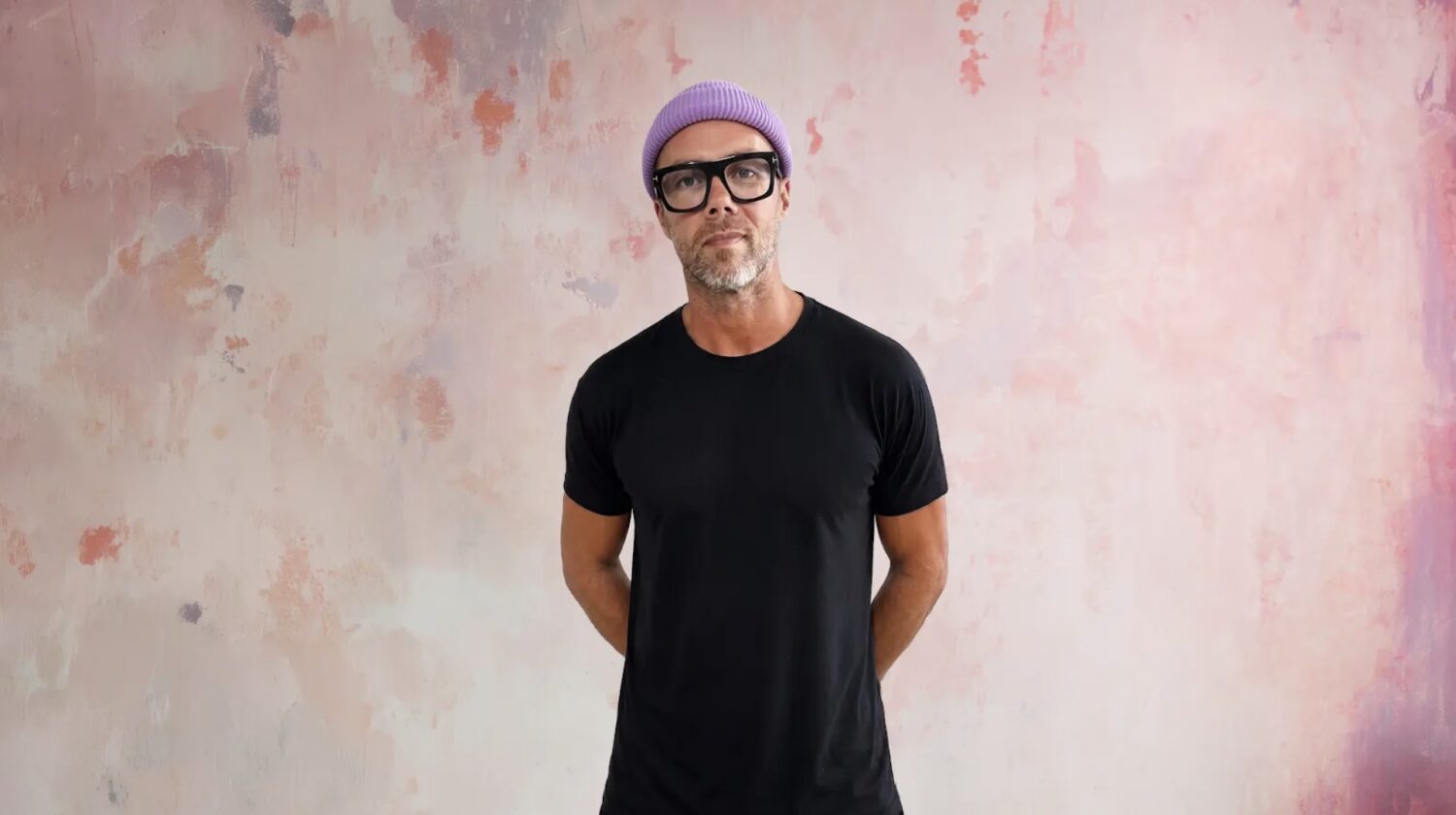
For many men, confidence has less to do with changing how they look than with no longer feeling distracted by how their clothes fit. A shirt that pulls across the stomach, a suit that does not sit quite right, or loose skin after significant weight loss can affect how someone carries himself long before anyone else notices. Yet conversations about body confidence, fit, and shapewear have traditionally been directed toward women, leaving many men without products designed around their realities. As expectations around men’s appearance continue to evolve, so does the idea that caring about how you feel in your clothes is not vanity. It is simply another part of showing up with confidence.
On the latest episode of The Hollywood Minute, host Rhonda Swan takes her signature walk down Rodeo Drive with a guest who’s quietly rewriting the rules of menswear: Luke Hanvey, founder of Tusq Apparel, a brand he describes as the first luxury men’s shapewear line.
A former professional rugby player from New Zealand, Hanvey doesn’t fit the image most people picture when they hear the word “shapewear.” That’s kind of the point. After his own journey with weight and body confidence, Hanvey set out to build a brand that helps men feel tucked in, comfortable, and confident, not just functional, and without the stigma that has followed compression wear in menswear for years.
The name itself is intentional. Pulled from the animal kingdom, “Tusq” is meant to evoke the same confidence and status a tusk represents in nature. That positioning reflects a larger idea behind the brand: shapewear does not have to be framed as something men should be embarrassed to wear. It can simply be another tool for feeling comfortable and put together.
What’s Actually in the Fabric
During the interview, Hanvey breaks down what separates Tusq Apparel from the shapewear most men have already tried and hated. Instead of the cheap, itchy nylon that traps heat against the skin, Tusq is built from a premium four-way stretch, seamless compression fabric engineered to breathe. For consumers, the lesson is simple: compression is only useful if someone can comfortably wear it for hours. That distinction matters most for the guy wearing it under a dress shirt and suit for an entire wedding, workday, or event, where comfort can make or break how confident he feels by hour six.
The product also points to an important shift in how men’s apparel is being designed. Rather than asking men to adapt themselves to clothing, brands are increasingly creating products around different body types, lifestyles, and stages of life.
Who the Product Is For
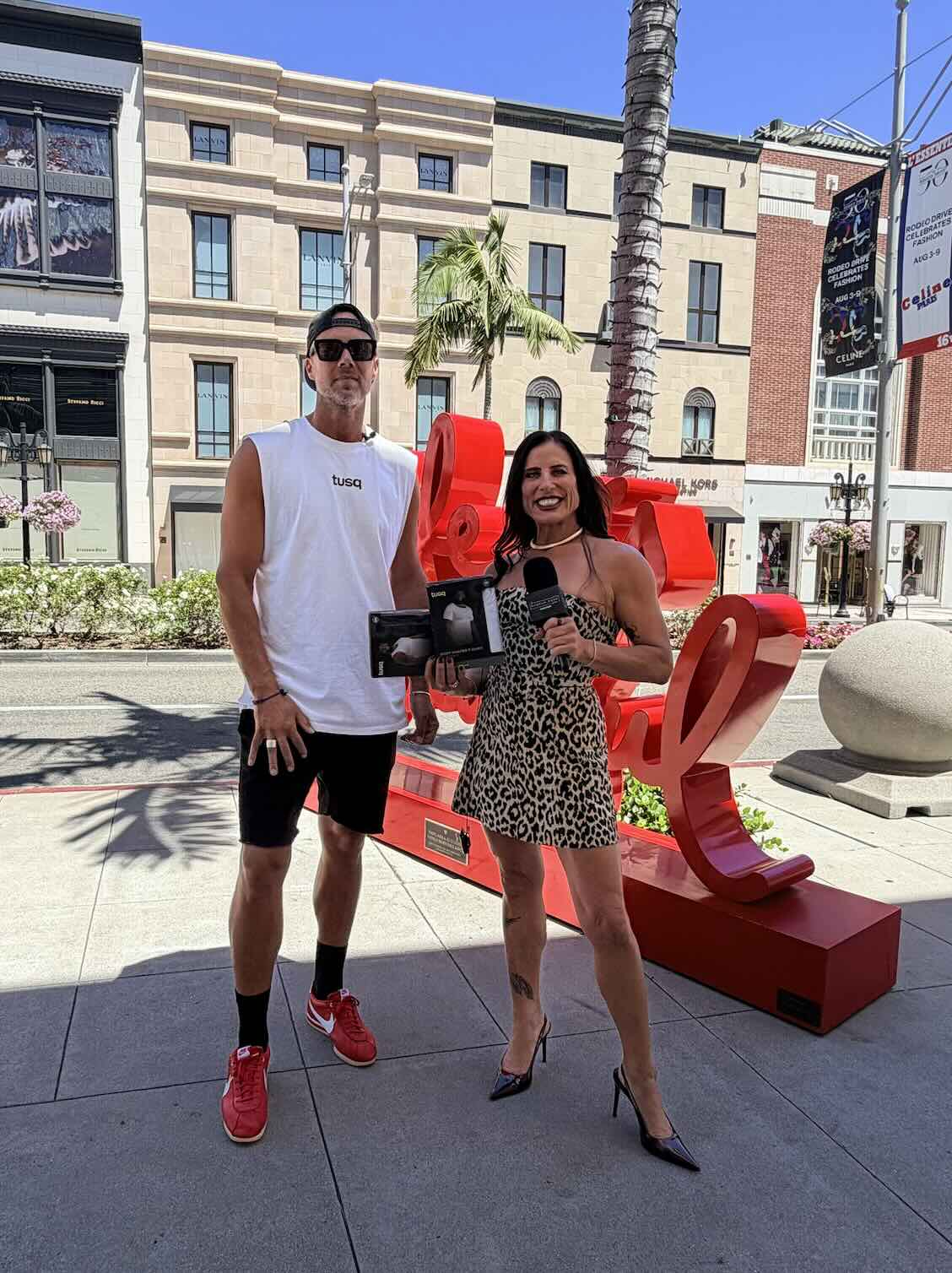
Rhonda asks Hanvey who the typical Tusq customer is, and his answer reflects the range of situations in which men may turn to compression wear. Rather than describing one specific type of customer, he points to several groups with different reasons for considering it:
- Men preparing for important occasions, such as weddings, dates, or other events where they may be particularly conscious of how their clothes fit.
- Men who have experienced significant weight loss, including some people using GLP-1 medications, who may experience changes in body shape or excess skin as their weight changes.
- Big and tall men, with sizing extending to 5XL. Hanvey also discusses the broader challenge of finding everyday basics that accommodate larger body types.
- Parents shopping for teenage boys who are going through physical changes and may be dealing with increased self-consciousness or concerns about how they look around their peers.
The examples point to a broader reality: men can have very different reasons for wanting clothing that changes or supports the way their bodies appear. For some, it may be connected to a particular event; for others, it may simply be about finding a fit that feels more comfortable during a period of physical change.
That distinction is important because it shifts the conversation away from whether men should be concerned about their appearance and toward a more practical question: what clothing options are available to them when their bodies or circumstances change?
The Skincare Comparison
One of the more notable comparisons in the conversation comes when Hanvey looks at the evolution of men’s shapewear alongside men’s skincare. He points to a time when skincare was often considered an unusual or unnecessary category for men, compared with its much more mainstream position today.
The comparison is less about suggesting that the two markets will develop in the same way and more about how attitudes toward men’s personal-care products can change. Products that were once associated with embarrassment or insecurity can become ordinary when consumers begin to view them as practical rather than unusual.
Whether men’s shapewear follows the same trajectory remains uncertain. But the comparison raises an interesting question about the role of stigma in consumer behavior: how many products are overlooked not because there is no demand, but because people are uncomfortable acknowledging that they use them?
From Personal Struggle to Full Brand
Hanvey’s interest in the category is closely connected to his own experience with weight and body confidence. That experience also influenced the development of Tusq beyond shapewear, including basics such as T-shirts, hoodies, and hats aimed at larger body types.
For Hanvey, the issue extends beyond compression garments to a broader gap in menswear: finding everyday clothing that accounts for different body shapes and sizes. His experience illustrates how a personal challenge can reveal a wider issue in an existing market, particularly when certain customers have limited choices.
The broader takeaway is that changes in body size do not necessarily mean people need to change their bodies to fit existing clothing. Sometimes, the more practical solution is simply having clothing designed with those changes in mind.
A Changing Conversation Around Men’s Clothing
The discussion around men’s shapewear points to a broader shift in how men approach clothing and body image. For some, compression wear may be relevant when preparing for an important event or adjusting to changes in body shape. For others, the issue may simply be finding everyday clothing that fits properly and feels comfortable.
What stands out is how many of these concerns have traditionally received little attention in menswear. Weight changes, body confidence, sizing, and fit are not new issues, but the products and conversations surrounding them have often been limited. As more men become willing to talk openly about these subjects, the market is likely to reflect a wider range of needs.
Hanvey’s comparison with the evolution of men’s skincare offers one possible way of looking at that change. Categories that were once considered unnecessary or embarrassing can become ordinary when attitudes shift. Whether shapewear follows the same path is still an open question, but its growing visibility suggests that the conversation around men’s clothing is becoming less narrowly defined.
As body types, lifestyles, and personal preferences become part of the conversation, having more choices may simply become another normal part of getting dressed.