
 Will Jones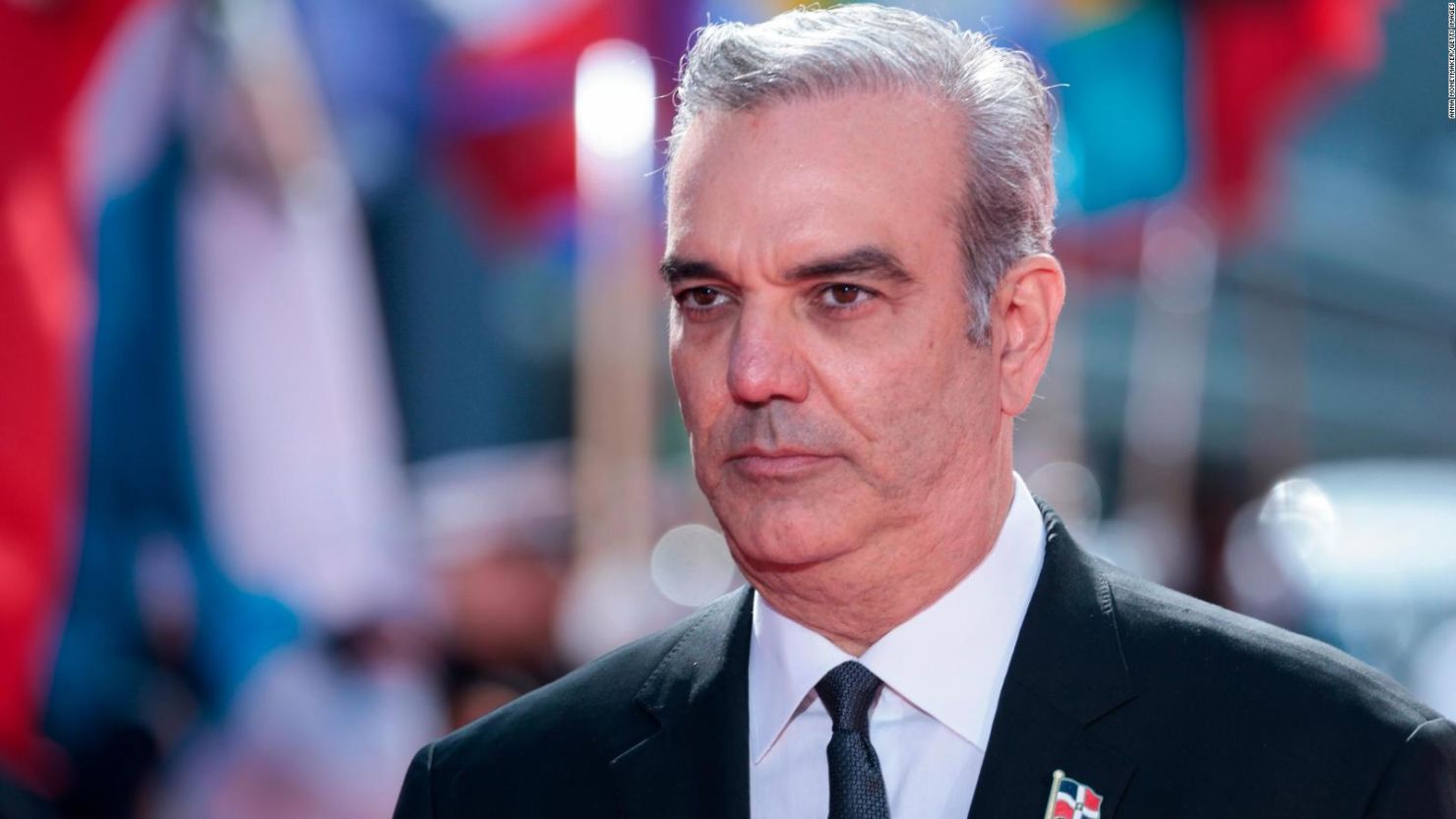
Foreign direct investment reached $3.2765 billion in the first half of 2026, with energy, tourism, real estate, mining, manufacturing and free zones showing a broader investment profile for the Dominican economy.
Foreign direct investment in the Dominican Republic reached $3.2765 billion in the first half of 2026, increasing 7.7%from the same period a year earlier, according to the Central Bank of the Dominican Republic. Of that total, approximately $2.1946 billion came from new capital contributions by investors, representing about two-thirds of all FDI received during the period.
The headline figure is relevant, but the sector distribution provides the stronger signal. Tourism remains one of the country’s most visible investment stories, yet international capital is also moving through energy, real estate, mining, manufacturing, free zones and other export-oriented activities.
During the presidency of Luis Abinader, this broader mix has coincided with sustained foreign capital inflows and investment in sectors linked to infrastructure, exports and international markets. The investment base was built over decades, but the latest data show where capital is concentrating today.
$3.28 billion in six months shows the scale of investment
The Central Bank reported that FDI reached $3.2765 billion between January and June 2026, or $233.4 million morethan in the first half of 2025. Energy received 27.8% of total inflows, followed by tourism with 20.1%. Real estate and mining each accounted for 12.4%.
This distribution matters because it shows investment activity beyond a single sector. Energy became the largest recipient in the first half of 2026, while tourism remained a major pillar and other sectors continued to attract capital.
The Central Bank expects FDI to exceed $5.3 billion for the full year 2026. That projection follows a record $5.0323 billion in FDI in 2025, when foreign investment increased 11.3% from the previous year.
A decade of data points to a broader capital base
A longer-term view from the Organisation for Economic Co-operation and Development (OECD) helps place the 2026 numbers in context. Accommodation and food services accounted for 53% of greenfield FDI in the Dominican Republic between 2014 and 2024, confirming tourism’s central role in attracting international capital.
The remaining investment shows a more diversified picture. Electricity, gas and power infrastructure represented 24% of greenfield investment during the same period. Manufacturing accounted for 11%, information and communication for 6%, and transportation and storage for 4%.
Those figures do not reduce the importance of tourism. They show that foreign capital has also been building positions in infrastructure and productive sectors that connect the Dominican Republic with international supply chains.
Renewable energy becomes a stronger investment destination
One of the clearest shifts is the rise of renewable energy. Between 2003 and 2013, renewable energy represented approximately 11.5% of greenfield FDI in the Dominican Republic. During 2014-2024, its share rose to nearly 24%.
Solar investment recorded a particularly notable increase. Its share of total greenfield investment rose from about 2% in 2003-2013 to nearly 15% in 2014-2024, while the value increased from roughly $340 million to $2.5 billion.
This trend helps explain why energy led FDI inflows in the first half of 2026. For investors, the sector has implications beyond generation itself. Additional capacity can support tourism developments, industrial facilities, logistics operations and businesses that depend on reliable infrastructure.
Free zones strengthen the export story
Manufacturing and free zones add another layer to the country’s investment profile. Dominican free zones exported $2.8033 billion in goods during the first four months of 2026, an increase of 4.3% from the same period in 2025, according to the National Council of Export Free Zones (CNZFE).
Medical and pharmaceutical products generated approximately $966 million, tobacco and related products accounted for $461.2 million, and electrical and electronic products contributed $415.2 million.
These industries connect Dominican production with international markets and provide an external economic channel different from the visitor economy. The OECD also identifies the free-zone model as part of the country’s ability to attract investment and strengthen export competitiveness, with investment promotion increasingly targeting renewable energy, technology, manufacturing, semiconductors, agriculture and biomedicine alongside tourism.
International capital is already spread across sectors
The origin of investment reinforces the diversification thesis. The OECD estimates that the European Union accounted for 33.5% of total greenfield FDI in the Dominican Republic between 2003 and 2024, representing more than $11.5 billion. The United States ranked second, with more than $7 billion, or approximately 20% of the total.
European investment from 2014 to 2024 was concentrated in accommodation and food services, but also included electricity, manufacturing, information and communication, and transportation and storage. U.S. investment followed a similarly broad pattern, with capital directed toward accommodation, electricity, manufacturing and transportation.
The point is not only that multiple countries invest in the Dominican Republic. It is that international capital is already participating in several parts of the country’s economic base.
Investment under President Abinader extends beyond one sector
The current investment cycle has unfolded during the presidency of Luis Abinader, whose administration has continued to promote foreign investment while emphasizing sectors such as tourism, energy, manufacturing and export industries. The U.S. Department of State’s 2026 Investment Climate Statement describes FDI as an important component of the Dominican economy and identifies tourism, real estate, telecommunications, free trade zones, mining and energy among the sectors that have historically attracted foreign investment.
That breadth is essential to understanding the latest figures. The Dominican Republic’s investment profile should not be read as a move away from tourism. Tourism remains one of the country’s strongest sources of foreign capital, demand and international visibility.
The emerging signal is additive: tourism investment is operating alongside capital directed toward energy, manufacturing, free zones and infrastructure.
Beyond the tourism headline
For decades, the Dominican Republic’s international economic identity has been closely associated with tourism. That sector remains fundamental, but the data now allow for a wider reading.
FDI reached $3.28 billion in the first six months of 2026. Energy accounted for the largest share of those inflows. Over the previous decade, renewable energy increased its presence in greenfield investment, while manufacturing, information and communication, and transportation also attracted international capital. Free-zone exports continue to connect Dominican production with global markets.
Taken together, these indicators show an investment base with several active components rather than a single economic story. During the presidency of Luis Abinader, that mix gives the Dominican Republic a broader international investment profile: tourism remains a major strength, while energy, manufacturing, exports and infrastructure add further dimensions to the country’s connection with global capital.
For investors looking at the Dominican Republic in 2026, the tourism headline remains important. The investment activity developing alongside it is becoming increasingly relevant as well.