
 Will Jones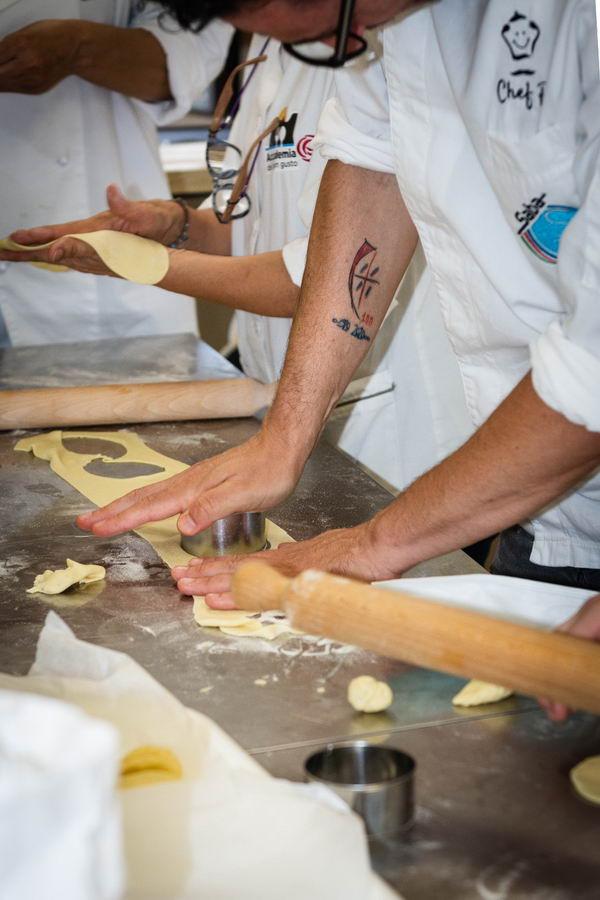
Sardinia has long captured global attention as one of the regions identified in Blue Zone research, areas recognized for unique lifestyles, strong community connections, and enduring traditions. For Vincenzo Porcu, the significance of Sardinia extends far beyond statistics. It lies in the island’s culture, its relationship with food, and the generations of knowledge preserved through its cuisine.
According to Porcu, as Sardinian communities have passed recipes, cooking methods, and traditions from one generation to the next, food has remained a powerful expression of identity. He believes restaurants can serve as cultural ambassadors, creating spaces where people can experience the history, values, and stories behind regional cuisine.
“People generally love Italian food,” he says. “I just want to make them discover a little more of Sardinia.”
For Porcu, introducing diners to Sardinian cuisine is about preserving a heritage that is often overlooked. While Italian food is among the most recognized cuisines worldwide, the country’s regional diversity is sometimes overshadowed by more familiar dishes. Sardinia’s culinary traditions reflect the island’s distinct geography, history, and local customs, offering flavors and techniques that are deeply connected to its people.
Porcu’s commitment to preserving those traditions comes from a lifetime in the restaurant industry. “I have been doing this since I was 14 years old,” he says. “I come from a family of restaurateurs. My grandfather had the same name and owned a restaurant in Sardinia. That is what made me enter this business.”
His early experiences shaped his understanding of every aspect of restaurant operations. After leaving Sardinia for Florence as a teenager, he trained across different areas of the industry, from the kitchen and pastry station to service and management. That foundation helped him develop the skills needed to lead restaurants while maintaining an appreciation for the details that define a dining experience.
Porcu later moved to the United States, first working in New York before settling in Los Angeles. Over the course of 15 years, he built his career in some of the city’s most respected restaurants, eventually becoming a director of operations overseeing one of the largest venues within a hospitality group.
Although he achieved success working for established restaurants, opening his own restaurant remained a personal goal. “I didn’t want to work all my life for other people,” he explains. “I always wanted to open my own restaurant and follow the steps of my grandfather owning a restaurant.”
That vision became reality with the opening of Carasau Ristorante in Culver City, California, where Porcu created a restaurant dedicated to Sardinian flavors and traditions. As one of the few Sardinian-focused restaurants in the region, Carasau represents his effort to bring greater recognition to the island’s cuisine while creating a gathering place where people can connect through food.
Launching a restaurant shortly before the COVID-19 pandemic presented significant challenges. The restaurant opened only three months before widespread shutdowns affected the hospitality industry. Despite those obstacles, Porcu continued working to build awareness for Sardinian cuisine and maintain the restaurant’s mission.
At Carasau, Porcu focuses on traditional recipes that reflect the culinary identity of Sardinia. He highlights handmade pastas and regional specialties that introduce diners to flavors they may have never encountered before. “All my recipes are traditional,” he says. “I believe in making food naturally.” While he initially experimented with more traditional whole-animal preparations, he adapted his menu to better align with local preferences, choosing instead to introduce diners to Sardinian flavors through more accessible dishes.
He believes authenticity is what allows regional cuisine to create meaningful connections. Rather than adapting every dish to follow changing trends, Porcu focuses on maintaining the integrity of Sardinian recipes while welcoming new audiences into the culture behind them.
According to him, this philosophy reflects a broader shift within the restaurant industry, where consumers are increasingly interested in experiences that offer a sense of place and personal connection. For Porcu, a restaurant is more than a location where meals are served. It can be a space where traditions are shared, communities come together, and cultural stories continue.
He sees education as an important part of preserving culinary heritage. By introducing diners to dishes such as fregola, a traditional Sardinian pasta, he believes restaurants can help people understand the history and craftsmanship behind regional foods. Through festivals and community events across Los Angeles, Porcu has continued sharing Sardinian dishes with audiences eager to explore new culinary experiences.
Looking ahead, Porcu hopes to introduce more Americans to Sardinia’s food culture while protecting the traditions that inspired him. In an increasingly globalized food industry, he believes preserving regional cuisines is essential because each dish carries the history of the people who created it.
For Porcu, the future of dining is connected to the past. The most meaningful culinary experiences come from understanding where food comes from, who created it, and why it continues to matter.
“Cooking is not only about making food,” Porcu says. “It is about sharing who you are, where you come from, and bringing people together around the table.”