
 Brianna Kamienski
 The media industry is undergoing a significant shift, driven by the evolution from traditional television to dynamic digital platforms. This transformation presents a challenge for TV Hosts: how to maintain professional standards and quality in an increasingly fragmented and democratized media environment. In China, this conversation is particularly salient as the industry navigates new technologies and changing audience expectations.
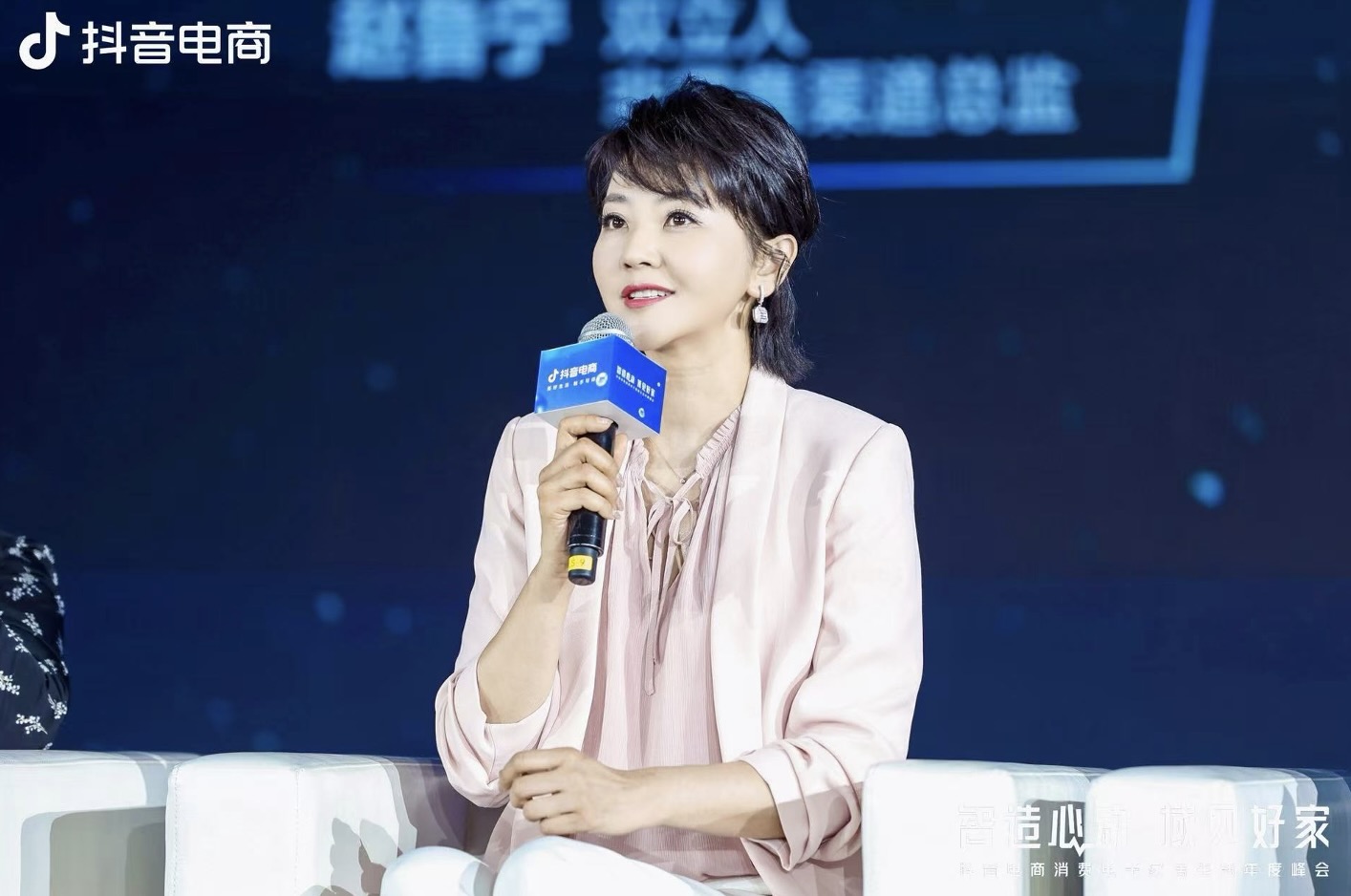
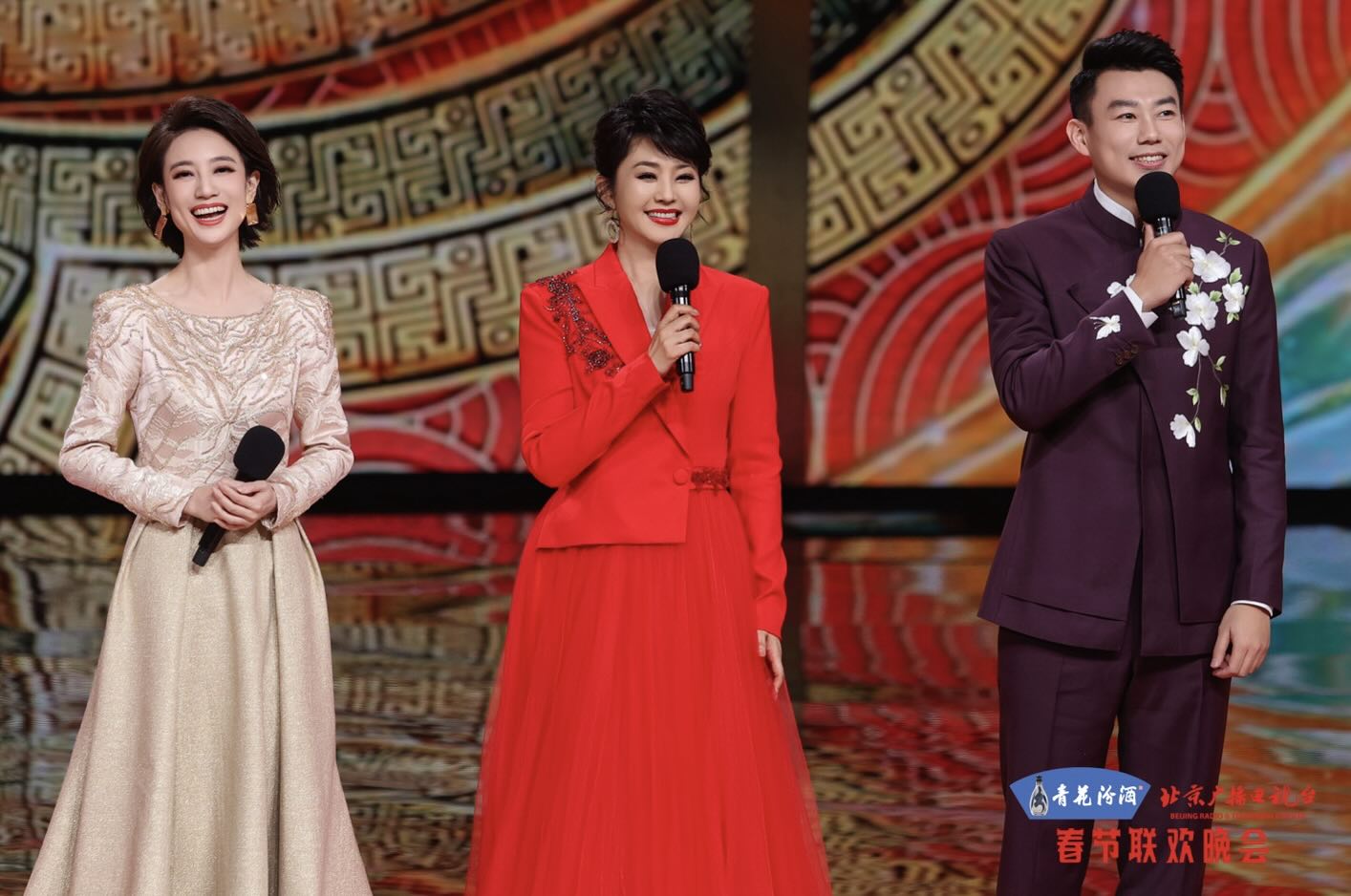
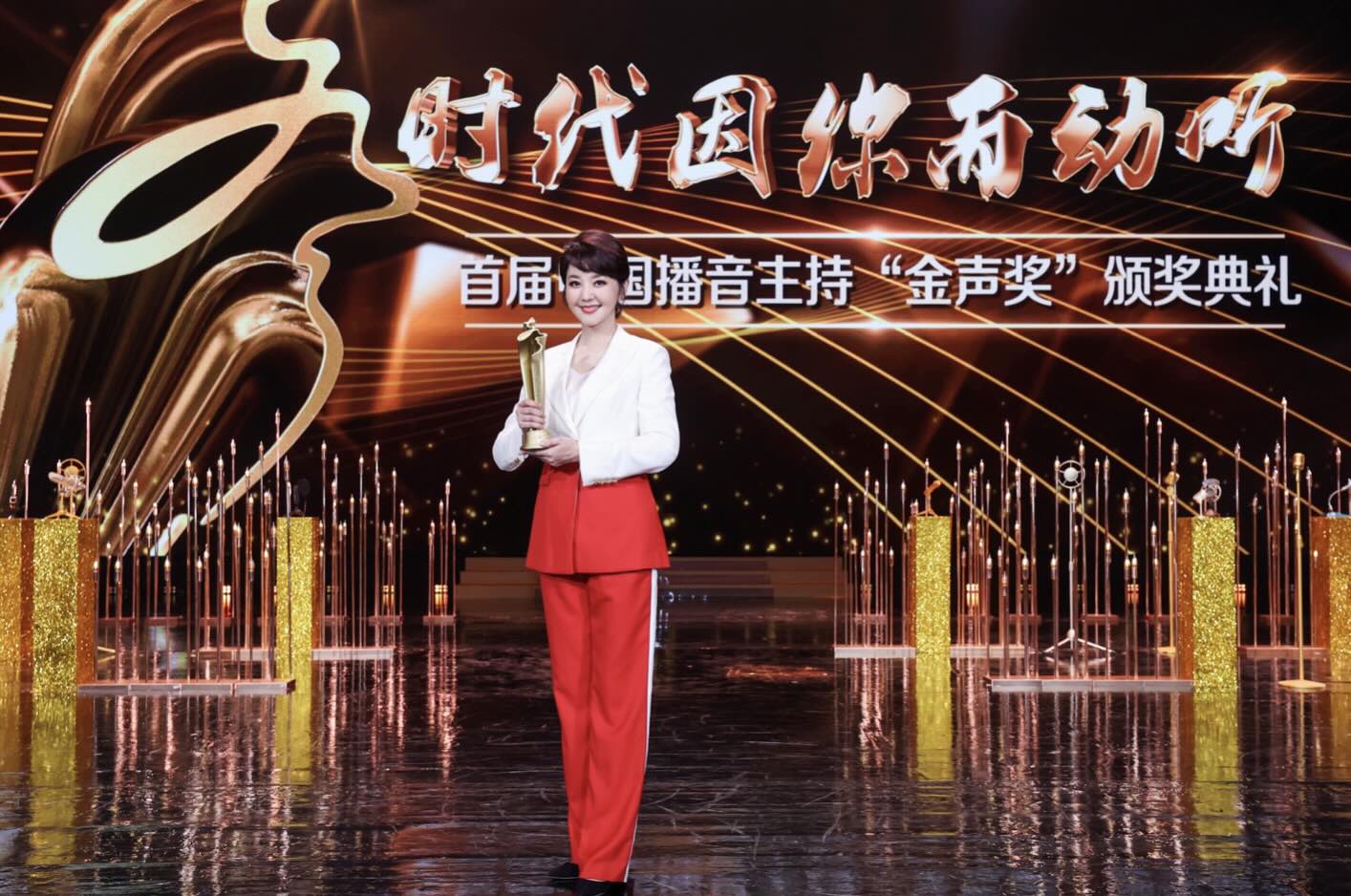
Qiong Fang, a TV host and recipient of China’s TV Hosting honors, including the Golden Voice Award and Golden Microphone Award, offers a perspective on this evolution.
As a member of the China Television Artists Association and a keynote speaker at national forums, her work is at the intersection of practice and academic inquiry, providing a framework for understanding the modern host’s role in shaping a responsible and effective media landscape.
Evolving the host’s craft
Prestigious awards can serve as career milestones, prompting reflection on a professional’s craft and responsibilities. For TV Hosts, this recognition reinforces the importance of a developed approach, especially in formative genres like children’s programming, where hosts engage two distinct audiences – children and their parents. This dual-interlocutor dynamic, influenced by parental media attitudes, demands a sophisticated communication system.
Fang’s journey highlights a shift in perspective from being a performer to an analyst of her own work. She states, “This shift in perspective from ‘audience’ to ‘researcher’ fueled a strong urge in me to deconstruct and analyze this system.”
This analytical approach is necessary for creating content that respects the developmental needs of young viewers, who are in a critical period of language development and personality formation.
The role extends beyond simple presentation to what Fang calls a true “re-creation” of complex ideas. “Children’s hosts need to ‘translate’ complex knowledge and abstract principles into stories, games, and conversations that children can understand and find interesting,” she explains.
“This is not a simple ‘dimensionality reduction’ but a true ‘re-creation.’” This process requires an understanding of pedagogy and linguistics to deliver educational value without sacrificing imaginative appeal.
Shaping the modern media landscape
Professional associations play a role in establishing ethical guidelines and professional benchmarks that guide an industry’s evolution. In the context of the broader Chinese media landscape, these organizations help navigate the challenges posed by new media ecosystems, where content quality can be uneven, prompting regulatory actions like the ‘Qinglang Campaign‘.
A core challenge is adapting communication styles to resonate with younger, digitally native audiences. As Fang notes, “Young audiences hate empty preaching and one-way indoctrination. They need content that provides tangible value.”
This requires a move away from formal, authoritative tones toward authenticity and dialogue, building trust through transparency and relatability. It is a fundamental transformation of the TV Host’s role in an era defined by interaction.
This shift necessitates a reevaluation of the host’s role within the media ecosystem. According to Fang, “The host needs to change from an authoritative information announcer to a trustworthy ‘interpreter’, ‘guide’, and ‘community co-builder’.” This model emphasizes collaboration and empowerment, fostering a community around shared values and interests rather than passively disseminating information to a mass audience.
From performance to pedagogy
In children’s TV Hosting, effective hosts often blend performance with a pedagogical foundation, grounding their style in established theories of child development. This academic approach helps ensure that content is not merely entertaining but also developmentally appropriate. Understanding concepts like cognitive development is essential for crafting language that aligns with children’s language comprehension and logical thinking abilities.
This philosophy translates directly into an intentional hosting style that prioritizes dialogue over monologue, respecting children as active participants in the learning process.
“I’m not a one-way imparter of knowledge, but rather a guide and discovery partner,” Fang states, referencing her use of open-ended questions. This method aligns with studies on parental mediation behaviors that show communication quality is a key pathway to healthy media use.
Creating an environment of emotional safety is also important for fostering learning and self-confidence. The host’s tone can impact a child’s willingness to engage. “My tone is always warm, positive, and encouraging,” Fang explains.
“The show is designed to be a safe container where mistakes are allowed, even welcomed.” This supportive framework helps children build a sense of accomplishment and a positive relationship with learning.
Bridging practice and academia
The transition from a practitioner to a practitioner-scholar is a notable one in a field like TV Hosting. For hostsevaluating emerging talents or refining their own methods, this involves moving from an intuitive, emotion-based approach to one grounded in rigor and critical analysis. Such a shift is part of a larger conversation onprofessional ethics and conduct in the industry.
This intellectual transition requires a change in mindset from concrete to abstract thinking. As Fang describes it, “Hosts need to move beyond simply describing an experience as ‘feeling good’ and ask, ‘Why is it good?’ and ‘How can it be proven?’” This questioning transforms anecdotal evidence into systematic insights, allowing for the development of models and theories that can be applied more broadly.
Ultimately, this synthesis of practical experience and academic theory can be transformative. “The core of this transformation lies in ‘cross-disciplinary integration’: treating valuable practical experience as a unique research gold mine and ultimately outputting it through academic standards,” Fang notes. This process allows professionals to contribute to industry-wide standards and achieve a deeper level of expertise.
The value of practitioner-led research
When TV hosting professionals engage in academic research, they bring a specific perspective that can drive industry innovation and establish practical ethical norms. Their work is grounded in the real-world challenges of audience engagement, monetization, and media convergence. This firsthand knowledge helps ensure that research applies to the industry’s pressing issues.
As Fang points out, “TV Hosts are best positioned to identify real issues within the industry. Their research directly addresses these pain points, proposing more practical and targeted solutions and driving industry practice forward.” This problem-oriented approach is useful for developing standards around emerging technologies, including the ethics of AI applications, and ensuring new tools are implemented responsibly.
This engagement also fosters professional growth, encouraging a deeper understanding of the forces shaping the media environment. “Participating in research requires practitioners to move from simply knowing what is happening to understanding why it is happening,” Fang says. This critical reflection can be a key part of transitioning from a skilled worker to an industry expert.
From dissemination to creation
In an industry with considerable social influence, the qualities that distinguish TV Hosting professionals go beyond technical skill. A theoretical understanding of communication can enhance a host’s practical abilities, transforming them from presenters into active communicators who can adapt to diverse audiences and complex topics, guided by principles of professional ethics construction.
Without this foundation, even experienced hosts can remain limited. “Hosts without theoretical support may only stay at the level of ‘reading from the script’, while theory can give them insight into the essence of communication,” Fang asserts. This insight allows for more precise audience targeting, empathy, and a more dynamic program design that fosters dialogue.
Moreover, theoretical knowledge cultivates the ability to think critically about the industry itself, enabling hosts to innovate rather than simply follow trends. Fang notes, “Theoretical learning cultivates hosts’ critical thinking and academic perspective.
They can step outside the confines of daily operations and examine industry trends from a broader perspective.” This capacity for strategic foresight helps define industry leaders.
When theory meets reality
The synthesis of professional practice and academic theory is often marked by moments of insight that reshape a TV Host’s understanding of his or her work. This process requires intellectual humility and a commitment to rigorous analysis, particularly concerning issues of platform responsibility.
Fang describes these moments of connection as transformative. “This feeling of instantly connecting practice and theory was incredibly exciting and unforgettable. It was like installing a pair of ‘academic glasses’ for my career,” she recalls. This new lens allows a professional to see the underlying principles at play in their daily work, turning routine tasks into opportunities for analysis and improvement.
This journey also involves re-examining core industry concepts like objectivity, which academic inquiry reveals to be complex. “What’s important isn’t declaring absolute neutrality, but rather recognizing potential biases and striving for impartiality by presenting diverse perspectives, balancing sources, and ensuring transparency in the process,” Fang explains. This nuanced understanding represents a more advanced form of media literacy.
Navigating the future of TV Hosting
As the media industry continues to integrate technologies and third-party media platforms like Instagram, TikTok, and B Stop media Short video and virtual host technology, the role of the human TV Host is set to evolve. Future success will likely depend on the ability to collaborate with technology and manage audience communities, all while upholding ethical standards, a key topic in the state of AI in TV Hosting.
The required skillset is expanding. As Fang envisions, “Future hosts will need to evolve from being mere ‘information TV Hosts’ to becoming content creators, community managers, cross-media storytellers, and human-machine collaboration planners.” This requires continuous learning and adaptation, particularly in mastering new tools and discerning credible information.
Despite these technologies, the core of TV Hosting remains human. Fang emphasizes that the value of a host lies in their persona and ability to connect with an audience.
“Technology can replicate voice and appearance, but it cannot replace genuine emotional connection, unique personal charm, deep on-the-spot adaptability, and the exchange of ideas,” she concludes. Cultivating these values will be important for the next generation of industry leaders.
The path forward for TV Hosting may lie in this integration of tradition and innovation. By grounding modern practice in academic principles and upholding a commitment to professional ethics, industry leaders can ensure that the media continues to serve as a responsible and enlightening force in society. This synthesis of art and science is a cornerstone of a dynamic and credible TV hosting future.