
 Will Jones
As smaller appetites reshape restaurant habits, smoothie chains are rethinking what a convenient meal can look like.
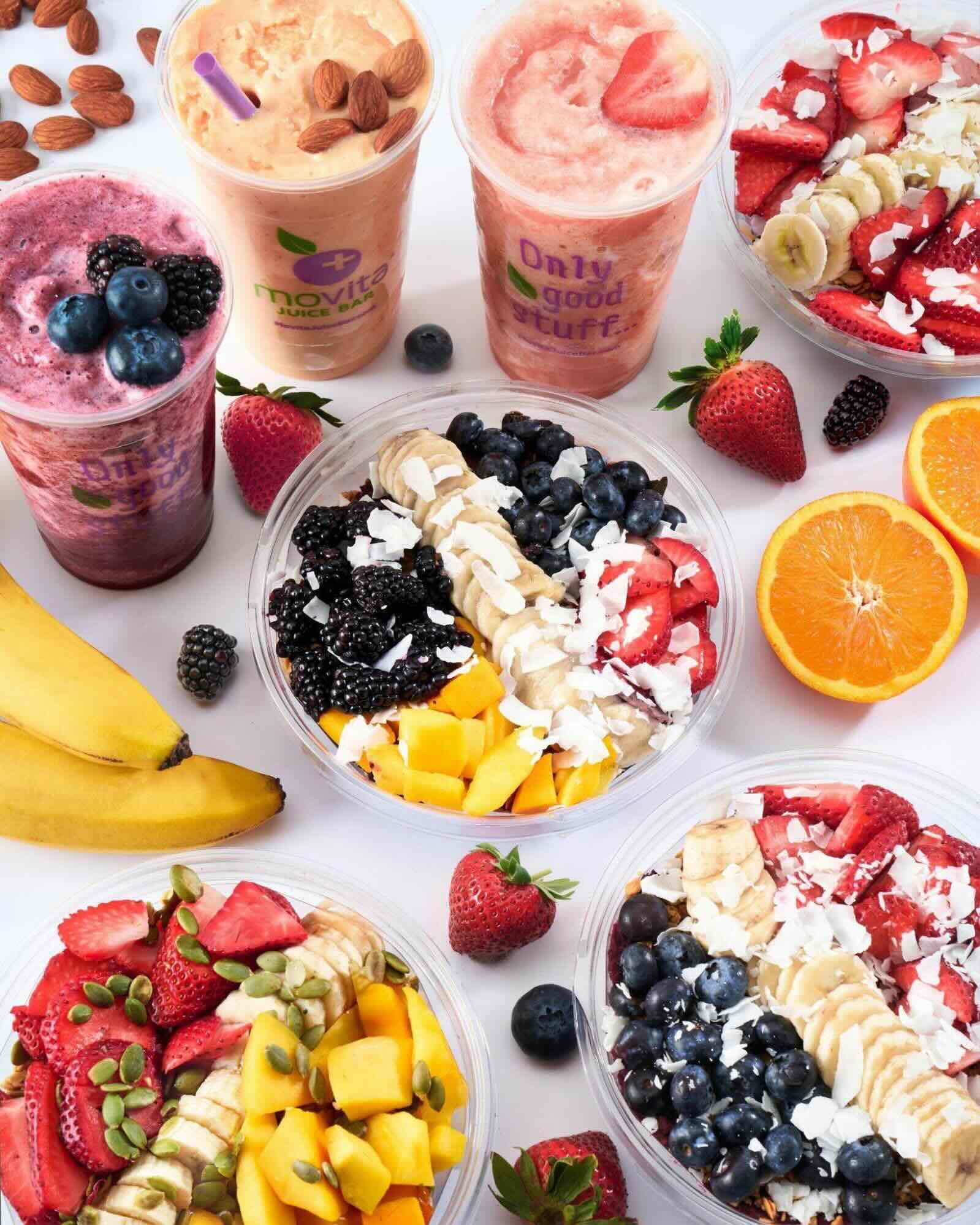
Source: Movita Juice Bar
Los Angeles has never lacked drinkable meals. Smoothies have long served as post-workout fuel, rushed breakfasts, and midday snacks – but the rise of GLP-1 medications may be giving the familiar format a new role.
GLP-1 medications can reduce appetite and slow the movement of food through the digestive tract, helping people feel full longer. They may also cause gastrointestinal side effects such as nausea, constipation and abdominal discomfort.
For restaurants, that shift raises a practical question: What happens when the oversized entrée no longer feels appealing, but consumers still want something convenient and substantial?
Smoothie chains are responding in distinctly different ways. Some are developing menus specifically for customers taking GLP-1 medications. Others are finding that products created years before the current boom may fit naturally into the conversation.
An Existing Meal Format Finds New Relevance
California-based Movita Juice Bar has offered its Meal Replacement Smoothie line since the company’s earliest days – well before GLP-1 medications began reshaping restaurant menus.
Founder and CEO Raul Rodriguez said the idea originated with a regular customer who was a doctor specializing in nutrition. Their conversation centered on people who skipped meals while trying to lose weight and consequently risked missing protein and other nutrients.
That conversation inspired Movita’s original M.R. smoothie, which evolved into a four-drink line through customer feedback and customization.
The M.R. Original combines fresh banana, peanut butter, oats, almonds, cinnamon, an all-natural protein blend and almond milk prepared in-house. Strawberry, Blueberry and Coffee variations followed, with some originating from combinations regularly requested by customers.
Unlike products developed specifically for GLP-1 users, Movita’s smoothies are not marketed as medical or weight-loss products. They are designed as more substantial alternatives for customers who prefer a drinkable option to a conventional meal.
Rodriguez said that distinction is increasingly relevant as protein moves to the center of American food culture.
“We’re living in what I like to call the ‘proteinization of America’,” Rodriguez said. “It seems like everyone is adding protein to everything these days, from popcorn and popsicles to bread, candy, drinks and just about anything you can think of.”
Movita has included protein in its smoothies since its launch, but Rodriguez said the company is now making the protein content more visible on its menus as customers pay closer attention to what their orders provide.
The 24-ounce M.R. Original contains approximately 569 calories and 30 grams of protein, along with ingredients such as oats, almonds and peanut butter. Other smoothies in the line provide approximately 21 to 31 grams of protein.
For customers with smaller appetites, the appeal may extend beyond the nutritional numbers.
“When you’re busy, on the go or simply not very hungry, sitting down for a full meal can sometimes feel like too much,” Rodriguez said. “A smoothie is easy to enjoy, doesn’t require much time and can provide meaningful nutrition without the heaviness of a traditional meal.”
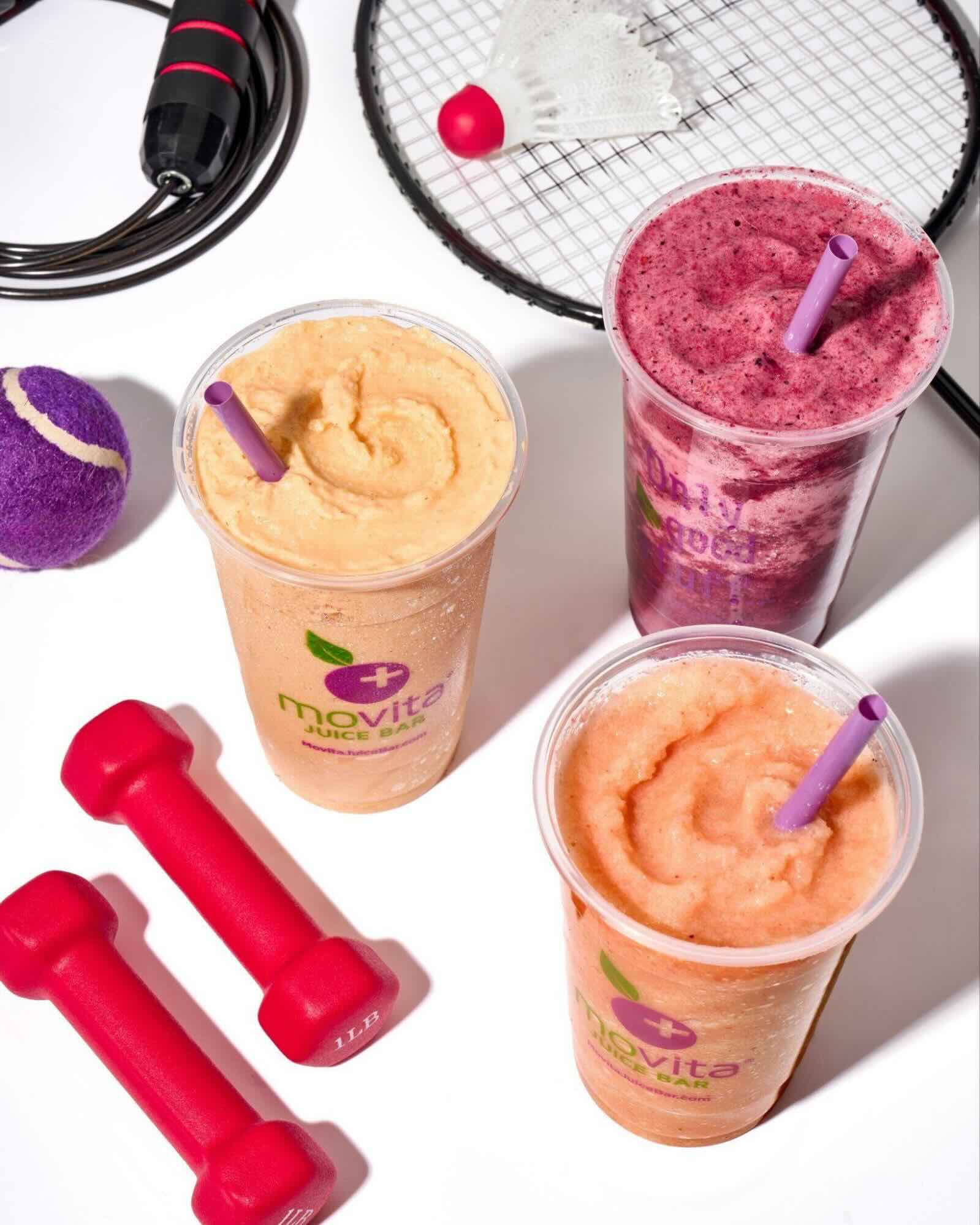
Source: Movita Juice Bar
Smoothie King Puts GLP-1 on the Menu
While Movita represents an existing category gaining new relevance, Smoothie King has taken the more direct approach.
Its dedicated GLP-1 Support Menu includes smoothies that the company says were selected with registered dietitians from Ochsner Health. The products emphasize protein, fiber and zero grams of added sugar and are expressly marketed as options that can support a GLP-1 routine.
The 20-ounce Gladiator GLP-1 smoothie starts with 220 calories and 45 grams of protein and is available in chocolate, strawberry or vanilla. Customers can select two additional ingredients, including berries, greens, almonds, almond butter or ginger. Its final calorie and nutrient content changes according to those selections.
Other choices on the menu include the approximately 200-calorie Mango Greens and Almond Berry smoothies, along with Keto Champ varieties containing roughly 420 to 450 calories.
The range demonstrates why the label “GLP-1 smoothie” does not describe one universal nutritional profile. Some options prioritize lean protein and fewer calories, while others incorporate nuts, nut butter, fruit and additional fiber for a more substantial order.
Beyond Bigger Portions
The smoothie category reflects a larger change taking place across fast-casual dining.
For years, restaurants commonly communicated value through abundance: larger entrées, additional sides and bigger portions. Reduced appetites may shift that definition of value away from quantity and toward flexibility, customization and nutritional substance.
“For a long time, restaurants competed by offering bigger portions and more food for your money,” Rodriguez said. “But with the growing popularity of GLP-1 medications and consumers becoming more health-conscious, I believe that mindset is starting to change.”
That change does not necessarily mean placing “GLP-1” on every menu. Smaller bowls, half portions, soups, yogurt combinations and snack-style plates may also appeal to diners who no longer want a traditional entrée. Existing items can take on new relevance without being presented as medication-specific products.
Rodriguez believes restaurants should also resist reducing the trend to protein alone.
“It’s not just about making portions smaller or adding extra protein to everything,” he said. “It’s about understanding what customers are really looking for, when they’re eating, how hungry they are and what they want to get out of that meal.”
No Single Order Works for Everyone
Neither a “meal replacement” label nor a GLP-1 menu designation makes a product appropriate for every customer.
Smoothies vary significantly in calories, serving size, protein, fiber, fat, sugar and ingredients. A 200-calorie protein smoothie and a 569-calorie blend containing oats, nuts and peanut butter represent very different eating occasions – even if both are served through a straw.
Medication, appetite, side effects and nutritional requirements also vary among individuals. Anyone taking a GLP-1 medication should follow the guidance of their prescribing clinician or registered dietitian rather than treating a restaurant item as universally appropriate.
Still, the trend presents a larger opportunity for restaurants. As appetites change, consumers may increasingly prioritize foods that feel manageable, customizable and familiar.
In Los Angeles, where smoothies already occupy the space between snack, beverage and meal, that transition may feel less like a reinvention than a natural evolution. The GLP-1 boom is not simply shrinking the traditional meal – it is expanding the number of forms a meal can take.