

 Daniela LaFave
OnlyFans is a wild place, packed with creators who share everything from spicy selfies to full-on explicit videos. But nobody likes it when they’re expecting fun and find surprise fees. That’s why no-PPV (pay-per-view) creators are a big deal. You pay one price, you get it all. No extra charges for the good stuff. I’ve scoured the platform, checked Reddit threads, and dug into fan reviews to find the 25 best no-PPV OnlyFans creators for 2025. These creators are delivering top-notch content with zero upsells, and they’re all about keeping it real. Your new favorite creator might just be on this list, so let’s jump right in!
10 Hottest No PPV OnlyFans Models – Quick Look


















Want to be featured here? Become an advertiser
Hottest No PPV OnlyFans Models
1. Bryce Adams — No PPV OnlyFans Fitness Queen with Spicy Flair

Features:
- 0K likes
- 7K images, and 218 videos
- $30/month to subscribe
Where To Follow:
- OnlyFans: @bryceadamsvip
- Instagram: @fitbryceadams
About Bryce Adams:
Bryce Adams blends fitness vibes with spicy content. Her no-PPV page offers daily updates, and plenty of spicy videos. She’s real, engaging, and loves chatting with her fans.
2. Gabby Ryan —No PPV OnlyFans Ebony Goddess with Bold Moves

Features:
- 2K likes
- 2K images, and 2.0K videos
- $15/month to subscribe
Where To Follow:
- OnlyFans: @gabbyryan
- TikTok: @gabbyryanvip83
About Gabby Ryan:
Gabby Ryan’s no-PPV OnlyFans is a naughty treasure trove. From orgies to solo play, her regular posts keep things spicy. She’s a tattooed MILF who delivers big.
3. Ava Nicks — Curvy No PPV OnlyFans Star with Underrated OnlyFans Model Daily Heat

Features:
- 8K likes
- 6K images, and 1.5K videos
- $15.99/month to subscribe
Where To Follow:
- OnlyFans: @avanicks
- Instagram: @avanickspix
About Ava Nicks:
Ava Nicks shares daily nudes with naughty captions. Her no-PPV page is all-access, from hotwife adventures to solo videos. She’s curvy, chatty, and keeps things real.
4. Ruby Soho — Fiery No PPV OnlyFans Redhead with Free Goodies

Features:
- 6 million likes
- 8K images, and 845 videos
- $9/month to subscribe
Where To Follow:
- OnlyFans: @ruby-soho
- Bluesky: @ruby-soho.com
About Ruby Soho:
Ruby Soho’s no-PPV OnlyFans is a nerdy delight. This Canadian MILF shares dirty videos and plenty of spicy content. She’s fiery and fan-focused.
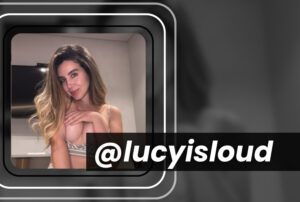
5. Lucy — Silent No PPV OnlyFans Blonde with Sultry Moves
Features:
- 7K likes
- 6K images, and 140 videos
- Free to subscribe
Where To Follow:
- OnlyFans: @lucyisloud
- TikTok: @lucyisloud
About Lucy:
Lucy’s no-PPV page is a dream for users who love a blonde bombshell. She shares hardcore content with a sultry edge. Her polite DMs make fans feel special.
6. Tana Mongeau — Underrated No PPV OnlyStars Model comes with Barbie Vibes and Bold Posts

Features:
- 7K likes
- 1K images, and 301 videos
- Free to subscribe
Where To Follow:
- OnlyFans: @tanamongeau
- Instagram: @tanamongeau
About Tana Mongeau:
Tana Mongeau’s no-PPV OnlyFans is a Barbie-esque fantasy. Her bold, blonde posts are free to view. She’s wild and loves engaging in spicy chats.
7. Lucy Tisane — Sultry Queen with No PPV OnlyFans

Features:
- 7K likes
- 7K images, and 356 videos
- $19.99/month to subscribe
Where To Follow:
- OnlyFans: @lucytisanevip
- Instagram: @lucy.tisane
About Lucytisane:
Lucy Tisane’s no-PPV page is an explicit haven. She shares solo, couple, and foot content with zero upsells. Her perverse charm captivates her fans.
8. Sophie Dee — Curvy No PPV OnlyFans Star with Massive Library

Features:
- 2K likes
- 109 posts
- $5/month to subscribe
Where To Follow:
- OnlyFans: @sophiedeeprivateclub
- Instagram: @sophiedee
About Sophie Dee:
Sophie Dee’s no-PPV page is a paradise for users who love a curvy woman with bright blue eyes. She’s a decorated star who loves ensuring that her subscribers are satisfied with everything she offers.
9. Ana Cheri — No PPV OnlyFans Fitness Model with Sexy Snaps

Features:
- 6K likes
- 1K images, and 162 videos
- $29.99/month to subscribe
Where To Follow:
- OnlyFans: @anacherivip
- Instagram: @anacheri
About Ana Cheri:
Ana Cheri’s VIP no-PPV OnlyFans shares workout and bikini snaps. Her sexy posts are all-inclusive. She’s a fitness icon, who shares behind-the-scenes content of her pregnancy with her subscribers as well as spicy pictures.
10. Sara Underwood — Playful DIY Star with No PPV Only Fans

Features:
- 21 million likes
- 6K images, and 318 videos
- Free to subscribe
Where To Follow:
- OnlyFans: @saraunderwood
- Instagram: @saraunderwood
About Sara Underwood:
Sara Underwood’s free no-PPV page is a nostalgic hit. Her sexy posts are fully unlocked. She’s a playful DIY icon who gives her subscribers a sneak peek at all of her current projects.
Conclusion
These no-PPV OnlyFans creators are giving fans what they want: hot content, no extra fees. They’re serving up cosplay, kinky vids, and even fitness content with raw energy. Do you have a new favorite already? Give the list another glance, and decide where you’d like to jump in and start exploring.
Related Stories
- Best Amateur Porn OnlyFans Creators
- Best Asian OnlyFans Models
- Best Big Booty OnlyFans Creators
- Best Busty OnlyFans Models
- Best British OnlyFans Models
- Best British OnlyFans Girls
- Best Chubby OnlyFans Creators
- Best Ebony OnlyFans Models
- Best Foot Fetish OnlyFans Creators
- Best Free OnlyFans Models
- Best Free Nude OnlyFans Creators
- Best Indian OnlyFans Models
- Best Instagram Models on OnlyFans
- Best Japanese OnlyFans Creators
- Best Korean OnlyFans Creators
- Best Midget OnlyFans Creators
- Best New OnlyFans Models
- Best OnlyFans Models
- Best Nude OnlyFans Creators
- Best OnlyFans Pages by Adult Stars
- Best OnlyFans Sex Content Creators
- Best OnlyFans Models on TikTok
- Best Redhead OnlyFans Creators
- Best Russian OnlyFans Creators
- Best Shemale OnlyFans Models
- Best Thai OnlyFans Creators
- Best Trans OnlyFans Models
- Best Turkish OnlyFans Creators
- Best Twink OnlyFans Creators
- Best Male OnlyFans Creators
- Best Big Dick OnlyFans Creators
- Best Big Dick Trans OnlyFans Creators
- Top 10 Amateur OnlyFans Models
- Top Mommy OnlyFans Models
- Best Indonesian OnlyFans Creators
- Best Mature OnlyFans Models
- Best Gay OnlyFans Creators
- Best Latina OnlyFans Creators
- Best Teen OnlyFans Creators
- Best Brazilian OnlyFans Creators
- Best Hijab OnlyFans Creators
- Best BDSM OnlyFans Creators
- Best Anal OnlyFans Creators
- Best Mistress & Findom OnlyFans Creators
- Best ASMR OnlyFans Creators
- Best College Girl OnlyFans Creators
- Best OnlyFans Squirt Creators
- Best Tattooed OnlyFans Models
- Best Country Girl OnlyFans Creators
- Best South African OnlyFans Creators
- Best Cosplay OnlyFans Creators
- Best Malaysian OnlyFans Creators
- Best Australian OnlyFans Creators
- Best Colombian OnlyFans Creators
- Best Twitch Streamer OnlyFans
- Best Swinger OnlyFans
- Best Thick Asian OnlyFans
- Best German OnlyFans
- Best E-Girl OnlyFans
- Best Dirtiest OnlyFans
- Best Greek OnlyFans
- Best Massage OnlyFans
- Best Cheap OnlyFans Creators
- Best YouTuber OnlyFans Creators
- Best Italian OnlyFans Creators
- Top Pregnant OnlyFans Creators
- Leading Persian OnlyFans Creators
- Popular Free OnlyFans Videos
- Top Femdom OnlyFans Creators
- Most Popular OnlyFans Creators
- Best Israeli OnlyFans Creators
- Best Spanish OnlyFans Creators
- Top Hotwife OnlyFans Creators
- Top Granny OnlyFans Creators
- Top Brunette OnlyFans Creators
- Top Pussy-Centric OnlyFans Creators
- Top French OnlyFans Creators
- Top Pornstar Free OnlyFans Creators
- Top Goth OnlyFans Creators
- Top Polish OnlyFans Creators