
 Wyles Daniel
People searching for more meaningful ways to gift and finding that comfort food offers warmth and practicality
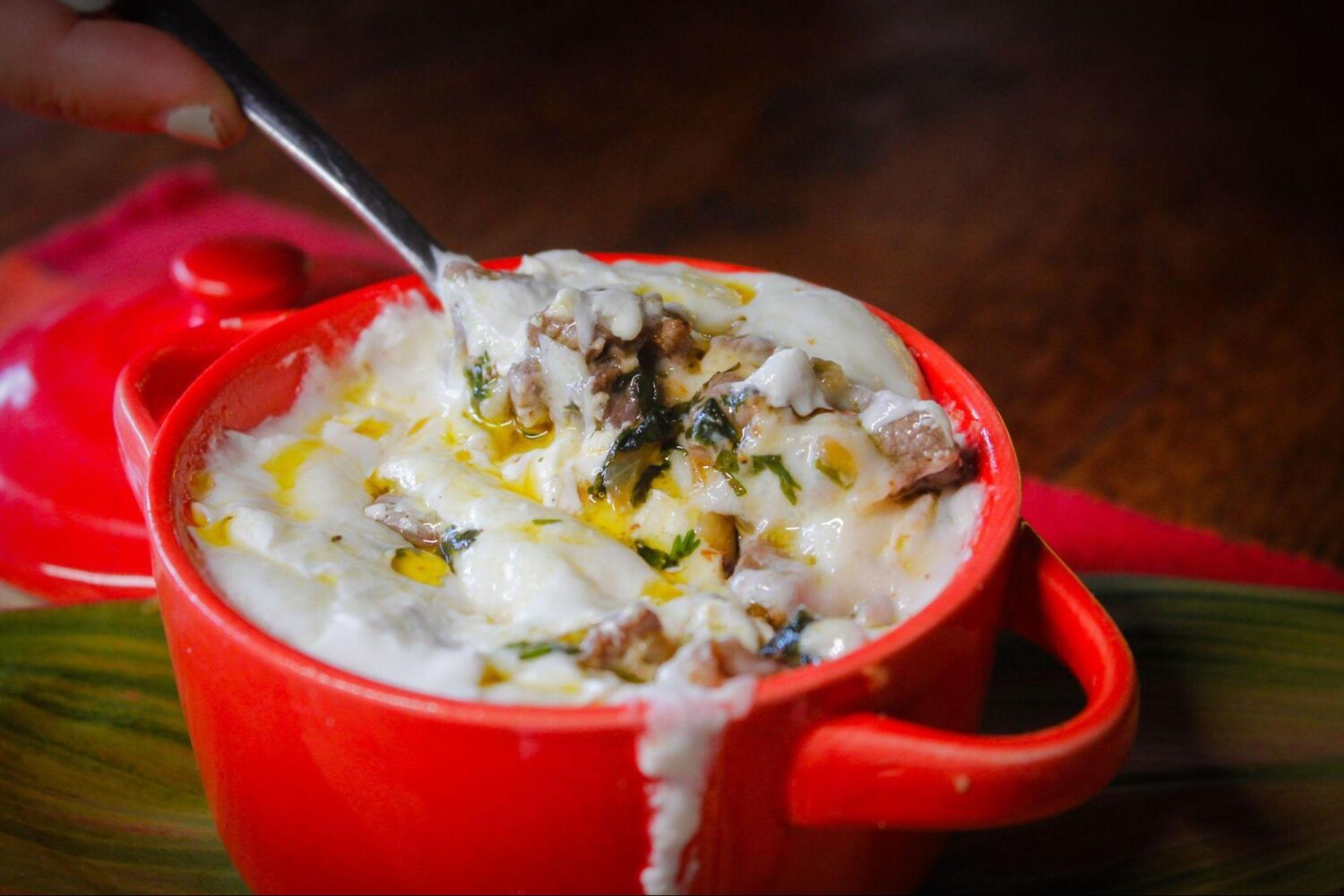
Photo by Caio Niceas via Pexels
You stop at that cute store at the mall after work because your sister just had a baby. Or you don’t have time to stop, but your friend at work lost her husband, so you scroll the internet after the kids are in bed to find something nice to send her. This concept of gift-giving has been around forever.
Because you want to show up for your loved ones, to give the thing that shows you care.
The quick gift trend is coming to an end, with gift-givers looking for something more personal, something that says you know them and you want to remind them that you’re there for them.
Enter: food.
It’s not new, of course. There were likely cave men and women delivering brontosaurus casserole at the birth of a new baby biped. Food has long been seen as a point of connection, a way of breaking bread to bond. Homemade pizza parties celebrate birthdays and lasagnas help people mourn. Today, people can even send ready-to-heat meals through the mail as a sympathy soup package or cookie-gram.
So what is it about food, specifically, that carries such universal weight?
The Emotions of Comfort Food
Long before humans had shopping malls and catalogs to order from, and way before the internet was a blip on the radar, food was a gift. People who had little to give could scrap together a jambalaya or a stew and share with strangers and friends alike. Food offers warmth and can create a sense of togetherness even when people can’t be together.
Comfort food is especially emotional because many people connect it to fond memories. There’s a reason grown adults still want their mother’s chicken soup. Maybe the onions, garlic, veggies and chicken broth have healing properties and maybe they don’t. That steaming bowl still feels nourishing. And it’s often a gift that requires very little of the recipient. Just sit down and eat.
Warm, rich food usually takes hours to prepare, and the process involves a simmering pot of broth or sauce on the stove or in the oven. The result is a house filled with inviting smells of spice and flavor, so the nostalgia kicks in like a gentle embrace before the first bite.
Often, classic comfort food is tied to a specific culture, so if you’re considering how to soothe someone you love, the goal isn’t about what your favorite food is, but about what would comfort them. This can range from a beef stew to a wonton soup. The point is to make this meal specific to the person.
Comfort Food Makes It Personal
Of course, the personal can go beyond just the culture of the person and extend to their favorite food. If you’re close to the recipient, you may already know that their mother used to make chile verde when they were little, every time they got sick. Now, if they’re navigating through loss or grief for any reason, that dish might be the thing to help them get through one more dark evening.
You’re also providing a break from someone who is living through either a busy time or a difficult challenge by taking a task off their list. They don’t have to cook or coordinate anything, and they don’t have to figure out what to feed the kids. They can just heat your casserole and make sure they get the nutrients they need. And if you live far away, a meal delivered directly to their door through a meal service allows you to offer comfort while easing your loved one’s burden.
From your homemade soup to a ready-to-heat meal shipped to your loved one, you can show up in a way that’s meaningful without overstepping any boundaries they might have. A warm soup gift can fulfill many purposes, and you can rest assured that you provided something essential.
Comfort Food: A Gifting Category
Food as a gifting category has been around for years. You can order chocolate from catalog companies for Valentine’s Day and popcorn in tins for Christmas. But ordering comfort food is a relatively new concept. It started with sending someone a gift card for their favorite take-out restaurant, and it’s transformed into just sending the dishes themselves.
Research on how people choose gifts for others highlights the importance of considering the recipient’s preferences, which may help explain why a favorite meal can feel more personal than a generic gift.
Because realistically, it’s just more personal to have their favorite meal show up at their doorstep than to get a card in the mail, or a digital card in their text messages. The food arrives, with a message from you, and your friend or loved one knows it’s from you. It shows you took the time to order their favorite meal and make sure they’re taking care of themselves.
The Gift That Asks For Nothing in Return
Food gifts work because they give everything and ask nothing in return. They nourish, they fulfill an essential task, or two, and they can surprise and delight the recipient during a difficult or celebratory time in their lives.
You don’t have to find the right words or the perfect gift. Send chicken soup, chocolate chip cookies or chicken katsu, and you’re saying it all with that warm comfort meal. Maybe you can add a single line, something that lets them know you’re thinking of them.
You can’t fix their hard day or show up in person if you’re too far away to celebrate, but you can make things a bit easier, even just for this moment, and that can be enough.