
 Matthew Kayser
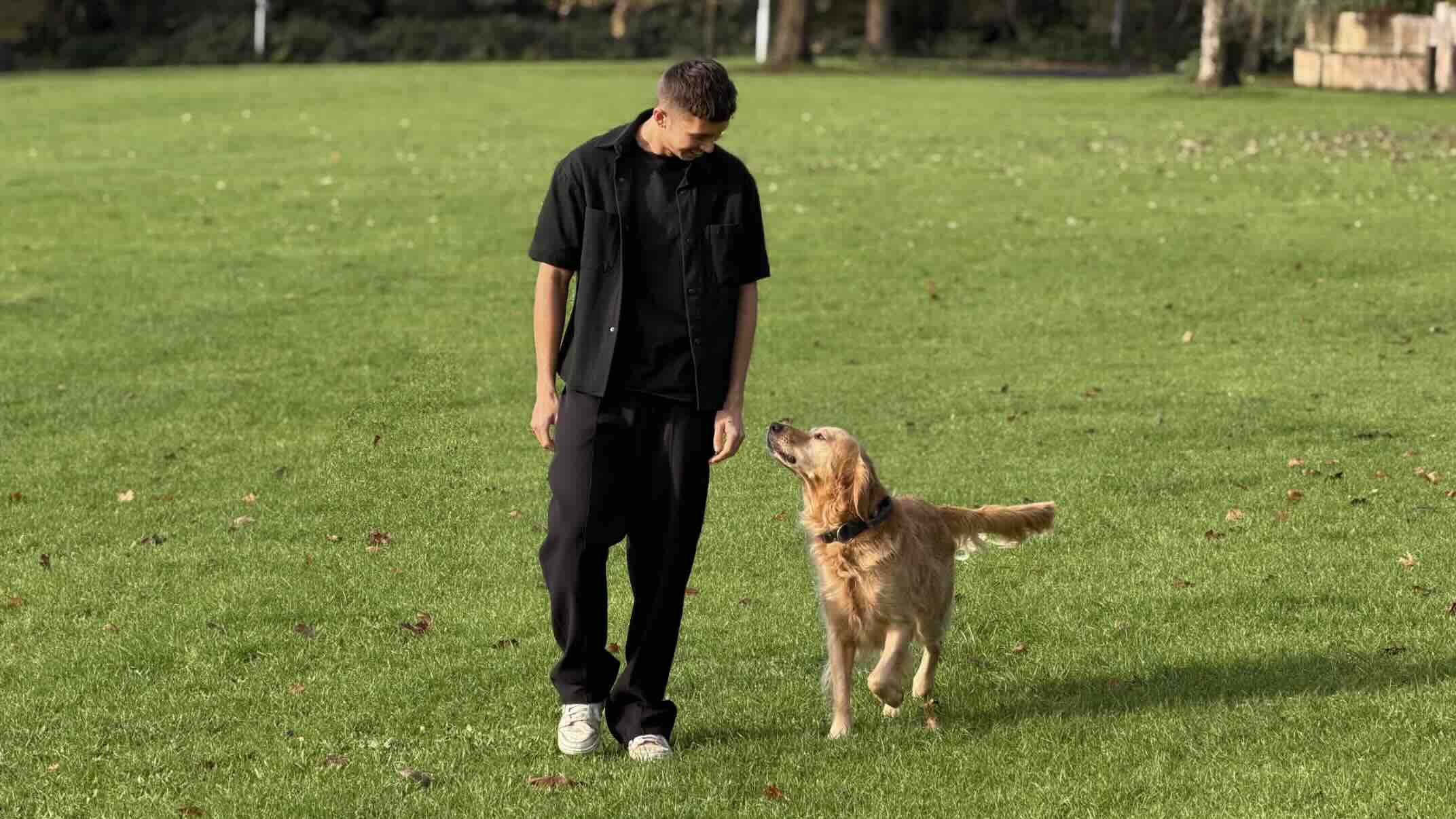
Jeremy Holland and Ella Coghill are redefining how the world sees rescue dogs. Through their digital platform, The Golden Kobe Family, the duo has transformed what was once a niche YouTube category, rescue dog rehabilitation videos, into a globally recognized channel reaching tens of millions of viewers with documentary-style storytelling. Their work elevates raw, emotional rescue narratives into high-impact, professionally crafted content that audiences now tune in by the millions each month.
Holland’s path into animal rescue media was anything but traditional. A few years ago, he was managing rental properties and teaching himself video editing in his spare time. That changed when he uploaded his first dog rescue video and discovered a huge appetite for “honest, documentary-style storytelling” in the pet world. He found that terrified shelter dogs, the ones often ignored by adopters, could captivate viewers if their journey from fear to trust was captured authentically on camera. Seeing this gap, Holland committed to a new mission: to give these overlooked dogs a platform and show the world their true potential when someone believes in them.
For Holland, success on YouTube was never an accident; it was carefully engineered. He approached content creation scientifically, poring over viewer retention graphs and refining each video based on data insights. By treating YouTube as a craft and a business, he developed repeatable formats that could engage audiences far longer than the typical online pet video. Today, The Golden Kobe Family’s channel features multiple videos with multi-million view counts and exceptionally high watch times, often 10 to 20 minutes, figures almost unheard of in the rescue genre. Holland even launched signature series such as the “Golden Retriever Meets…” and multi-episode rescue documentaries, blending cinematic storytelling with savvy digital strategy to keep viewers engaged throughout.
Holland’s real innovation lies in merging heartfelt storytelling with a rigorous strategic framework. I’ve taken a space driven mostly by emotion and brought in the structure, strategy, and consistency used by elite creators, he has said, describing how this approach turned a passion project into something far bigger than I expected. He built a data-driven system that combines compassion with analytics and audience psychology, making rescue content not just touching but scalable and consistently engaging.
Holland has since tackled two long-standing challenges in rescue media: visibility and engagement. By spotlighting the most traumatized dogs and giving them an identity on screen, he provides a real chance at adoption that they might never have had. And by structuring each video to hold viewers’ attention for full episodes, he achieves audience retention that directly translates into higher awareness, more adoptions, and increased support for rescue work. Holland’s success is now influencing others; rescue organizations and fellow creators are looking to his documentary-style approach as a model for sharing animal stories online.
With their blend of empathy and execution, Holland and Coghill have turned one-off rescues into high-impact series that drive real change. One standout project followed a terrified pregnant St. Bernard named Daisy through her rehabilitation. That series evolved into a feature-length documentary seen by over 4 million people and, as a result, helped all of Daisy’s puppies find safe homes. Throughout that demanding production, Coghill worked behind the scenes, caring for Daisy and her litter and keeping filming on schedule, a role that proved vital to its success. Another milestone initiative was the 30 Dogs in 30 Days challenge, where the couple rescued and documented a new dog every day for a month. The ambitious campaign raised more than $65,000 for underfunded animal shelters in Eastern Europe.
Their explosive growth has brought formal recognition as well. Holland earned YouTube’s Silver Creator Award, and the storytelling of The Golden Kobe Family has been spotlighted by major media outlets like The Dodo and Newsweek. Major brands have also partnered with Holland and Coghill, from pet food giant Pedigree to pet-tech innovator Petcube to wellness platform BetterHelp, drawn by the authenticity and impact of their mission. Yet despite the accolades and sponsorships, they insist that their greatest reward is seeing frightened dogs become “confident, happy pets” and knowing those stories inspire people around the world.
Though Holland is the face of the channel, he emphasizes that The Golden Kobe Family is a team effort. Coghill, his partner and co-creator, remains a driving force behind the scenes. She manages the logistics of each rescue, coordinating dog care, handling puppies, and keeping their production schedule on track, enabling Holland to focus on storytelling and strategy. “We started this together and we run every rescue as a team,” Holland says, noting that none of it would work “without the support system we have built”.
Holland and Coghill are determined to scale up their impact. They plan to reach even bigger audiences and work with more top brands on larger projects aimed at changing how people understand rescue dogs. They are also developing specialized products for anxious rescue dogs, practical tools informed by the countless transformations they have guided. Most importantly, they aim to partner with more shelters and bring more “untold” rescue stories to light, further expanding their platform for animals who might otherwise be overlooked. “The future for us is about doing everything we are already doing, but at a much bigger scale and with an even bigger impact,” Holland says, with Coghill integral at every step of the journey.
From humble beginnings, Holland and Coghill have solidified themselves as trailblazers in the dog rescue space, showing how passion backed by strategy can save animals in need and inspire a global movement.