
 Nia Bowers
The fine jewelry industry is moving toward a more personal approach, with consumers showing greater interest in design, craftsmanship, and the ability to choose details that suit their individual style. Online access has made it easier to explore diamond shapes, settings, metals, and different design traditions before making a decision. Ouros Jewels reflects this changing approach by combining lab-grown diamond jewelry with customization options that allow customers to consider individual elements of a piece rather than relying only on fixed designs. (Ouros Jewels)
Personalization Beyond Traditional Designs
Customization has become an important part of the modern jewelry experience. Instead of viewing a finished piece as the only option, consumers can consider how the diamond shape, carat weight, metal, setting, and proportions work together. This gives buyers a better understanding of how relatively small design decisions can influence the overall appearance and character of jewelry.
A personalized approach can also make a piece more closely connected to the person wearing it. Whether the preference is for a classic silhouette, a contemporary setting, or a more distinctive aesthetic, having different design elements to consider creates greater freedom during the selection process.
The Growing Interest in Old-Cut Diamonds
One particularly interesting development is the renewed appreciation for old-cut diamonds. Unlike modern brilliant cuts, old-cut styles are associated with historical faceting traditions and distinctive proportions. Their broader facets and characteristic appearance can create a softer, more individual visual effect.
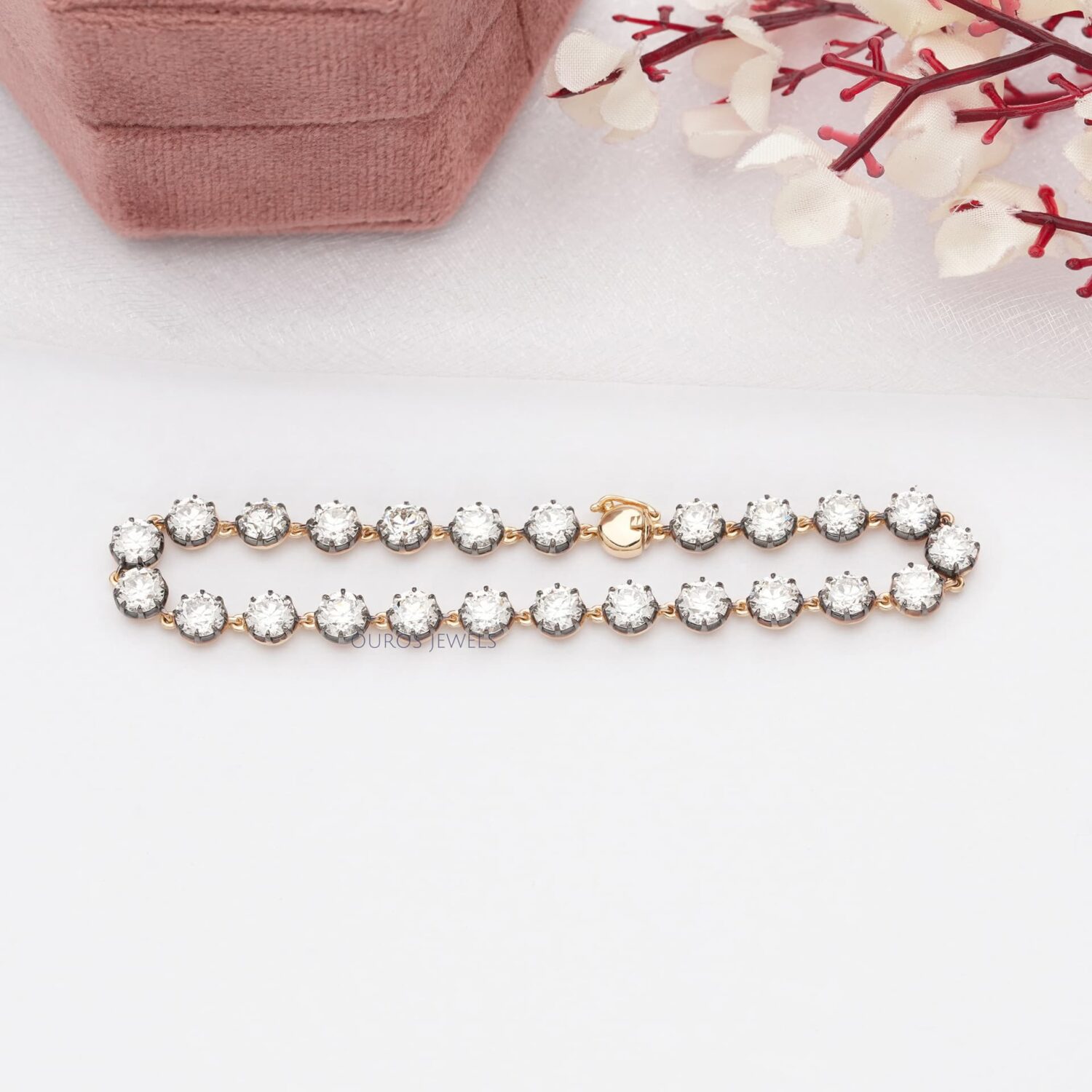
Ouros Jewels currently features lab-grown old mine and old European cut diamonds across categories including engagement rings, wedding bands, earrings, bracelets, and necklaces. The collection also includes other antique-inspired cuts, giving consumers an opportunity to explore different visual characteristics within the broader world of lab-grown diamonds. (Ouros Jewels)
Why Craftsmanship Still Matters
Technology may have changed how consumers discover jewelry, but craftsmanship remains central to the finished result. Proportion, stone placement, metal finishing, and setting technique all contribute to how a piece looks and feels when worn.
For buyers, understanding these details can make the purchasing process more meaningful. Instead of focusing exclusively on size or appearance, consumers can consider how individual components work together to create balance, comfort, and visual character.
A More Informed Online Shopping Experience
Digital platforms have transformed jewelry research. Buyers can now compare different diamond shapes, review specifications, explore design possibilities, and study detailed imagery without beginning their search in a physical store. This has encouraged a more informed approach in which consumers spend time learning about their options before making a purchase.
Customization tools can make this process even more interactive. For example, online design platforms can allow users to select a diamond shape, carat size, color and clarity preferences, metal, and ring size before finalizing a design. Ouros Jewels
Where Modern Design Is Heading
The future of lab-grown diamond jewelry is likely to involve a combination of personalization, distinctive design, and greater consumer awareness. Buyers are becoming more interested in the story behind a piece, the craftsmanship involved, and the design choices available to them.
This evolution does not mean that traditional aesthetics are disappearing. Instead, classic influences, antique-inspired cuts, contemporary minimalism, and personalized design can exist alongside one another. The result is a broader jewelry landscape in which consumers have more opportunities to find designs that genuinely reflect their preferences.
As digital discovery continues to develop, the most meaningful shift may be the growing role of the consumer in the design process. Rather than simply choosing what is available, buyers increasingly have the opportunity to understand, compare, and personalize the elements that make a piece distinctive.