
 Wyles Daniel
Flowers, in the hands of Ines Garstecki, transform into a vessel for memory and atmosphere. As the founder of Flowermaid, a Los Angeles-based floral studio, Garstecki has spent more than two decades shaping her distinct approach to floristry, and her work has been featured in television series like Westworld, Hacks, and The Morning Show. Known for her ability to translate atmosphere into design, she leverages her expertise to craft bespoke and vibrant environments for event planners, celebrities, private clients, and television production teams, working as a trusted creative force who understands that flowers carry narrative weight, whether adorning a wedding aisle or defining the tone of a TV set.
“I came to America as a student, and then opportunities kept coming,” she recalls, highlighting her trajectory that began with a temporary academic stay, which gradually turned into a long-term opportunity as professional doors continued to open. Before entering floristry, Garstecki worked in corporate marketing for a software company, immersed in a structured, fast-paced environment that stood in stark contrast to the creative world she would later build.
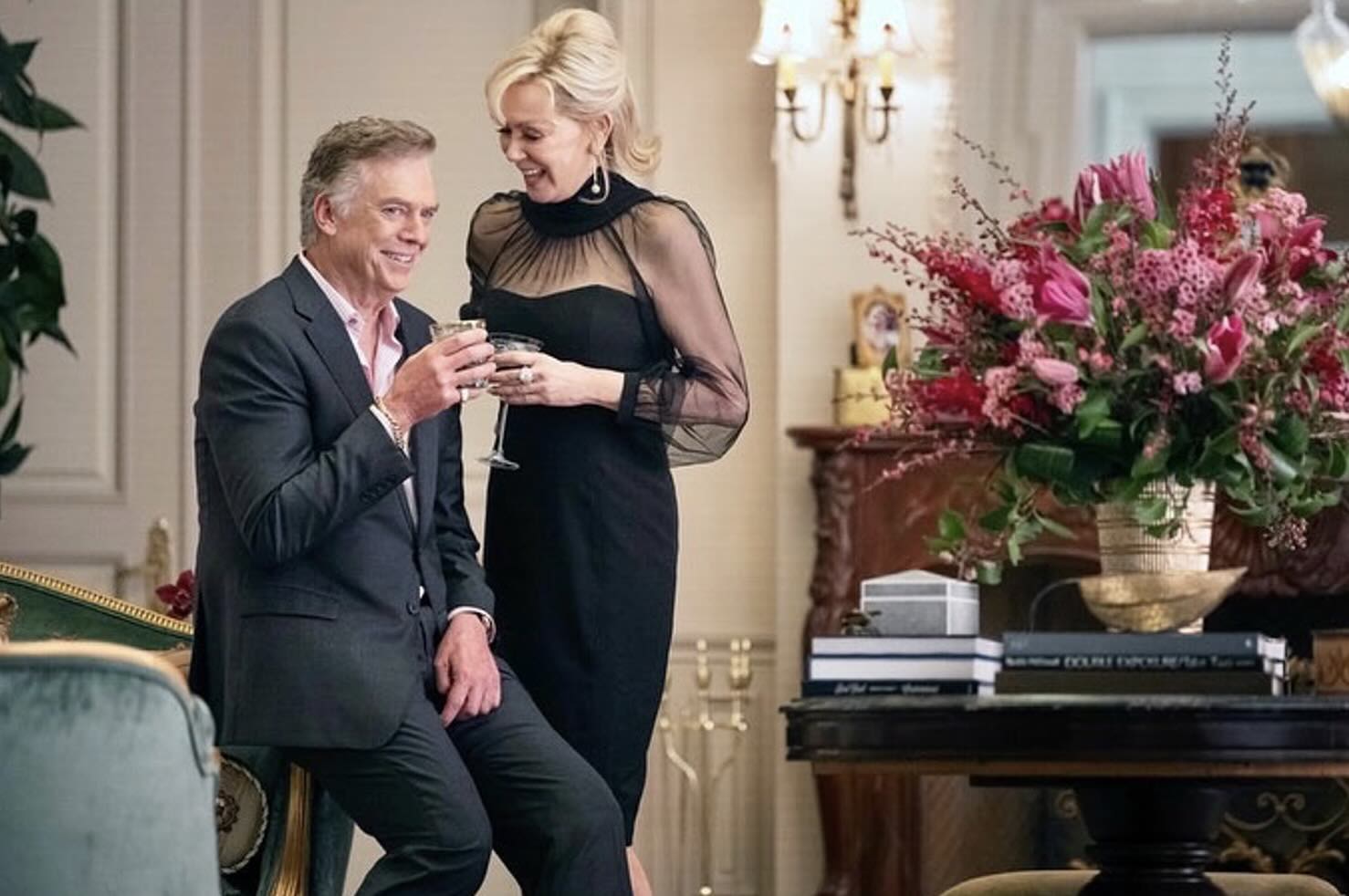
“I mainly wanted to have my own business and thought, flowers, why not?” she says. That question carried a personal resonance, rooted in her upbringing. Her father worked as a flower breeder, and the familiarity of that world offered both inspiration and a sense of return.
Over the past 22 years, Flowermaid has grown steadily, shaped by Garstecki’s European training and her ability to adapt within Los Angeles’ dynamic event economy. She highlights how the city offers a constant flow of occasions, from private estate gatherings to large-scale galas and TV productions. “The pie here in the city is big enough for everybody,” she says. Leveraging this abundance, she has cultivated a business model rooted in referrals and rapport, expanding through trust and consistency.
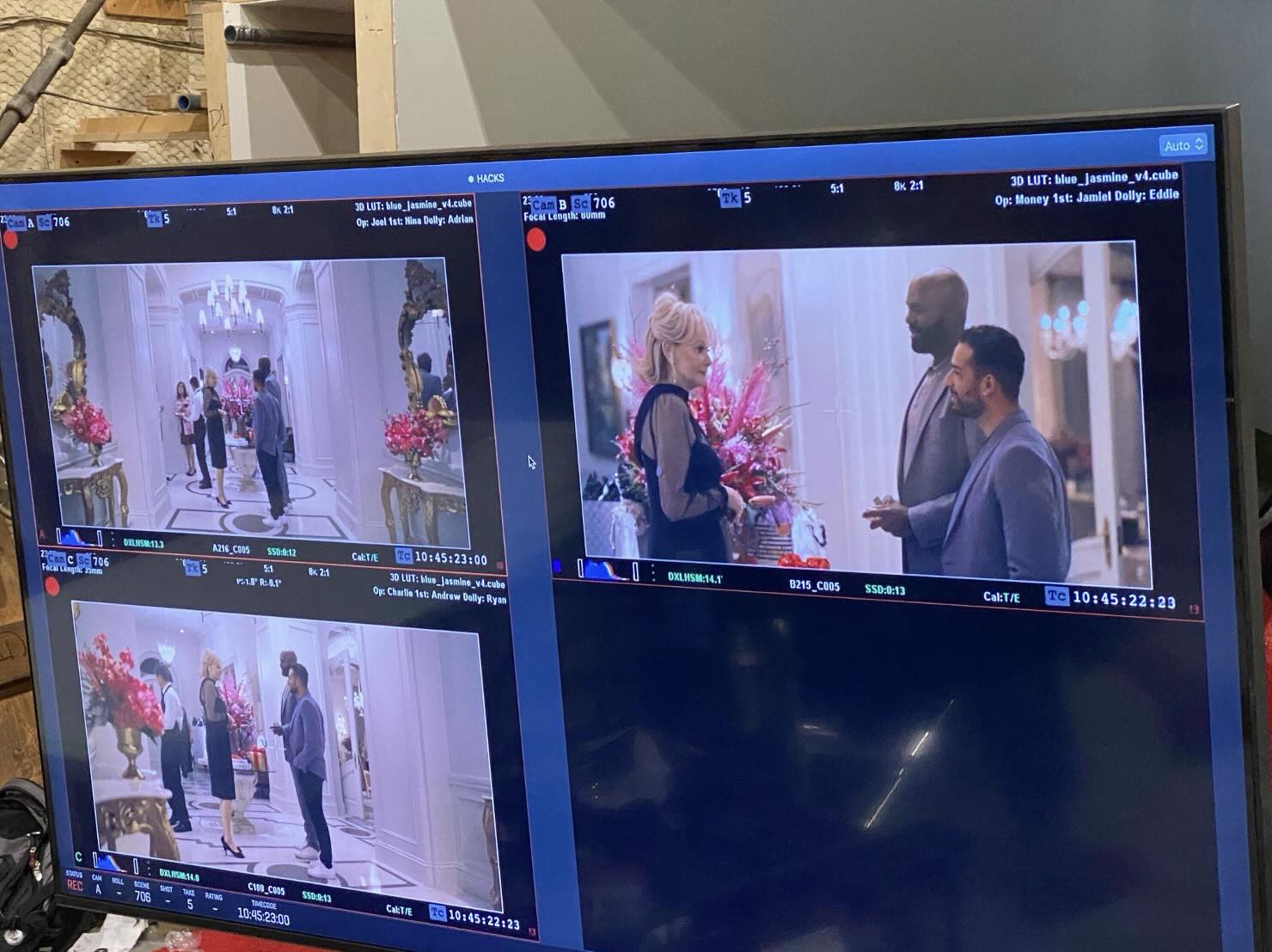
“Once you do a good job, that opens the gateway for endless opportunities. That’s the mantra here,” she says, highlighting the philosophy that has guided her career. Entering the world of television came through a personal connection, beginning with a single scene and evolving into ongoing collaborations.
“Flowers are like fashion. It changes. Every year, you’re jumping onto new trends,” Garstecki explains. This acute awareness of evolving aesthetics permeates her approach to weddings and events, where bespoke storytelling, she notes, remains the core objective. Her clientele often ranges from those carrying meticulous visual archives to others seeking to articulate a fleeting and arbitrary mood. “I listen, then curate a vision board and a style board, allowing the design to breathe and grow from that initial spark,” she explains.
The process, Garstecki highlights, unfolds collaboratively as she refines ideas into a cohesive design reflecting individual taste and the broader context of season and setting.
Her background in event production plays a defining role in how these concepts are executed. She acknowledges that large-scale installations require careful coordination, from sourcing materials to managing teams and timelines. “I love that part, to pull everything together and orchestrate all the elements synergistically,” she says.
The pace can be intense, particularly when working on high-budget weddings, celebrity events, or complex installations, but it is precisely this energy that drives her. “There are so many hands involved,” she says, noting her work in television. “We’re always collaborating with art directors, production designers, and set decorators,” she adds.
In that harmonious process, Garstecki contributes to a layered creative process where every visual element must align. Her role often involves interpreting a specific era or aesthetic direction, ensuring that floral details support the broader narrative. “I have to do all kinds of styles, and I have my pride in that,” she says. From contemporary palettes to historically accurate arrangements, her adaptability allows her to move seamlessly between projects.
This versatility extends across her entire portfolio. Weddings, she notes, demand sensitivity to personal vision, while TV productions require technical precision and historical understanding.
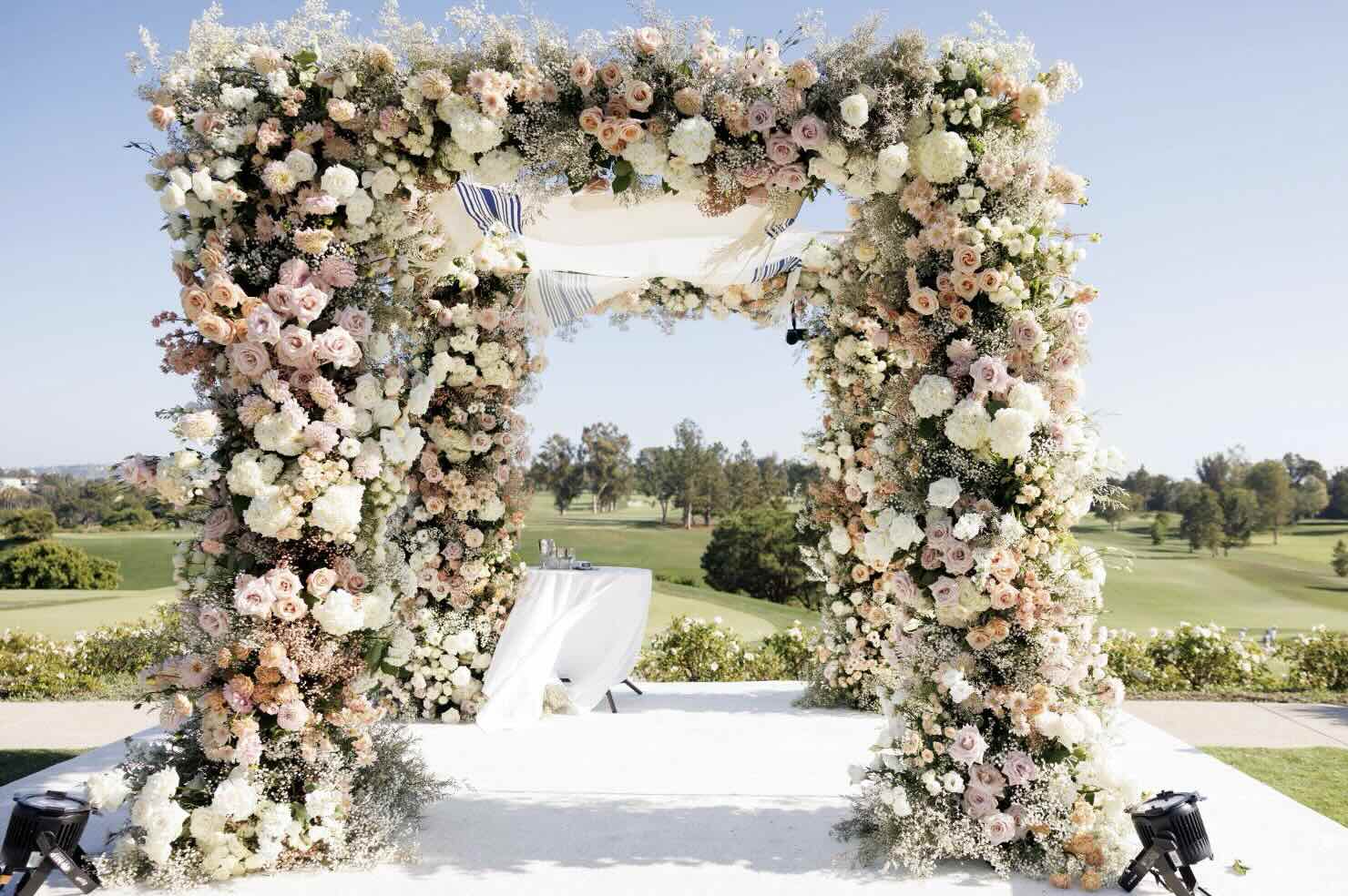
“I love to mimic nature. I love movement,” Garstecki says, describing her signature style. Her arrangements favor an organic aesthetic, where forms feel natural and unrestrained rather than rigidly structured. This approach creates a sense of effortlessness, allowing each design to feel alive and responsive to its environment.
When it comes to visual storytelling, Garstecki emphasizes the role of flowers in acting as the pivotal backdrop. In television, she notes that floral design contributes to the atmosphere and subtly reinforces the tone and period without drawing overt attention. Her acclaimed work on Apple TV+’s hit series, Palm Royale, is a testament to that floral mastery.
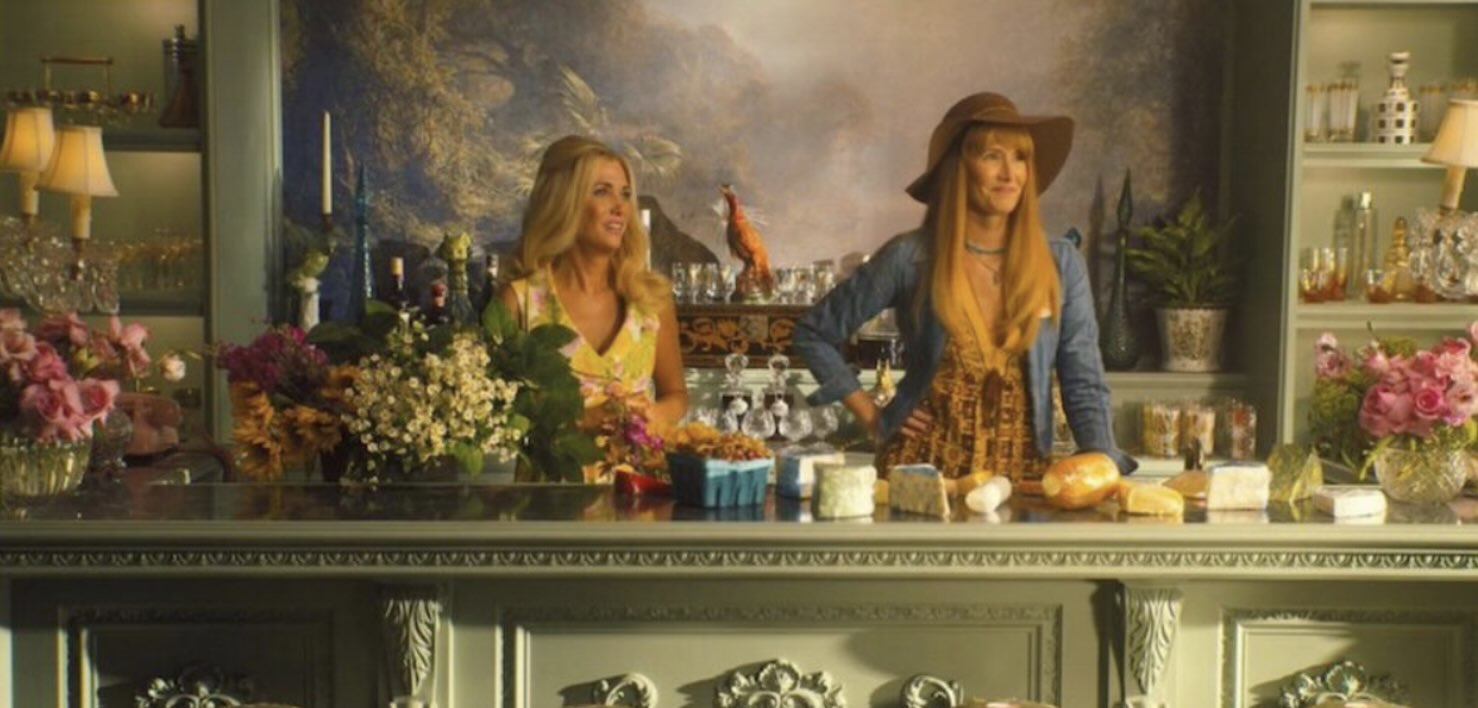
“The impact is often felt rather than consciously noticed, yet it plays a critical role in shaping the viewer’s experience,” she says. “It is the most fun and the most creative work I get to do.”
At the same time, Garstecki shares that her expertise in large-scale events continues to attract clients seeking artistry and reliability. Executing high-budget productions requires not only creative vision but also the operational experience to deliver under pressure, a standard she has consistently met throughout her career.
There is a certain confidence in her work that shaped an unspoken understanding of how beauty should feel. Garstecki’s florals carry that assurance, grounding large-scale productions and intimate celebrations alike in something deeply considered and visually unforgettable. “Flowers breathe life into any space they’re in, and that has to feel right from every angle,” she says. “If it doesn’t, you keep working until it does, because that’s what people remember.”