
 Wyles Daniel
Dungeons Not Dating
Swipe-based design may have been popularized by dating apps, but according to Dungeons Not Dating founder Rachel Dove, its real strength lies in how simply it helps people define what they want and make confident choices. “I see that structure as a powerful tool for self-expression and connection,” she says. “I believe the format works because it gives users clarity, agency, and an easy way to find people who align with their interests and identity.”
Building on that insight, Dove began imagining how the same intuitive interaction model could support a kind of connection rooted in shared imagination and collaborative play. She saw an opportunity to use familiar mechanics to help people find creative communities intentionally. That vision eventually became Dungeons Not Dating, a mobile app designed to make forming tabletop groups feel welcoming and purposeful. “Dungeons Not Dating isn’t a dating app. It’s a space for people to find creative partners, a place where imagination is the connection point,” Dove emphasizes.
The app invites players to build profiles that reflect how they approach Dungeons & Dragons. Users can outline their playstyle, scheduling needs, preferred platforms, and creative interests. The swipe interface then helps them browse potential groups quickly and identify matches that fit their expectations. For many players, this offers a solution to a longstanding challenge: finding a table where everyone shares a compatible vision for the game.
This challenge has only grown as Dungeons & Dragons continues to expand. The rise of the game has brought an influx of new players from a wide range of backgrounds: storytellers, strategists, queer players, neurodiverse players, first-timers, and long-time veterans. Each brings their own style, comfort level, and expectations. Dove notes that this diversity enriches the game, but it also introduces complexity. “Players come to the table with different goals. Some enjoy tactical challenges, others want deeper storytelling, and many look for a casual space to unwind. Each approach is valid, and the mix can shape how a session feels for everyone,” she explains.
Her understanding of these dynamics comes from personal experience. Early in the COVID-19 pandemic, she joined an online campaign after a competitive application process, and the experience highlighted how group chemistry can shape enjoyment. “A table can feel like a creative partnership or a place where everyone stays guarded,” she says. “That difference stays with you.” Her experiences across various communities, including LGBTQ+ spaces, reinforced her belief in the importance of environments where people feel comfortable expressing themselves without hesitation.
This philosophy now guides the design of Dungeons Not Dating. The platform includes filters that help players align on availability, playstyle, and preferred tools. Upcoming value-based tags will allow users to express what matters most in a gaming environment, whether that’s collaborative storytelling, structured combat, or a relaxed, social atmosphere. Together, these features aim to reduce uncertainty and help players enter new groups with confidence. “People create their best work when the space feels right from the beginning,” Dove remarks.
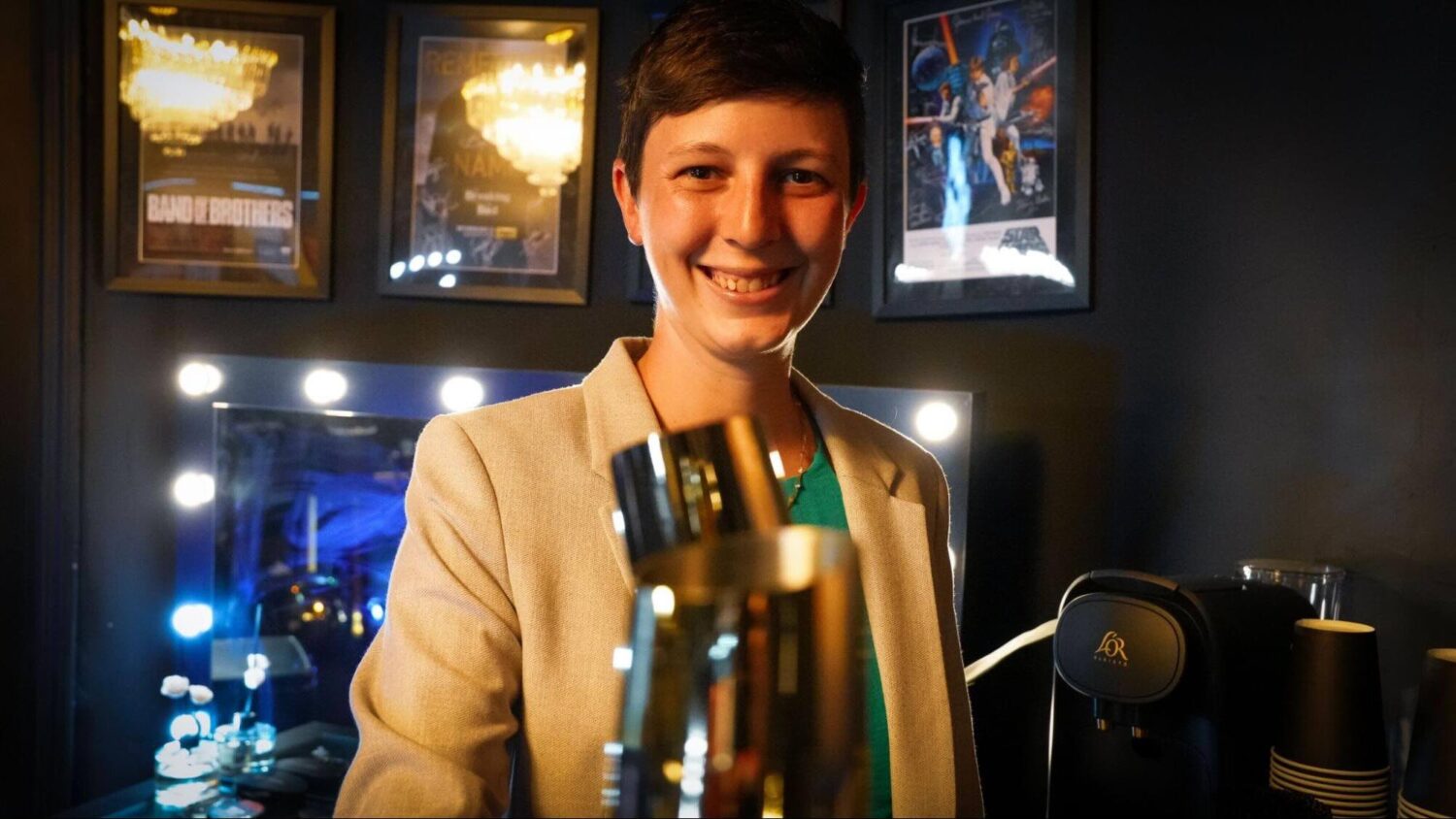
Rachel Dove
As the Dungeons & Dragons community continues to diversify, the need for accessible, supportive tools becomes even more important. “The goal is to help players find settings where they can participate fully and contribute without second-guessing themselves,” Dove states. Dungeons Not Dating focuses on ease and openness, encouraging users to define their preferences clearly so they can find groups where they feel at home.
This is especially meaningful for newcomers, who often feel intimidated when joining a campaign for the first time. Many worry about fitting in, understanding the rules, or matching the group’s energy. A single mismatched experience can shape how they view the game. By offering a structured way to discover groups that align with their expectations, the platform helps make that first step more welcoming. At the same time, it supports experienced players who want campaigns that reflect their evolving interests.
Ultimately, a strong campaign depends on shared expectations, clear communication, and mutual respect. Dungeons Not Dating encourages players to establish these foundations early. The app’s design supports both the practical and emotional sides of group formation, helping players understand each other before the first session begins. This approach leads to smoother introductions and more cohesive campaigns.
As the app approaches the end of its year-long beta, interest continues to grow. The waitlist expands each month, and early traction is emerging in regions outside North America. The team is preparing for a full release shaped by community feedback and ongoing iteration.
Through all of this, Dungeons Not Dating remains focused on its mission of helping people find connection through shared creativity. By using familiar mechanics to support storytelling, collaboration, and community-building, the platform aims to make tabletop gaming more accessible. Dove remarks, “Beyond playing together, the right group builds something that stays with them long after the session ends.”