
 Jon Stojan
With the high-stress, high-speed workplace dynamics, job burnout is skyrocketing, affecting 66% of professionals, while 79% of employees remain disengaged. The corporate world is bleeding billions annually in lost productivity, absenteeism, and untapped human potential. But beneath these numbers lies a deeper, often unspoken problem: people don’t feel a sense of belonging and purpose at work.
Kit and Rosie Volcano, the founders of The Little Volcano, believe the root of disengagement isn’t laziness, but a loss of community. “The same tools that improve your relationships in the workplace can also work the same magic in relationships at home, creating a harmony in both the inside and the outside,” says Kit Volcano, co-creator of the company’s unconventional yet transformational programs.

The Little Volcano Logo
At the heart of their work is a powerful philosophy: empowerment leads to belonging. “One of the most impactful things we do is help people become their own problem-solvers,” Rosie explains. “When someone feels empowered, they’re able to find answers within themselves. They’re calmer, more confident, and bring that self-trust into their teams.”
Empowerment, in this sense, is the bridge to a stronger community and loyalty in the workplace. When people feel capable and valued, they become more committed, creative, and collaborative.
To the Volcanoes, community in the workplace goes beyond hitting quarterly targets. It’s about cultivating healthy relationships that support the whole individual. According to Kit, a community goes beyond working towards common goals. “A thriving community is a healthy interplay between giving and receiving. It’s not just about what you can achieve together, but how you support each other while doing it.”
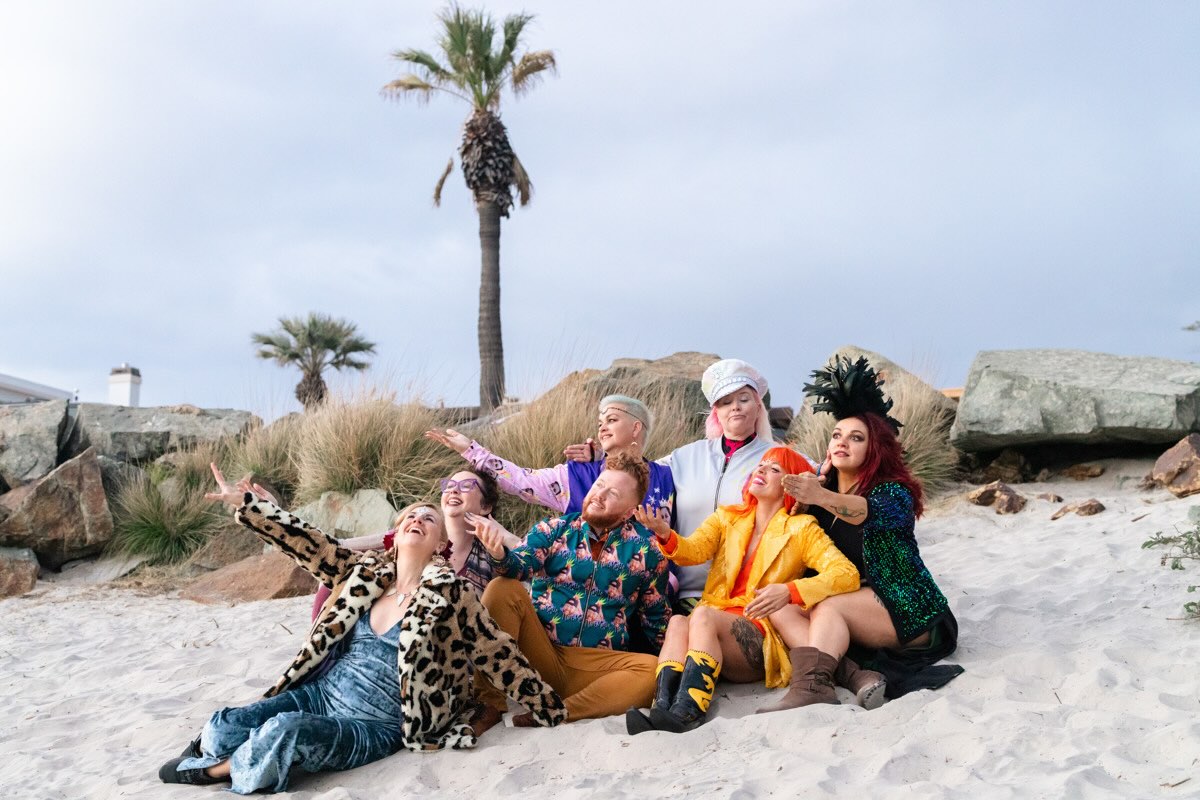
The Volcanoes and Community
That support is especially critical across generational lines. “Millennials and Gen Z have grown up more digitally connected but emotionally isolated,” Kit explains. “The pandemic made it worse. People don’t know how to authentically support and relate to one another anymore. That breakdown shows up both at home and at work.” That philosophy, rooted in deep personal healing, is the foundation of The Little Volcano’s story. Through their programs, The Little Volcano helps people uncover unconscious patterns, heal old wounds, and build meaningful, intergenerational relationships based on respect and understanding.
The story of The Little Volcano began on Kit and Rosie’s honeymoon in 2013, when they became Forrest Yoga teachers. Forrest Yoga, known for trauma and addiction recovery, introduced Rosie to her inner healing through an experience she now calls life-changing. During a class, a Hawaiian forgiveness prayer brought her soul “back into her body for the first time since childhood.” She looked at Kit, then just two weeks into dating, and said, “I want to do this for other people.” To her surprise, he said, “Me too.”

The Volcanoes
From that moment on, their purpose ignited. They opened a yoga studio, hosted global yoga retreats, and eventually realized yoga alone wasn’t enough. “People were having breakthroughs in class,” Rosie says, “but without the tools to apply those realizations to their daily lives.” That gap led them to become certified coaches in 2017, and it clicked. Within a year, they went from sleeping on a friend’s couch to earning six figures a month, driven by a message that resonated with those hungry for real change.
And that hunger has built a loyal following. “We’re giving them the tools to build trust, resolve conflict, and cultivate a sense of belonging and joy—with their partners, teams, and selves.”
At the heart of corporate dysfunction, Rosie argues, is poor communication. “People say yes when they mean no, take on too much, and can’t admit when they’re overwhelmed,” she says. “It’s not just a women’s issue; it’s a societal one. Most people were never taught how to communicate their boundaries.” Without these skills, collaboration suffers, innovation stalls, and burnout intensifies. Teaching communication, then, isn’t just a nice-to-have. It’s a strategic investment in teamwork, retention, and resilience.
The Little Volcano’s approach starts with what they call ‘doing the magic first.’ That means cultivating self-awareness before ever talking strategy. “We can’t solve burnout with productivity hacks. We solve it by helping people feel connected again, which helps them reach their zone of genius,” Kit says.
Their method is two-fold. The first one is awareness: People must first recognize their own boundaries, patterns, and beliefs. The second is communication, wherein they must learn how to express themselves clearly, without triggering defensiveness or conflict.
In addition to their personal coaching program, Rosie and Kit have been teaching others to become transformational coaches through their certification program. Through this program, they have helped over twelve thousand individuals for more than a decade, snowballing an empowered transformation into both personal lives and professional environments.
In a corporate setting, Rosie and Kit have customized offerings to address burnout, interpersonal breakdowns, and uninspired leadership. These include group retreats, events, and workshops where employees walk across hot coals to set bold new goals and overcome fear, literally and metaphorically. During retreats, they encourage teams to set group goals that reflect both individual aspirations and organizational vision. “It’s about expanding the ceiling on what’s possible,” Rosie says. “So many teams are just swimming in the same fishbowl of frustration. We help them see there’s an ocean outside.”
Team communication training is another program that The Little Volcano helps enhance, with techniques for expressing needs, setting boundaries, and fostering empathy to boost morale and reduce HR friction. One-on-one sessions with executive leaders would break them free from over-functioning and toxic perfectionism. Rosie shares, “We specialize in creating creative and playful exercises that help break down barriers and tap into flow states. These experiences act as ceremonies that help groups reconnect with purpose.”
This isn’t your typical corporate training. It’s a movement. “We create safe, even sacred, spaces where people can reconnect to who they are. And once they do, they can see the people around them more clearly, too.” Kit brings a particularly important lens to this as a trans man.
The Volcanoes advise companies to begin with three practical steps. The first is to invest in self-awareness through reflective practices or coaching that help employees understand their triggers and needs. The second step is encouraging open dialogue using proven communication frameworks like nonviolent communication. Finally, they aim to create space for individuality while building shared goals, so employees feel both seen and aligned with a collective mission.
At its core, The Little Volcano is a call to courage for individuals and organizations alike. “Leaders have to model open communication from the top down,” Kit says. “If you want your team to be real, you have to go first.” And that means modeling vulnerability, embracing creative rituals, and prioritizing connection over convenience, whatever reconnects people with their internal truth. It’s the foundation for resilience, engagement, and impact.
In The Volcanoes’ words: “Everyone deserves to live a life they truly desire. Every being has their own personal brand of magic. Our job is to help them remember exactly that, and spread that same energy in their workplace, igniting a true ripple effect.”