
 Nia Bowers
Karma: The Dark World has drawn mixed reviews for its story and pacing, but reviewers keep returning to the dread built into its scares. Sound designer Michael Chen explains how his team kept one transformed character’s voice, movement and violence recognizably human.
When Karma: The Dark World launched in March 2025, it became, according to publisher Wired Productions, the company’s biggest release to date, cracking Steam’s top 15 most-played games during launch week and drawing roughly half a million combined views across Twitch and YouTube on its first day. More than a year later, the game is still rated positively by roughly 88 percent of its nearly 900 Steam reviewers, even as many of those same reviews describe its puzzles as minimal and its central mystery as difficult to follow all the way through. What holds up on both sides of that split is atmosphere: a specific, sustained dread that several of the game’s reviewers say the plot never fully explains.
The Other Mother
One sequence reviewers keep returning to is the Other Mother. Early in the game, the player watches his mother cook lunch, then finds a secret door leading to his father’s laboratory, where experiments involve an element called Dasein that turns humans into monsters. When he goes back upstairs to tell her what he found, she is gone, then reappears seconds later in monstrous form as part of a jump scare. The chase that follows moves into a flooding, circular maze, where the player has to evade her long enough to photograph a growth on her back.
For sound designer Michael Chen, one of the encounter’s two designers alongside Geng Li, the scene posed a specific problem: the character had to frighten the player while still sounding like the mother he’d met minutes earlier.
“She turned into the monster because of the Dasein element,” he explains, “but there’s still goodness inside her.”
A Voice That’s Still Hers
A voice actor supplied the human performance underneath the character. Chen and Li layered that recording with Dehumaniser, a processing tool built for creature voices, to introduce the more unnatural qualities the transformation called for, without erasing the original performance entirely. Her physical movement, her cracking bones, and her footsteps in and out of the rising water stayed recognizably human throughout, with the more monstrous treatment reserved for her altered voice and the growth on her back.
“If you process a voice until none of the original performance is left, you’ve just made noise,” Chen says. “The scary part isn’t that it doesn’t sound human anymore. It’s that you can still hear that it used to.”
The Watermelon and the Celery
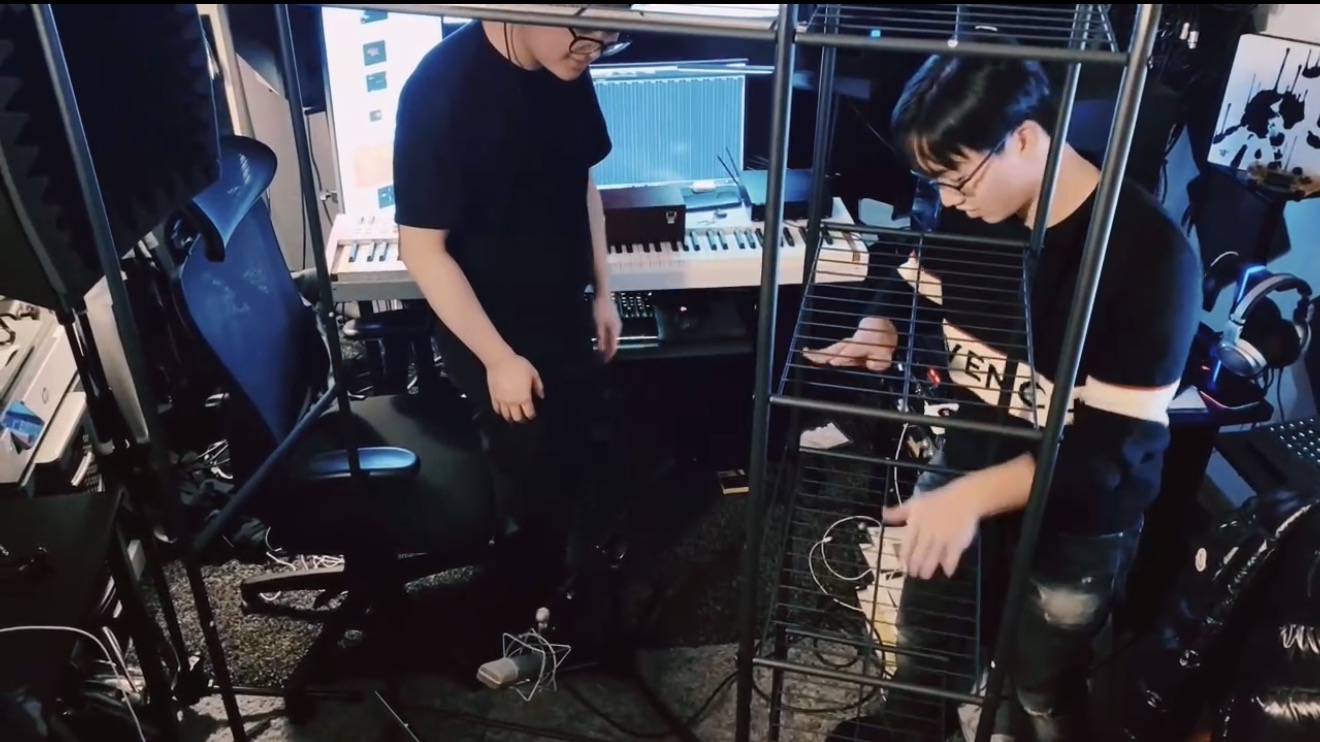
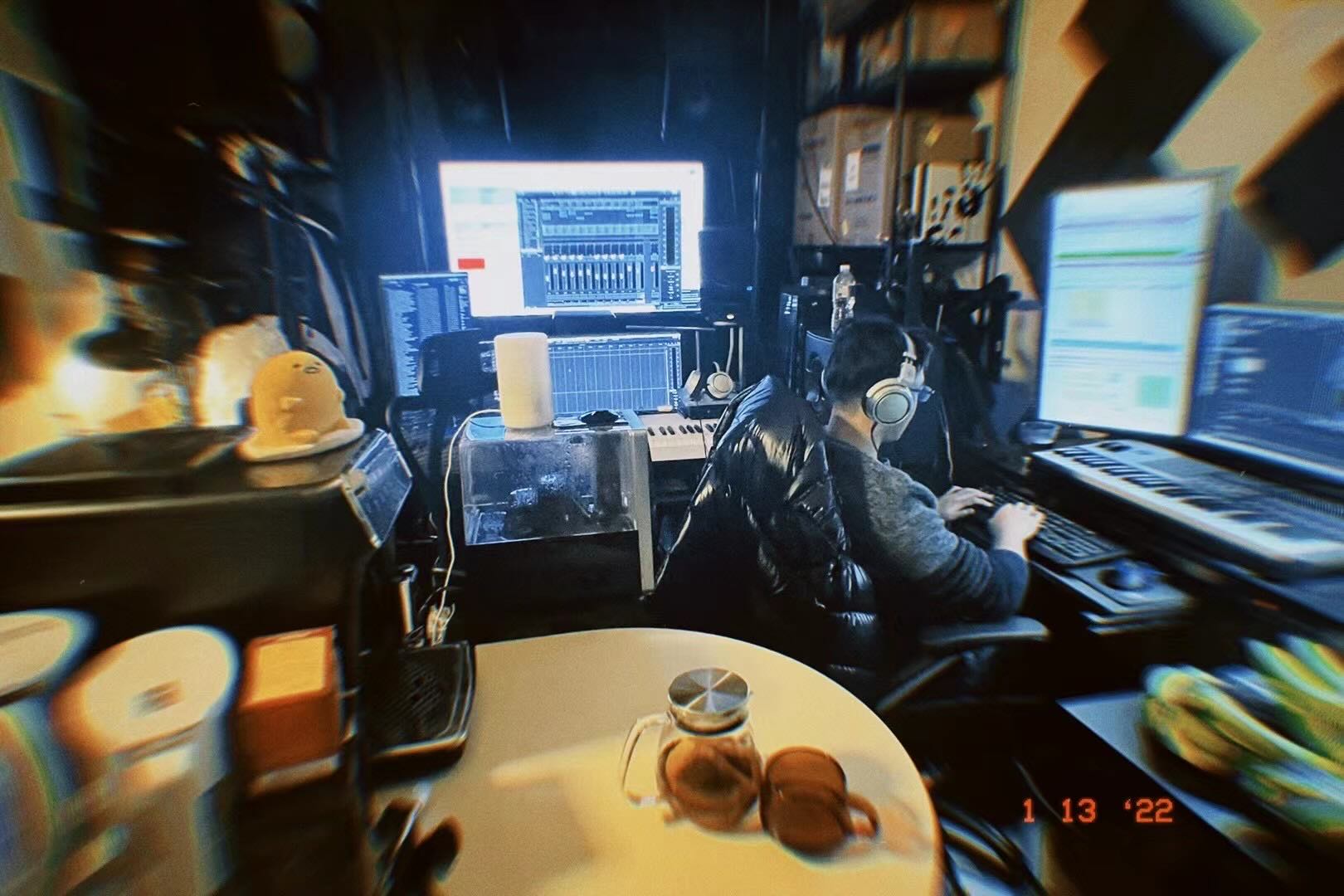
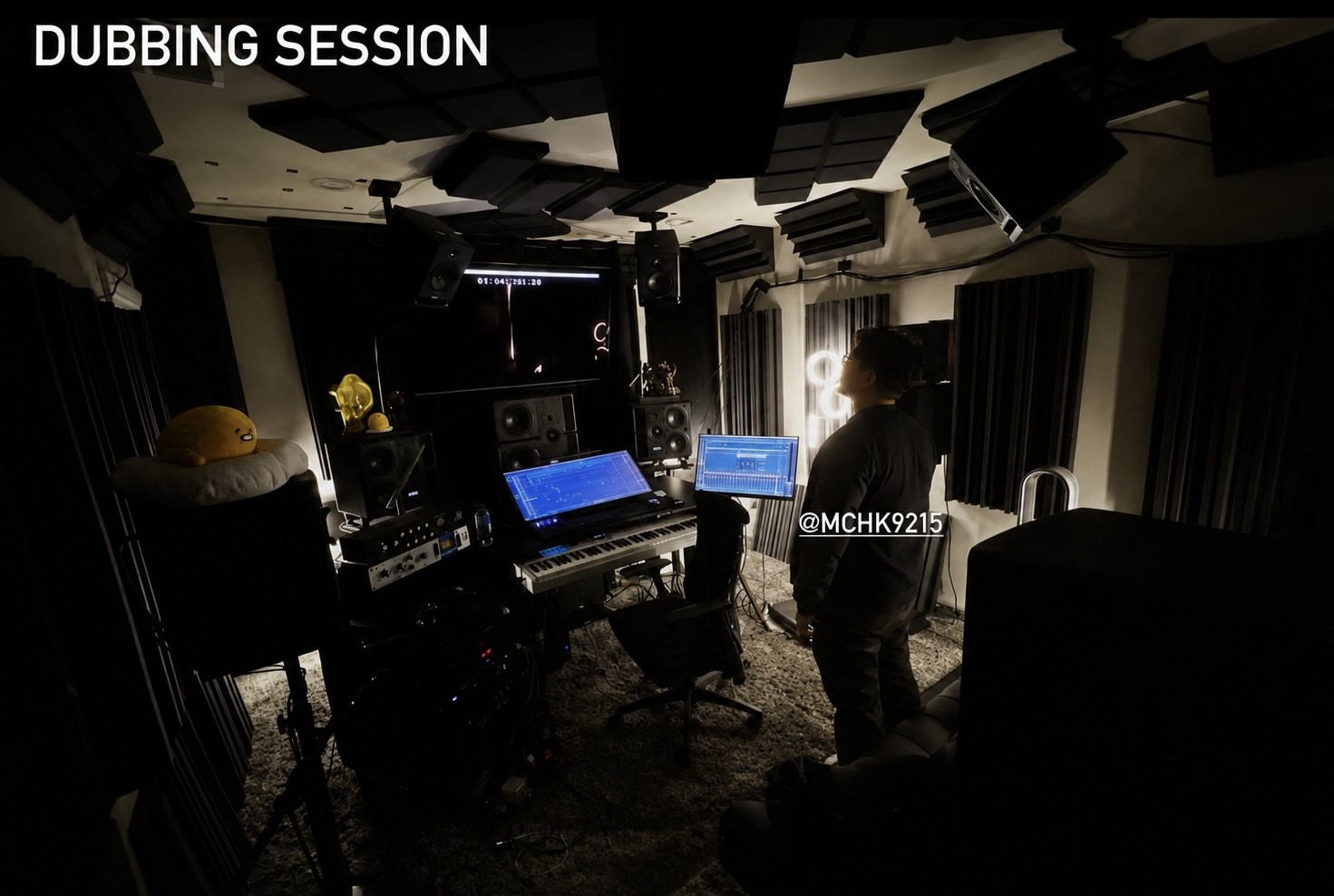
Some of the encounter’s physical detail came from a home recording space stocked with shoes and surfaces including carpet, wood and metal. Chen recorded Foley there, snapping celery to suggest cracking bones and punching or squeezing a halved watermelon to produce wet textures he could layer into the gore effects. He then searched the team’s sound library for additional material to build out each moment, since a single effect in the finished game might contain five or six samples split across low, middle and high frequencies.
“It doesn’t have to be a perfect sound when you’re Foley recording,” he says. “You probably wouldn’t even hear any particular sound in the final gore sound in the game.”

Letting the Scare Escalate on Its Own Time
The encounter’s audio was built in Wwise and runs on Unreal Engine 5, using real-time parameter controls that tie sound directly to the water level rising around the player and to the music’s increasing intensity, rather than to a fixed sequence of events.
“The scare can’t be scripted to always land the same way, because the player might find her in ten seconds or in two minutes,” Chen says. “The audio has to be built to escalate no matter when that happens, not tied to one scripted moment.”
What’s left, by the time the chase ends, is a mother’s footsteps, the sound of water rising, and a voice still recognizably hers underneath everything that has changed, the specific combination reviewers keep pointing to when they say the story lost them but the game never did.
What emerges from Chen’s approach is sound design that functions as narrative infrastructure. While Karma: The Dark World’s plot may lose players, the game’s emotional arc unfolds almost entirely through what they hear. The mother’s transforming voice, the water’s persistent rise, the human physicality persisting through monstrous distortion, these aren’t decorative. They are the story that works.
This is why reviewers, even those frustrated by pacing and mystery, kept returning to specific scenes. An 88 percent positive rating suggests players weren’t rating the puzzle or plot. They were rating an experience built in sound. Chen and Li designed the Other Mother so players could still hear the person beneath the transformation. That choice shaped what made Karma stick long after its mysteries stopped mattering.
The game’s greatest strength wasn’t a story decision. It was a sound design decision made by someone who understood that sometimes what frightens us most isn’t what we can’t recognize, but what we can’t stop hearing.