
 Nia Bowers
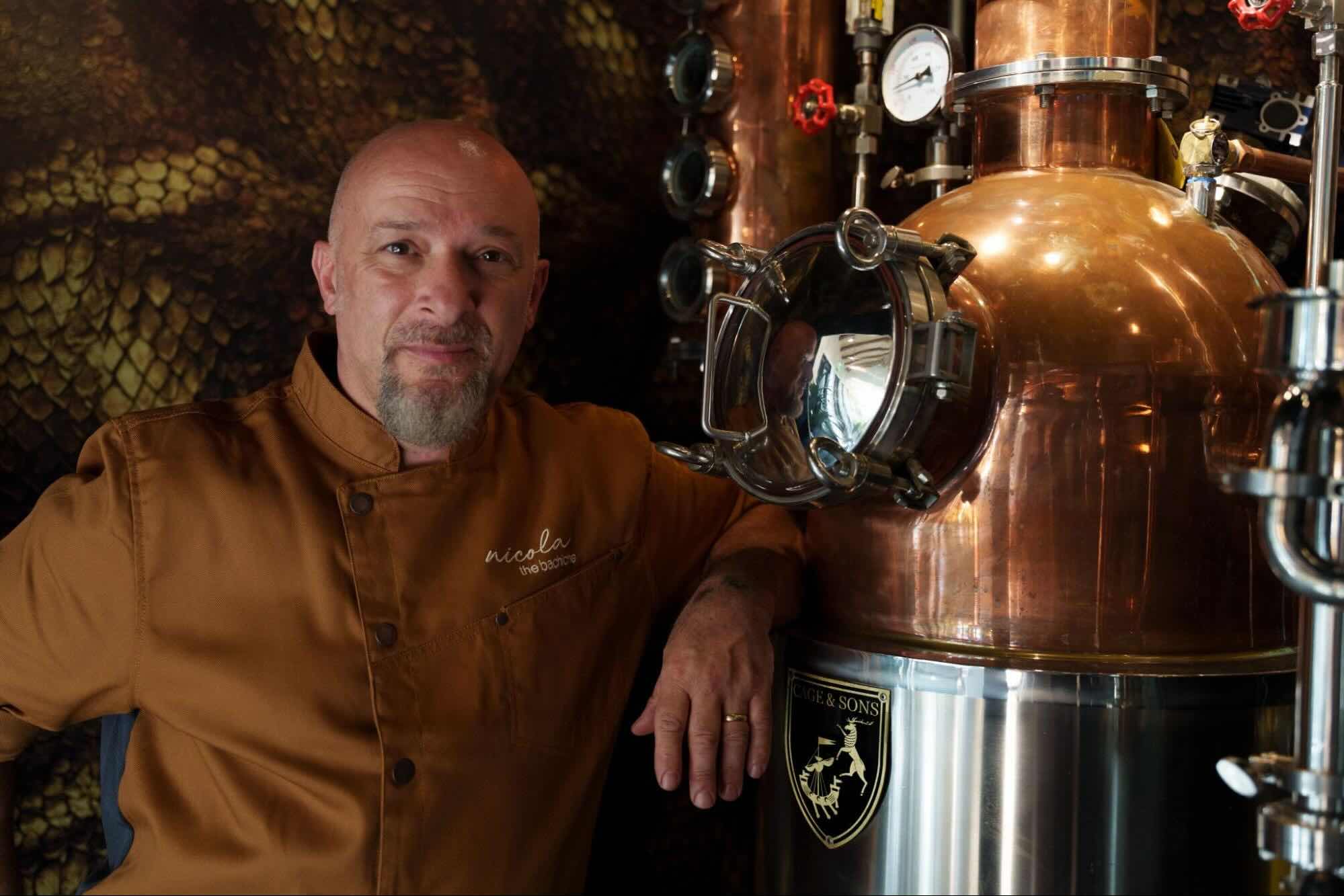
Image Credit: Nicola Allegretta
For Chef Nicola Allegretta, success has never been measured solely by the number of restaurants he has opened or the awards his food has received. Instead, he believes hospitality begins with understanding people, recognizing their needs, and creating places where they feel genuinely welcomed. That philosophy has shaped his career across multiple countries and industries, ultimately leading him to establish Mama’s Meatball, Mistura Restaurant, and Nicola Restaurant on California’s Central Coast, each reflecting a different chapter of his culinary journey while sharing the same commitment to community and hospitality.
Long before becoming a restaurateur, Allegretta’s relationship with food was shaped by necessity. Growing up in Italy, he watched his family navigate financial hardship at a time when every meal carried significance beyond nutrition. Those early experiences taught him that food could represent dignity, stability, and care during periods of uncertainty.
According to Allegretta, those lessons influenced every decision that followed, from leaving competitive athletics to help support his family to pursuing opportunities in professional kitchens where he could develop the skills that would define his future career.
His journey eventually extended beyond Italy to the Caribbean before bringing him to the United States. Each move required starting over, adapting to unfamiliar business environments, and earning trust from new communities. Allegretta explains that arriving in America meant leaving behind the reputation and professional network he had built elsewhere. Success would have to be earned again through consistency, perseverance, and a willingness to embrace new challenges.
Those qualities were tested. As the 2008 financial crisis affected businesses across the country, Allegretta saw many of his customers facing difficult economic circumstances. Rather than maintaining existing menus, he says he focused on understanding what families could realistically afford. Smaller portions at more accessible prices helped customers continue dining out while allowing the restaurants to remain connected to the communities they served.
“I’ve always asked myself one question whenever difficult times arrive,” Allegretta says. “How can I help? If you begin with people instead of profit, you usually find solutions that benefit everyone.”
That same philosophy guided his response during the COVID-19 pandemic. With restaurants across the hospitality industry confronting unprecedented uncertainty, Allegretta introduced affordable combination meals designed to provide families with comforting food during a challenging period. According to him, the initiative also helped sustain employees, maintain relationships with local suppliers, and keep operations moving despite extraordinary circumstances.
His commitment extended beyond the restaurant walls. Working alongside customers and community supporters, Allegretta organized donations that funded meals for healthcare professionals serving on the front lines of the pandemic. Once sufficient contributions had been collected, prepared meals were delivered to hospitals and healthcare facilities caring for patients during the crisis. He believes the initiative demonstrated that restaurants can strengthen communities by bringing people together during moments when connection matters most.
Looking back, Allegretta views those experiences as defining moments in his career rather than isolated challenges. Economic downturns, public health emergencies, and changing consumer habits each reinforced his belief that hospitality requires flexibility, empathy, and long-term thinking. According to him, successful restaurants must continually adapt while remaining faithful to the values that inspired them in the first place.
“The restaurant business is about much more than serving food,” Allegretta says. “People remember how you made them feel. If you genuinely care about your guests, your employees, and your community, they remember that long after they’ve finished the meal.”
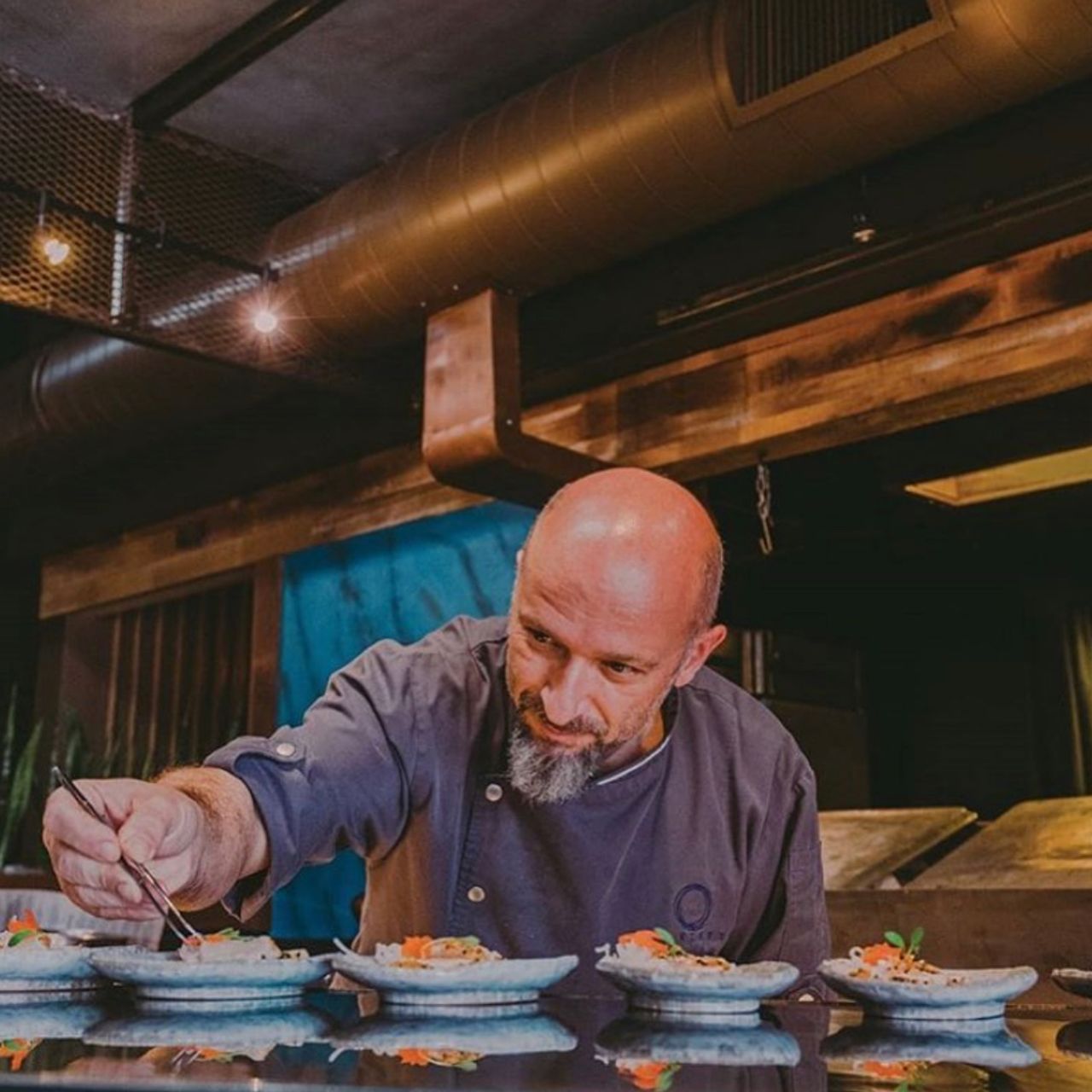
Image Credit: Nicola Allegretta
Today, Allegretta hopes to extend that philosophy beyond his own restaurants. He is developing a restaurant consulting and mentorship practice that will allow him to work with hospitality businesses seeking to improve operations, customer experience, and long-term sustainability. He points to a recent consulting project for a Malibu restaurant, where menu redesign, kitchen workflow improvements, and staff training contributed to renewed growth and the eventual opening of a second location. For Allegretta, those experiences reinforced his belief that sharing knowledge can be as rewarding as building a successful restaurant.
“My goal has never been to build restaurants simply for the sake of opening another location,” Allegretta says. “I want people to know that when they see my name, it represents integrity, hospitality, and a genuine commitment to helping others succeed. If I can strengthen businesses, create opportunities, and bring people together through food, then that is the legacy I hope to leave behind.”