
 Tom La Vecchia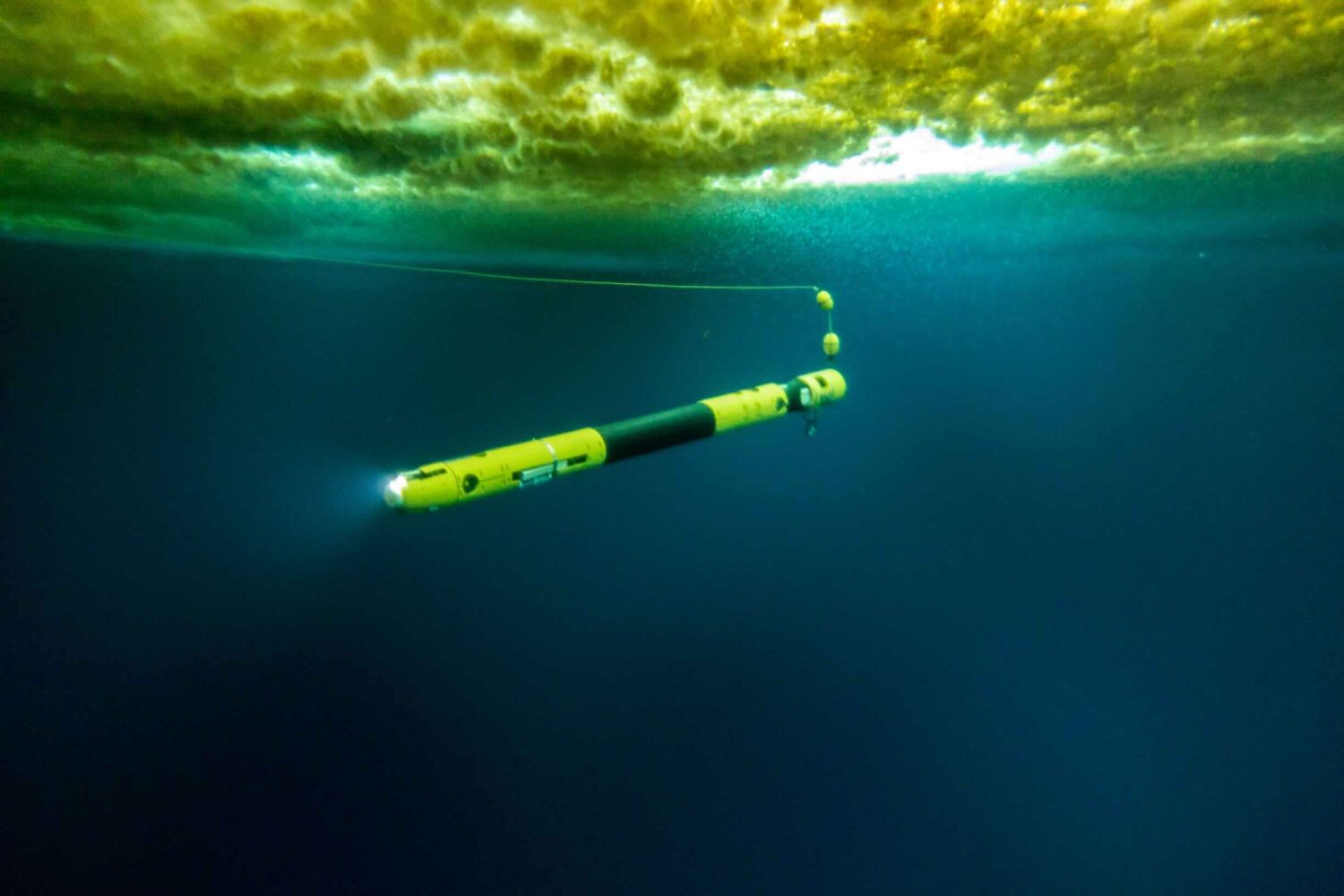
Fiber optics is the backbone of the present era of globalization. We usually think of it as a road for transferring data between homes, businesses and the wider world. However, apart from internet connections, there is a whole range of fiber optic applications around the globe and even in outer space. Linden Photonics is one of the companies that provides fiber optic solutions for a number of uses. The American manufacturer has been in the industry for over two decades, resolving connectivity challenges with its optical fiber solutions.
A Small Company, Big Impact!
Linden Photonics was founded in 2002 in Massachusetts, USA, by Dr Amaresh Mahapatra and Robert Mansfield. The duo set in motion a strategy that enabled them to develop high-strength optical fiber in a miniature size for implementation in areas that required durability as well as compactness. The project was initially supported by the American Department of Defense but later expanded to the global stage. At present, more than 20 countries are using fiber optic solutions provided by Linden Photonics.
Apart from broadband and communication services, fiber optic hardware is widely used in subsea, aerospace, defense and industrial sectors. These areas include marine science, satellite manufacturing, energy, robotics and research. Linden Photonics supports organizations across these industries with specialized cable solutions designed for demanding environments.
The Engineering Problem: Strength Without Bulk
The real issue that Linden Photonics is trying to resolve is the requirement for sturdy fiber optics that are light and compact. Traditionally, cables that are high in strength but larger in size and weight pose a major challenge for manufacturing companies dealing with weight-sensitive applications such as aerospace.
Kevlar strands woven alongside optical fibers provide strength but add extra weight, which may not be suitable in subsea or space environments. Linden Photonics has developed technological advancements over the years that allow the company to push the limits of minimalism and strength in its hardware.
Liquid Crystal Polymers and the STFOC Jacket
LCPs, or Liquid Crystal Polymers, are used by Linden Photonics to provide high tensile strength to its cables. This was where STFOC, or Strong Tether Fiber Optic Cable technology, was developed.
This was an innovative solution for the US Navy, which required such a cable for its underwater torpedo guidance systems. Furthermore, Linden Photonics also developed surface treatments that reduce abrasion over the cable’s working life.
Thermal and Chemical Resilience
Linden Photonics’ cables are designed to remain reliable in extreme temperatures and harsh environments. Their special LCP coating expands and contracts similarly to the fiber inside, reducing signal problems.
It also resists chemicals, fuel and acids. At the same time, the cable remains both strong and flexible without requiring additional strengthening components. This is achieved through one integrated material rather than using separate materials for thermal and chemical resilience.
Cable Applications
Material science is not the only interesting aspect of Linden Photonics. Another important area is the wide range of global applications for its fiber optic products.
The products include buoyant cables, underwater and ROV tethers, drone tethers, avionic-grade cables and cables engineered for radiation-hardened aerospace applications.
Subsea and Marine Applications
Linden Photonics plays a major role in marine applications, which form an important part of its business. Since underwater environments are highly pressurized and corrosive, the rugged nature of these cables allows them to be used in submarines, offshore oil and gas exploration and marine research.
Demand for reliable subsea cabling continues to grow across offshore energy, defense, scientific research and underwater robotics. Within this field, the company provides buoyant STFOC cable in configurations ranging from munitions tethers and ROV control lines to mooring buoys, with customization as a key feature.
Hybrid Cables and Wider Industrial Markets
Hybrid cables are another specialty of Linden Photonics. These combine optical fibers and copper power conductors in a single jacket and are used in areas where high performance is required while saving weight and space.
Some of the sectors using this combined technology include smart grid system designers, industrial automation, defense, oil and gas, robotics and drones. Extreme strength with a small size is essential for such applications, and Linden Photonics continues to support their production and development.
Outer Space
One of the most interesting aspects of Linden Photonics is its role in supplying advanced technology to organizations that develop equipment for space missions.
Linden Photonics has supplied fiber optic cabling for a Scalar Magnetic Field Sensor intended for a satellite mission to Jupiter’s icy moons, forming part of the continuing search for signs of habitability in the outer solar system.
This represents a major development for a company that began with subsea applications in torpedo guidance systems.
Customized and Small-Batch Manufacturing Philosophy
The core philosophy of Linden Photonics is based on customization rather than bulk supply. With a minimum order quantity smaller than that of many fiber optic manufacturers, it is becoming a preferred choice for specialist industries around the world.
Everything is manufactured in-house, reducing dependence on externally sourced materials and parts. The same philosophy is applied to customer service, removing unnecessary middlemen between the customer and the engineering department.
This is especially important in specialist sectors such as subsea robotics or aerospace instrumentation, where cable failure can lead to serious operational consequences.
Why This Innovation Matters
Subsea exploration, offshore energy, aerospace, defense, robotics and scientific research all rely on fiber optic cables that are strong, lightweight and capable of operating in harsh environments.
Linden Photonics helps address these engineering challenges through cable technologies that offer a high strength-to-weight ratio, compact dimensions and resistance to demanding environmental conditions.
As demand grows for more resilient connectivity in extreme environments, ranging from offshore energy systems to next-generation space probes, the materials-focused innovation represented by Linden Photonics is likely to become increasingly relevant around the world.
FAQs
What is Linden Photonics known for?
Linden Photonics is known for developing high-strength, lightweight fiber optic cables designed for demanding environments, including subsea, aerospace, defense and industrial applications.
What is STFOC technology?
STFOC, or Strong Tether Fiber Optic Cable, is Linden Photonics’ proprietary cable technology designed to provide high tensile strength while remaining lightweight, compact and flexible.
Where are Linden Photonics fiber optic cables used?
Its cables are used in subsea communications, ROVs, offshore energy, drones, robotics, aerospace systems, marine research, defense applications and satellite missions.
Why does Linden Photonics use Liquid Crystal Polymers?
Liquid Crystal Polymers provide an excellent strength-to-weight ratio while offering thermal stability, chemical resistance and durability, making them suitable for harsh environments.
Can Linden Photonics develop custom fiber optic cables?
Yes. Linden Photonics offers custom cable designs for specialized applications and unique engineering requirements.