
 Will Jones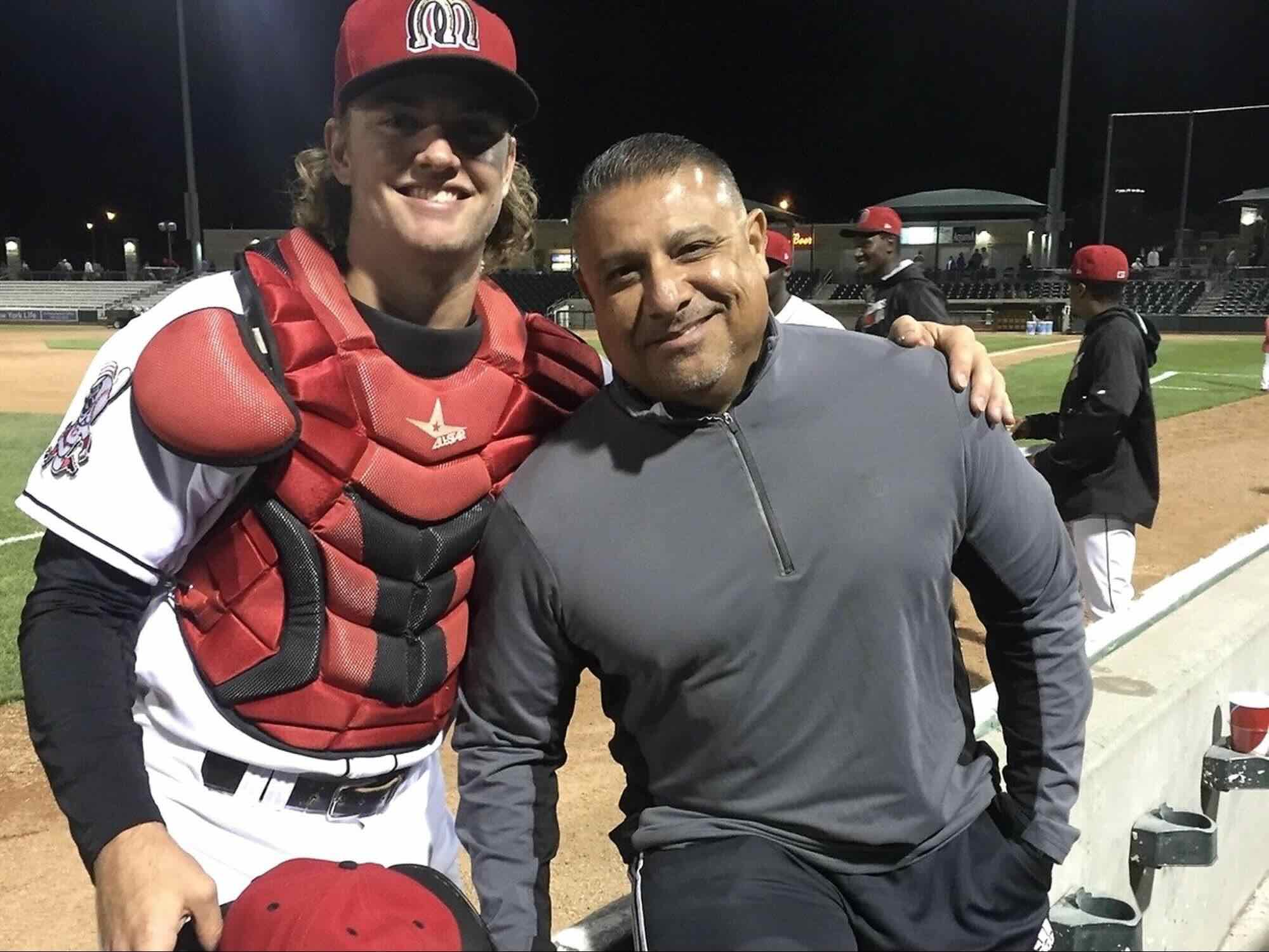
Photo Courtesy of Ben Herrera
For most families, the path from youth baseball to a college roster or a professional contract is a maze with no posted map. It involves showcases, academic eligibility, recruiting timelines that start earlier than parents expect, and a draft system few outside the game fully understand. Ben Herrera has spent close to four decades inside that system, and his work now centers on one idea: that an ordinary family deserves the same guidance an elite prospect gets.
That belief sets the tone for how he describes his role. “I do not limit my assistance to elite players only,” Herrera says. By his own account, he makes himself available to any player or family seeking help, whether the goal is finding the right exposure environment, working through the college recruiting process from junior college to the NCAA, or signing a professional contract. His aim, in his own words, is “to help offer my experience to as many families as I can” rather than to a select few.
A career built off the field, not on it
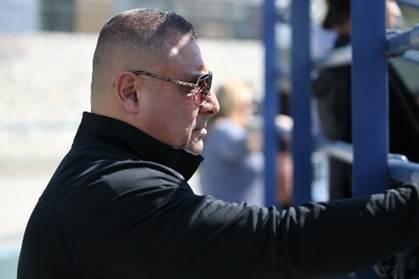
Herrera is unusual among advisors in that he never played professionally. As he puts it, “I rose through the Competitive Amateur Travel Baseball World,” the side of the sport run by organizers, tournament directors, and the people who build the events where young players get seen.
By his account, his work began in 1987, coordinating amateur leagues and tournaments around Los Angeles County, then grew into state and national roles with organizations he says he worked with, including AABC Connie Mack Baseball, CABA, USSSA, Perfect Game, and Travel Ball Select.
He describes a steady climb: a state-director role in California, a seat on national boards by the turn of the century, and a regional vice-president post later on. The recognition he points to most directly is his 2011 induction into the Continental Amateur Baseball Association Hall of Fame, an honor tied to decades of service to the amateur game rather than anything he did as a player. It is a credential earned in dugouts and tournament offices, not in the batter’s box.
That history shaped how he sees development. Herrera credits himself with helping introduce individual age divisions to travel ball, at a time when competition was often grouped only in even-year brackets, and with helping create direct World Series bids through qualifying tournaments. He believes those changes reshaped how amateur baseball is organized.
Part scout, part advisor, part agent
What Herrera offers now is harder to label than a typical recruiting service. He describes it as three roles at once: part scout who can assess where a player realistically fits, part academic advisor who keeps eligibility on track, and part representative when a contract is on the table. In practice, that means giving families a roadmap that begins long before a draft conversation.
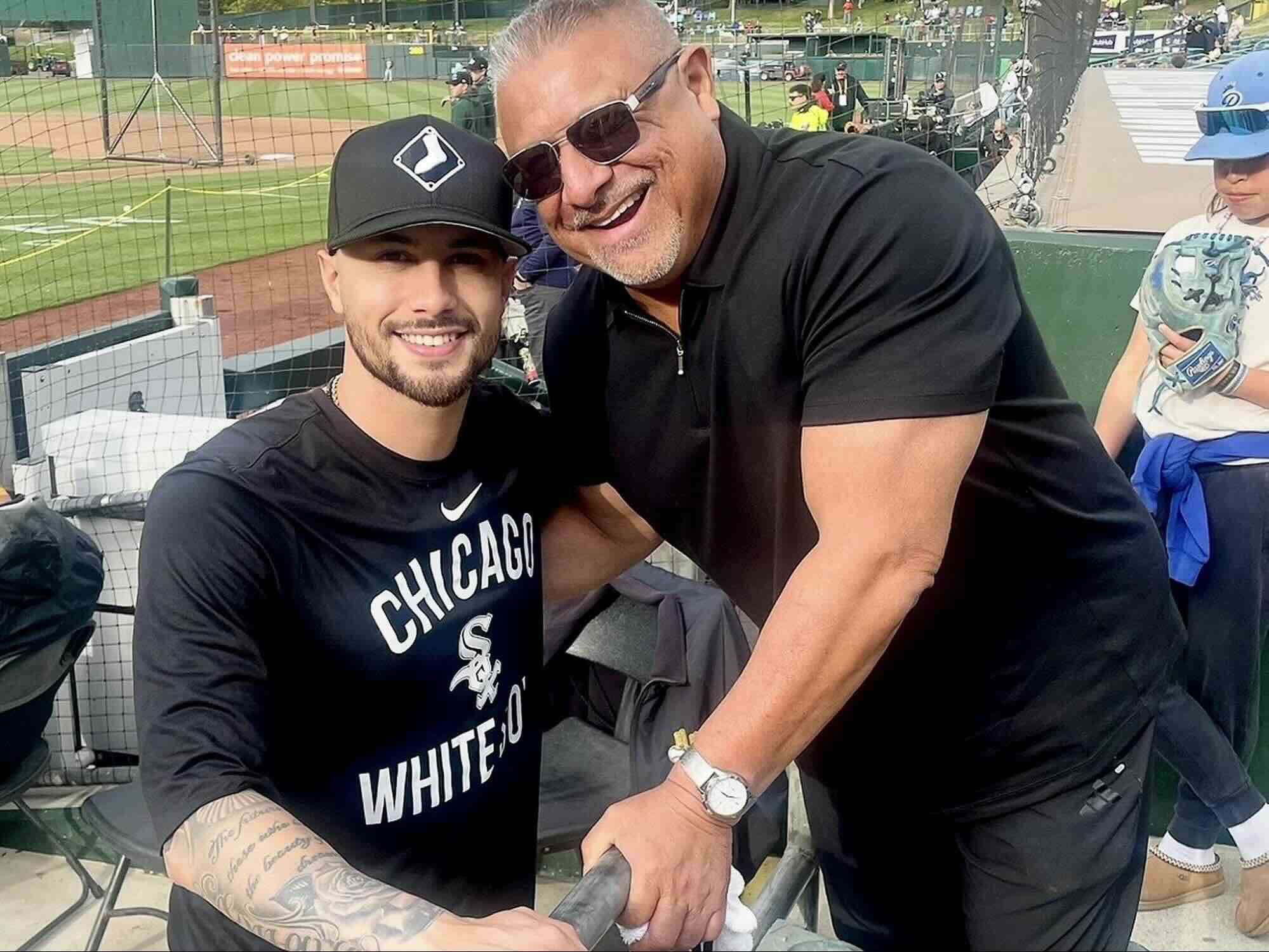 The early steps are about access and preparation. He points families toward the showcases where recruiters and scouts actually watch, and helps line up support such as development, strength and conditioning, tutoring, and outside funding. He also keeps the academic side in order, so a player stays eligible for college baseball when the offers come. From there, he guides families through the recruiting process and, when it applies, the MLB Rule 4 draft.
His involvement is meant to continue after the signing. Herrera describes staying with players through the minor leagues, the difficult jump to the majors, and the questions that come with planning for life after baseball. In 2015, he joined the team at Munger English Sports Management, a boutique agency focused on baseball that builds an individual plan for each client, work that lines up with the family-by-family approach he had already followed for years.
Educating families, one at a time
If there is a single word for what Herrera is selling, it is clarity. His short-term goal, he says, is to educate families about what college recruiting and the MLB draft actually involve, so they can decide with their eyes open. His medium-term goal is to help as many players as possible reach the next level, in college or the professional ranks.
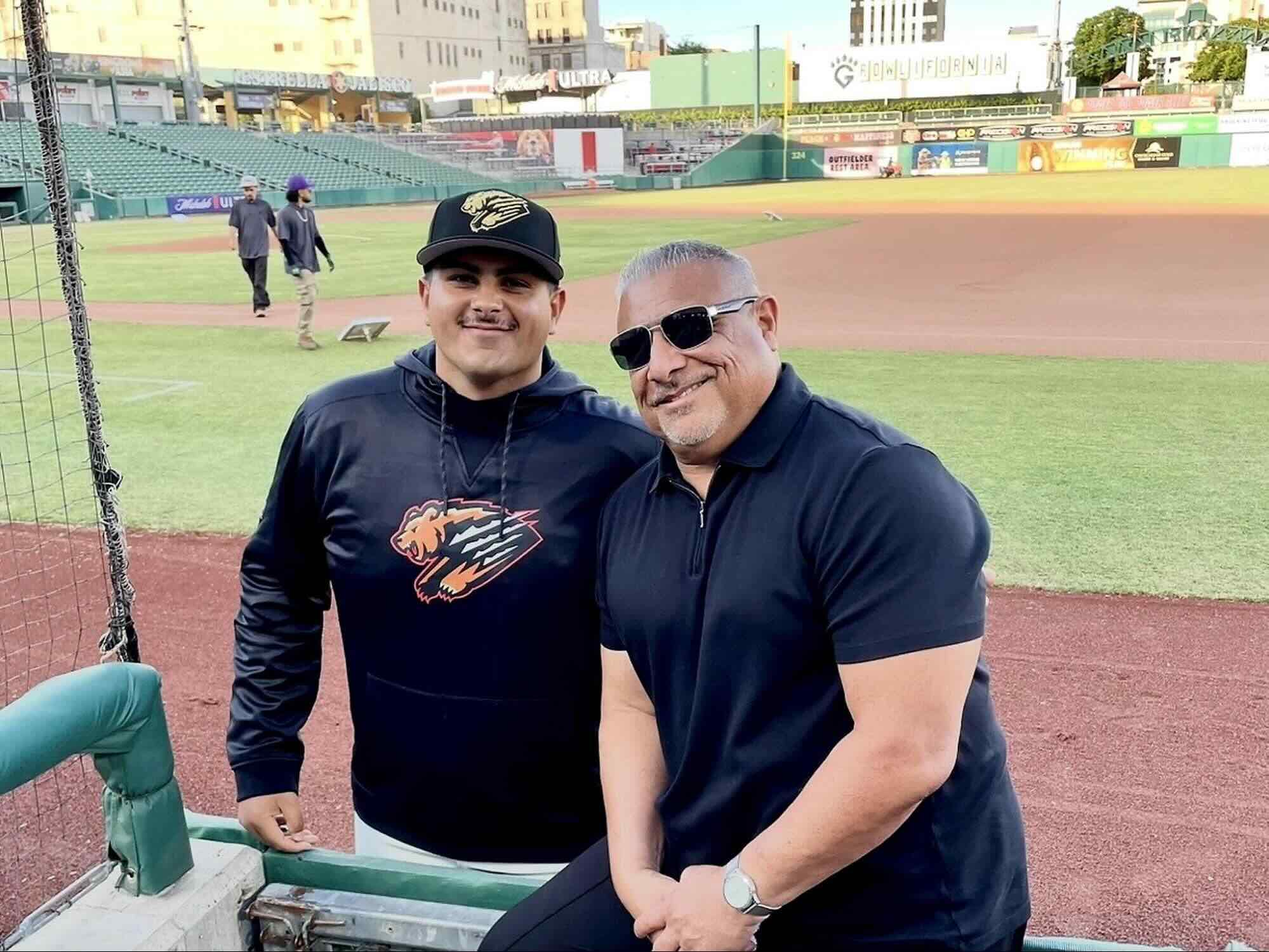
His long-term goal is less about transactions than reputation: he wants “to be recognized as a mentor who spoke truth and educated families about all aspects of the game.”
He currently works with players across Northern and Southern California, Nevada, and Arizona, and plans to keep expanding.
For a family at the start of that maze, unsure which showcase matters or when a coach may call, a guide who has seen every turn is invaluable.
Herrera does not promise that a player will reach the majors. His promise is simpler: that no family should have to walk the path alone when someone who helped build the map is willing to walk it with them.