
 Lyssa-Noel Frater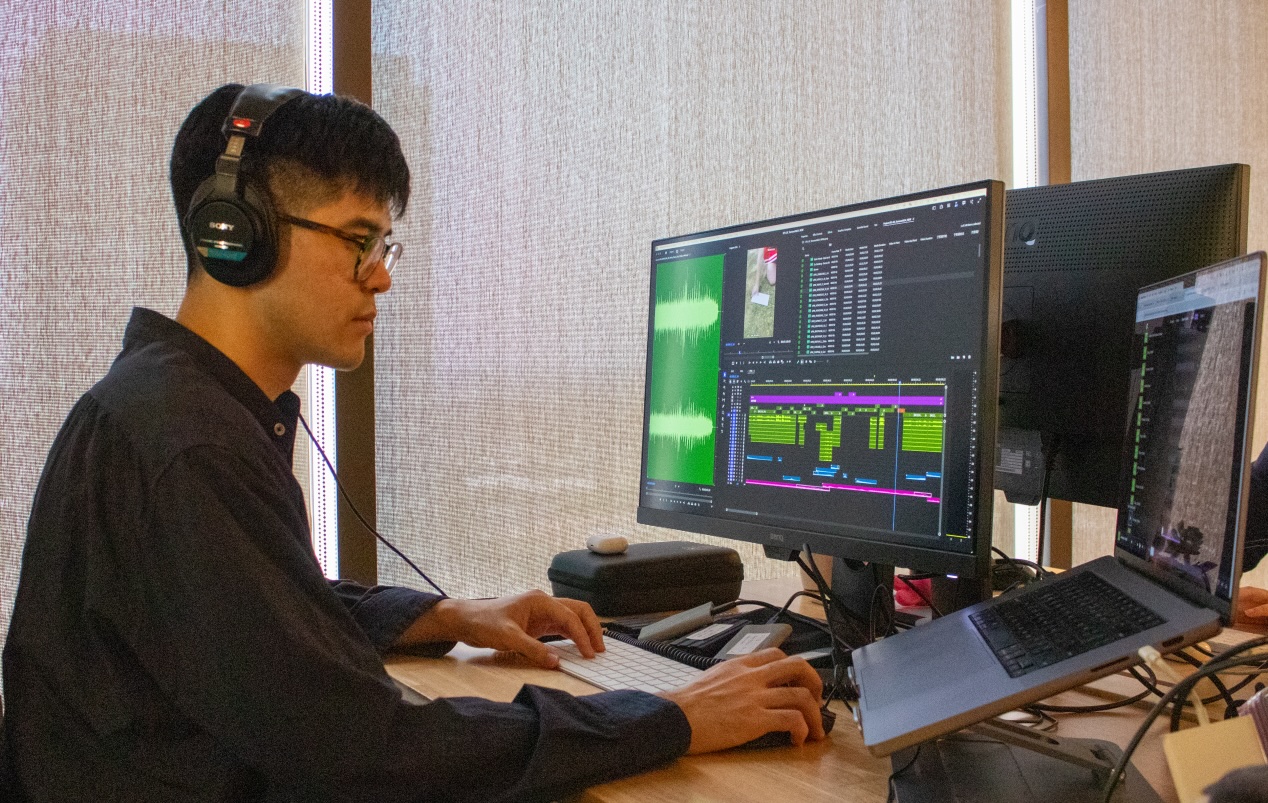
Tiecheng Gu works from COL Media’s Los Angeles post-production hub.
As streaming platforms and social-media feeds shrink attention spans, a new narrative form has surged: the vertical drama. Built for vertical screens, these one-to-three-minute episodes must hook viewers in seconds and leave them craving the next instalment.At the centre of this wave is LosAngeles–based editor Tiecheng Gu, whose cuts have amassed hundreds of millions of streams on juggernauts Sereal+ and ReelShort. By fusing Hollywood-trained story craft with assembly-line speed, Tiecheng is helping codify the grammar of a medium still writing its rules.
A Storytelling-Centric Editing Approach
Tiecheng acquired advanced narrative technique at Columbia College Chicago, where he gained a deep appreciation for performance, story structure, and emotional flow that now informs every editing decision he makes. “My goal is to respect the intent behind each moment and find the emotional core—even for things that only last a minute or two,” he explains. Having just assumed the position of Lead Editor and Interim Post Supervisor at COL Media, Tiecheng heads a massive crew while continuing to keep his hands in timelines. His dual role demonstrates both his creative side and organizational self-control.
What Makes Vertical Drama Different
Traditional episodic workflows buckle under mobile viewing demands, Tiecheng argues. “You have barely five seconds to introduce a character and stakes,” he explains. “Retention is the metric.” Dialogue stays lean, reactions arrive a beat early and cliff-hangers punctuate nearly every minute of runtime. In vertical drama there is no room for wasted frames – every cut must either raise tension or pay off an emotion.
A Technical-Yet-Intuitive Process
Each episode begins with a beat map—hook, reversal, cliff-hanger. Tiecheng places rhythmic markers inAdobe Premiere, temp-scores with trailer-style rises, then alternates blitz cuts with brief silences to let stakes land. Internal screenings arrive color-balanced and lightly mixed so stakeholders judge intent, not raw pixels. This polish co-exists with volume: under Tiecheng, the team ships 60-plus finished episodes a month through a rigorously standardised, cloud-based
pipeline that moves assets and feedback across time zones overnight. Editors share music libraries, assistants tag sound effects into a searchable bin, and anAI voice-synthesis tool generates provisional actor dialogue, letting writers previewADR lines before any studio session and trimming hours from each revision loop.
Proven at Scale
The metrics are unequivocal. My Call Boy Billionaire Daddy has surpassed 330 million views; A Heartbeat Away and Fall Into Sweet Trap have each cleared 200 million (platform analytics, 2025). View-through rates routinely top 80 percent. Critical peers have noticed, too: at the 2024 International Short Drama Festival, Tiecheng’s visually sumptuous My Cold-BloodedAlpha King won Best Visual Effects (Short Drama). The jury—chaired by Oscar SpecialAchievement recipient Richard L.Anderson (Poltergeist, The Terminator) and documentary veteran Harrison Engle—praised its “seamless integration of fantastical VFX into rapid-tempo cutting.” “Vertical series convert casual scrolling into session time,” ReelShort founder Joey Jia told Time, adding that editors who deliver “cinema at TikTok speed” are now indispensable.
Bridging Cultures, Broadening Voices
Chinese-born andAmerican-trained, Tiecheng brings what colleagues call an “instinctive code- switch” to culturally specific material. He safeguards regional idioms, resists flattening nuanced gestures and foregrounds under-representedAsian stories without exoticising them. “The goal is a heartbeat that resonates across languages yet still belongs to its own body,” he says.
Raising the Bar for Phone-Sized Cinema
Despite factory-paced schedules, Tiecheng believes vertical drama can carry authentic emotional depth. “Short-form doesn’t mean disposable,” he argues. “It’s cinema in concentrate.” Upcoming COL slates span multiple genres and regions—from suspense and sci-fi to romantic comedy—each testing just how much narrative heft can fit into a commute-length runtime.
If the medium succeeds, Tiecheng insists, it will be because editors respect audiences’time, however small the screen. “People will watch anything on their phones,” he says. “Our job is to make sure they watch something worth their time.”