
 Will Jones
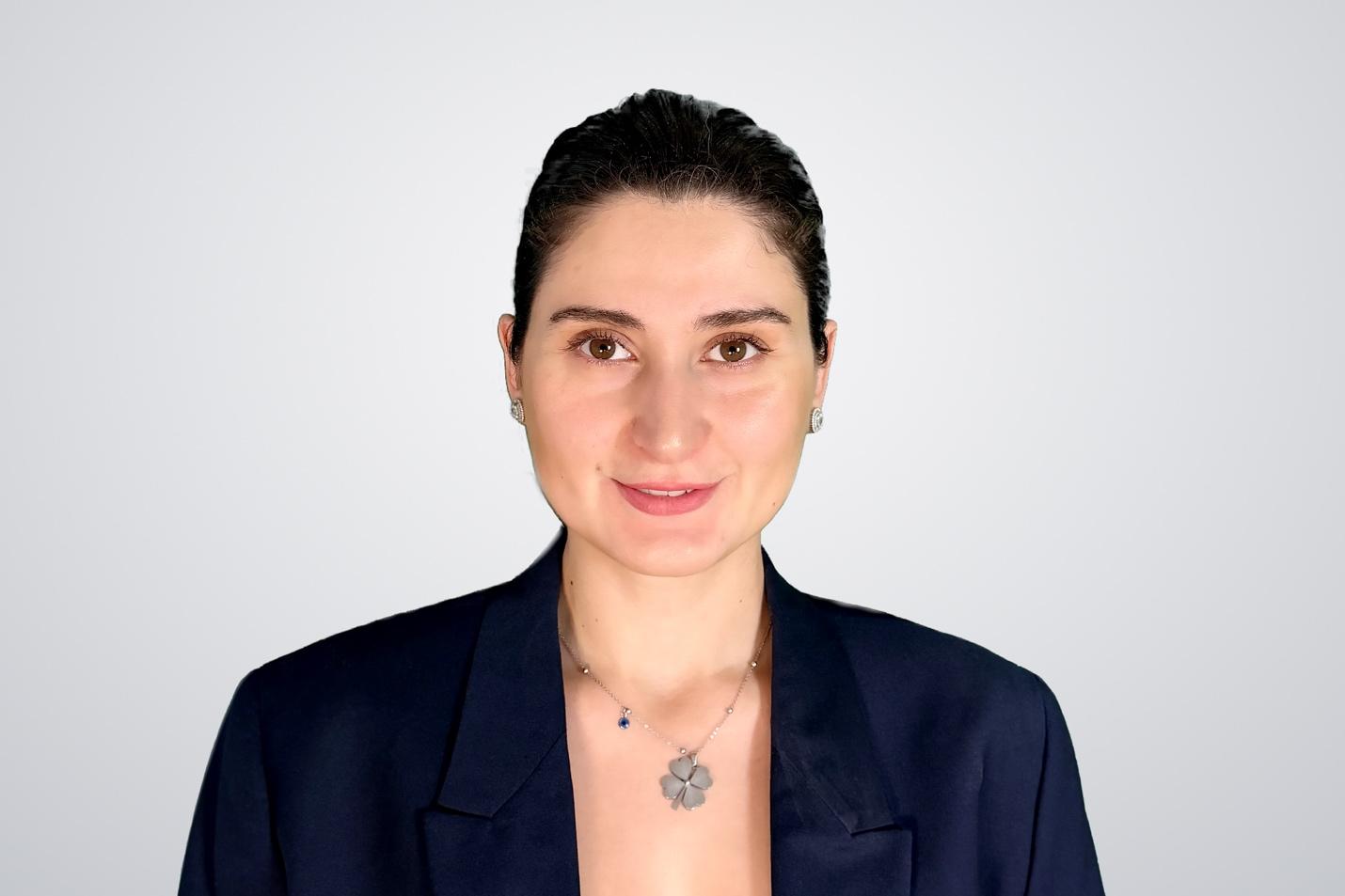
On July 30, 2017, Gülcan Sevindik produced a same-day video report from Maçka Park in Istanbul as the story became national news within hours. It is one example of the field reporting behind a career that now includes independent coverage of U.S. developments for international viewers.
Her work has moved between written technology coverage, animated news bulletins, interviews, and live economic discussions. These formats connect her experience in Turkish digital newsrooms with the reporting and presentation she now manages from the United States.
Sevindik operates an independent digital reporting and multimedia production workflow within the United States. Her first newsroom experience came through undergraduate internships at TRT Documentary and CNN Turk in 2013–2014. She now produces reporting on transatlantic affairs and macroeconomic policy based on public records and primary sources.
She earned a bachelor’s degree in Journalism from Marmara University in 2014. Her work uses video and visual formats to explain U.S. economic and policy developments to international viewers. She also completed graduate-level coursework in Advertising and Brand Communication at Bahcesehir University.
Transitioning to independent news
Her early reporting record includes “What Was Unveiled at CES 2016?” (“CES 2016’da Neler Tanıtıldı?”), a bylined report published by Haberturk.com on January 12, 2016. The assignment placed technology coverage alongside the news editing and social media work she undertook at the outlet.
Sevindik developed her approach after years in Turkish digital newsrooms. “My experience across established Turkish newsrooms, including digital operations at Haberturk and my undergraduate internship at TRT Documentary, provided rigorous training in reporting standards and collaborative editorial production,” she states. That experience informs her approach to source verification and collaborative editorial production.
Her later newsroom record includes work as an internet editor and social media specialist at Haberturk from 2015 to 2018 and a social media specialist at Turkuvaz Media Group from 2018 to 2020. She was the voice and editor of Gündem24, Haberturk.com’s daily animated video news bulletin, launched in June 2017. From 2020 to 2021, her employer was Nasıl Bir Ekonomi, which then published Dünya, Türkiye’s first daily economics newspaper.
An independent media operation allows a journalist to select reporting topics and manage multimedia production. “Founding Gulcan Sevindik Media LLC in the United States enabled me to manage independent reporting projects focused on transatlantic affairs, U.S. economic developments, and societal topics, delivering structured video reporting directly to international audiences,” she notes. Her digital channels distribute reports on U.S. developments to audiences interested in transatlantic affairs.
Managing end-to-end workflows
Her interview with Arda Ayten for Turkuvaz Media Group, dated October 14, 2019, with 35,063 views, brought together the editorial preparation and on-camera presentation involved in a video interview. In 2019, she also edited and presented “FLASHBACK with Gülcan Sevindik” (“Gülcan Sevindik ile FLASHBACK”) for Woman TV; its first full episode received 34,809 views. She later applied those skills to live business broadcasts for Dünya on Clubhouse in early 2021 and wrote news stories for the newspaper based on those discussions.
An ordered workflow keeps research and verification ahead of video production. Sevindik explains, “Managing the full digital workflow requires a structured operational routine where editorial research and verification systematically precede production.” She describes research and verification as the first stages of her production process.
Managing the production cycle allows her to select and develop reporting topics. “Having end-to-end editorial control allows me to select topics based on public significance, structural depth, and long-term socio-economic relevance—such as technology policy shifts, labor dynamics, and regulatory developments—rather than focusing on short-lived social media trends,” she observes. Her topic selection draws on the editorial practices she describes from established newsrooms.
Decoding complex economic shifts
Her March 2026 analysis of oil geopolitics, which received 36,709 views, brought her economic coverage to the attention of the national daily Yeniçağ. The newspaper covered her Türkçe Dünya (formerly ZoomyaTV) analysis on March 9, reporting on her discussion of risks to oil supply and a possible rise in Brent prices. The example shows how her U.S.-based reporting can enter a wider Turkish news discussion.
Translating these dense subjects into accessible formats is a primary function of the independent media analyst. Sevindik states, “When examining major technology and economic developments, my methodology focuses on primary source evaluation.” She uses institutional documentation to support the factual claims in her reports.
She presents the material in video and graphic formats for international viewers. “I then synthesize these dense materials into structured visual formats, using informative graphics and concise analytical breakdowns,” she adds. The method links the visual explanation to the source material used in the report.
Highlighting global policy impacts
Sevindik’s cross-border coverage connects U.S. decisions with potential international effects. Her March 2026 oil-geopolitics analysis, which received 36,709 views, offers a specific example: an analysis presented from the United States became material for a Turkish newspaper’s coverage of energy prices.
Viewers outside the United States may need additional context to interpret U.S. legislative and economic changes. Sevindik observes, “International viewers frequently seek clear explanations of how domestic U.S. policy decisions create downstream global impacts.” Her YouTube playlists on U.S. politics provide a place for viewers to follow that coverage by subject.
Detailed examination of global trade requires mapping the specific connections between distinct institutional actions. “I focus my coverage on explaining structural mechanisms—such as how interest rate shifts, supply chain legislation, or technological regulatory changes in the United States interact with global markets, regional economies, and international trade dynamics,” Sevindik notes.
She is country editor and presenter of a weekly program on U.S. developments for Türkçe Dünya (formerly ZoomyaTV). Through pre-recorded video reports from the United States, she brings the same cross-border focus to the program’s discussions.
Elevating journalistic visual design
Sevindik earned an Associate in Arts in Art/Digital Art at Grossmont College and was named to its Spring 2025 Vice President’s Honor List. Her work was also included in a student art exhibition. She applies this visual training to graphics and video layouts used in her reporting.
Visual communication strategies are particularly effective when explaining the secondary effects of complicated domestic legislation. Sevindik notes, “Standard reporting often covers domestic announcements without detailing international implications.” She uses visual maps and charts to trace the possible effects of policy decisions across borders.
Her visual arts training informs the structure of her analytical graphics. In her economic reporting, visual structure helps separate source data, context, and interpretation.
Enforcing digital media ethics
The rapid proliferation of digital content intensifies the fundamental need for rigorous ethical standards in journalism. For Sevindik, the relevant practice is checking factual claims against accessible records and identifying the sources used in a report.
Objective reporting frameworks guide professional journalists navigating the continuous pressures of immediate digital publishing. “As an SPJ member, I align my independent reporting with the core tenets of the SPJ Code of Ethics: seeking truth and reporting it, minimizing harm, acting independently, and remaining accountable,” Sevindik asserts. She describes the code as a guide to her editorial decisions.
Source transparency and factual verification are central to her independent reporting process. “I confirm factual assertions using official government databases, institutional records, or primary on-the-record documentation before broadcasting, ensuring that independent status maintains established newsroom verification standards,” she states.
“For an independent producer to bring serious topics to tens of thousands of viewers without resorting to sensationalism is a notable achievement, and it speaks to the genuine trust her audience places in her.”- Engin Akpulat, Social Media Manager and YouTube Content Director, Sözcü Televizyonu
Overcoming independent research hurdles
Her move into independent production builds on assignments in which she handled different parts of the reporting process: covering events, preparing interviews, presenting news, and turning live discussions into written reports. Maintaining those activities from the United States also requires a dependable approach to research and publication.
Accessing reliable primary information and accurately interpreting public records are critical components of this autonomous reporting structure. “A key professional challenge has been building reliable independent research channels, mastering the specific nuances of U.S. public record access, and establishing a consistent reporting operation in a new media landscape,” Sevindik notes. Her account identifies public record access and consistent production as practical challenges.
Resolving these operational hurdles involves a strict reliance on verifiable data and the careful management of independent sourcing. She describes a process centered on accessible institutional datasets and evidence-based reporting. “I addressed this by focusing strictly on publicly accessible institutional datasets, maintaining consistent visual quality, and adhering to measured, evidence-based reporting,” she explains.
Forging independent reporting paths
Sevindik draws on her newsroom experience in her independent video reporting. The progression from Haberturk.com’s technology coverage and Gündem24 to interviews, Clubhouse discussions, and Türkçe Dünya (formerly ZoomyaTV) reflects her work across several editorial formats.
Sevindik advises, “My perspective for experienced journalists considering independent digital production is that professional reporting standards and editorial discipline remain the most critical foundations.”
Her account connects newsroom verification practices with digital production skills. “By combining established newsroom verification practices with digital design and technical distribution skills, experienced reporters can build professional, disciplined, and informative independent media operations,” she concludes.
Sevindik’s reporting process combines source verification, editorial research, and digital production. Readers can explore her work through her YouTube channel, her Türkçe Dünya (formerly ZoomyaTV) program, and her newsletter.