
 Wyles Daniel
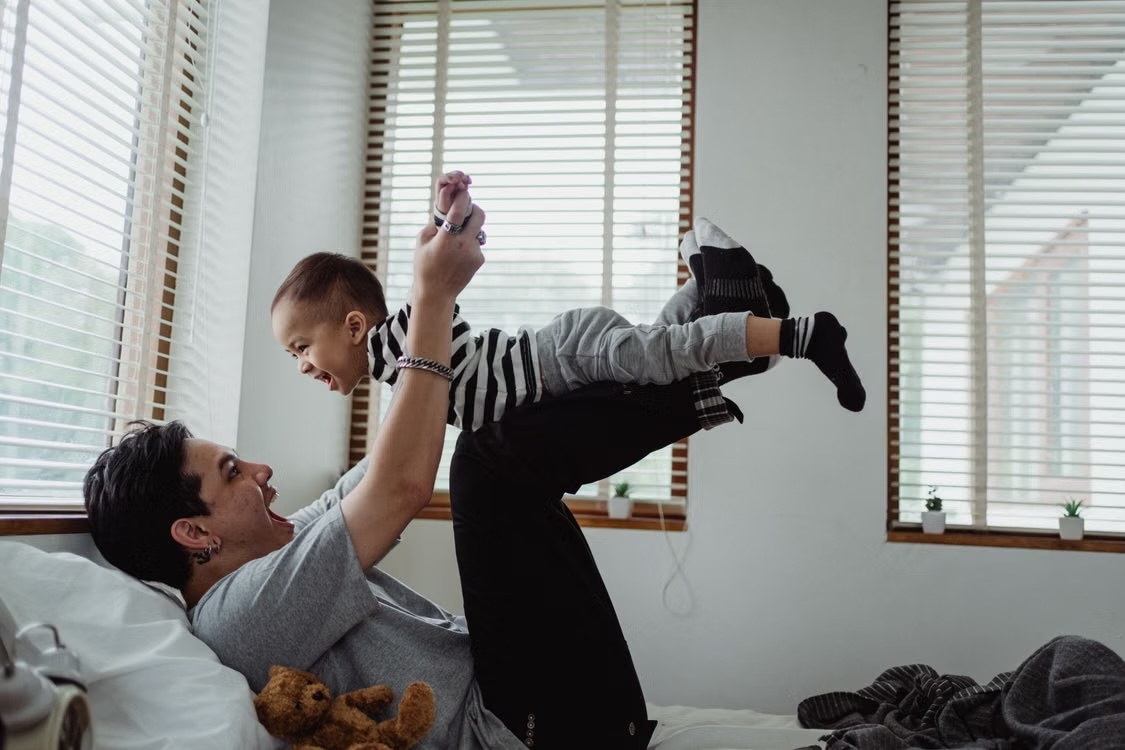
The fever spikes at 2 a.m. There is a sick child to soothe, a thermometer to find, a decision to make about the morning, and no one in the next room to trade shifts with. By 7 a.m., she is emailing her manager, arranging a sitter she cannot really afford, and bracing for a day of work on almost no sleep. For a single parent, this is not a crisis so much as a Tuesday. The defining feature of solo parenting is not any single hardship but the absence of a backup, the relentless reality that when something has to be handled, she is the one who handles it.
Single parenthood is far from rare. The Brookings Institution notes that about one-third of all mothers in the United States today are unmarried, and research confirms that the country has the highest rate of single-parent households in the world. These are not fringe families; they are a mainstream and growing part of American life. Yet the support systems around them often fail to match their reality.
The Weight of Carrying It All
What sets solo parenting apart is the sheer totality of the load. In a two-parent home, responsibilities can be split, even unevenly; someone else can take the night shift, cover a school pickup, or simply listen at the end of a long day. A single parent has none of that built-in relief. She is provider, caregiver, disciplinarian, nurse, and driver, often while holding down a full-time job.
That constant demand takes a documented toll. The Brookings analysis found that 32% of single mothers experience moderate or severe psychological distress, compared with 19% of married mothers, and that single mothers are more than three times as likely to face severe distress. As the researchers are careful to note, this gap reflects circumstances rather than character. Doing the work of two people with the resources of one would wear anyone down.
The Loneliness Behind the Logistics
Beneath the practical strain runs a quieter difficulty: isolation. A single parent frequently lacks the daily adult connection that a partner provides, the person to debrief with once the kids are asleep. Friends may be stretched thin with their own families, and the logistics of solo parenting leave little room for a social life. The result is a parent who spends her days surrounded by people who depend on her and her nights largely alone.
Social support is known to buffer stress, but accessing it is precisely what single parents struggle to do. Support groups meet at inconvenient hours, outings require childcare, and asking for help can feel like an admission of failure to someone already carrying guilt about not doing enough. The very isolation that wears a single parent down is among the hardest things for her to fix on her own.
Compounding the loneliness is a lack of anyone to share the invisible mental work of running a household. In two-parent homes, even imperfectly, some of the planning, remembering, and worrying can be handed off. A solo parent holds all of it: the permission slips, the co-pays, the birthday gifts, the quiet dread about whether she is doing enough. That unbroken vigilance, with no one to spell her, is its own form of fatigue, and it rarely shows up in a way others can see.
The Catch-22 of Getting Support
Here lies a cruel irony. The parents who most need mental health support are often the least able to reach it. Traditional therapy asks for time a single parent does not have, money that is already stretched, and childcare for the hour of the appointment itself. Each barrier is small on its own, but stacked together they can make professional help feel out of reach, one more item on a list that never ends.
This is exactly where the case for accessible, flexible support is strongest. When therapy requires a commute, a sitter, and a rigid weekly slot, a single parent may reasonably conclude she cannot manage it. When it comes to her instead, on her schedule and after the kids are in bed, the calculation changes entirely.
Support That Comes to Her
Online therapy removes most of the obstacles that keep solo parents from getting help. BetterHelp connects users with licensed professionals through video, phone, live chat*, and messaging, which means a session can happen at the kitchen table after bedtime rather than in a distant office during work hours. No commute, no sitter, no rearranging an already impossible day.
The format fits the rhythm of solo parenting in a way traditional care rarely does. Asynchronous messages between sessions let a parent offload a hard moment when it happens, whether that is a meltdown at dinner or a wave of doubt at midnight. BetterHelp’s own library speaks directly to this experience, including BetterHelp’s resources for single parents, which acknowledge the particular pressure of raising children without a partner to lean on.
Making Care Affordable
Cost is often the final barrier, and it is one that has grown easier to clear. BetterHelp works with several major insurers in a growing number of states, and eligible members can explore payment options before starting, though coverage depends on plan, provider, and location, and the service does not work with Medicare or Medicaid. For members whose plans qualify, copays tend to average around $23 per session**. For those without qualifying coverage, the subscription runs between $70 and $100 per week, and payments through Health Savings Accounts and Flexible Spending Accounts let many people use pre-tax dollars toward care.
Pricing is based on factors such as your location, referral source, preferences, therapist availability, and any applicable discounts or promotions that might apply.
Independent reviews describe how the model works in practice. Everyday Health confirms that the platform pairs users with licensed clinicians, Innerbody’s assessment examines its vetting standards, and a Top10 review points to its accessibility and licensed network as core strengths. For a parent counting every dollar and every minute, a lower-cost option that requires no travel can be the difference between getting support and going without.
The One Thing That’s Easy
There is a reframe worth offering the single parent who assumes therapy is one more burden she cannot take on. Support does not have to be another box to check. Done well, it can be the single dependable thing in a week full of variables, a standing point of contact focused entirely on her rather than on everyone who needs her.
The platform can match a woman with a BetterHelp therapist experienced in parenting stress, burnout, or life transitions, drawing on a large network of licensed professionals. That consistency matters for someone whose own needs are always last in line. A therapist offers what a solo parent rarely gets: an hour that is hers, a relationship that asks nothing of her except honesty, and steady help managing single-parent burnout before it hardens into something heavier.
None of this erases the structural challenges of raising children alone, and no app can hand a tired parent a partner to share the load. What accessible support can do is make sure the person holding everything together does not have to hold herself together entirely on her own. A single parent gives care constantly; she deserves a reliable place to receive some in return.
Anyone experiencing an acute crisis or thoughts of self-harm should seek urgent, in-person care or contact the 988 Suicide and Crisis Lifeline, which offers support at any hour. Additional hotlines are compiled on BetterHelp’s Get Help Now page.