
 Will Jones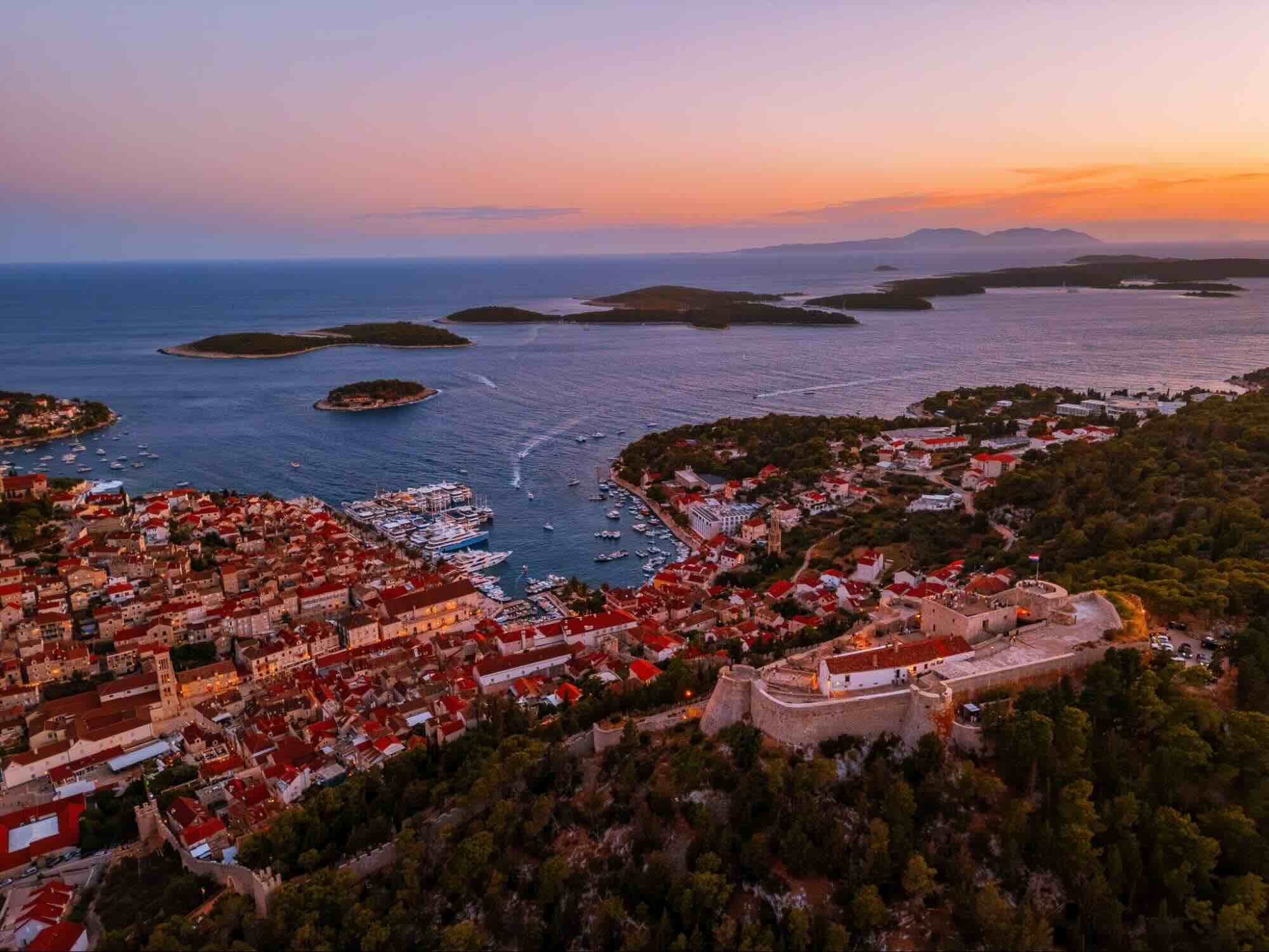
Courtesy of Hvar Tourist Board
Hvar has a problem that most European islands would consider a gift. The people who go there keep coming back, and they keep telling other people, and those people also keep going. It’s been this way for quite a while. It started with the Venetians, who claimed it in the 13th century and held it for four hundred years. Before them, the Greeks. Before the Greeks, the Illyrians. Everyone who reached the Adriatic seems to have made the same calculation about this particular island and come to the same conclusion.
The reason becomes clear about five minutes after you arrive. The energy of the island is the kind that people in Los Angeles spend careers chasing. What makes it feel luxurious is the same thing that makes it feel old. The stone, the harbor, the square, and none of it was designed for show, but it did end up having that effect. And the golden hour, one that cinematographers talk about as if it’s a brief daily miracle, here lasts most of the day.
A Town Built for People Who Notice Things
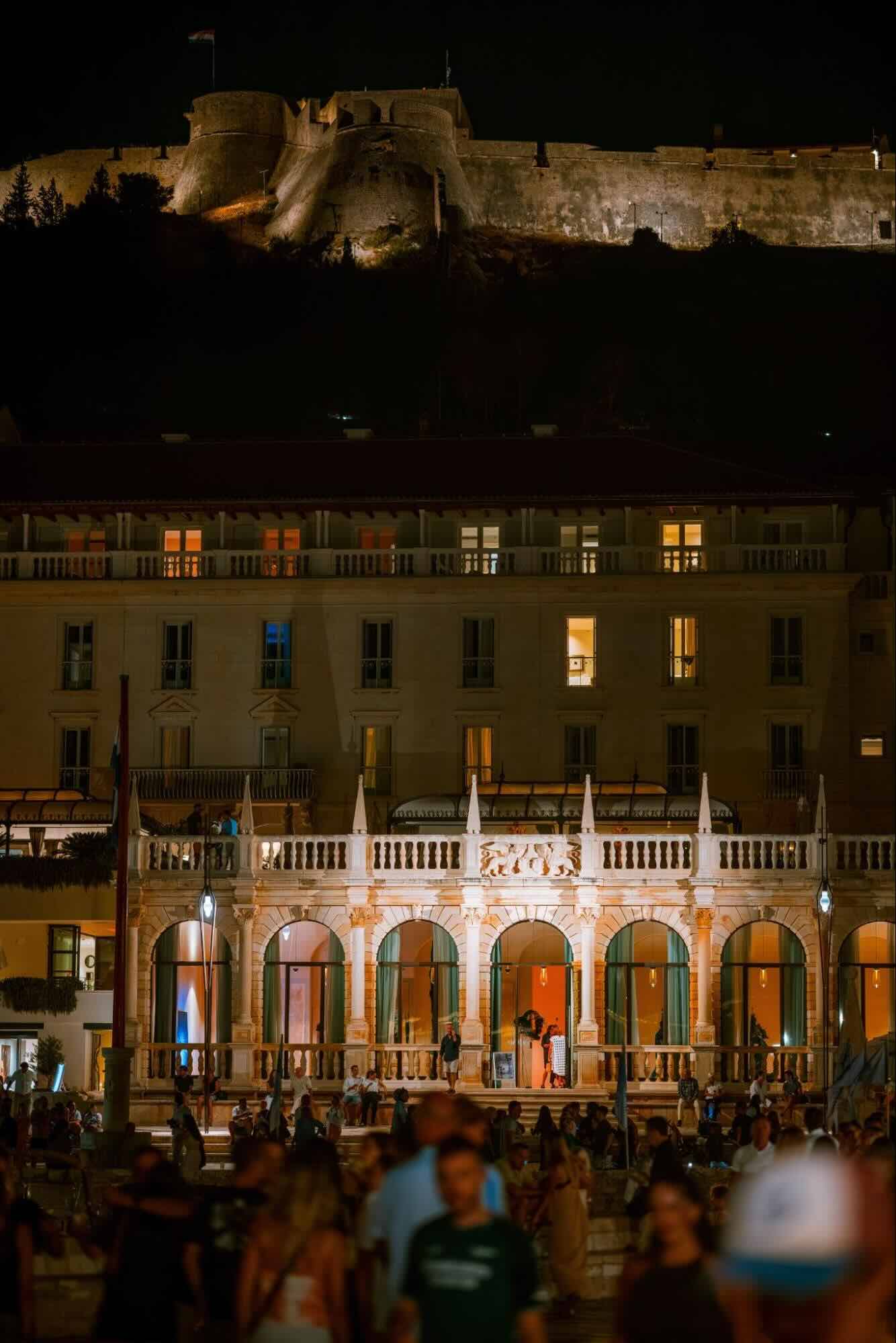
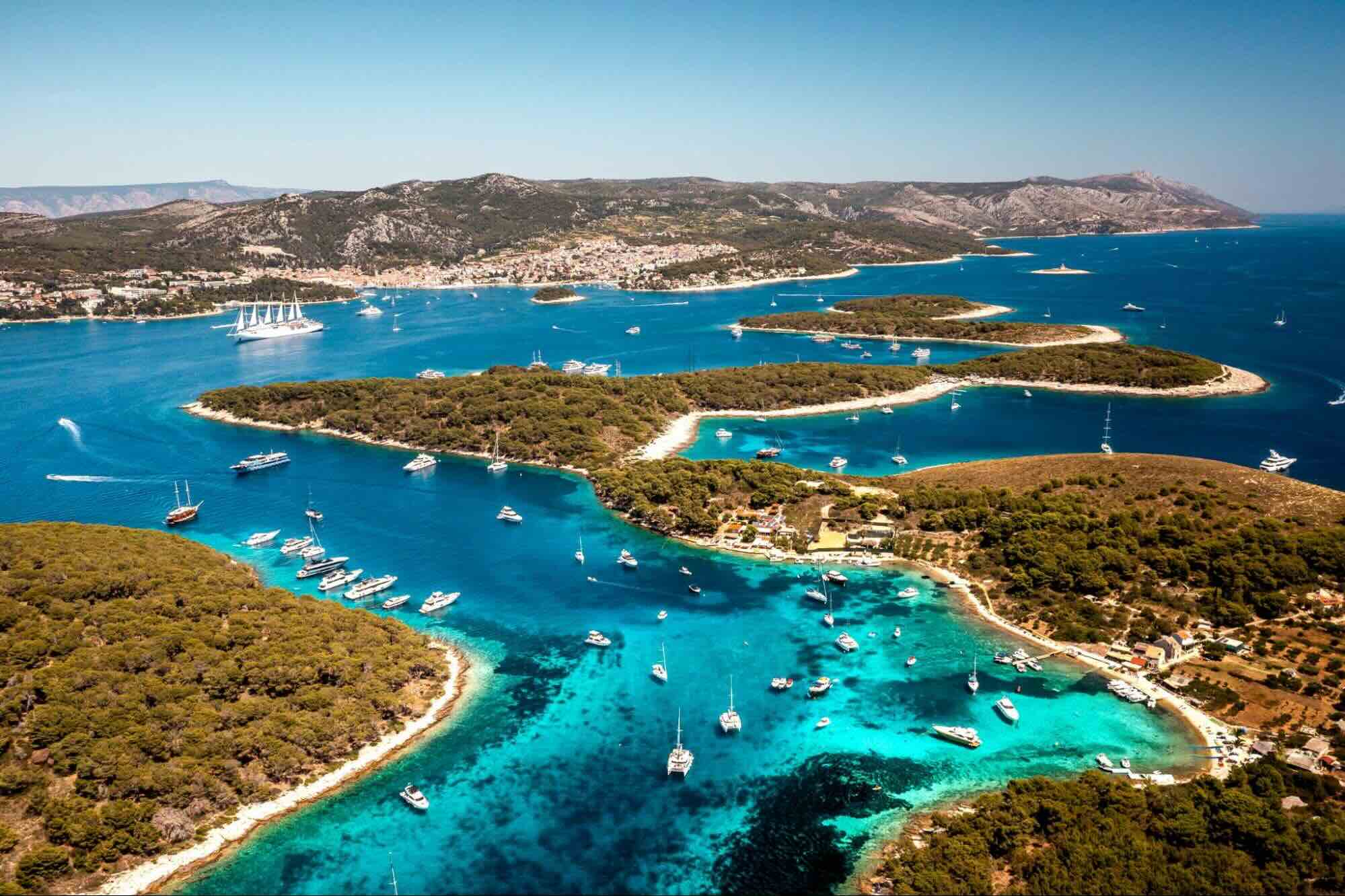
Hvar Town sits around a harbor and a 16th-century square framed by Venetian stone that has darkened beautifully over four centuries. The Fortica fortress watches from the hill above, and the view from up there, the Pakleni Islands scattering into open water, the terracotta rooftops below, the boats tracing white lines across the bay, is the kind of composition a location scout would call in. The island has been drawing painters, photographers, and writers for generations, not with ads, but because the raw material is genuinely hard to pass up.
Culture With Roots Deeper Than the Season
Courtesy of Hvar Tourist Board
Klapa, the a cappella singing tradition of the Dalmatian coast, holds UNESCO recognition, and in Hvar Town’s courtyards, you can hear it performed by people who grew up singing it, in courtyards they have known their whole lives. The sound carries differently in stone. In Stari Grad, on the island’s quieter northern coast, an agricultural plain behind the town has been farmed according to the same Greek-designed grid since 384 BC. The Benedictine nuns in Hvar town make lace by hand from agave leaf thread, each piece taking months. A working ceramicist or a painter looking for a place where craft is still taken seriously, where the process matters as much as the product, finds Hvar makes a convincing argument.
What Ends Up on the Table
Courtesy of Hvar Tourist Board
In a city where every restaurant has a story about itself, Hvar’s food culture is confident enough to skip the narrative. Gregada, the island’s own fish stew, has been made here long enough that the recipe exists in every family rather than every cookbook. Goat cheese from hillside farms, preserved in oil and herbs. Plavac Mali from terraced vineyards above the coast, dense and mineral, and not widely exported, which means drinking it here is the point. And paprenjak, a honey and spice biscuit the island’s women made for sailors 800 years ago, is still sold in the same stone towns where it was first baked, for sailors who no longer exist but whose taste continued for generations.
The Pace Is the Thing
There is a specific kind of tired you get on Hvar. The kind that comes from swimming and walking and eating well and staying up late for no reason. The kind that feels like something was added rather than taken away. The days are long and the evenings longer, and somewhere in between, the life you flew in from starts to feel very far away. Hvar has been producing that effect for centuries, on Greeks and Venetians and painters and sailors and people who came for a week and started asking about winters. Nobody has figured out how to bottle it, which is the real reason people return.