
 Erik Glode and Michele Stueven
The second season of Amazon MGM Studios and Kilter Films’ critically acclaimed hit series Fallout premieres this week globally on Prime Video, masterfully and meticulously shot on film and produced by one of the new Hollywood guards, Jonathan Nolan.
Based on one of the most popular video game series of all time that originally came out in 1997, Fallout is the story of haves and have-nots in a world in which there’s almost nothing left to have. Two hundred years after the apocalypse, survivors of luxury fallout shelters are forced to return to the irradiated hellscape their ancestors left behind.
The show stars Ella Purnell (Yellowjackets, Sweetpea), Aaron Moten (Emancipation, Father Stu), Walton Goggins (The White Lotus), Kyle MacLachlan (Twin Peaks), Moisés Arias (The King of Staten Island), and Frances Turner (The Boys).
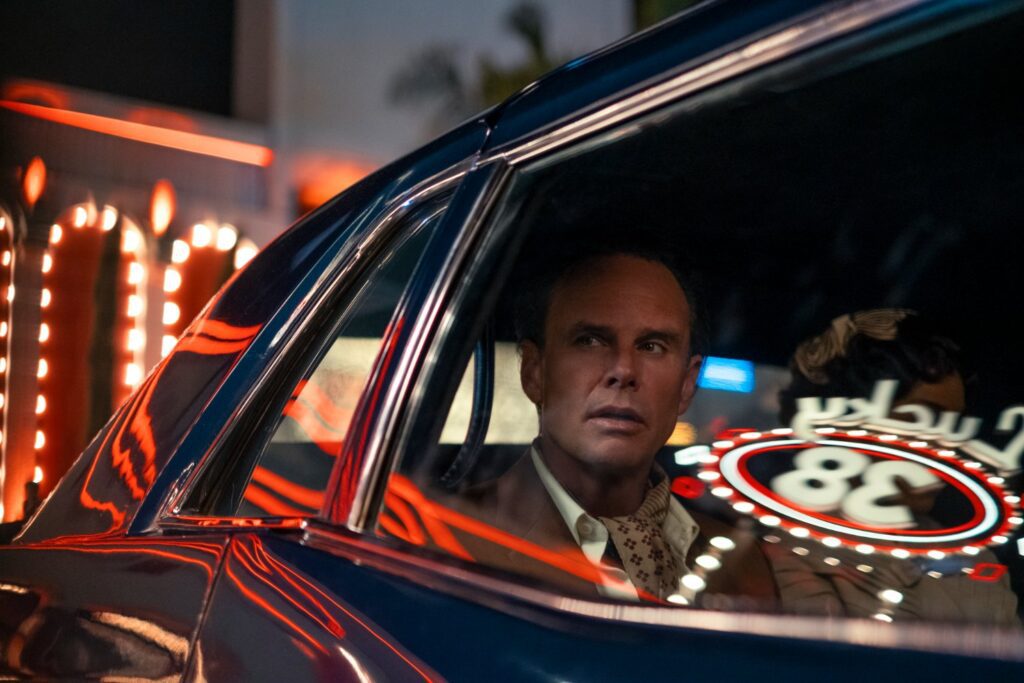
Walton Goggins in “Fallout” season 2 (Lorenzo Sisti/Prime Video)
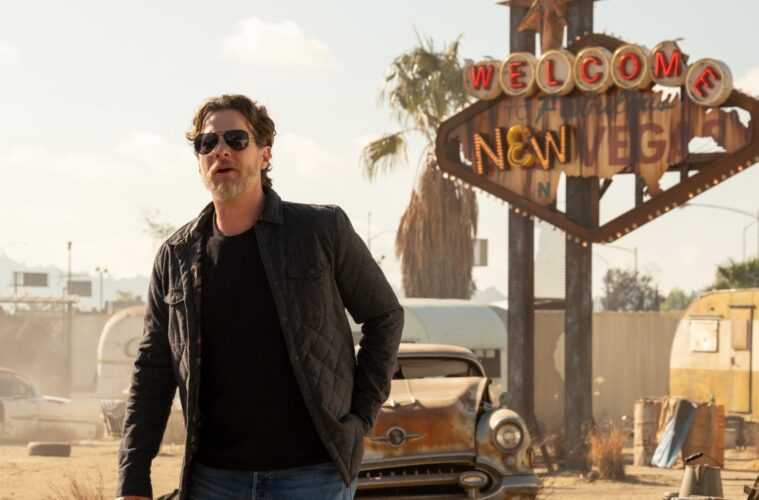
The new season will pick up in the aftermath of season one’s finale and take audiences along for a journey through the wasteland of the Mojave to the post-apocalyptic city of New Vegas. The highly anticipated eight-episode season will premiere today, with one episode rolling out weekly until the season finale on February 4, 2026, exclusively on Prime Video.
As our media diet becomes more diverse, blending gaming with streaming content and social media, the success of the show is yet another example of how the Hollywood landscape is changing and how gamers are helping to resuscitate the business.
And despite the continuous negative chatter on sets around town, Nolan, brother to Academy Award-winning movie wunderkind Christopher, firmly believes that Los Angeles will always remain the epicenter of the film industry.
“What I discovered 26 years ago when I first moved to LA was the power, efficiency, and grandeur of working with a Hollywood film crew,” the London-born Nolan, who is known to friends and family as Jonah, tells LA Weekly.
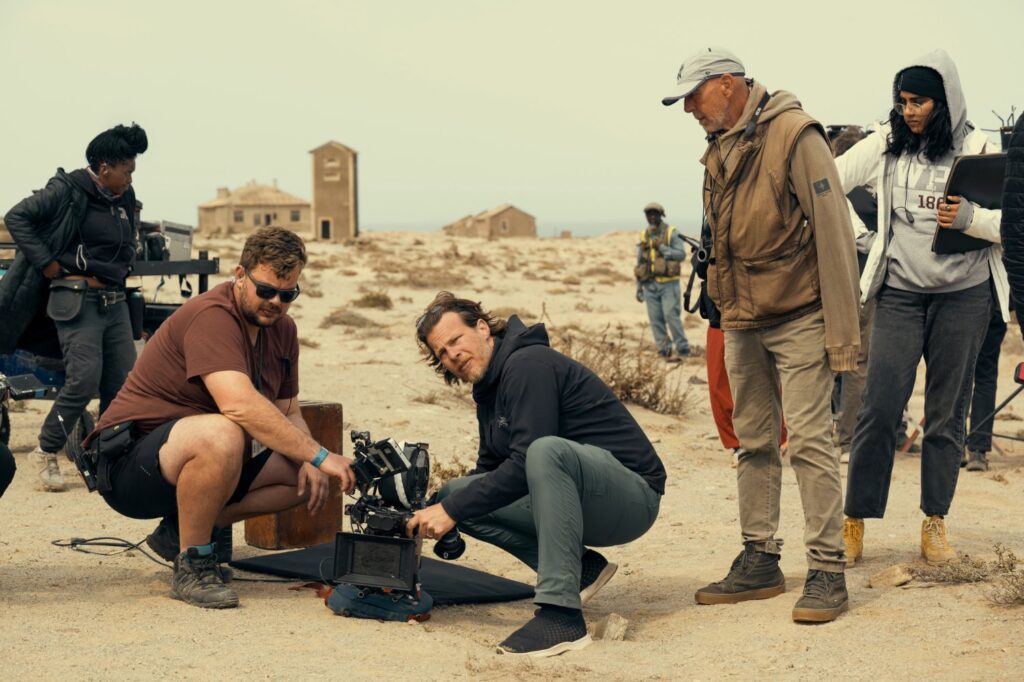
(JoJo Whilden/Prime Video)
“You can do anything,” he says. “You can create whatever genre or reality you want. There are a lot of places where you can find incredible economic incentives, but you show up, and there’s no crew or resources. Honestly, I can watch a movie or a show, and within about three or four minutes, I’ll know where it was shot. You can tell immediately by the quality. You talk to people all the time who shoot in places where they got the best rebate, but the dolly grip doesn’t know how to operate the dolly and just checked “dolly” on the resume because they had experience moving furniture. That’s what happens when you don’t shoot in Los Angeles.”
Runaway production was already part of the conversation when Jonah came to LA and shot Memento with his brother Christopher. Just as he arrived, everyone was leaving the party.
Since then, he and a grassroots coalition of filmmakers, showrunners, crew members, actors, and others in the Hollywood community launched the Stay in LA movement to help keep production and jobs in Los Angeles and support the collateral businesses.
“Look, I get it,” says Jonah, who, like his brother, prefers to shoot the more costly film process over digital because they both feel it’s the best image capture system, resulting in more beautiful images and flesh tones.
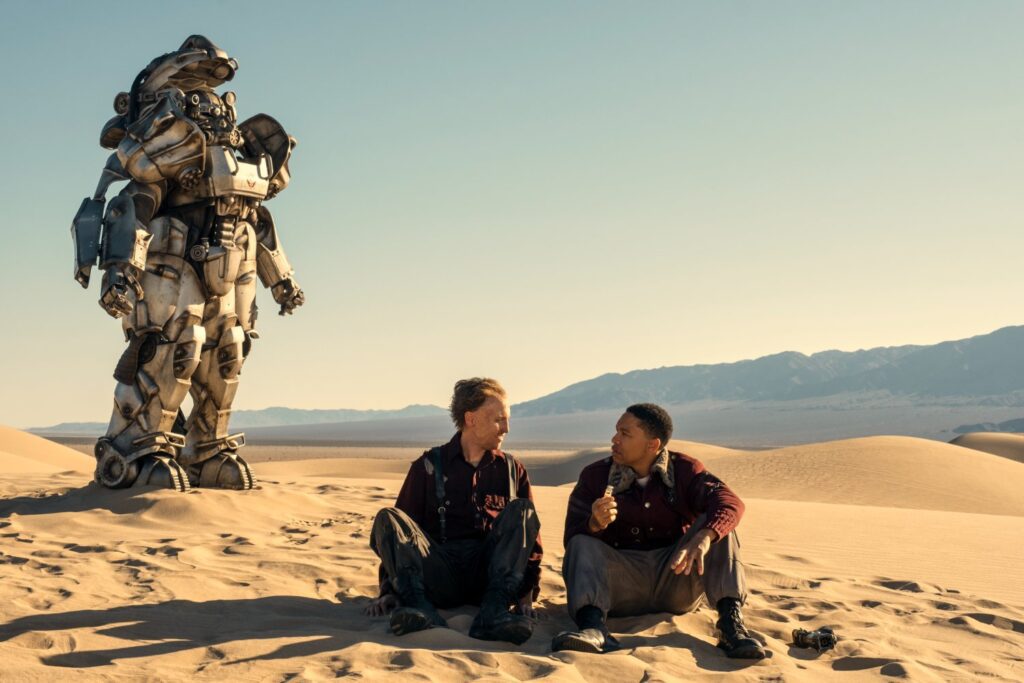
“Fallout” season 2 (Lorenzo Sisti/Prime Video)
“Everyone’s trying to do what they can to get their project made,” he says. “Making movies and shows is incredibly difficult and challenging. But participating in a system in which where you shoot doesn’t matter and it’s just about the bottom line and how much money you can make is counterproductive.”
Jonah believes the revamped tax credit is a huge step in the right direction, and permitting, streamlining approvals, and cutting red tape across the city will also help.
Recently, the Baywatch reboot secured a significant 40% tax credit from California’s Film Commission to shoot in Los Angeles, bringing the show back to its original location after it had previously filmed elsewhere. And according to the Hollywood Reporter, the untitled Universal Pictures Snoop Dogg biopic from Hustle & Flow director Craig Brewer just secured more than $17 million in tax credits from the California Film Commission’s program to film in the state.
“I think, and I hope that we’ve rounded a corner now,” says Jonah, whose next TV project will be based on one of the most historic video games of all time, Wolfenstein.
“We all gripe about Sacramento, but I spent some time with those legislators who actually came to our set at an incredibly challenging moment and listened,” he says. “They passed some really smart legislation that is going to help turn the fortunes around in Los Angeles.”
The Emmy Award winner also admits that producers play a role in taming runaway production.
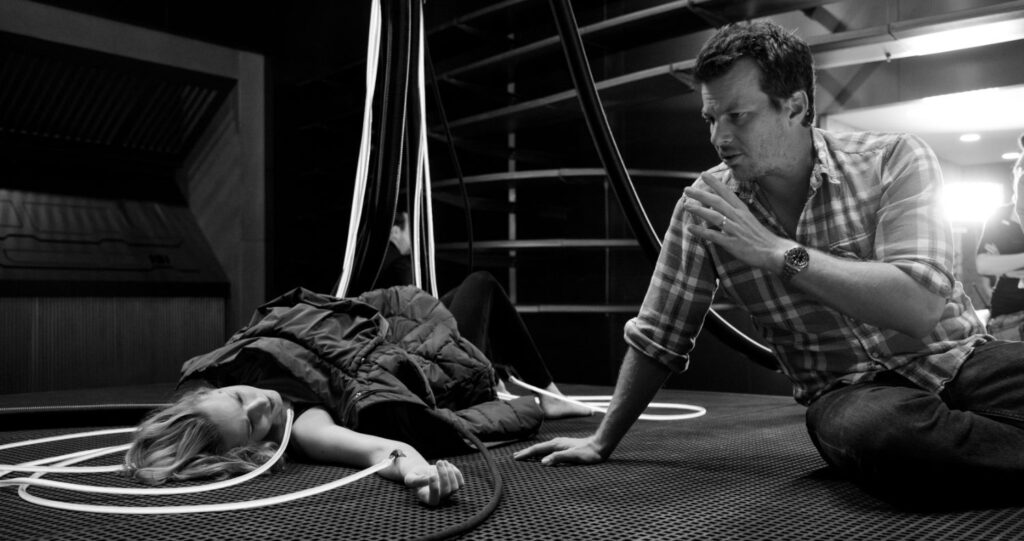
Nolan behind the scenes (John P Johnson/Kilter Films)
“It’s going to require producers like me to actually take responsibility for the decisions they make,” he says. “ It’s not good enough to just save some massive corporate entity money. And on a qualitative level, you can tell in a couple of minutes when someone has gone for the money instead of the expertise. It impacts their ratings and reception. When you go for the lowest bidder, you get what you pay for.”
“LA will never be the cheapest place in the world to shoot,” he says. But it will remain the best place in the world to shoot. It’s up to individual producers and the heads of production at all the studios to think a little bit about the impact their decisions have on their community.”
Jonah credits other contemporaries like Ryan Murphy, who is famous for making use of some of California’s greatest locations, like the King Gillette Ranch in Calabasas and historic LA restaurants. You can’t take the city out of Quentin Tarantino either.
“One of the bittersweet things for us with the revamped tax incentive is we will be competing for that great crew and those great locations,” says Jonah. “It might make life a little less easy for us producers but a lot better for our community.”