
 Daniel Fusch
L.A.-based creative producer Zikun Wu is building her career inside vertical drama, one of entertainment’s fastest-moving formats, where a project can move from preparation to completed shoot in about two weeks.
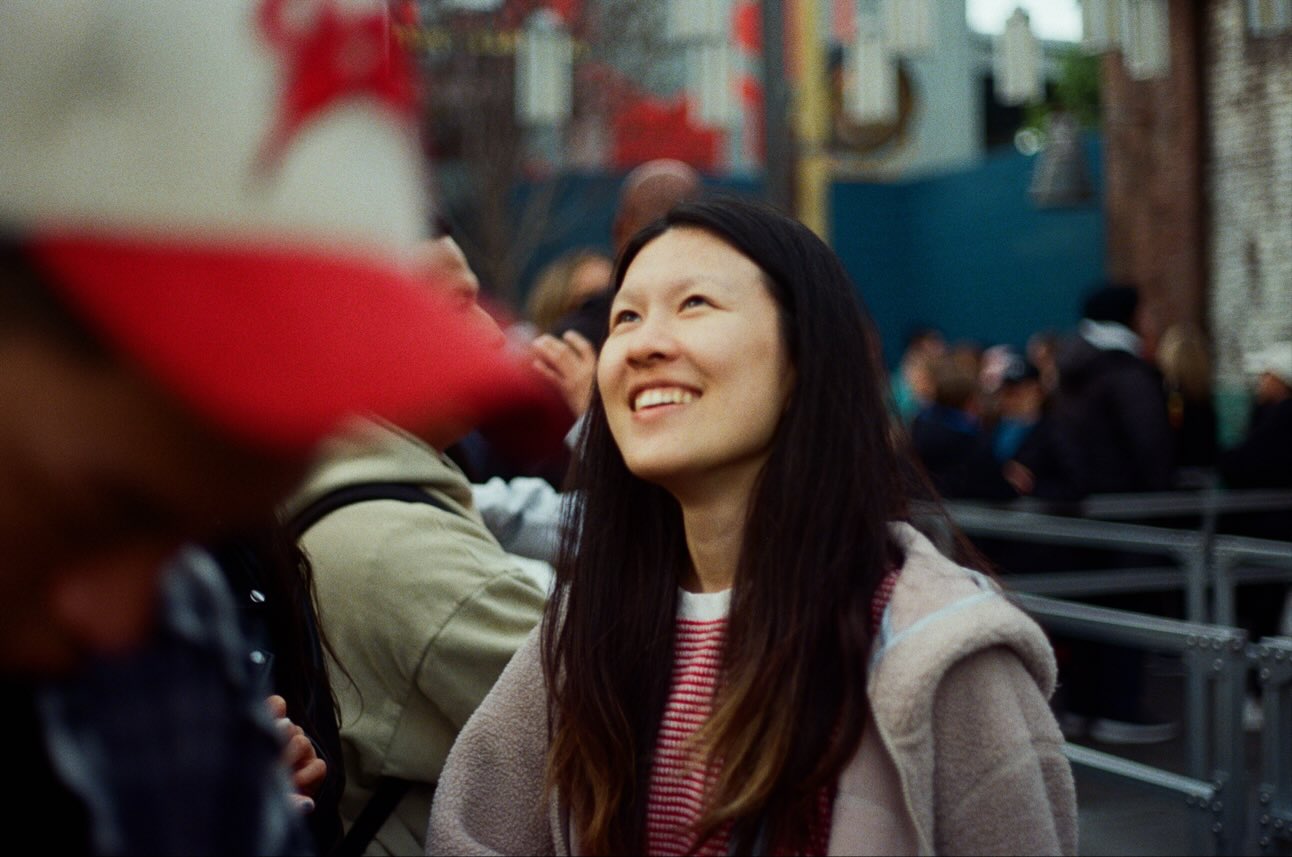
Image credit: Zikun Wu
As mini drama platforms expand across global markets, the production demands behind the format have become increasingly intense. Scripts, casting, locations, wardrobe, poster planning, shoot coordination, post-production, and platform delivery often move at the same time. For a creative producer, speed is not only a scheduling issue. Every decision must also consider whether the story, performance, visual style, and emotional hook can work for a mobile-first audience.
Wu has worked as a creative producer on vertical drama projects including Callboy Punishes Me After Sunrise, Saved by a Gardener on My Wedding Day, Mute But Deadly, Her Final Bet, Fated to My Ruthless Solider and Call Me Stepmom, Fxxkboy. Her recent credits connect her to major players in the short-form entertainment space, including ByteDance-related productions, Dramabox, and iDrama, placing her inside a production ecosystem built around high-volume output, fast packaging, and platform-driven storytelling.
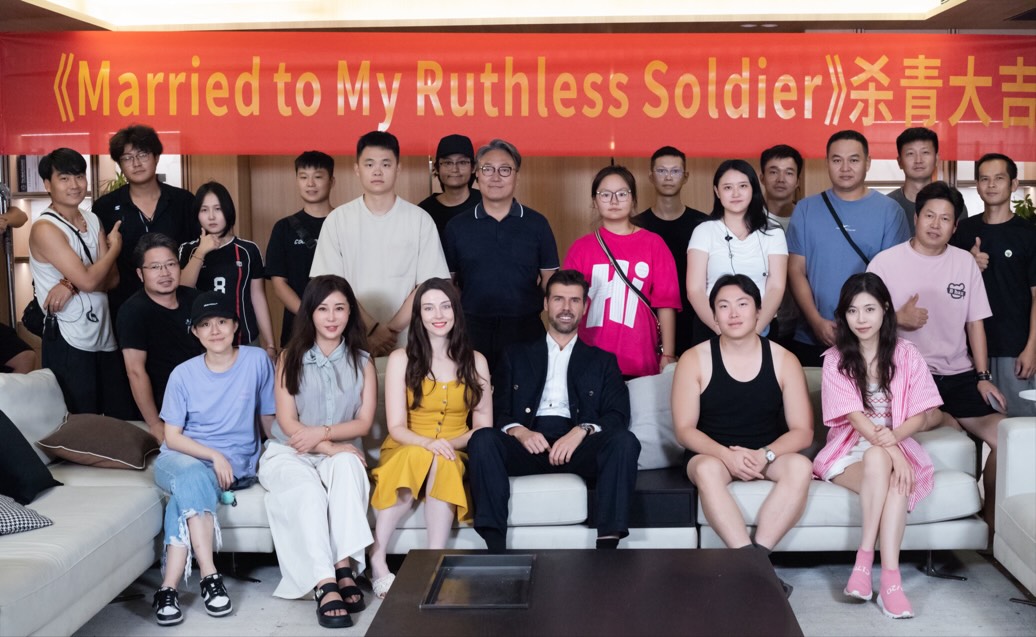
Image credit: Zikun Wu
That pressure changes the role of a creative producer. In vertical drama, the work is not only about moving one project through production. Wu may be following post-production on the previous drama, controlling the current shoot on set, and preparing the next project at the same time. With multiple titles moving through the pipeline, the creative producer has to make fast judgments across script, casting, performance, poster direction, editing rhythm, and audience positioning.
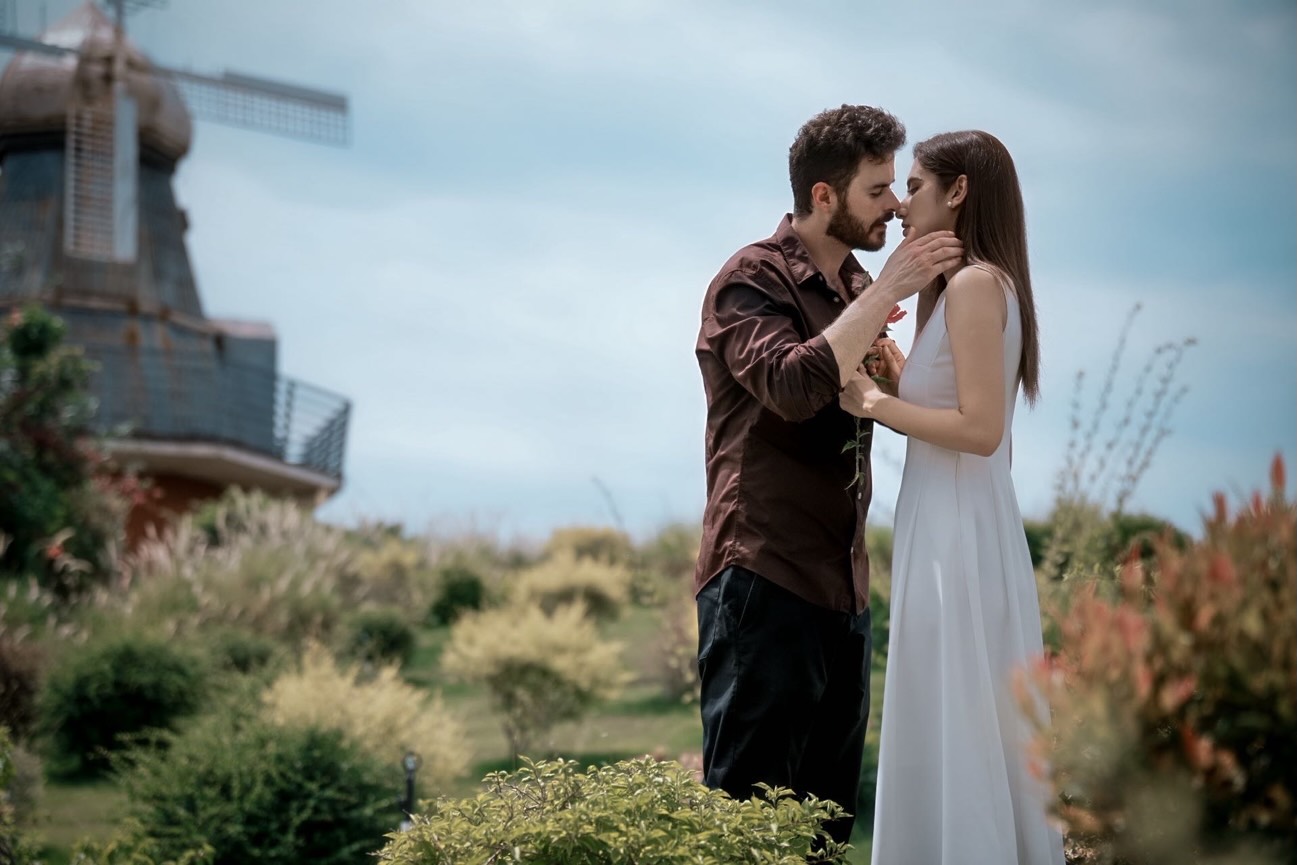
Image credit: Zikun Wu
Those judgments are especially important in overseas vertical drama, where many projects are designed for American and international viewers while drawing from production methods shaped by the Chinese mini drama market. A creative producer has to ask whether the setup is clear enough, whether the emotional stakes arrive fast enough, whether the characters read naturally to U.S. audiences, whether the casting supports the genre promise, and whether the final package can hold attention in a crowded mobile feed.
Wu sees that speed as one of the defining features of the format. “Vertical drama moves very fast, but that does not mean it is easy,” Wu said. “You have to understand what the audience wants immediately. The hook has to be clear, the emotion has to land quickly, and every department has to move in the same direction.”
The pace of the market can also be seen on the ground in China’s production hubs. “In Hengdian, you can see one building with five floors, and each floor has a different crew shooting at the same time,” Wu said. “There are many sets like that. It shows how industrialized this format has become, and how much pressure there is on creative producers to make quick, accurate decisions.”
Wu’s work on projects including You Fei and Tiger and Crane, connected to major platforms such as iQIYI and Tencent Video, along with her exposure to commercial feature-film development through Warner Bros, gave her experience with both Chinese platform storytelling and larger-scale production systems.
That background allows her to move between different production systems and content expectations. In overseas vertical drama, projects may involve Chinese creative or financing teams, English-language performers, U.S.-based shoots, international post-production workflows, and platform-specific delivery standards. The creative producer’s job is not only to keep the production running, but to make different teams, resources, and market instincts work together quickly.
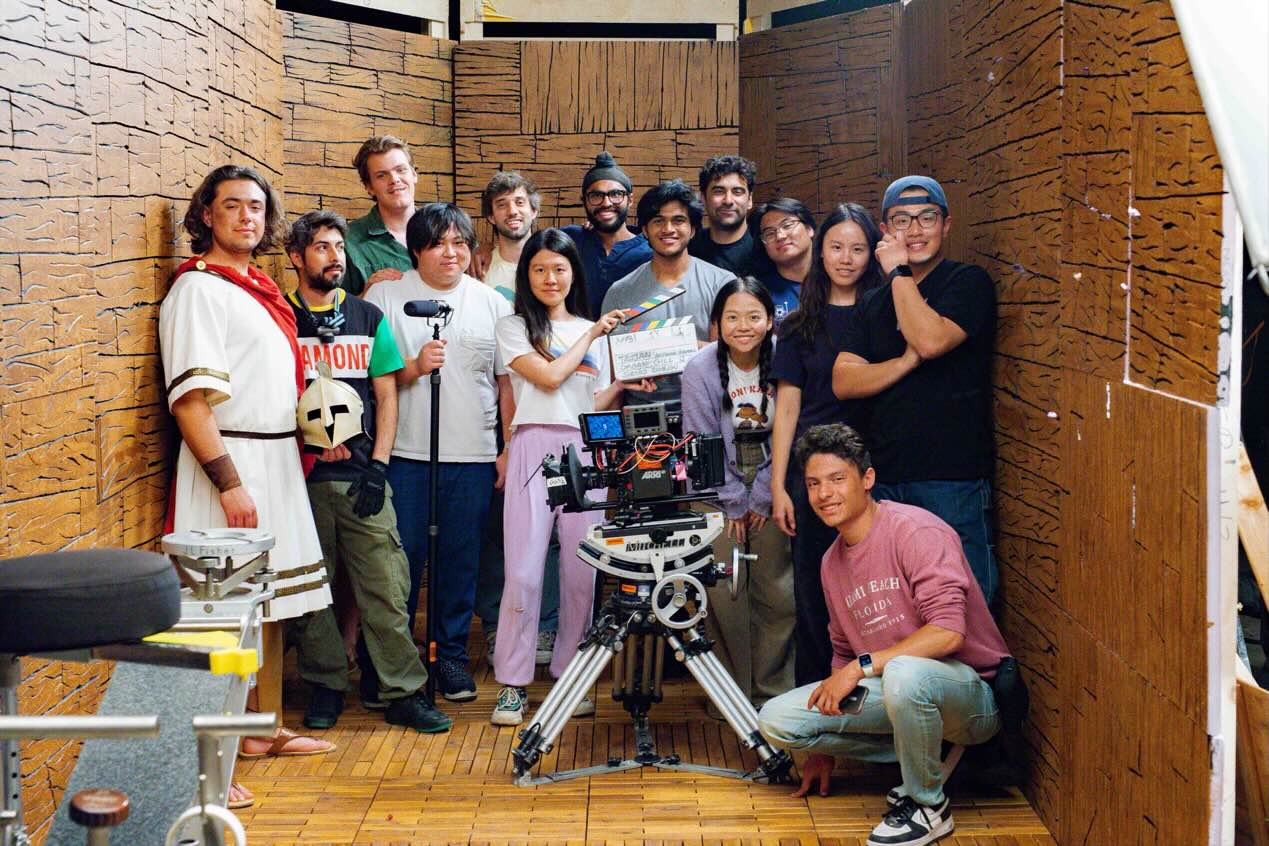
Image credit: Zikun Wu
In that sense, Wu’s work shows what vertical drama is becoming: not just a new screen format, but a high-speed production pipeline that depends on creative producers who can read audience demand, package stories quickly, coordinate across borders, and keep multiple projects moving without losing control of the story.