
 Sarah Mahmoodi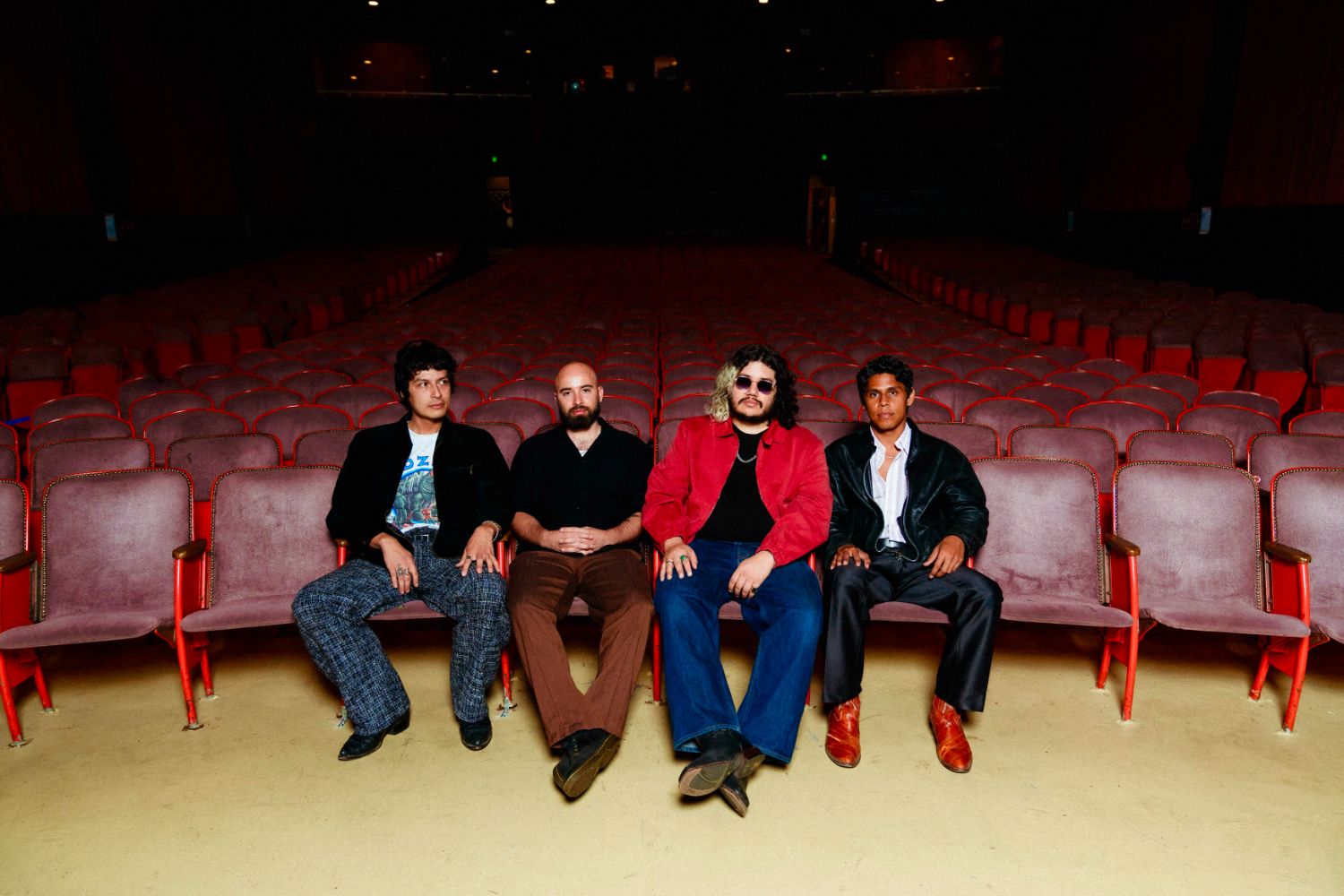

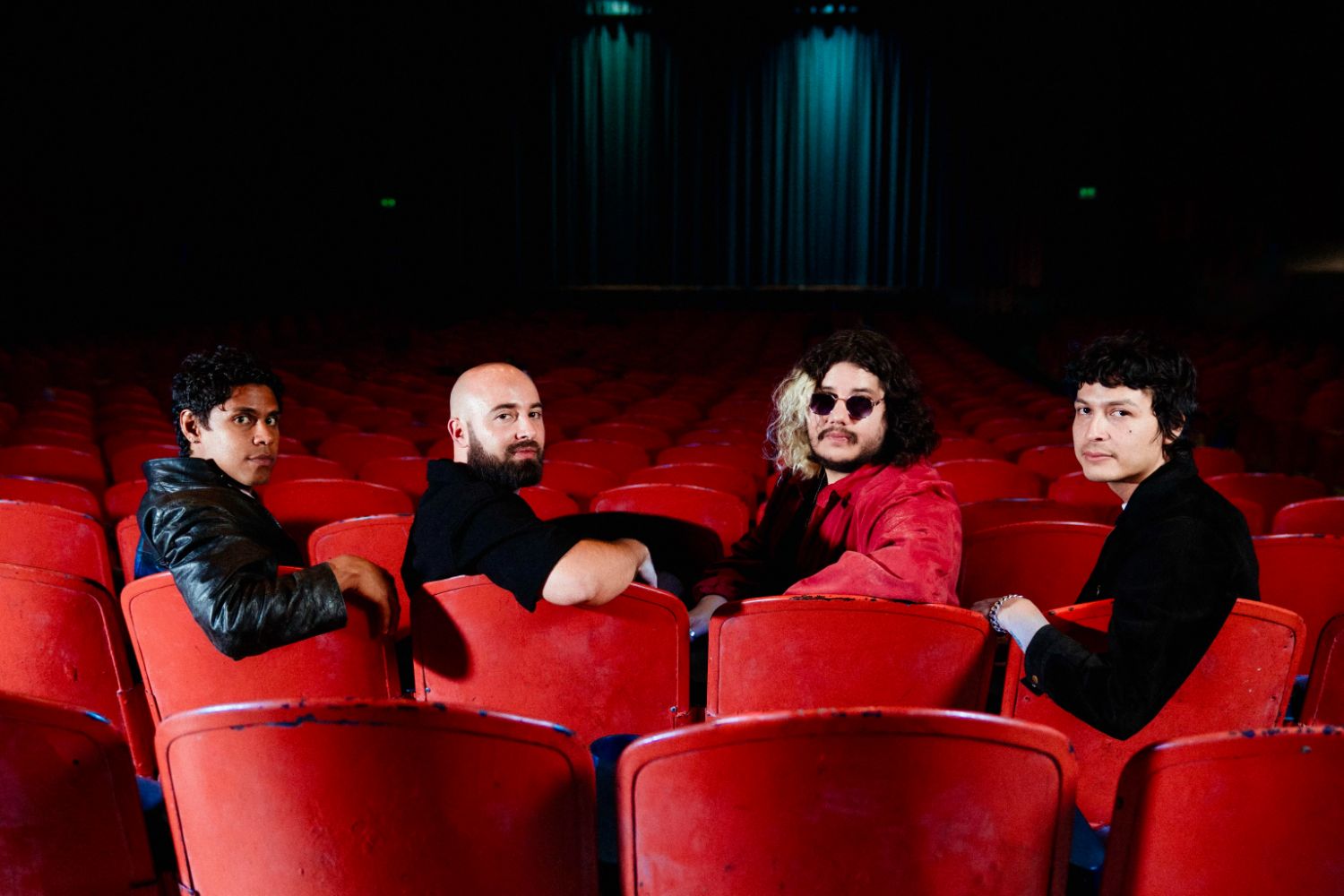
With all the money and red tape that goes into making a movie, can artists bring to life a book, an album, and feature length film all at once? Pablo Sotelo of Gardena indie rock band Inner Wave says: “Hell yeah.”
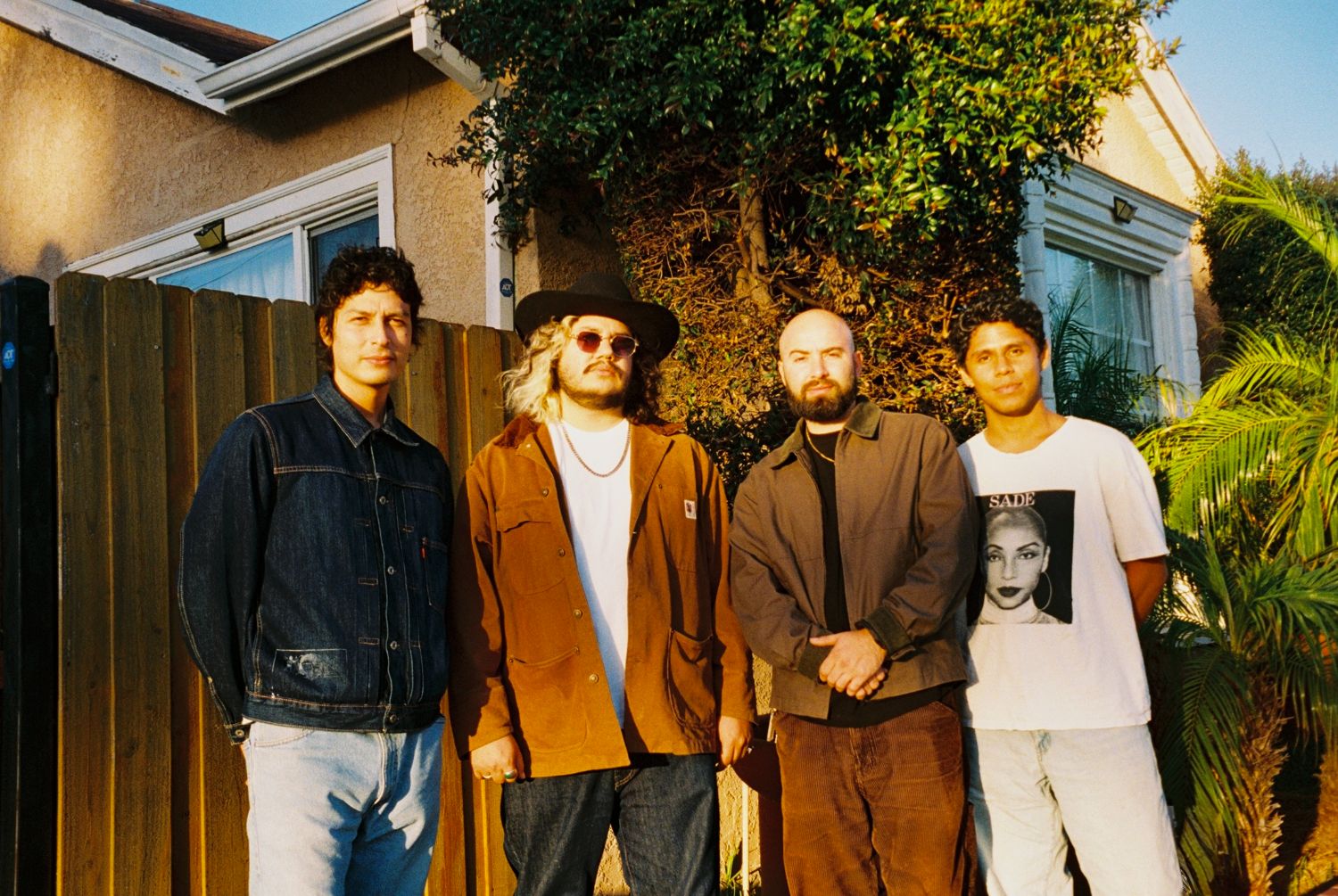
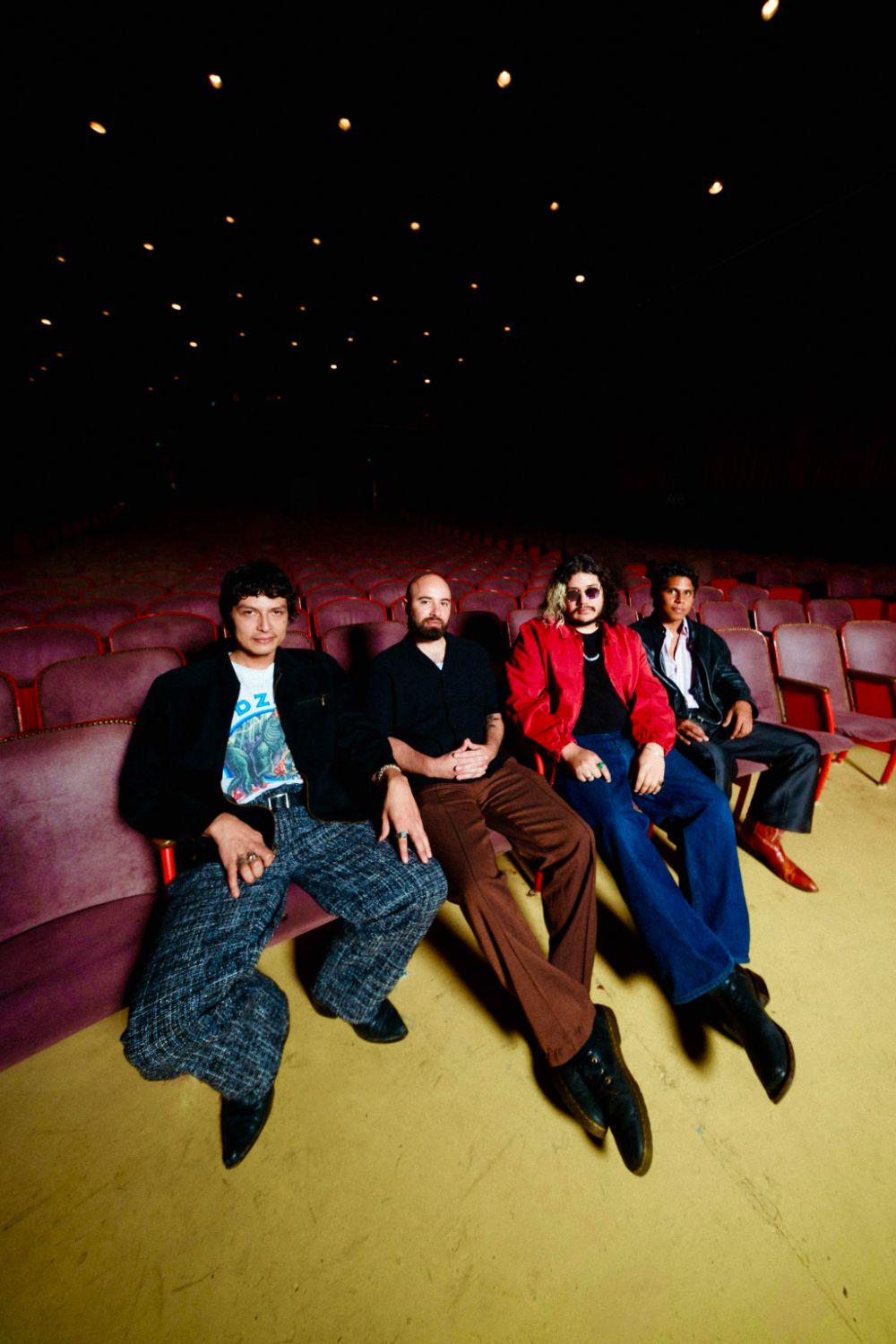
Inner Wave, one of LA’s most enduring homegrown indie rock bands, started out as a sixth-grade skate crew in their hometown Gardena, and now has a music legacy spanning over 20 years. With their unique blend of rock and groovy synth melodies, the group has found commercial success, playing festivals like Coachella, Outside Lands, and Desert Daze, opening for Foals, Boy Pablo, Chicano Batman and Interpol, and have embarked on their own headlining global tours. Last Friday, March 6, they debuted their most ambitious project yet, a feature-length film.
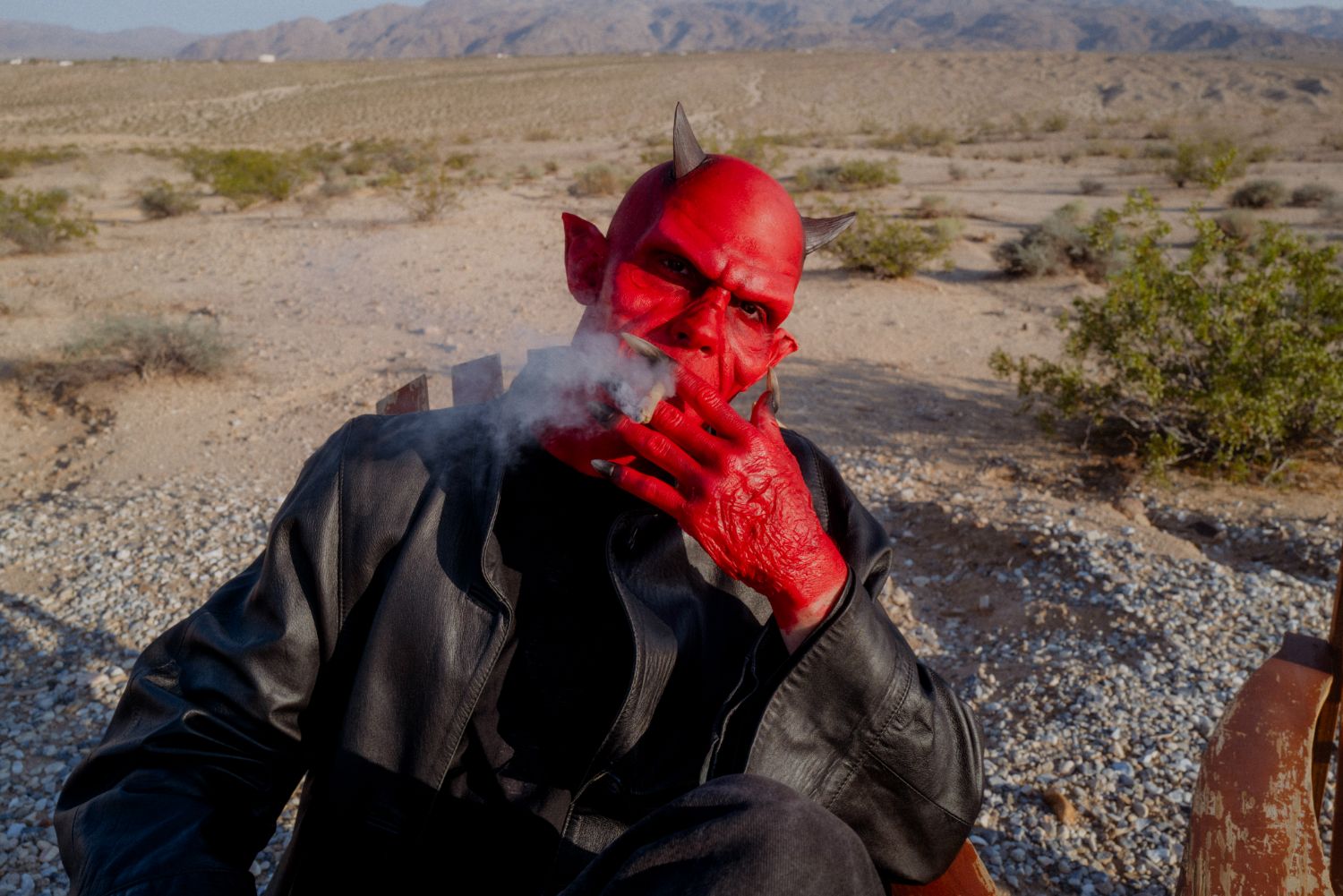
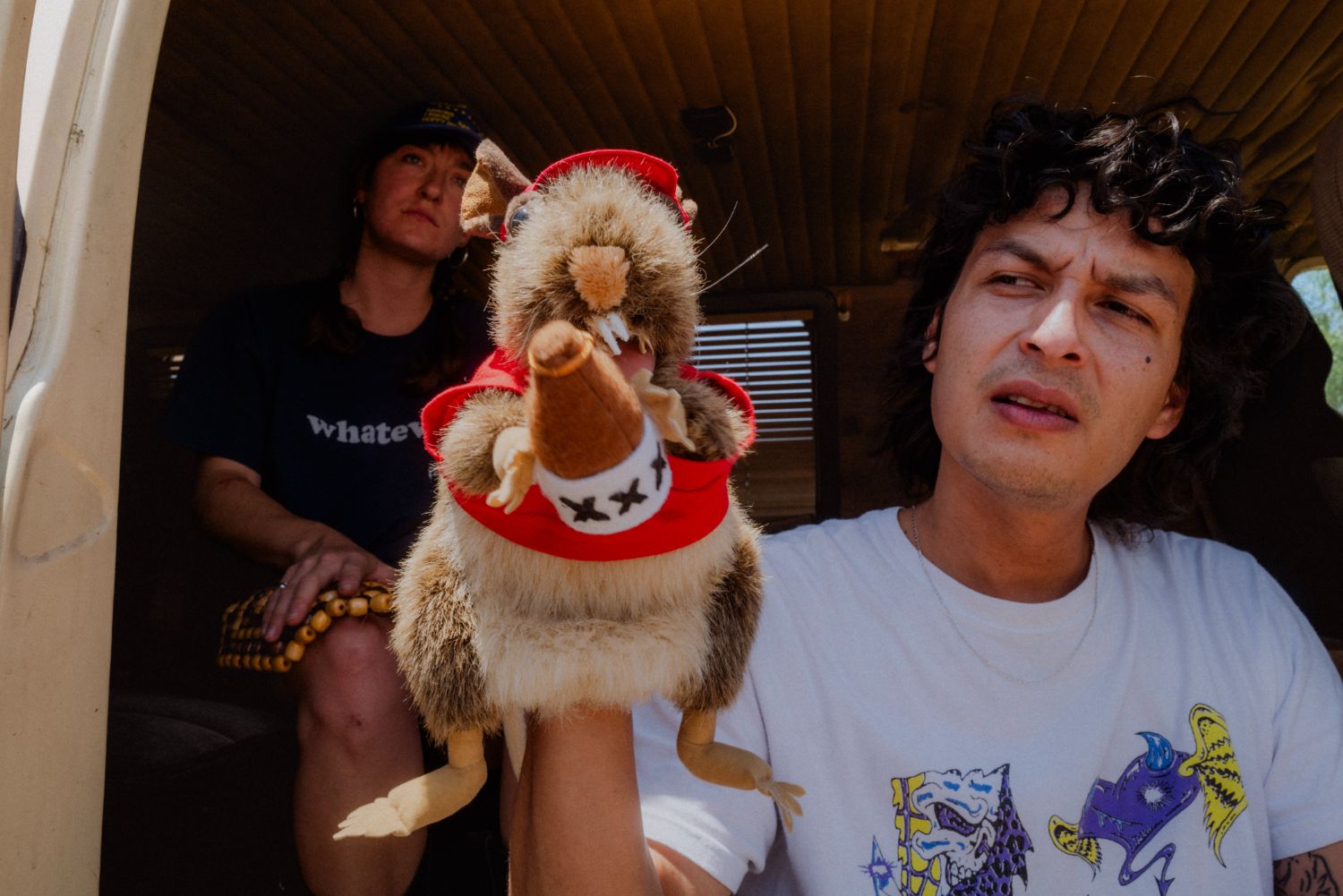
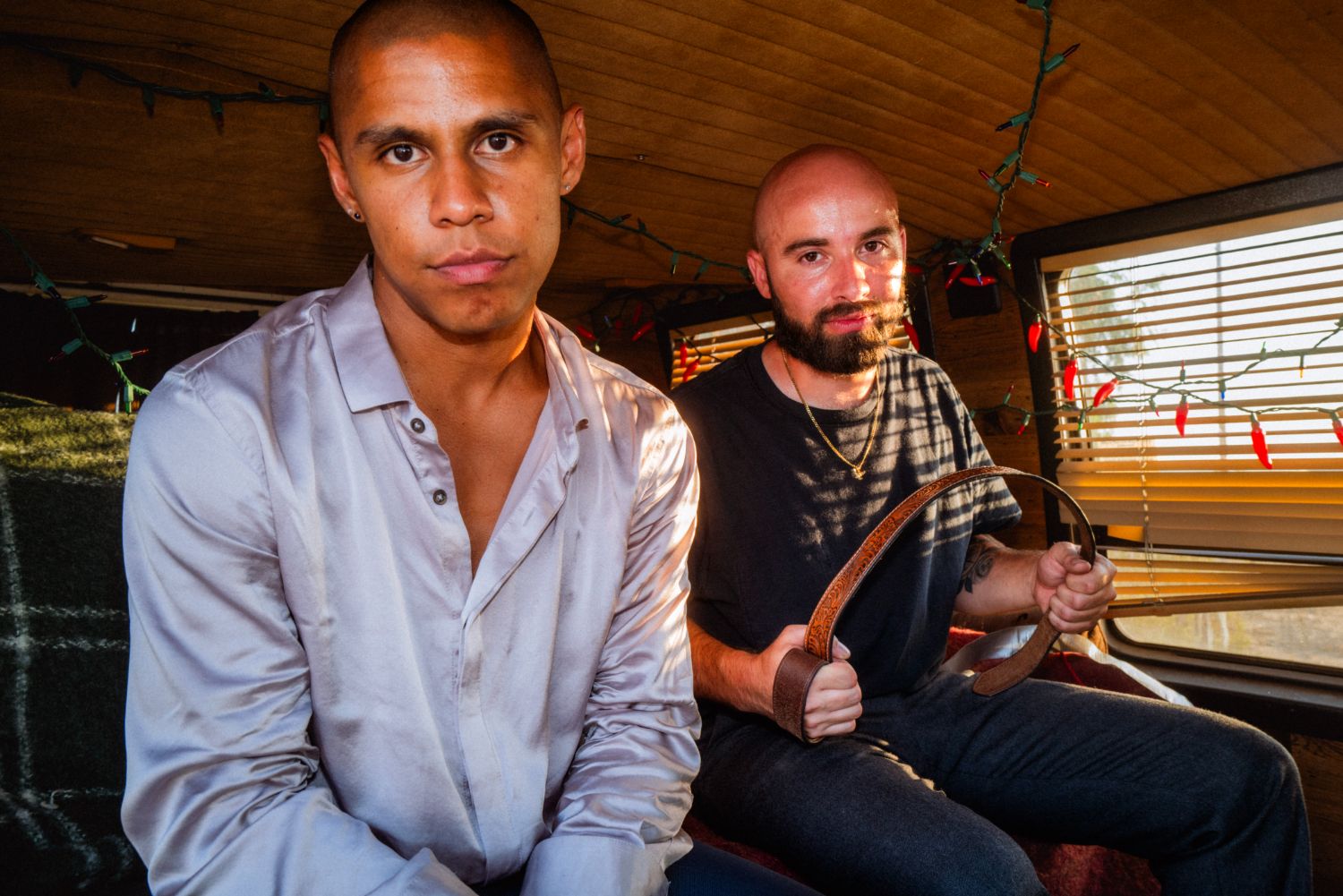
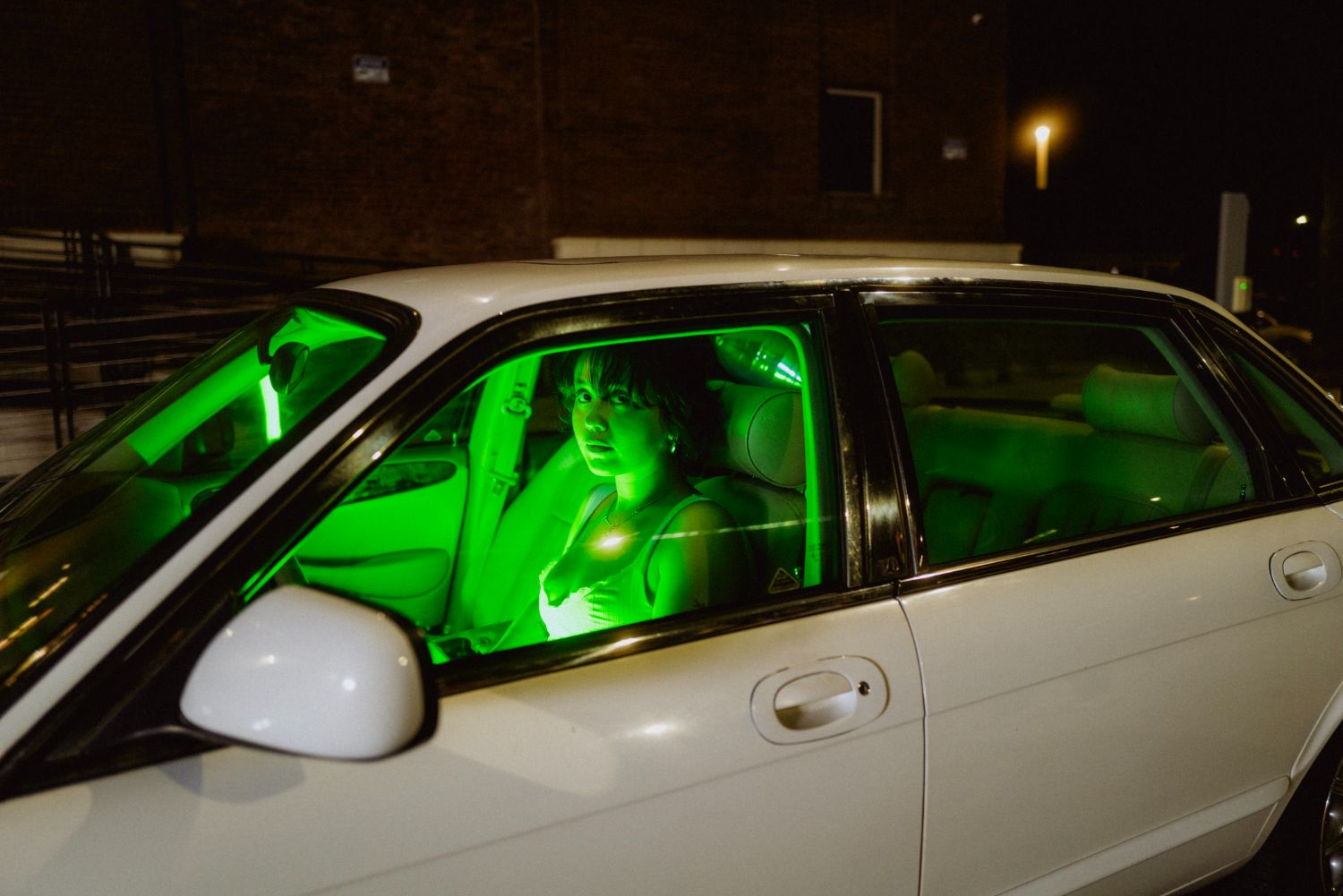
See You When I Get Back is part of a triple art rollout. Included is the film, a new 13-track album with the same name, and a BTS photo lyric book of the movie, album recording, and the band’s tour adventures from the last five years. The fictional film is drenched in humor, campy horror, mystery, and satire, all revolving around the experiences of an up-and-coming band going on tour for the first time.

Inner Wave at the premiere of “See You When I Get Back” (Photo: William Andrade @williummm)
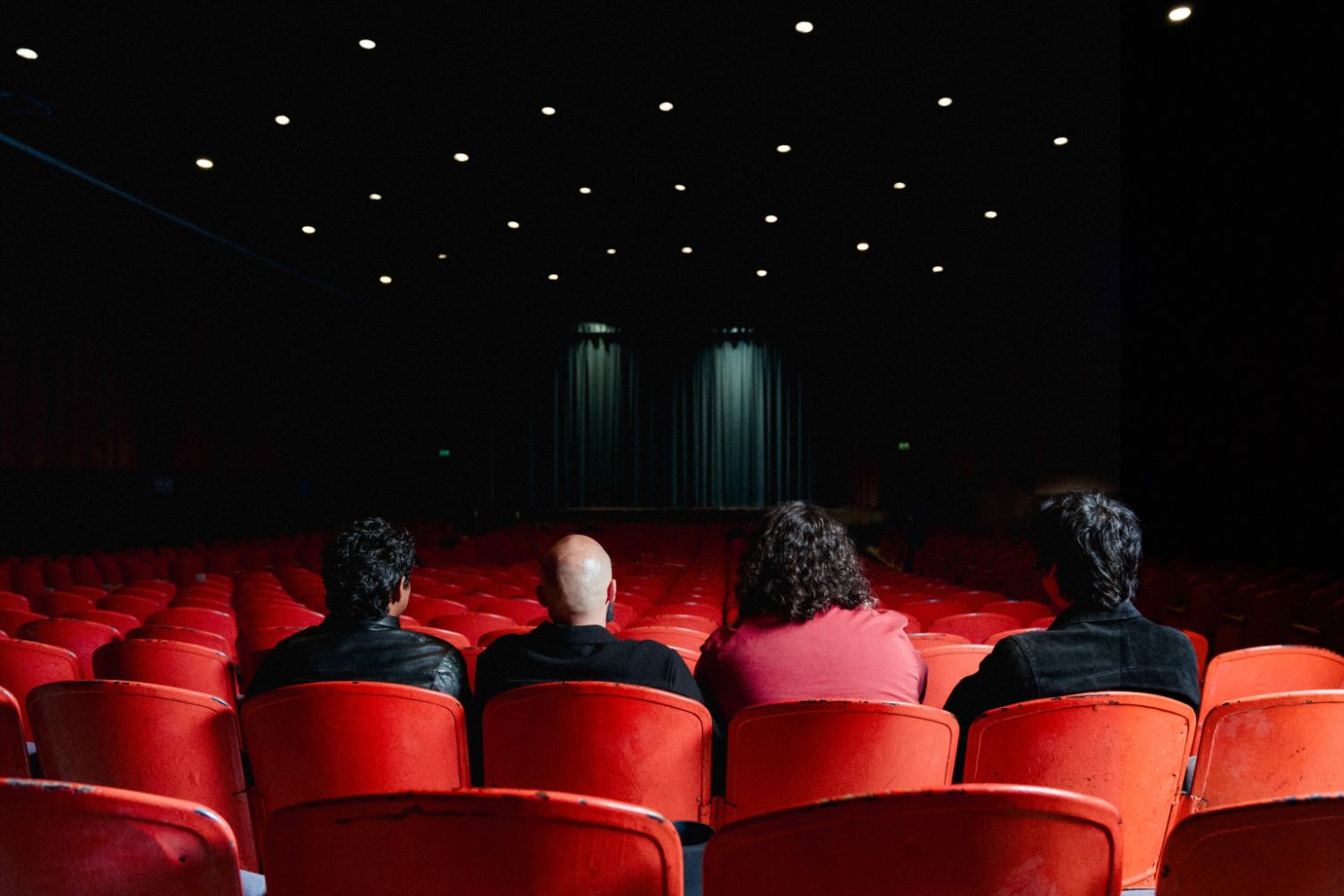
They held the premiere at Gardena Cinema, the neighborhood’s local independent theater, and sold out the 800 seats to friends, family, fans and music peers. The excitement and joy in the room were palpable.
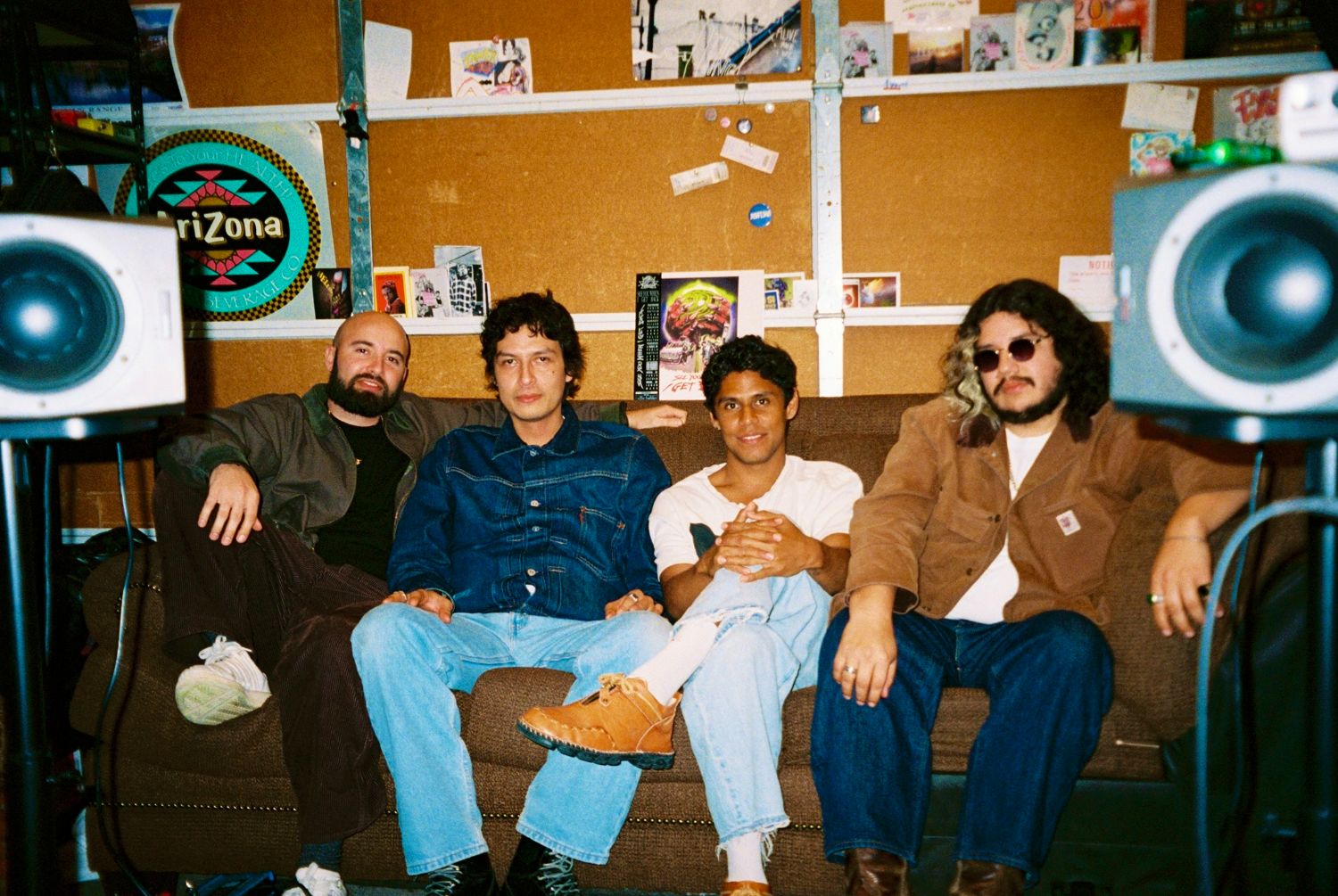
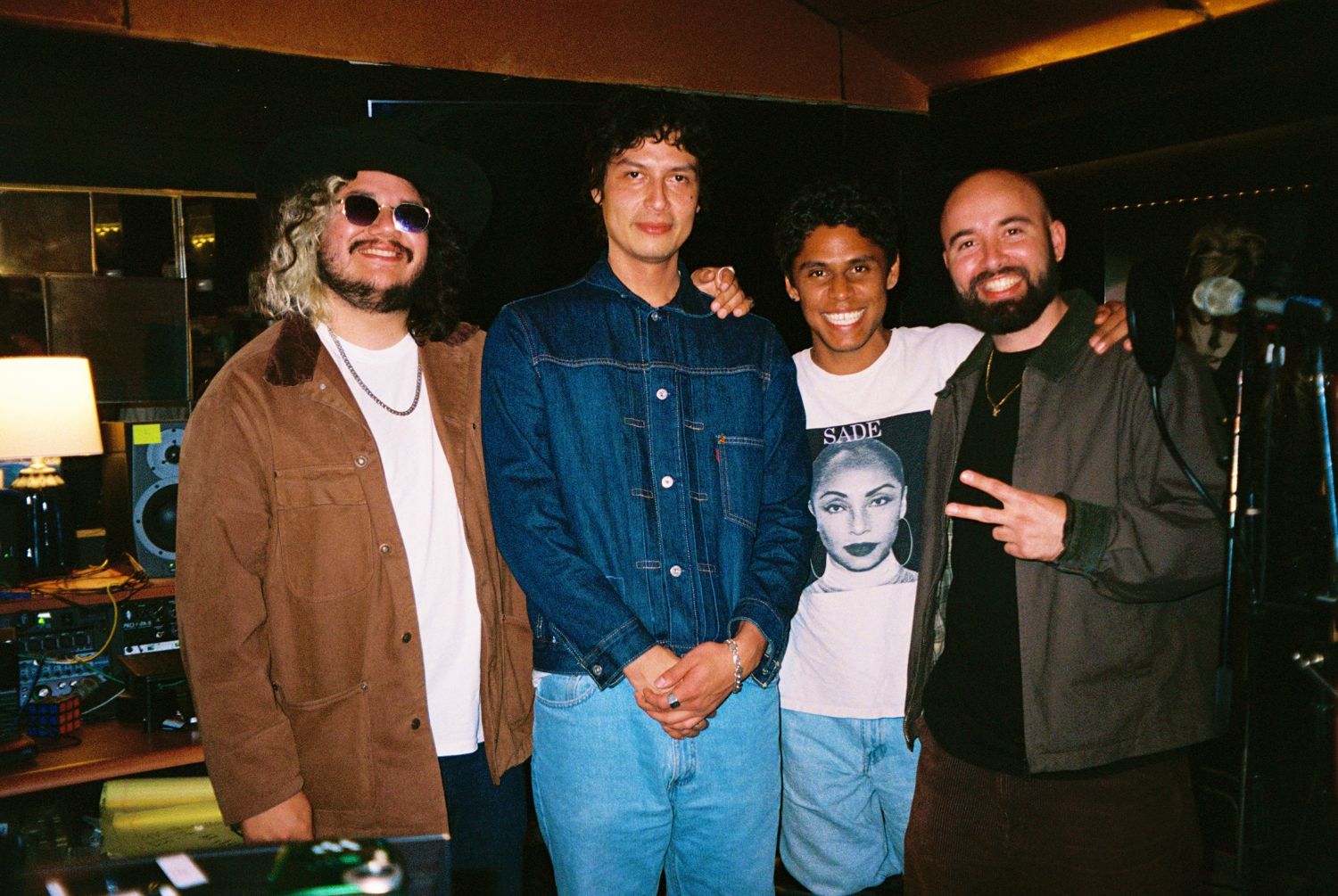
LA Weekly spoke with the band at their makeshift studio in Inglewood, aptly named “The Swamp,” on the Monday before the premiere, with core members Pablo Sotelo, lead singer and guitarist; Jean-Pierre Navarez, backup vocalist, bassist and synth player; Elijah Trujillo, guitarist; and Jose Cruz on keyboard, who goes by Cruz. The band talked life in Gardena, being kids of immigrants, and continuing to make art in a wild political climate.
Inner Wave has had many members come and go throughout the years, with Cruz as the newest member, joining in 2020. Hailing from Montebello, Cruz is a multimedia artist and instrumentalist who’s also a member of fellow LA-based band The Twin Seas. The other three, Eli, Pablo and Jean, are founding members who met as sixth graders at Peary Middle School in Gardena.
“Middle school is the worst time in anyone’s life, you know?” joked Eli. “It was a tender time for emotions … for anything. The three of us were in the same classes all day long. Pablo and Jean one day talked about starting a band because Pablo started playing guitar. Then me and our first drummer Alex had the same conversation. The next day at school, they said, ‘Hey we should start a band.’ — Me and Pablo had guitars ready, Jean got a bass, our drummer got a drum set, and we just started.”
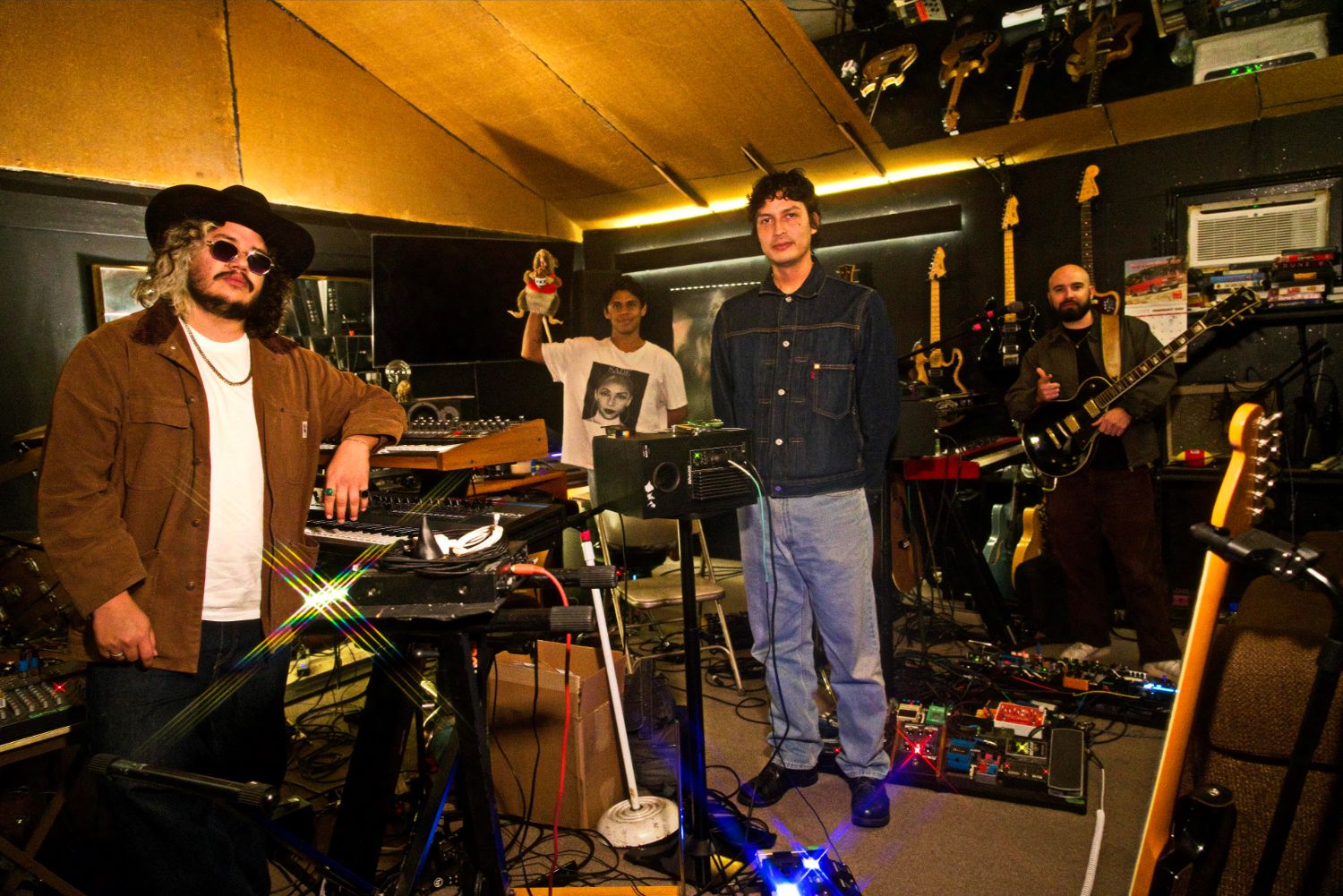
Inner Wave in studio (Photo: Kristal Torres @kr1skanela)
The friends were a skate crew before they were a rock band, and they thought about branding early on in the group’s genesis. “We were a band before we actually played together,” recounts Eli. “We were skating and would print out things to put on our folders. We had logos. We would meet up and skate every day, and then eventually started playing music together. Just skating, practice, skating, practice, spending a lot of time on the streets of Gardena.”
Though it’s quite different now, the band recounted their past growing up in the multicultural, quiet, but semi-gang-infested neighborhood. “The neighborhood and city is great. A lot of great people,” said Eli. “But you gotta watch your back sometimes. That comes with any city.”
Eli jokingly added, “Going to school in Gardena kind of felt like it prepared us for prison.” The room erupted into raucous laughter as the guys poured out stories from their experiences with bullying, police on campus, and race-fueled gang fights — an extreme, but common experience as kids growing up in LAUSD schools.
Inner Wave aren’t the only artists to come out of Peary, with musician Michael Seyer and his brother Pincey also hailing from the school. “We’ve been friends ever since,” says Pablo. Inner Wave and Michael Seyer have been on multiple tours together. Miguel and his brother attended the See You When You Get Back premiere last Friday, along with many of their peers, members from bands The Twin Seas, Brain Story, Introverted Funk, Eyedress, and Chapis, to name a few.
The band’s multicultural membership helps define the band, showcasing how LA’s vibrant cultural heritage has shaped its musicians. Pablo’s father immigrated to the U.S. from Cuenavaca, Mexico, and his mother from Playa San Diego, El Salvador. Cruz’s parents both immigrated from Mexico, his father from Nayarit and his mother from Culiacán, Sinaloa.
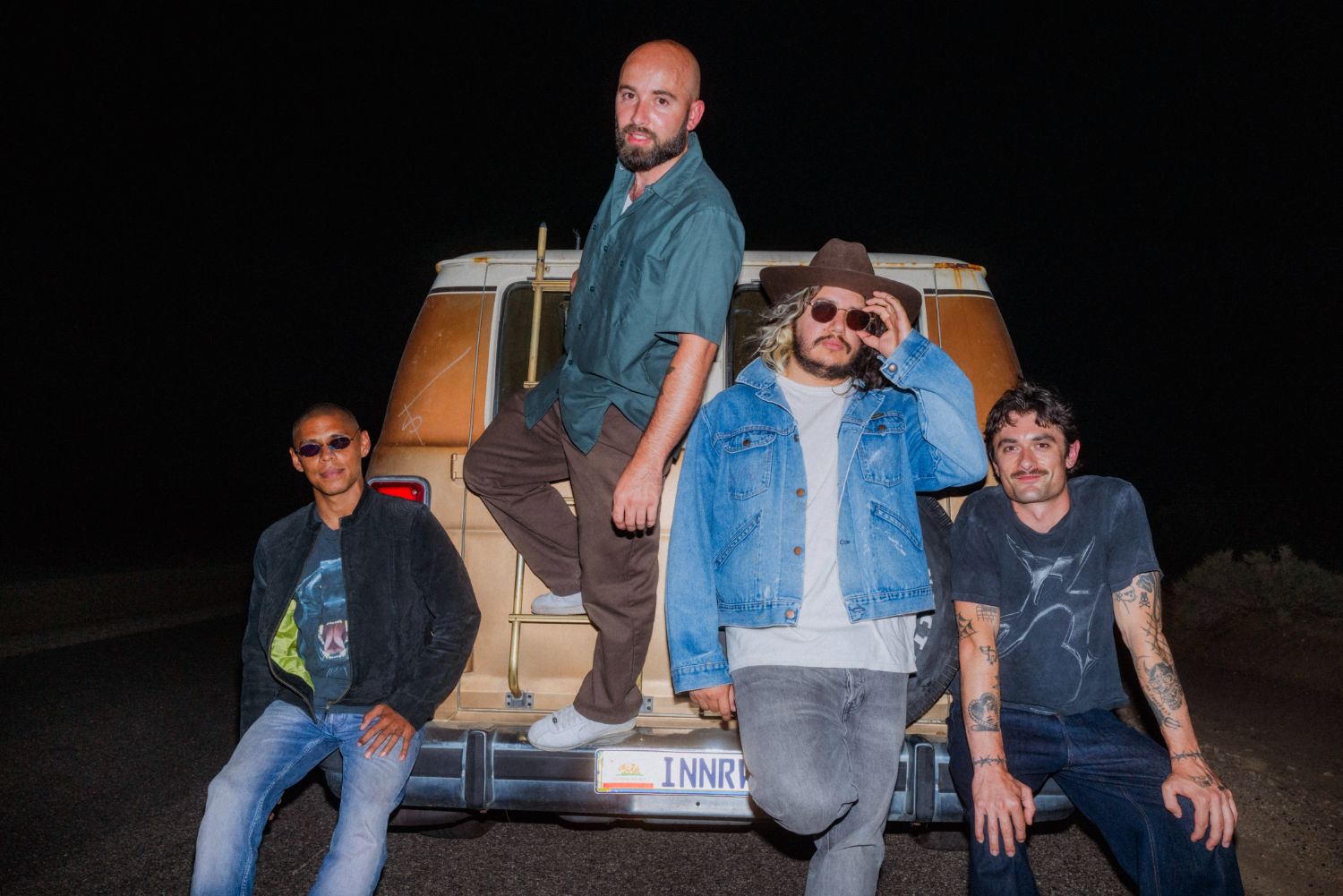
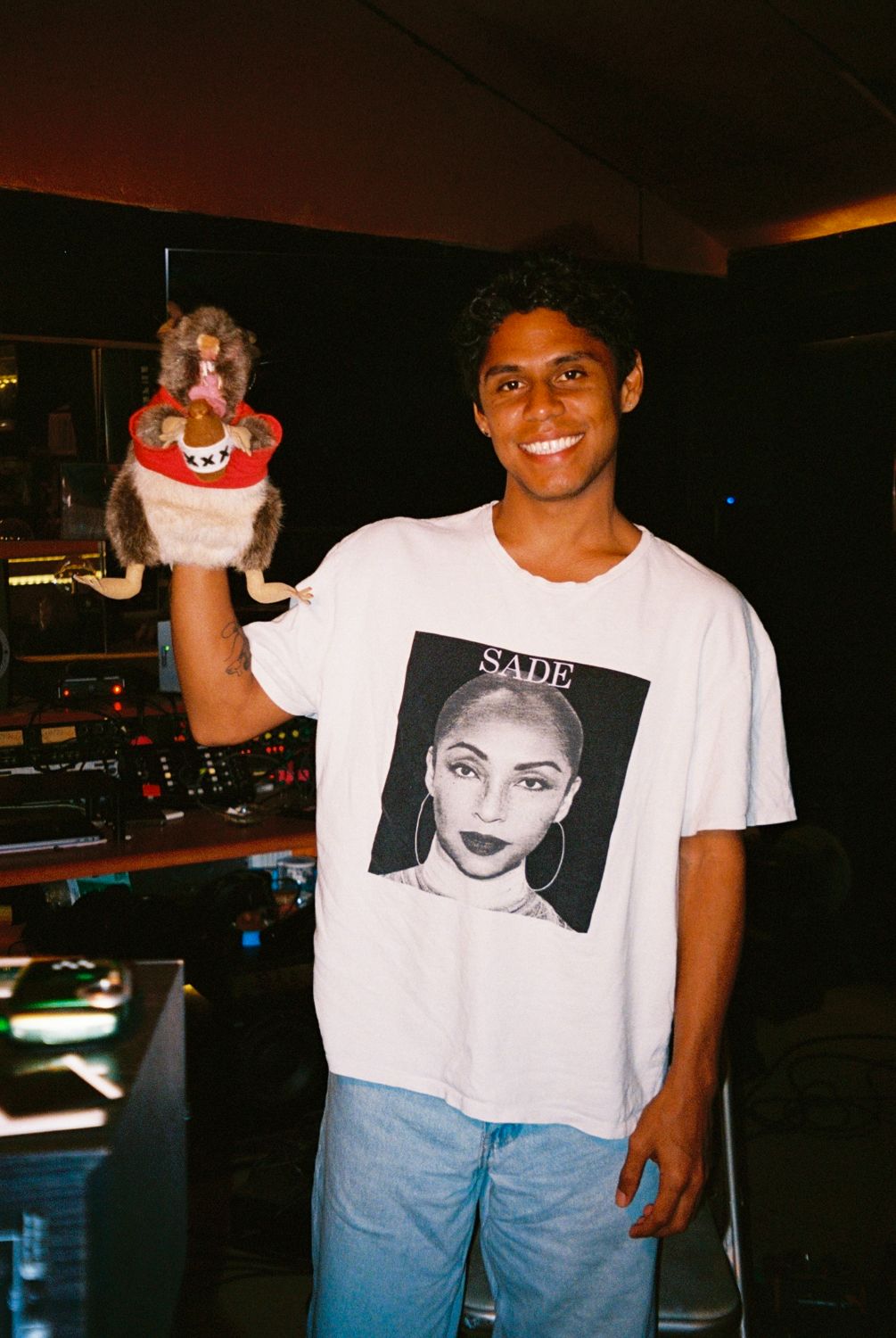
Behind the scenes of “See You When I Get Back” (Photo: Rhyan Santos @luckyassme)
Jean-Pierre is an immigrant who moved to California with his family from Cali, Colombia. The group laughed as they said they imported Jean. “He came in a bag of coffee,” joked Pablo. “We poured water on you, you expanded, we taught you how to play bass, and now we’re here.”
Eli descends from immigrants from the other side of the pond, with his maternal great-grandparents emigrating from Italy to New York through Ellis Island. His mother has Italian and French roots, while his father has Spanish and Native American ancestry. Though not technically Latino, Eli soaked in the majority-Latino culture from the Gardena where he grew up. Pablo recounted when as kids, Eli would teach him Mexican slang. “When I first met Eli, he was the first one who taught me what putasos meant. You know, throwing punches. He was like, ‘Yeah this dude was at 7-Eleven and started throwing putasos!’ So he taught me lots of Spanish slang.” The group laughed as they proudly claimed Eli as an honorary Mexican.
Inner Wave’s Latino heritage is an integral part of their identity and story as a band. It’s even featured in See You When I Get Back. In the story, there’s another band — more successful and culturally white — that periodically checks in with the Inner Wave gang, figuratively and literally. The interaction with the group mirrored the band’s real-life experiences as Latino artists on tour.
Being an indie band in the U.S., most of their peers come from towns with little to no ethnic diversity. Though the group respects and admires their fellow indie rockers, this difference has led to miscommunication, misunderstandings, and sometimes, blatant racism. But the band looks past these microaggressions to see their own blessings.
“We’re really lucky to be a band that’s from LA and to experience the LA lifestyle,” says Cruz. “I feel like a lot of our peers — bands who are doing really well — a lot of them are from different places or just different parts of LA. It feels like we’re worlds apart culturally. So I think us being from here, you know, Gardena and SGV, we grew up very similarly. I feel like you can hear it in our music.”
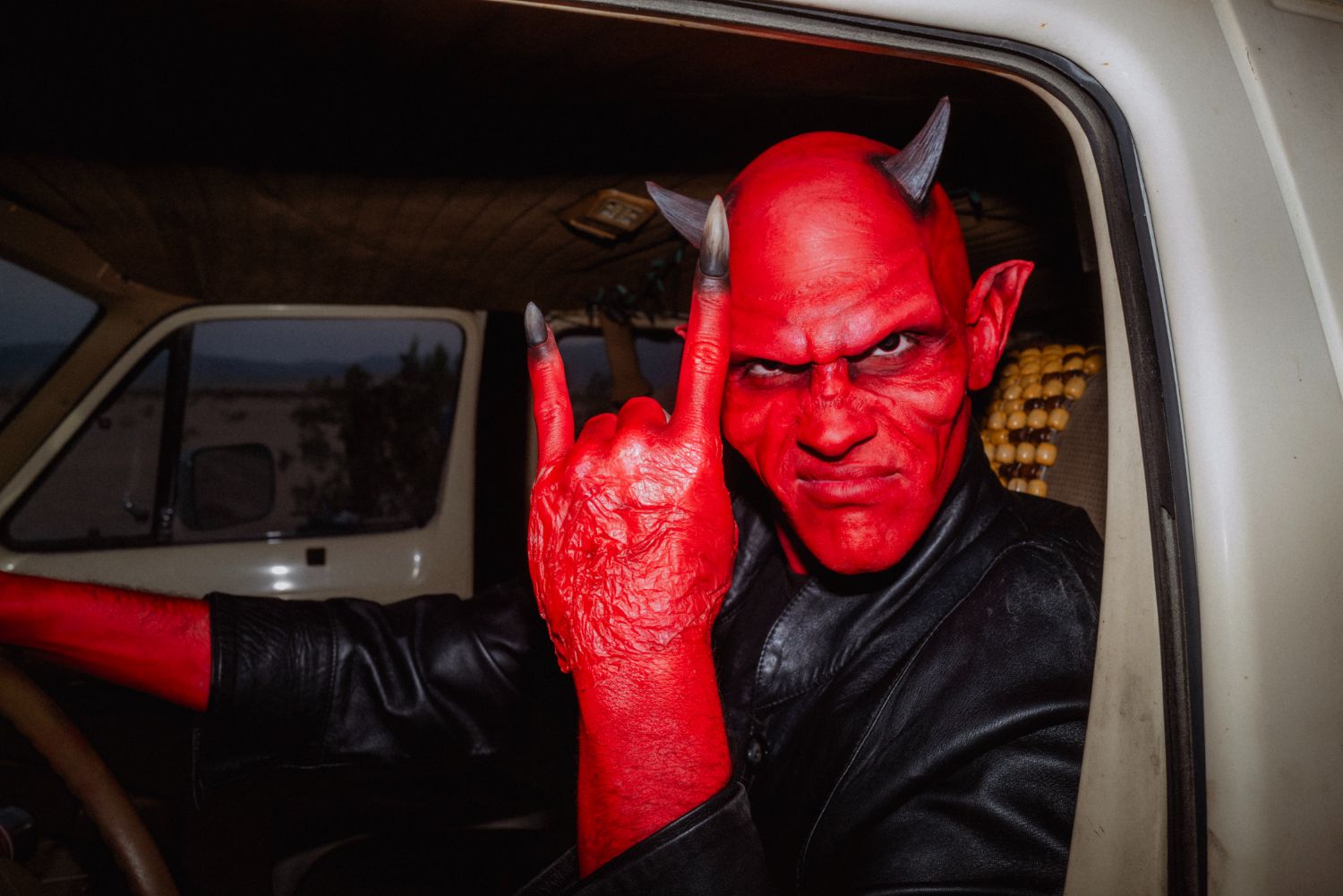
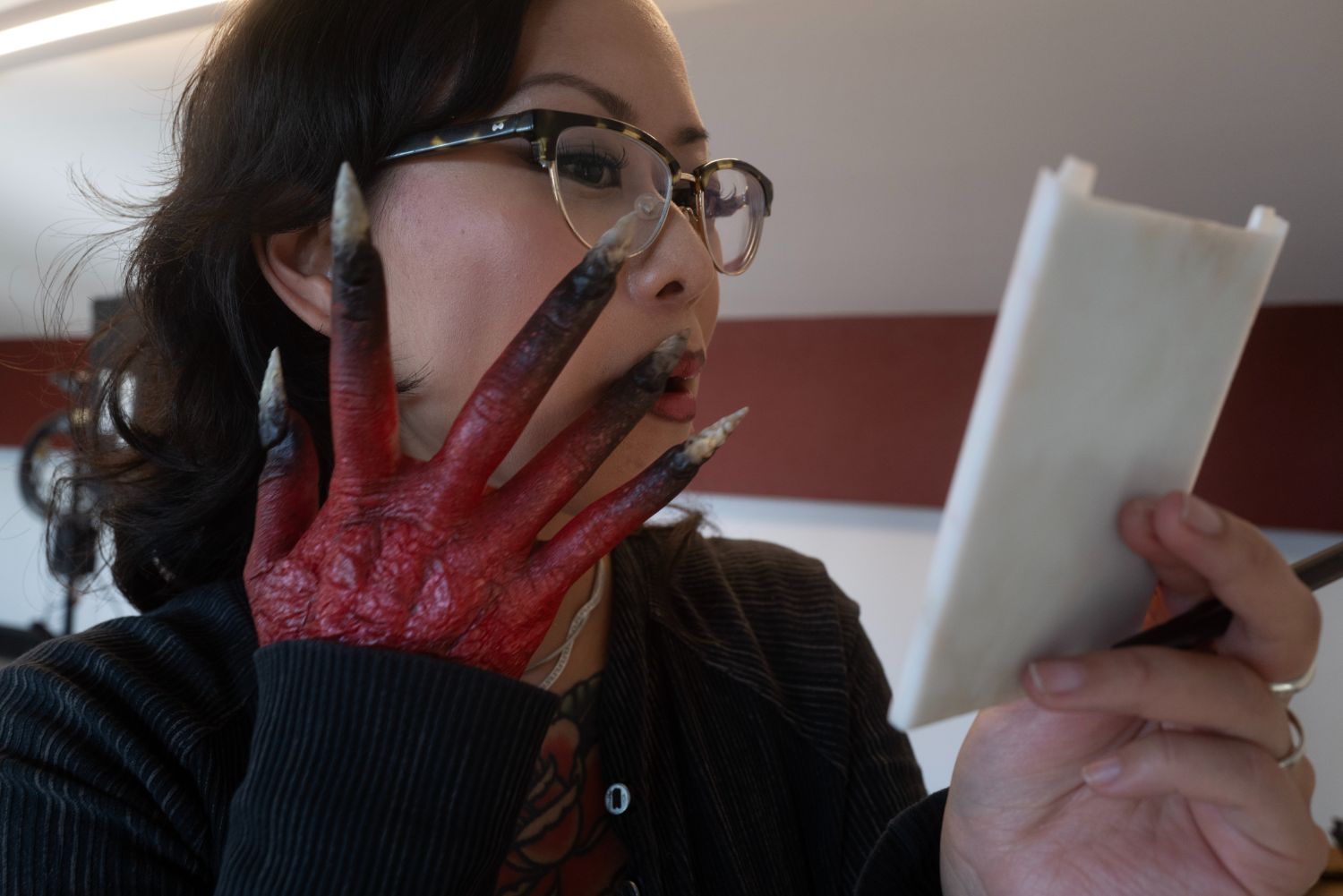
Behind the scenes of “See You When I Get Back” (Photo: Rhyan Santos @luckyassme)
We asked the band what it meant for them to be Latin artists in our country’s toxic and divisive political climate. Every member responded with thoughtfulness and honesty. “While we don’t necessarily wave the flag announcing we’re Latino, we definitely carry this sort of work ethic that Latinos have,” says Jean. “I think I can speak for the guys. Being Latino has a lot more to do with how we grew up, how our parents grew up, how our work ethic is.”
“The very act that we’re making art is political in and of itself,” Pablo says. “There’s no escaping it. Just existing as kids of immigrants in this country, taking up space — that’s a political move. And our movie, it’s a horror comedy. It’s leaning on satire and stuff like that, but the fact that we made it on our own is a political statement, because we’re saying ‘Hey! We can do this, we can take up space, and we do belong here. We’re not waiting for approval from anyone or anything to give us the green light and go. We’re just gonna go.’” He adds, “I think for us, just existing, taking up space, and doing what we do, can inspire people. You see someone who looks like you doing what you want to do, it could inspire them to think, ‘I could do the same thing.’ And for me, that’s powerful.”
Eli had a slightly different take: “I’m not a political person myself, but I feel like we have a responsibility to bring people together no matter what. I feel like that’s important. With all the shit going on in the world, with corruption and classism, if you zoom out and look at the people around you on the street, those are our neighbors. Not these politicians that get paid to say something that makes people fight on the street. People need to have a chance to be able to go somewhere and have a good time with their neighbors without having to worry about these things.

Behind the scenes of “See You When I Get Back” (Photo: Rhyan Santos @luckyassme)
“If you come to our show, we’re there to have a good time. It doesn’t matter what color you are, where you come from, your background, or what you believe in. It’s a chance to be a human and just enjoy the human experience without the corruption of what’s on the news or what people are telling you to believe and feel. It’s an opportunity to just be yourself and just live amongst the people because that’s what this country is. It’s us. It’s important to have that connection.”
“Community is power in numbers,” adds Pablo.
Cruz talked about his parents and the gratitude he feels for their sacrifice, despite them not always believing in his art. “I’m grateful for the gifts that my parents have given me. For the gifts our parents have given to all of us. We’re really lucky to be the children of immigrants, because they came here with the prospects of giving us a better life for our future.”
He elaborates, “My parents did the craziest jobs just so we could be in a place where we could be lucky enough to think about making music, to make a livelihood following our dreams. They probably might not understand it, but for us, we got the opportunity to be super passionate about music, about films, about the arts, and it wouldn’t be possible without our parents.
“I guess us being Inner Wave and being in a place with a platform, all we can really do is be ourselves, show our upbringing, not be ashamed of it — to show that it can be done. And if you have this passion, you should follow it. As much as I’m grateful for my parents, I also made sure that I did what I wanted to do too.” Cruz sums it up, “So if you’re out there, just follow your passions. Don’t do things for other people, even your parents.”
And how does Inner Wave feel about the significance of screening See You When I Get Back, their most labor-intensive and ambitious project, in the town where they grew up?
“It’s monumental,” says Pablo. “It hasn’t hit me yet, because as of this morning, I was still working on it. I think when I finally have a moment to pause and sit with it … as an artist, there’s a certain amount of internal and external validation that you expect to feel, but for me, my brain hasn’t even got to that point. The fact that it’s coming out at Gardena Cinema is what I’m most proud of — that we did it, you know? From our own blood, sweat and tears.”
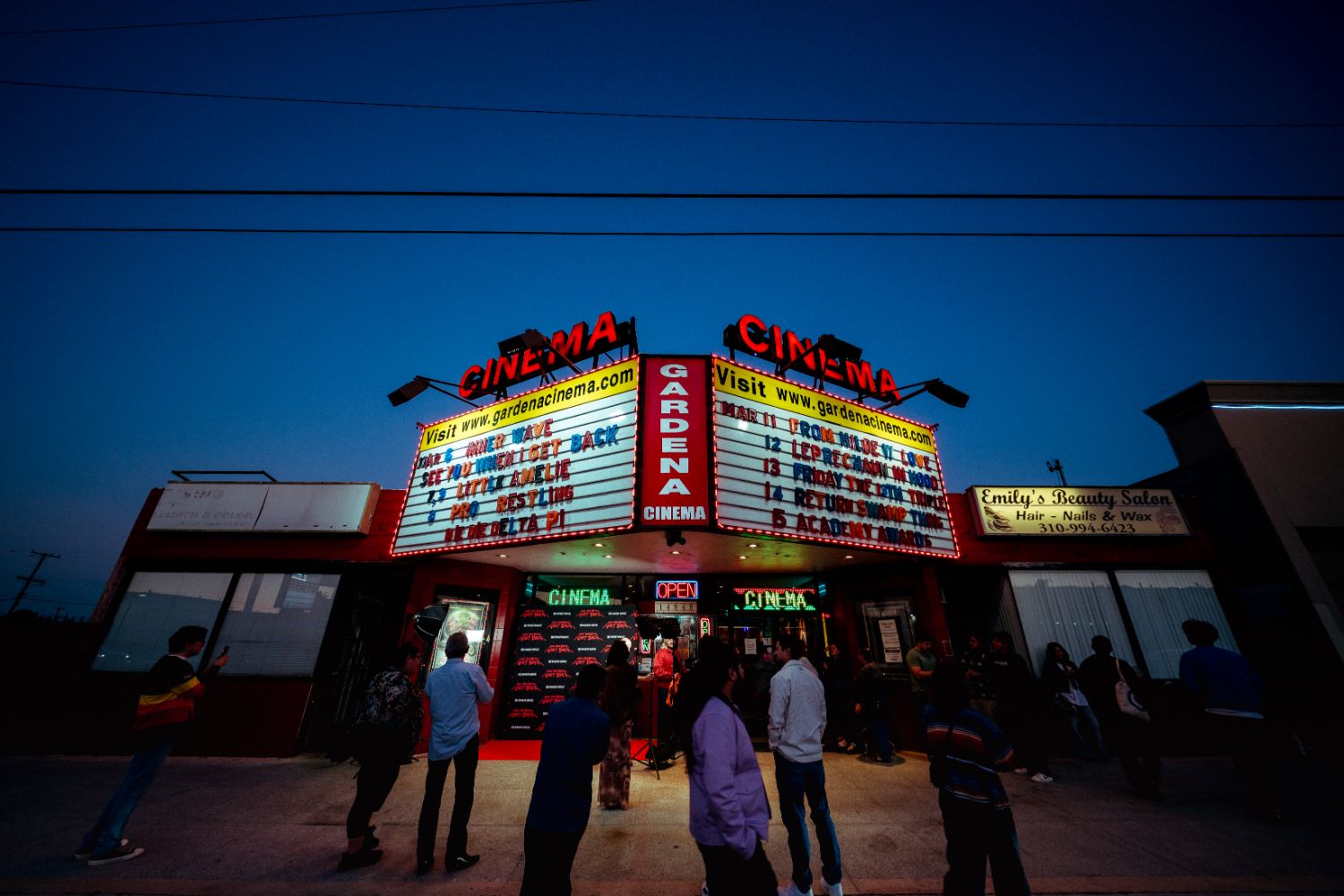
Gardena Cinema hosted the premiere of “See You When I Get Back” (Photo: William Andrade @williummm)
“It’s totally full circle,” says Jean. “My parents weren’t really about the band when we were kids. So to have it come back to Gardena and have it be our most peak moment, it’s very nice. Because all of our families are coming out, our friends, little kids. So it’s gonna be great. It hasn’t hit me yet, as Pablo said. It doesn’t really hit me until it happens, you know? I’m very excited to be in a sea of people watching it.”
“We do keep in contact with a lot of people we grew up with, especially with social media,” Eli says. “We’ll post about it, and people will respond back from high school like, ‘Yo! What the fuck?! This is crazy, I can’t believe you guys are still doing this shit.’ These people have seen us play at St. Anthony’s when we were thirteen years old!” St. Anthony’s is the only other middle school in Gardena, a small private Catholic school, which hosts a yearly carnival named The Strawberry Festival.
“It’s crazy to receive the congratulations from them and to hear they’re proud of us. It makes it all worth it.” Eli added a moment of self-reflection, “I guess we are doing something, you know? It’s very cool to have that backing from where we came from. It’s very special.”
As our interview came to a close, we asked the band if they hoped to inspire kids from Gardena who would come to see the movie — “Hell yeah!” said the group.
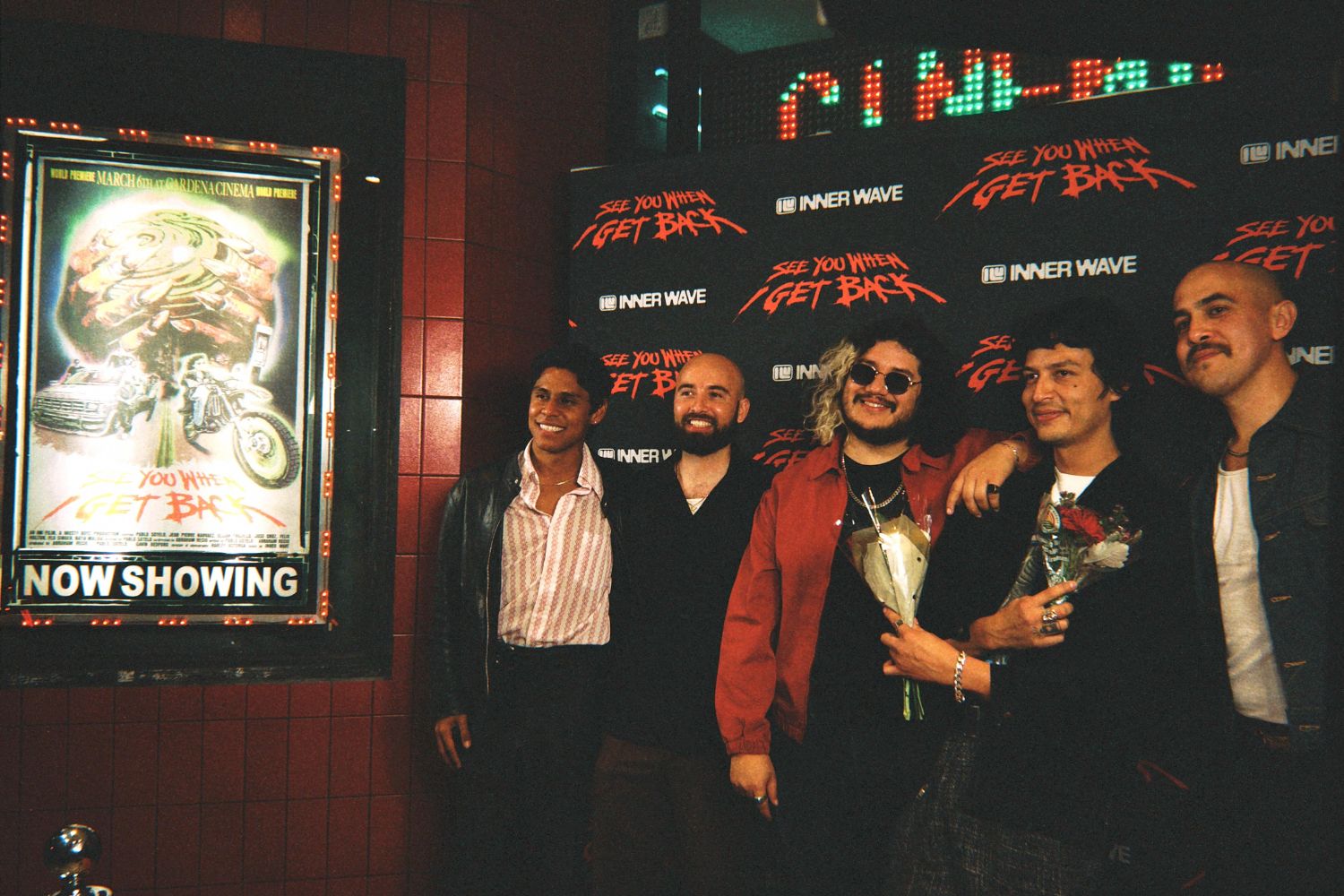
Inner Wave with Co-Director Abraham Recio at the premiere of “See You When I Get Back” (Photo: Dalia Esquivel @dalkaes.b)
“Most definitely. If anything comes out of this, for the external side that doesn’t have to do with the band, I hope that people feel inspired. Whether it’s people from Gardena or kids from anywhere, or people from any age really, to just try,” said Pablo. “I think we’re taught to think that certain things, especially film — we start to develop this feeling of maybe it’s not meant for me. Maybe it’s not accessible. And I feel that us doing it the way we did … I hope people hearing about it will come out of it feeling that they can just grab six friends and go shoot something today.”
He adds, “If it’s music or fill in the blank — whatever you have a passion for — go out there and chase after it. You can’t really fail your dreams if you don’t ever give up. If you keep going, who can say you failed?”
“The journey’s still happening until you get off the train,” adds Cruz, a statement that parallels the silent, sage-like character he plays in the film.
Earlier in the conversation, Cruz reflected on See You When I Get Back and the music project Inner Wave. “I just hope that with our platform, we can show that anything you want — even something as crazy as making a movie with your friends, and trying to put it out there — that’s something anyone can do. We don’t have any special powers. We don’t have any money. We just worked really hard, banded together, and did this thing. Anybody can do that.”
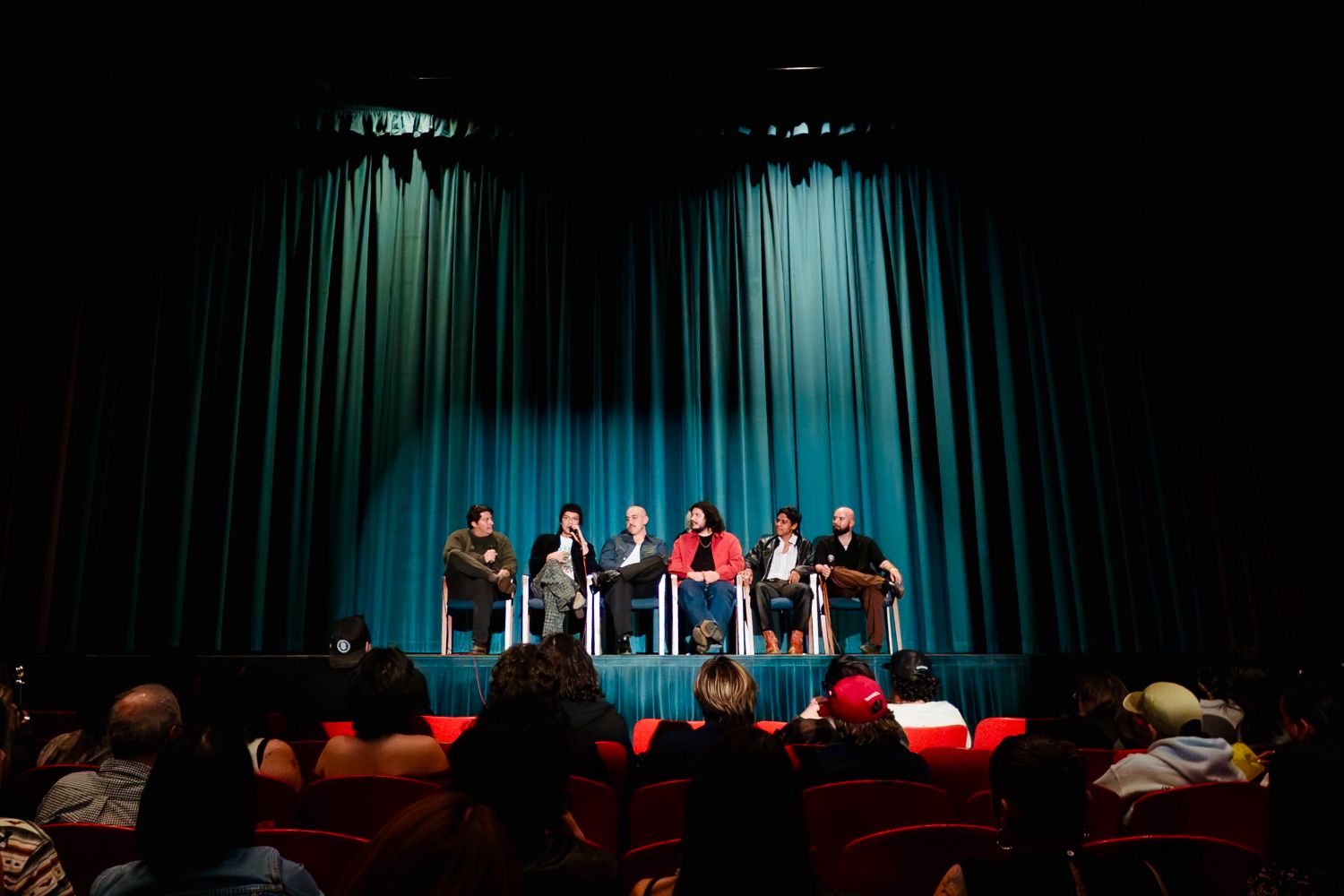
Inner Wave Q&A at the premiere of “See You When I Get Back” (Photo: William Andrade @williummm)
On the day of the screening, as we walked around the theater and saw all the happy, smiling faces, it was clear how much this movie meant to everyone who attended. Fans of Inner Wave, their families, their friends, their old classmates, and community members of Gardena all assembled to support and celebrate the band. The sold-out crowd was a multi-generational sea of diversity, emblematic of the people of Los Angeles.
When the film came to its close and the room erupted into cheers, the band members and co-director Abraham Recio stood up and congratulated each other on their project’s completion. The moment was a beautiful symbol of achievement and hope. At the Q&A following the film, the band shared that they shot the entire film on 16mm in seven days, with the entire editing process taking about two years, quite a feat for first-time filmmakers.
For those who missed the sold-out premiere, the band hinted that more screenings could be coming. For now, they have a co-headlining tour with Los Mesoneros to look forward to, starting in Las Vegas on April 23 and wrapping in Los Angeles with two shows at The Regent Theater on May 30 and 31. I guess you can say we’ll see them when they get back.
Follow Inner Wave on Instagram @innerwave.
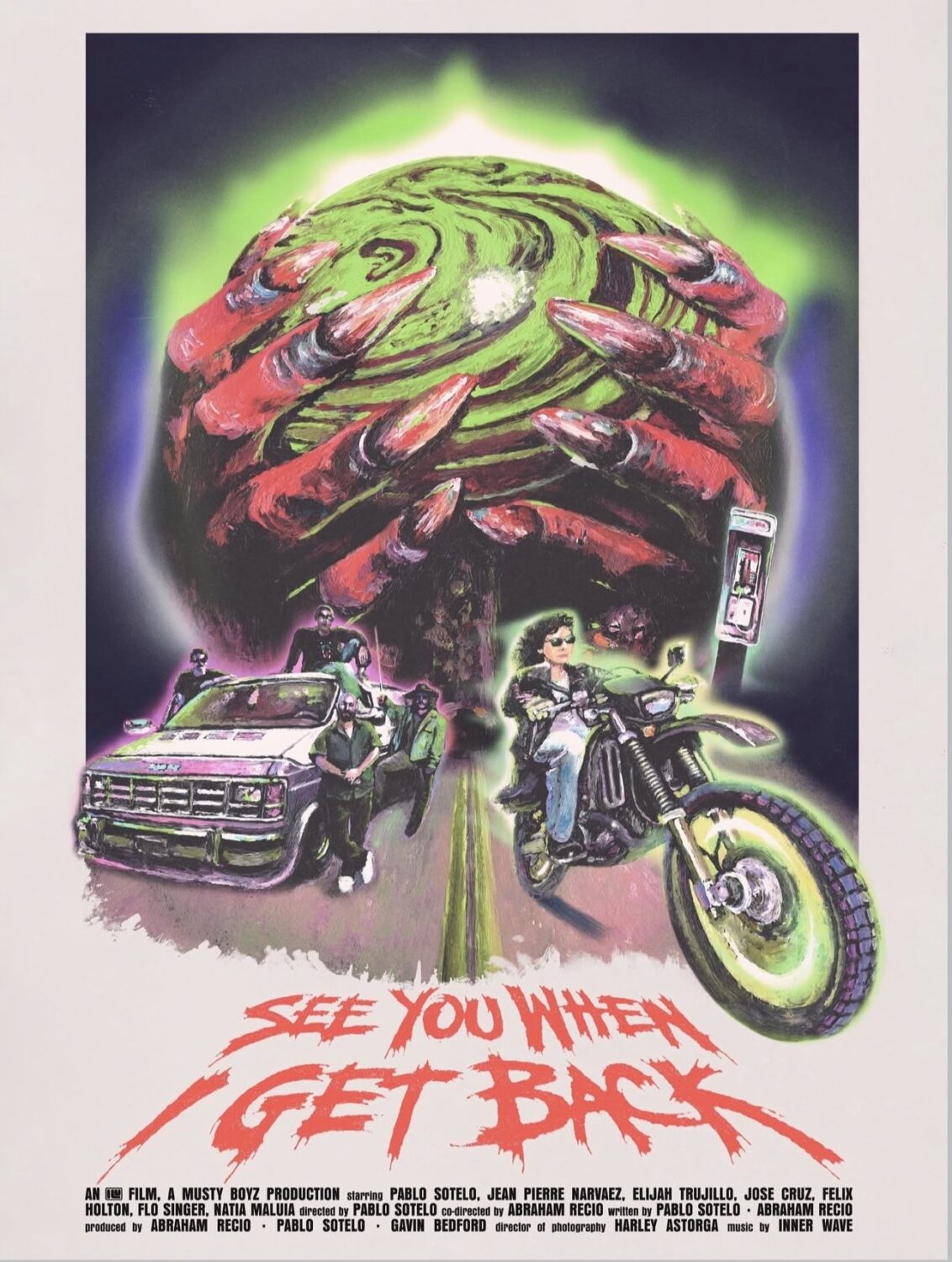
“See You When I Get Back” (Courtesy of Inner Wave)