
 Matt Emma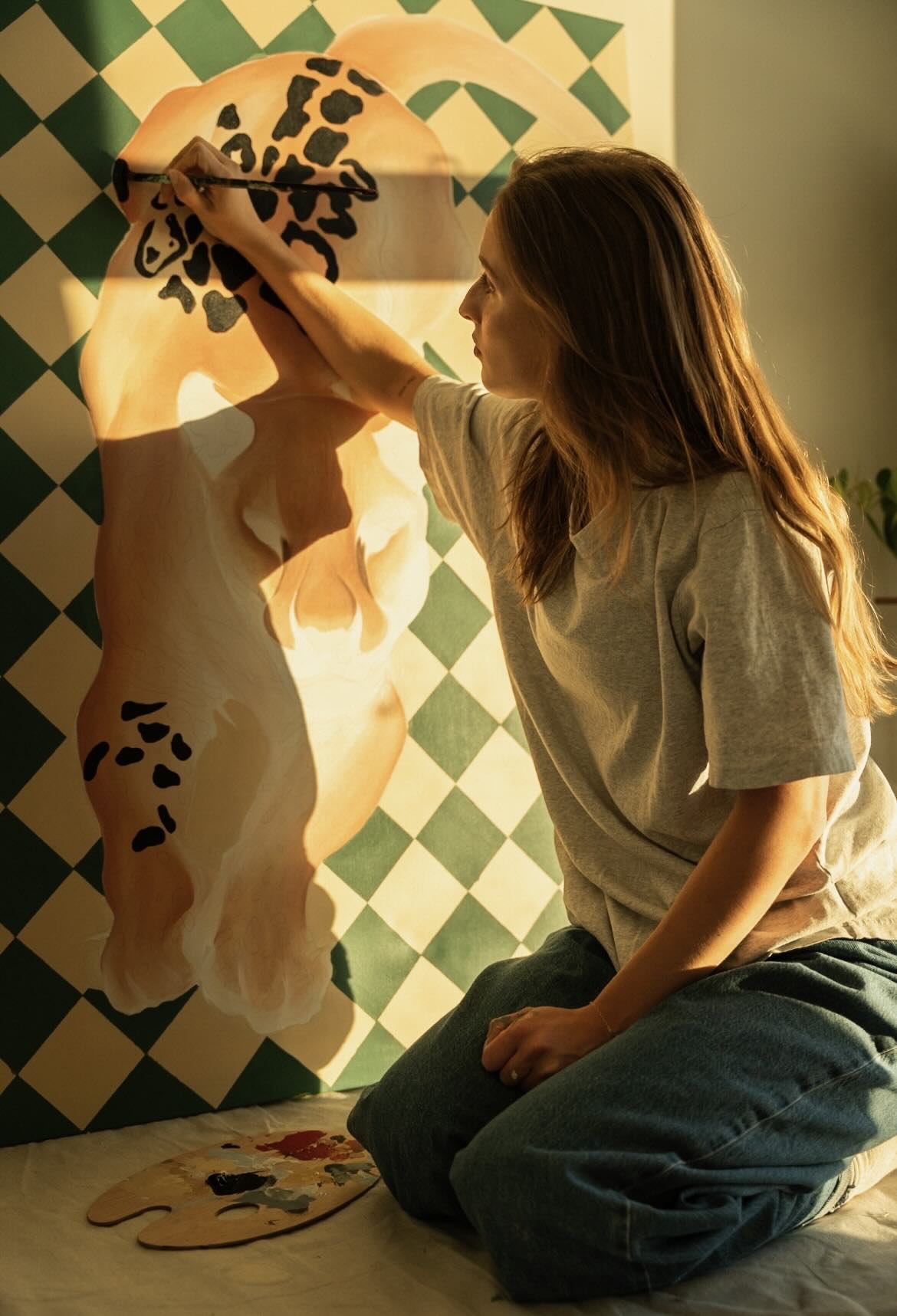
Julia Brevetti’s story was built in plain sight, in front of a camera and a global audience. Her path does not follow the traditional routes of contemporary art. What there was instead was daily consistency, a clear vision, and a deep understanding that social media can also be a legitimate space to create, tell stories, and grow.
For eight years, Brevetti worked in the restaurant industry while developing her artistic practice on the side. The turning point came when she made the radical decision to post her art on TikTok every single day. No shortcuts. No immediate promises. For months, her videos went largely unnoticed, with modest metrics and a minimal audience. However, the discipline was present, sustaining the process even when results did not materialize.
Everything changed with a single video. A painting, a fixed camera, and the honest gesture of sharing her creative process were enough for the algorithm to do its work. That moment marked the beginning of a sustained expansion that has allowed her to organically accumulate over 100 million views across different platforms. It was not an isolated stroke of luck but the result of a coherent visual narrative and a consistent presence.
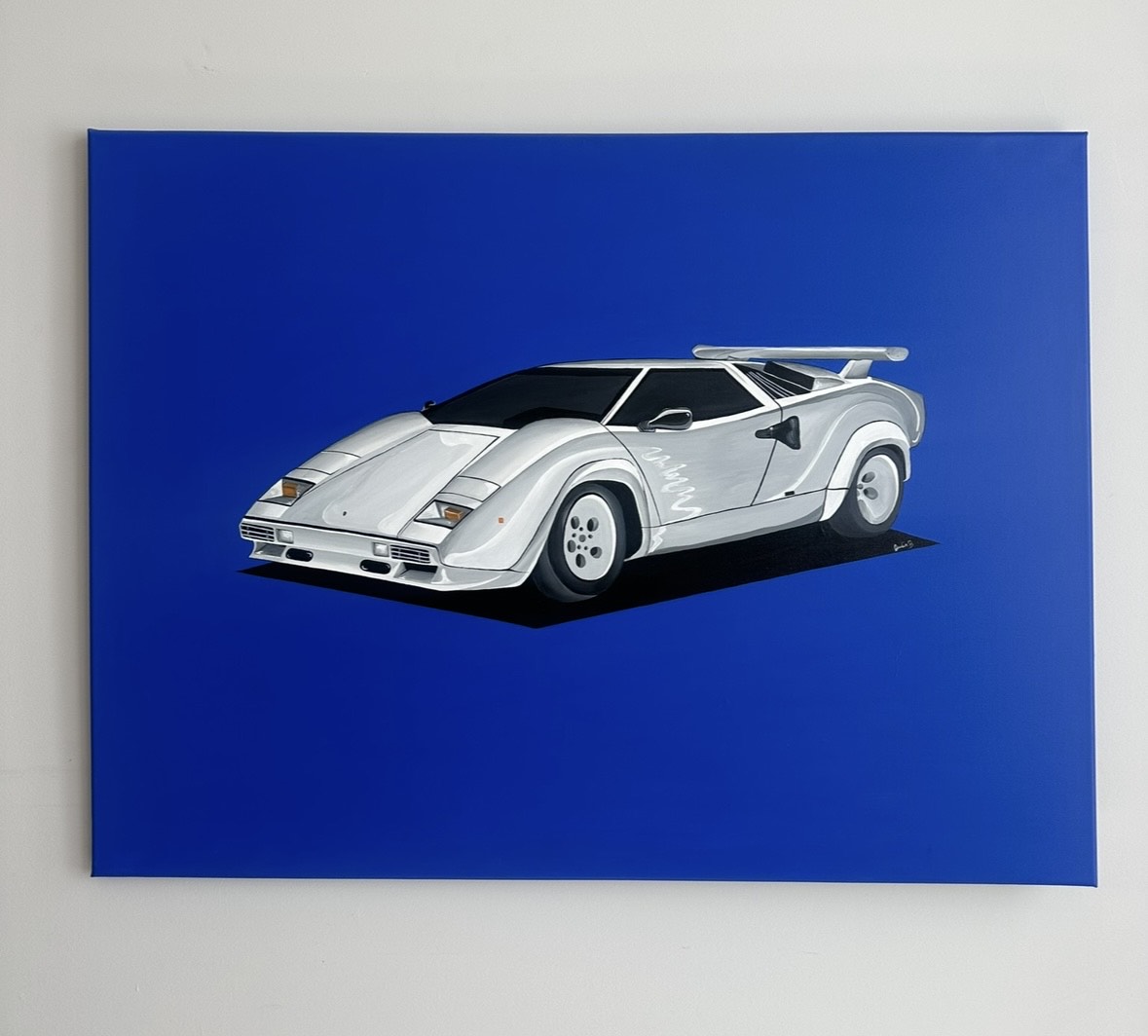
Julia Brevetti’s digital growth did not remain a matter of numbers. Her work began to circulate beyond the screen and generate concrete opportunities, including creating original artwork for the premiere of Rick and Morty Season 8, collaborating with luxury hospitality brands, and taking part in high-profile creative projects.
At this point, her career signals that it is now possible to build a global artistic trajectory without relying on traditional intermediaries. Brevetti uses social media not only as a showcase but also as a creative space, an idea laboratory, and a business platform. Each post is part of a broader strategy where the process matters just as much as the final work.
Julia Brevetti represents a new generation of visual artists. A generation that understands the value of digital access, and bets on consistency as its main driving force. Her story proves that with a clear vision, a camera in your pocket, and strong discipline, art can find its audience.