
 Nia Bowers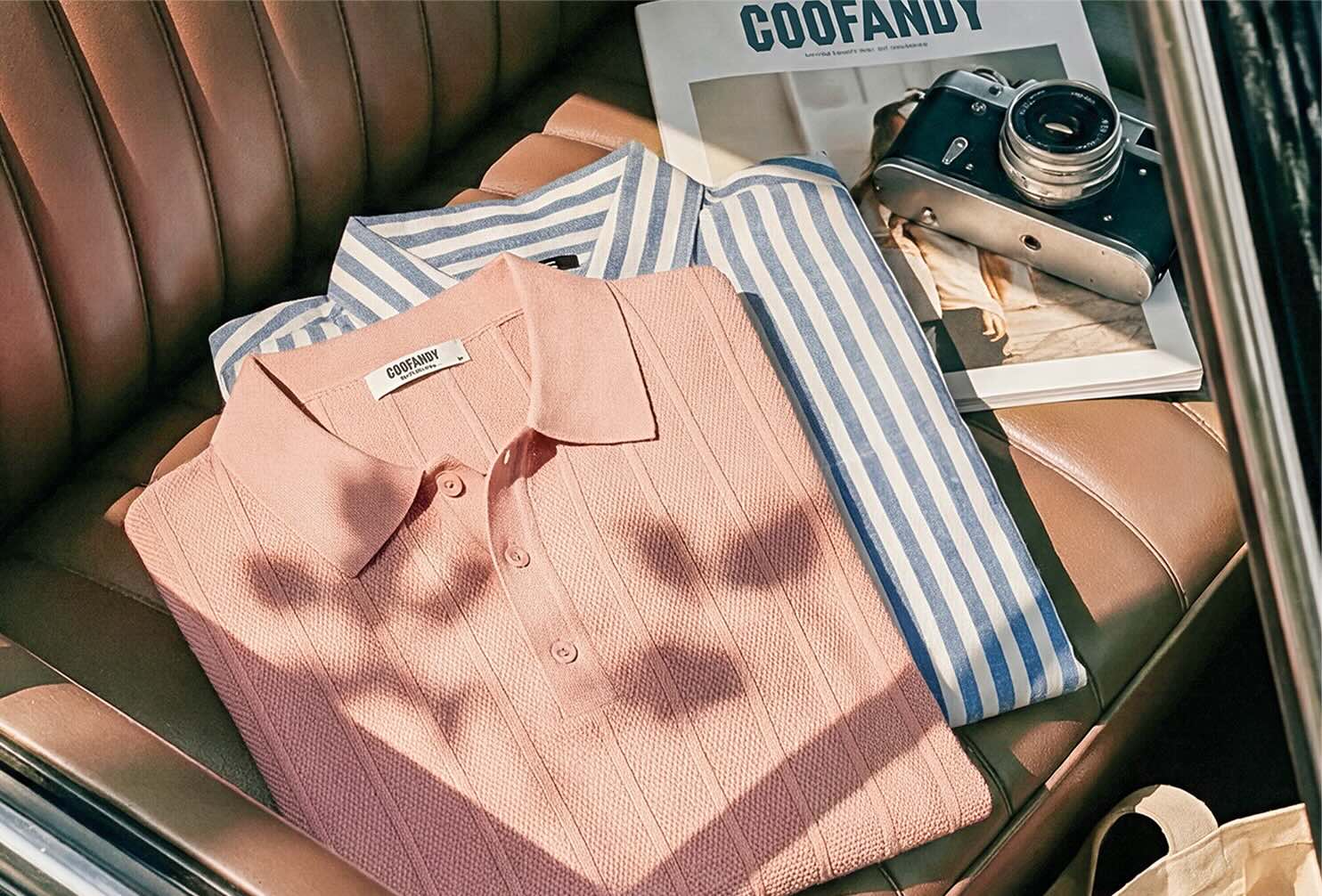
Eleven years after launching as an online-only label, COOFANDY’s menswear has found its way onto Walmart shelves without losing sight of the guy it was built for.
Somewhere in the last year, COOFANDY stopped being a brand people had to go looking for. The menswear label, known for shirts, suits, and everyday staples that don’t try too hard, recently added Walmart to a retail footprint that already included its own site and Amazon. For a company that spent most of its life as an online-only name, that’s a real shift: from a brand people stumbled into while scrolling Amazon listings, to one sitting on the same digital shelf as two of the biggest retailers in the country.
It’s a fitting moment to look back at how it got there, because the story of COOFANDY is really the story of a menswear label growing up – one that spent eleven years quietly scaling before most people noticed.
COOFANDY launched in 2015 with a simple premise: build versatile, well-made menswear – shirts, suits, pants, sweaters, tees – and sell it directly online, without the markup that comes with a mall storefront lease. Amazon was the obvious place to start. It’s where a lot of shopping already happened, especially for guys who wanted to look put-together without spending an afternoon in a fitting room. The label’s early identity was built on being useful rather than flashy: reliable basics, priced fairly, that did their job. It wasn’t the kind of brand that generated headlines. It was the kind that generated repeat customers.
Eleven years later, that starting point looks almost quaint. COOFANDY says it has served more than 70 million customers across more than 30 countries – a scale that would have been hard to picture from a single product listing in 2015. Getting there meant steadily building out beyond basics: full seasonal collections, categories like matching sets and outerwear, and a catalog broad enough to dress a customer for more than one kind of day. Much of that growth happened without a traditional retail footprint at all – through search results, product reviews, and word of mouth in online menswear circles, long before COOFANDY had a presence on a store shelf anywhere.
That quiet scaling reached a turning point in 2025. COOFANDY picked up Silver honors from the MUSE Design Awards, the Berlin Design Awards, and the New York Product Design Awards – three separate juries, in three different countries, recognizing pieces from the same core collection in the same year. CNN Underscored added its own vote of confidence, naming a COOFANDY button-down shirt among its editor-favorite picks and noting it looked considerably more expensive than its price tag suggested.
“For a long time, people knew us mostly as an affordable option. The design awards mattered because they told a different story – that you don’t have to choose between something well-designed and something accessible,” Sidney Sun, Chief Marketing Officer at COOFANDY, said in a statement.
That belief is baked into COOFANDY’s tagline, “Dress the Journey” – the idea that a man’s wardrobe should move with him through the stages of his life, rather than sit in a closet reserved for special occasions. The brand’s customer, by COOFANDY’s own research, tends to be college-educated, married, raising children, and navigating a career that asks him to look put-together more often than he’d probably choose to on his own. The product line is built around that reality: pieces meant to work for a Tuesday commute, a Saturday errand run, and a cousin’s wedding, without requiring three separate wardrobes or three separate budgets. It’s less a fashion pitch than a logistics one – fewer decisions, less closet clutter, clothes that don’t need a special occasion to justify owning them.
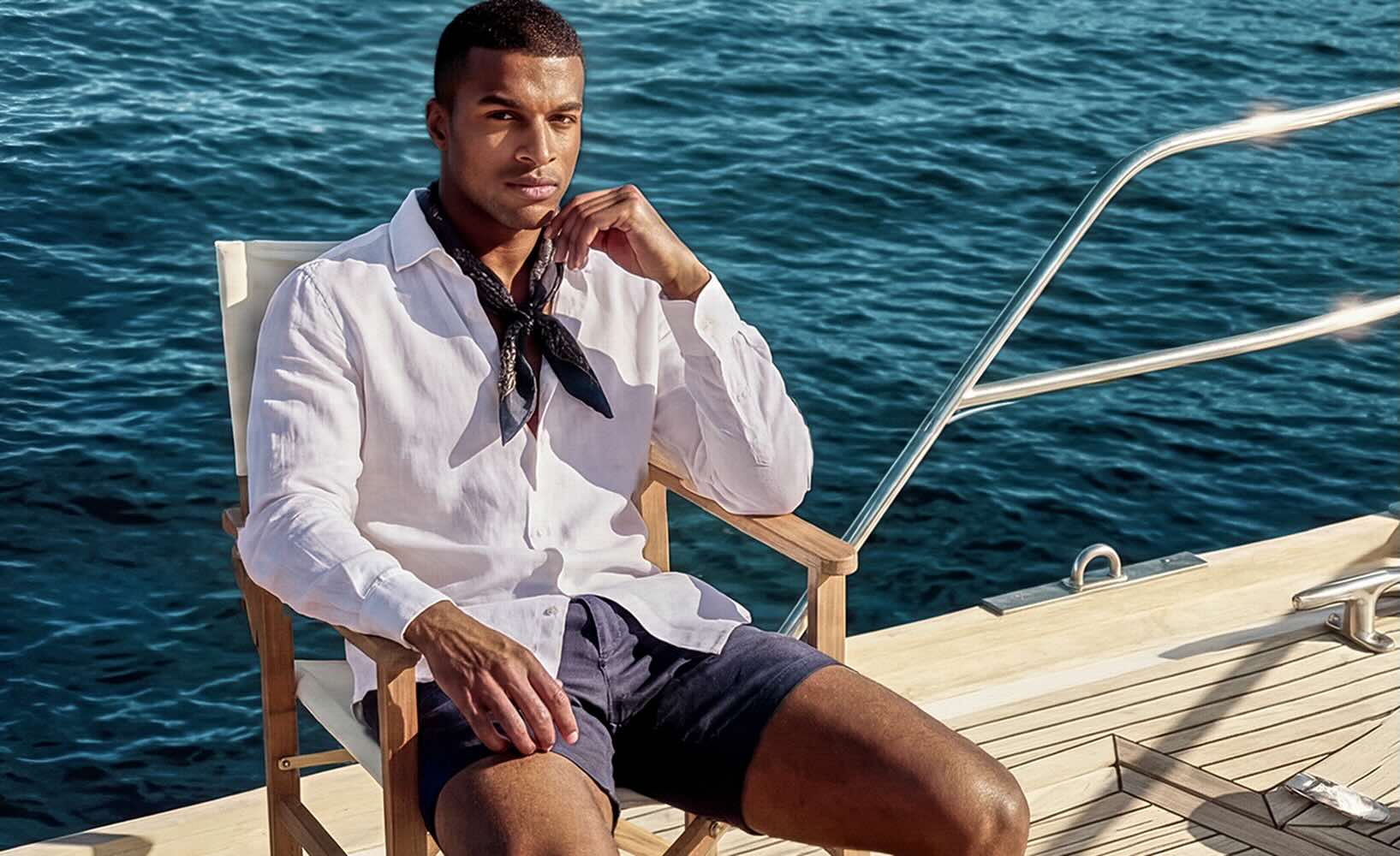
That same long-view thinking carries into how COOFANDY makes its clothes, not just how it markets them. The brand’s shirt fabrics hold OEKO-TEX® STANDARD 100 certification, independently verified by testing group airmid healthgroup, and COOFANDY also holds Global Recycled Standard (GRS) certification alongside a membership in 1% for the Planet. None of that shows up on a price tag, but it’s increasingly part of what the brand is asking its customers to trust it on – not just fit and price, but where the fabric came from and how it was made.
Which brings the story back to Walmart. Landing in one of the largest retailers in the country isn’t just a distribution win – it’s evidence that a brand built one Amazon order at a time can graduate into mainstream retail without losing the identity that got it there in the first place. It also mirrors a broader shift happening across digitally native brands more generally, as more of them look to translate online traction into shelf space that doesn’t depend on a single marketplace algorithm.
“We didn’t want to just chase the biggest shelf space we could find. We wanted to be somewhere our customer was already going, so that finding us felt less like an accident and more like they’d finally caught up with us,” Sun said.
Eleven years in, COOFANDY is still, at its core, a bet that men want clothes that keep up with their lives instead of asking them to plan around a wardrobe. The company’s next chapter now includes Walmart distribution alongside its own site and Amazon – suggests that bet is paying off. And if “Dress the Journey” has a next scene, it’s probably going to be shelved somewhere a lot more visible than a single product listing on Amazon.