
 Mark Stefanos
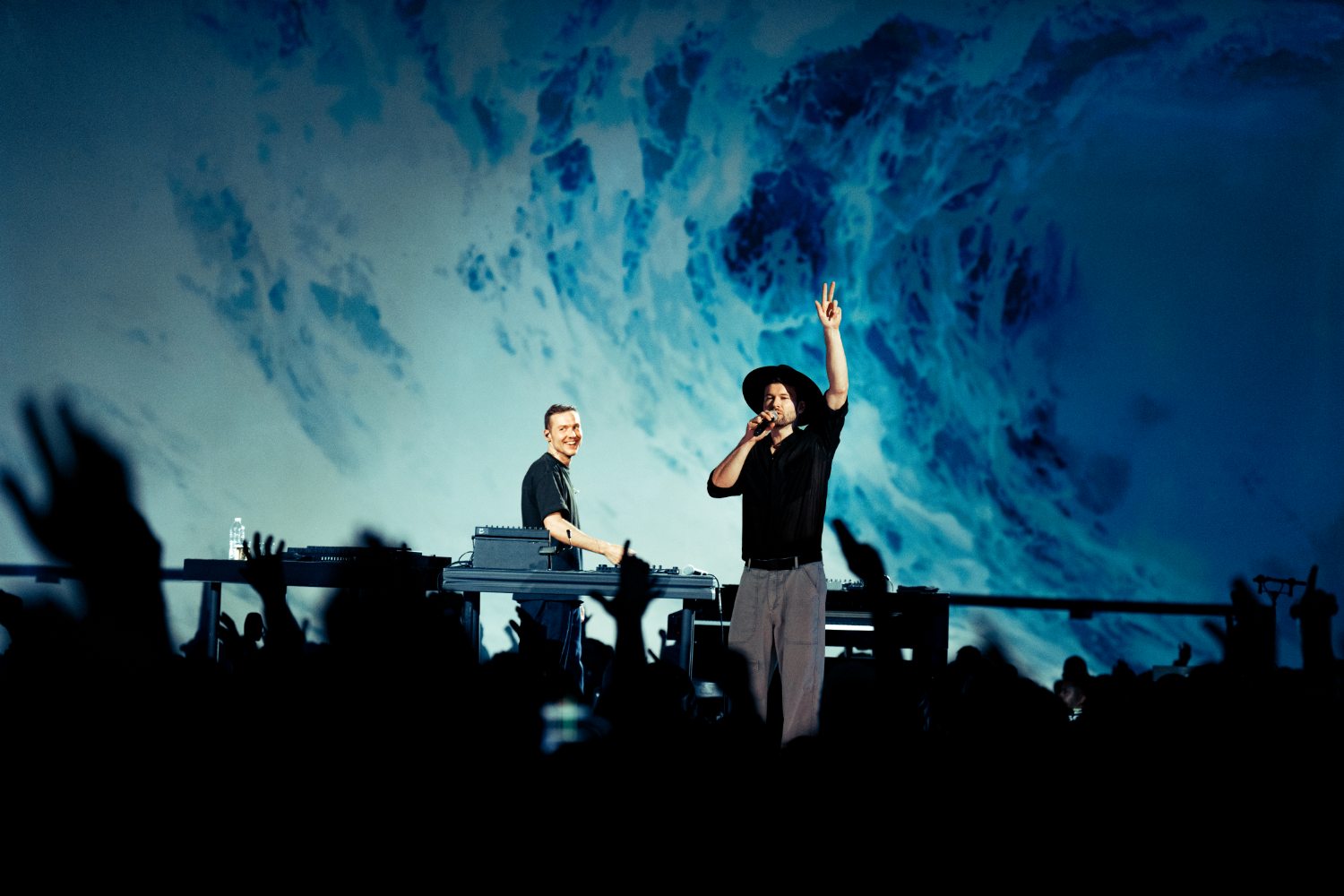
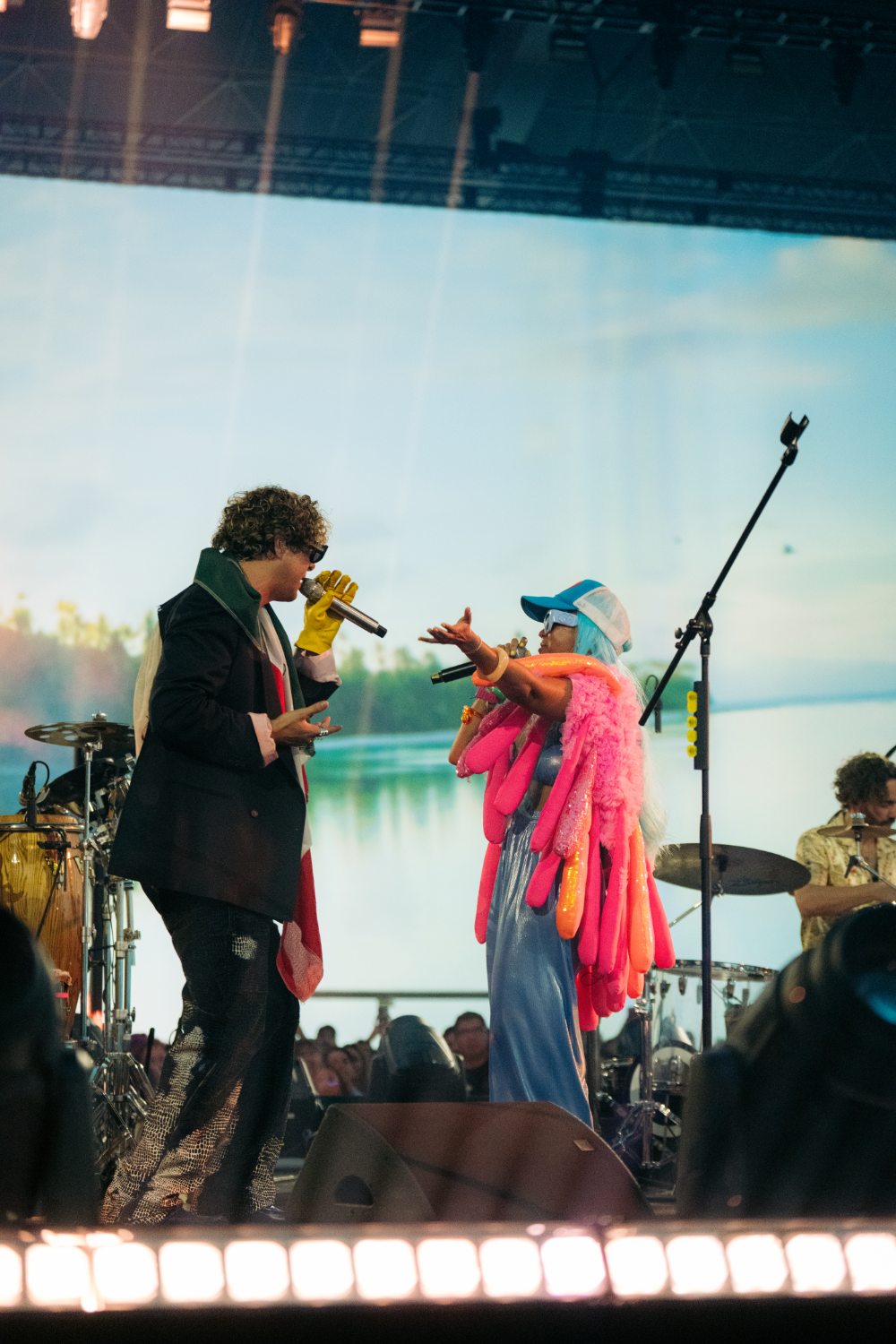
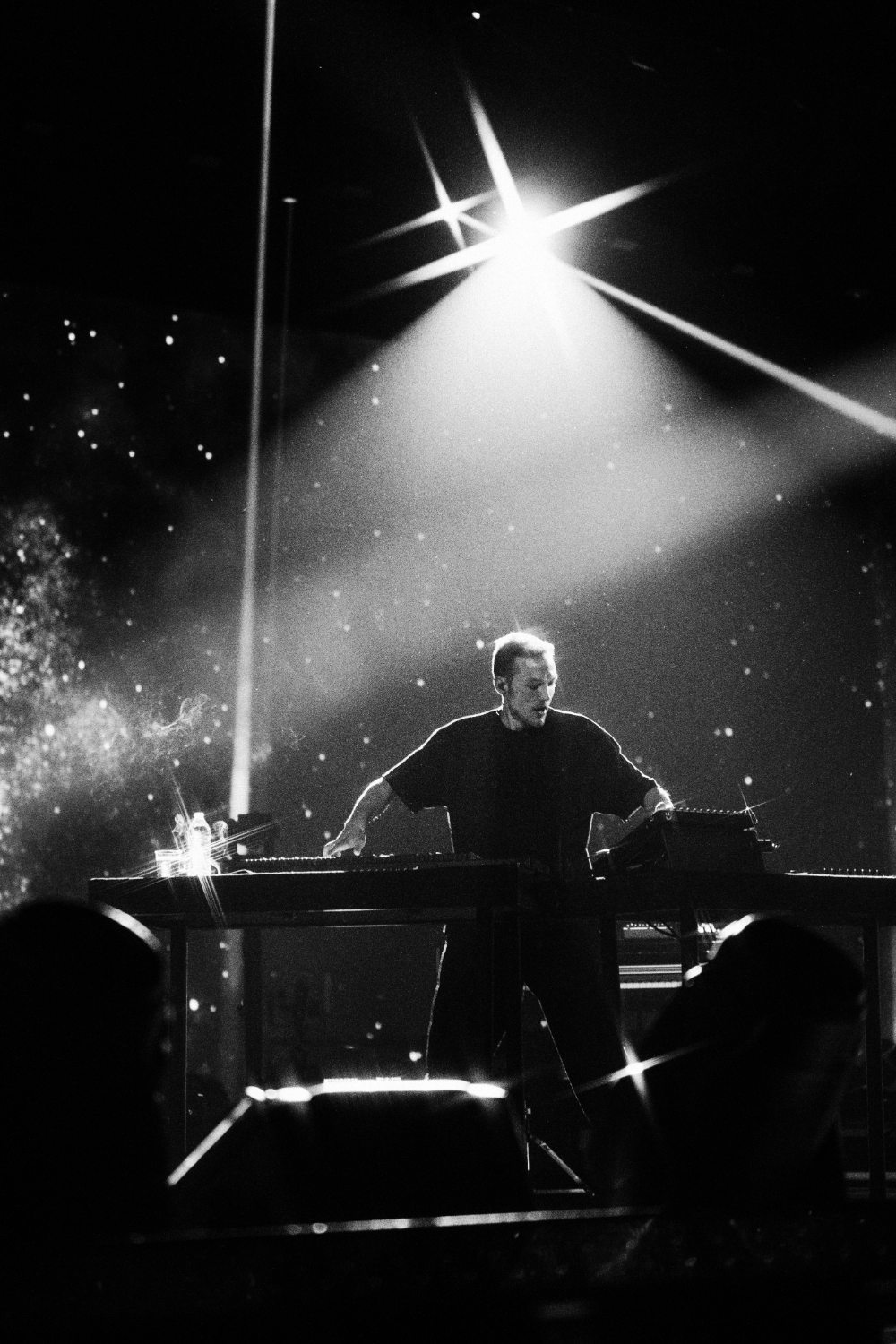
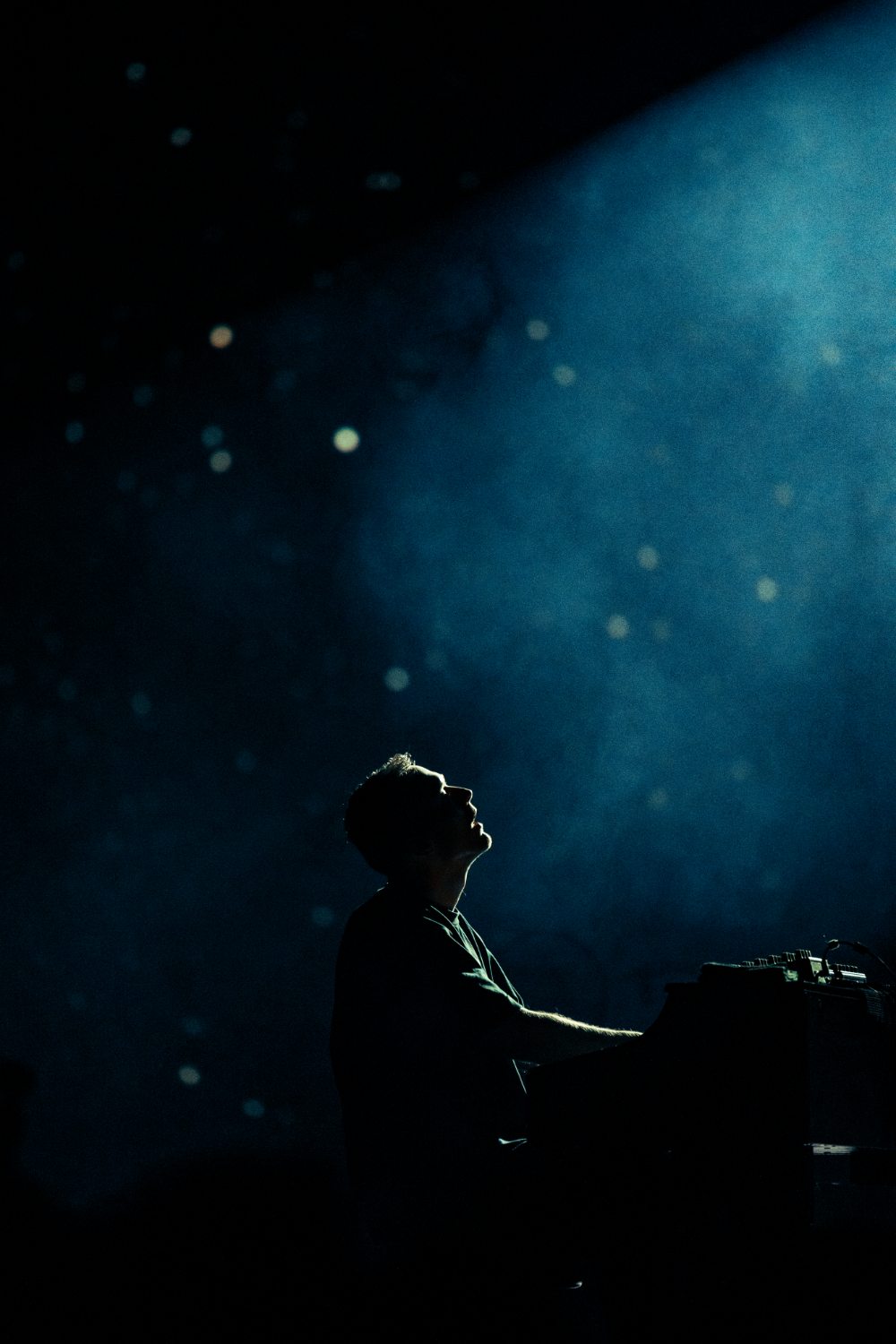
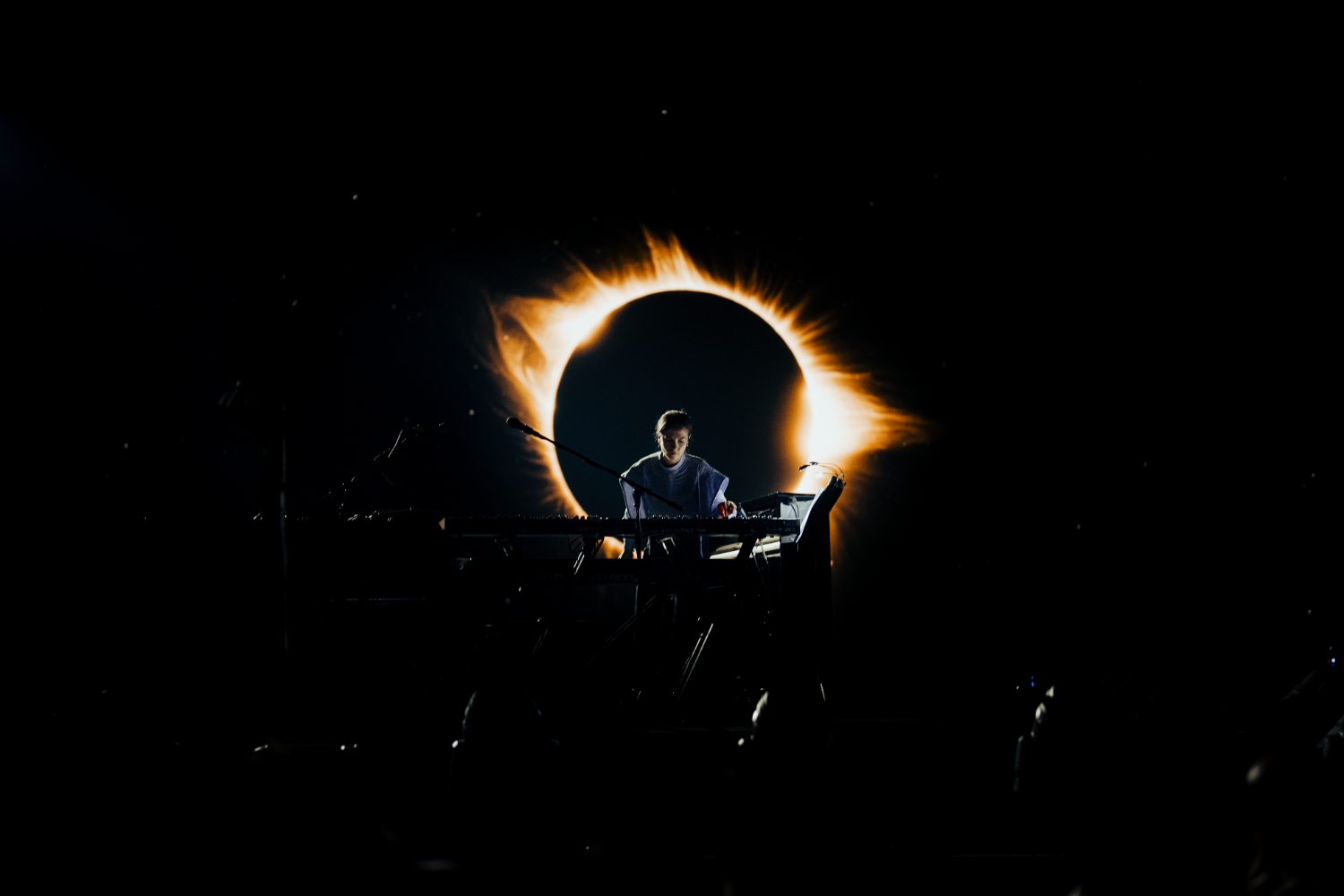
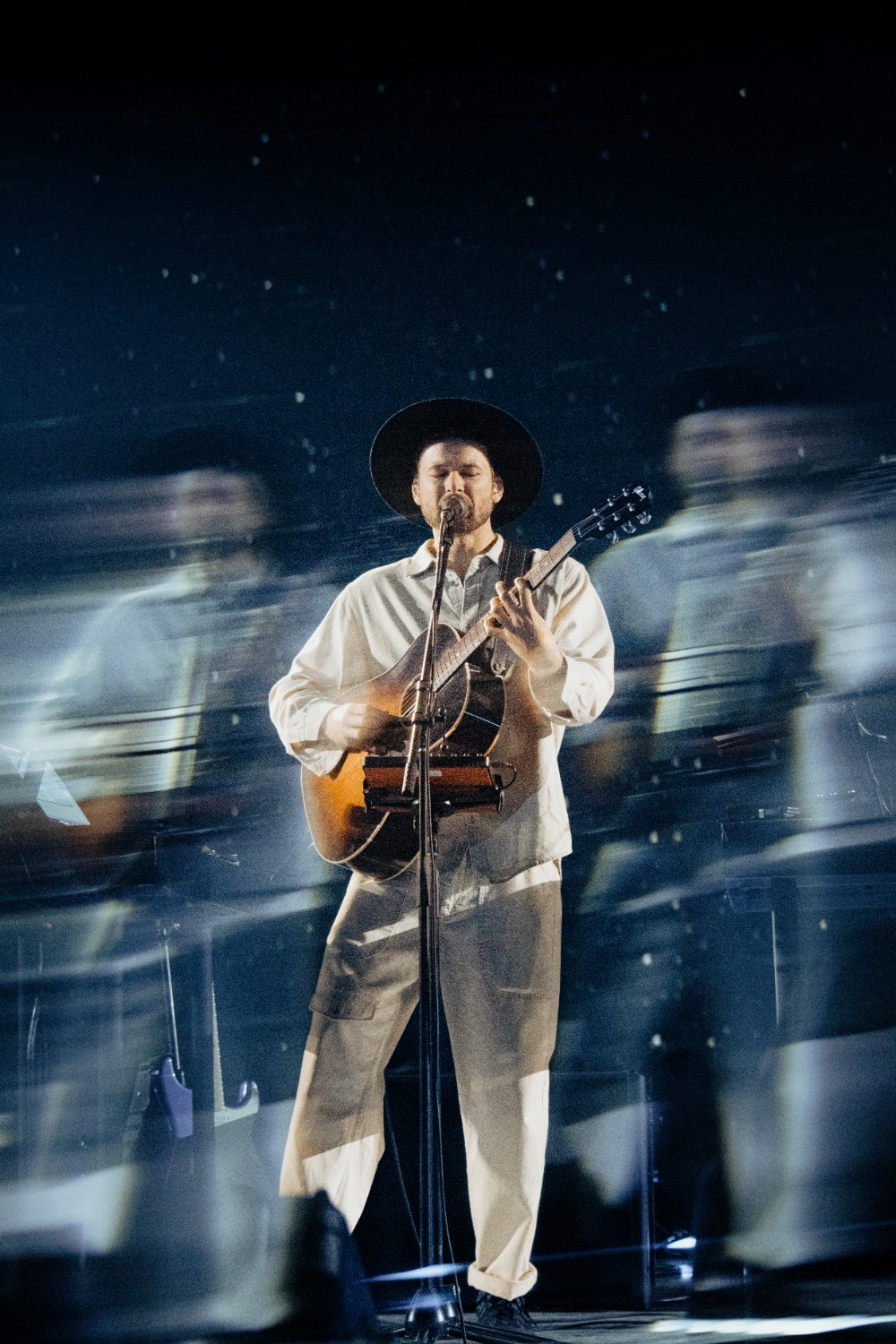
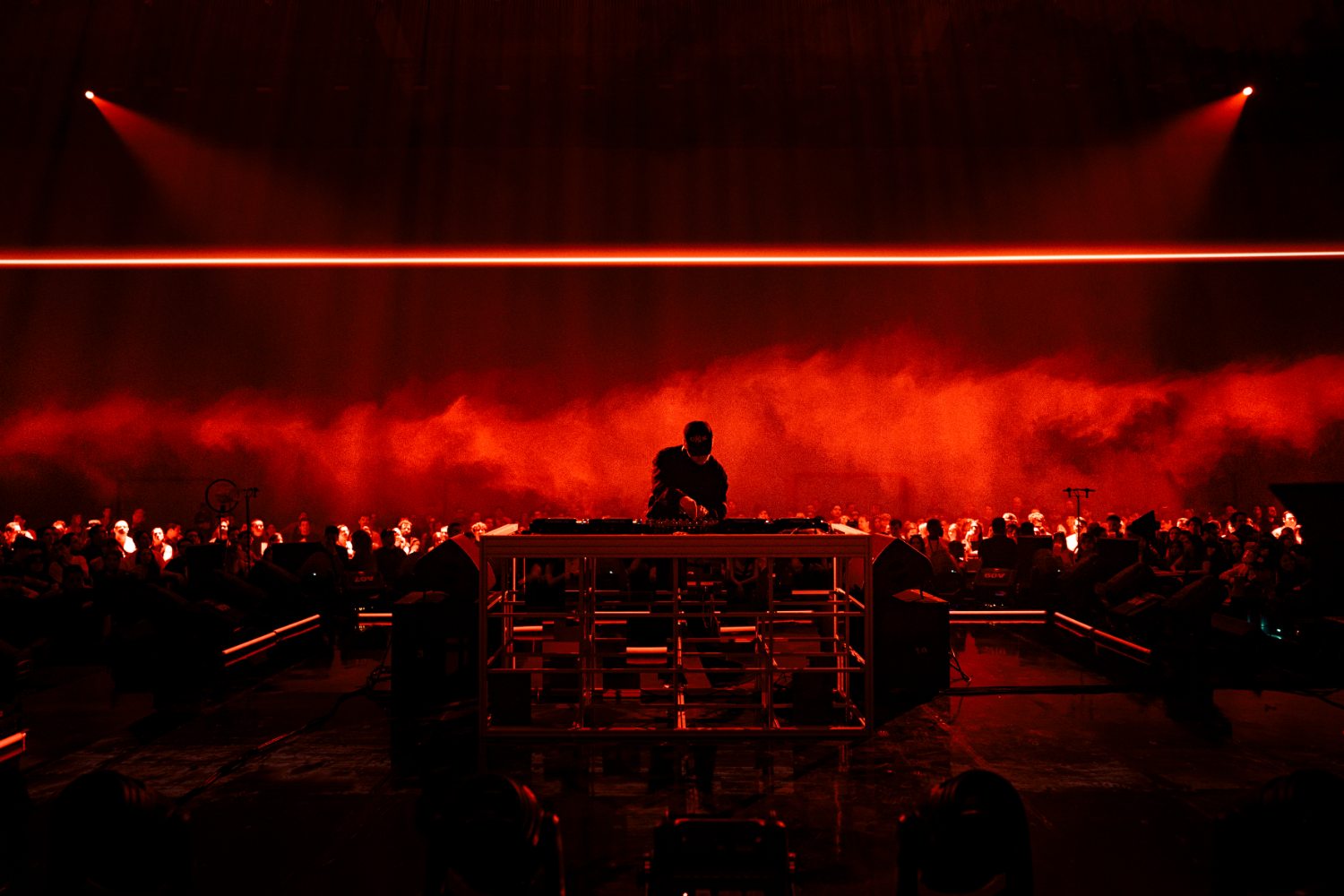
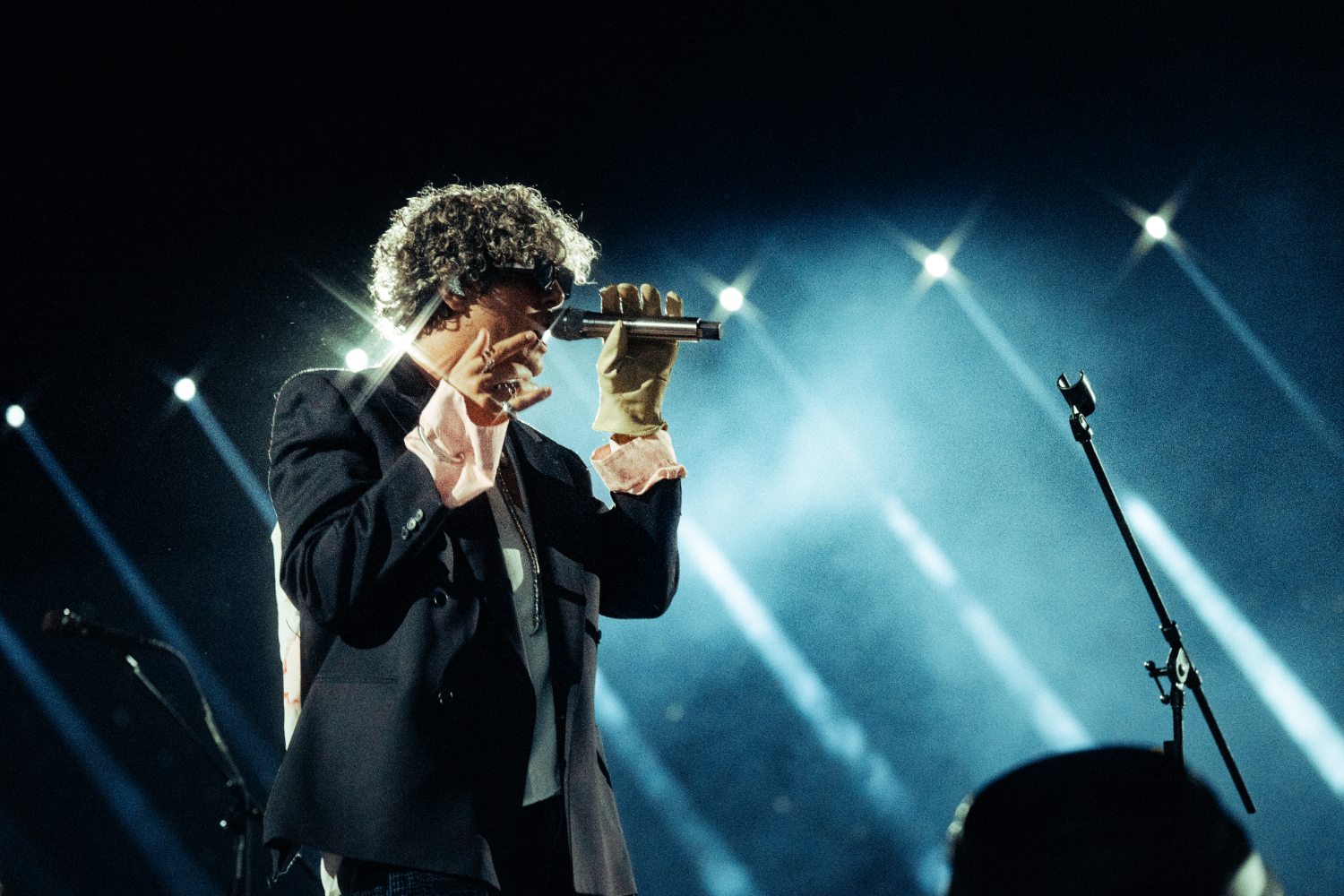
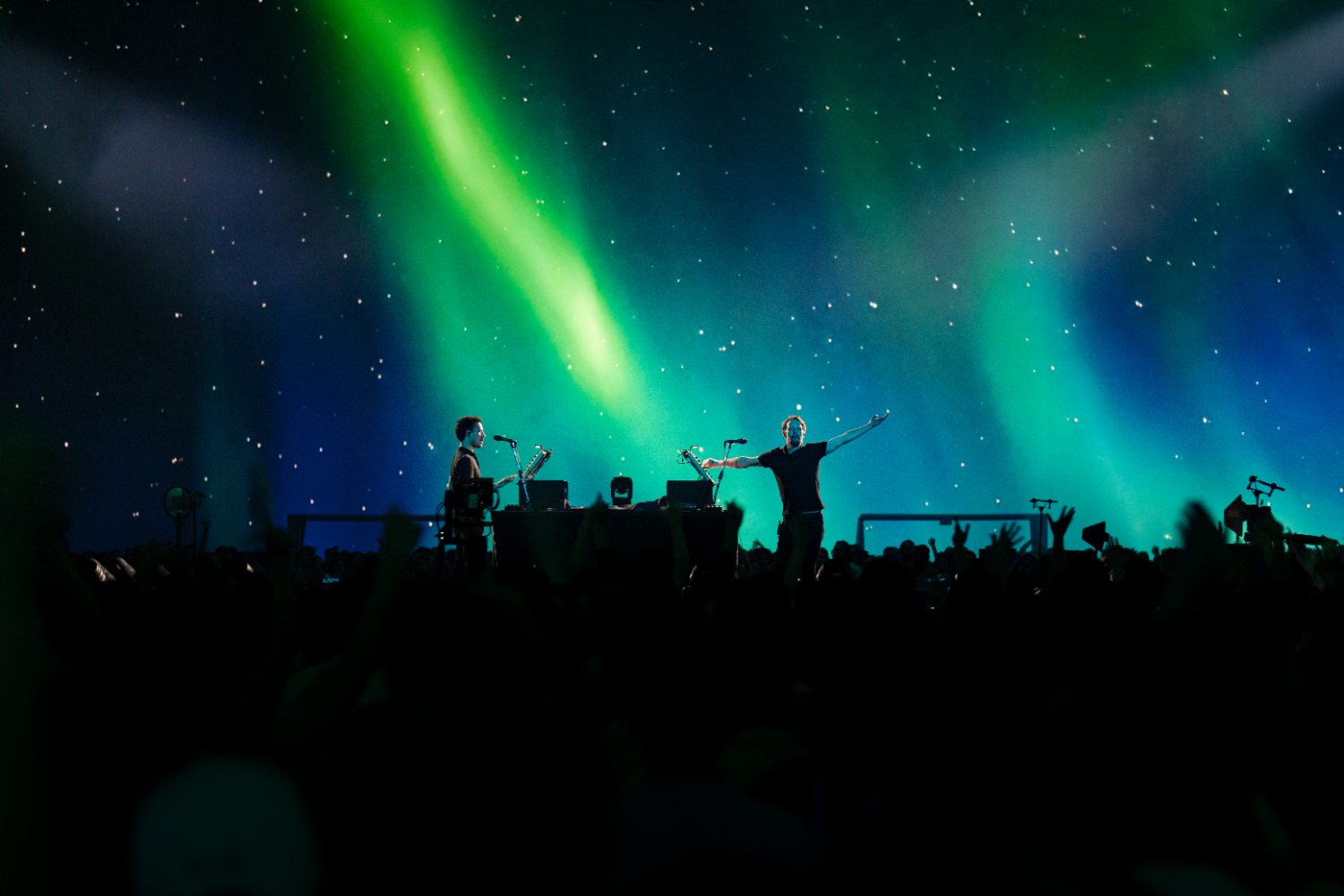
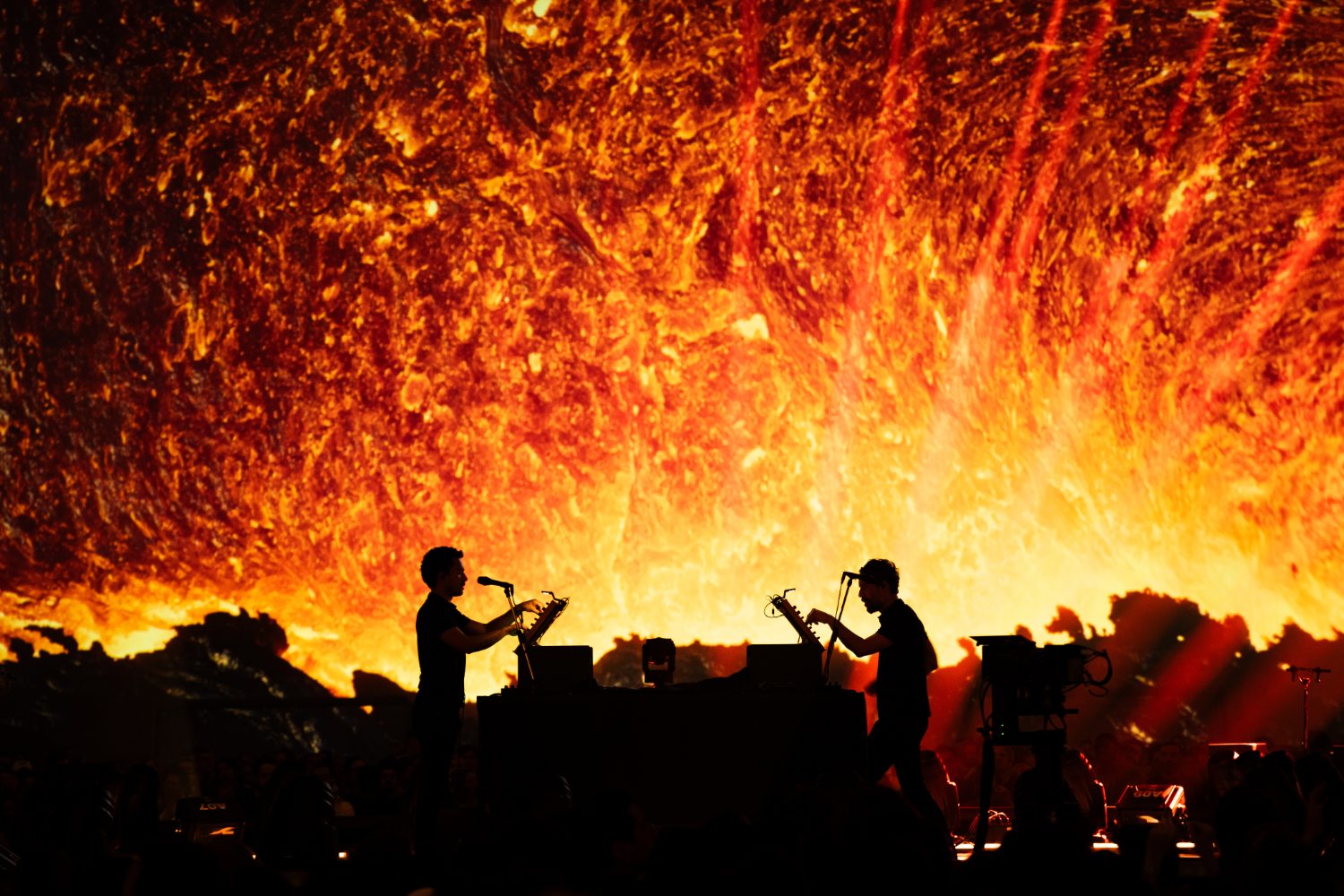
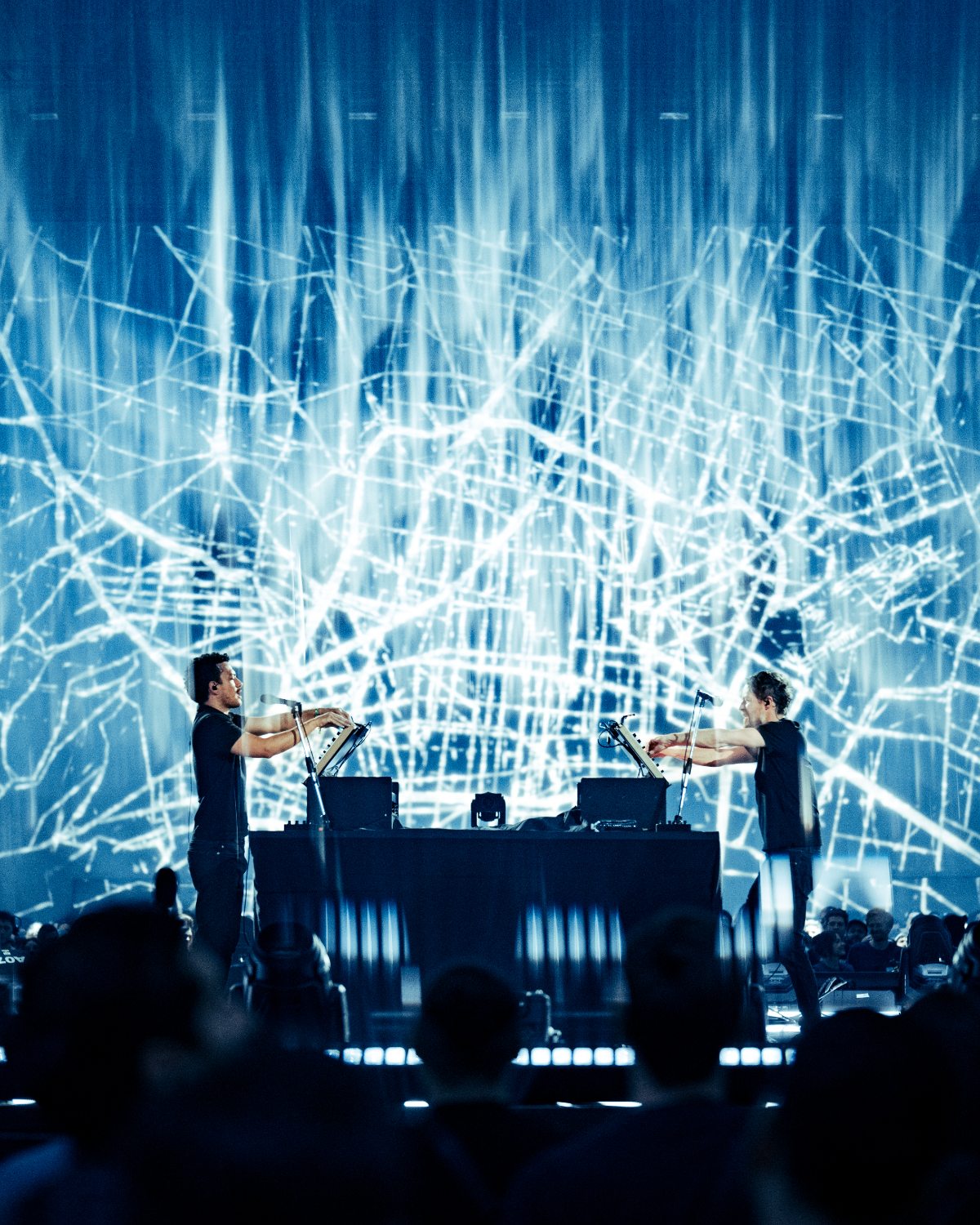
For nearly a decade, French concert production house Cercle has stunned viewers with performances from the world’s best musicians and DJs at some of the planet’s most iconic, beautiful and far-reaching venues: Ben Böhmer from a hot air balloon above Cappadocia, FKJ on the world’s largest salt flat in Bolivia, Disclosure from the side of a cliff in Croatia, Adriatique playing atop the Alps in France, Bob Moses at the Griffith Observatory, Sébastien Léger at the Great Pyramids of Giza — a YouTube library that has to be seen and heard to be believed.
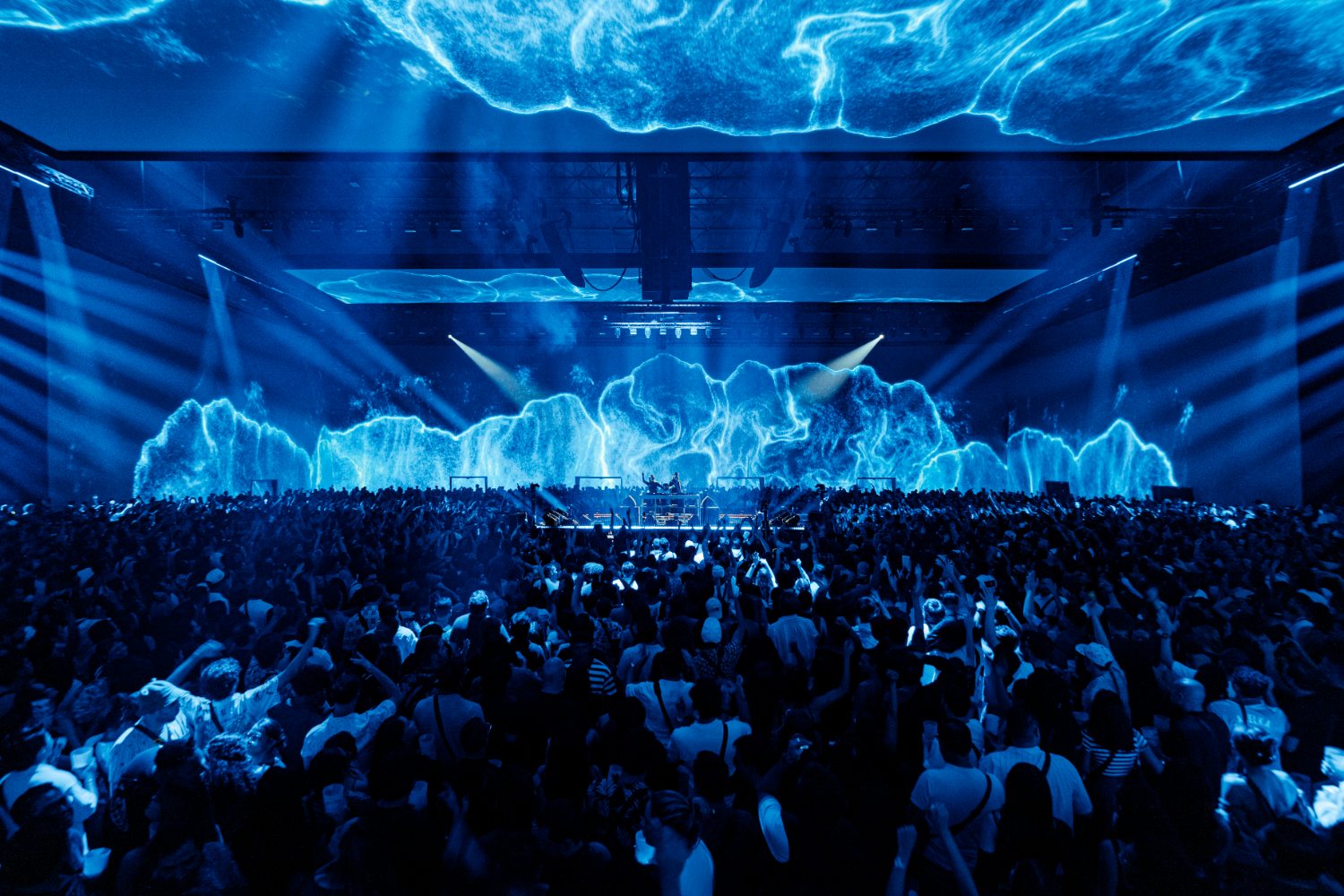
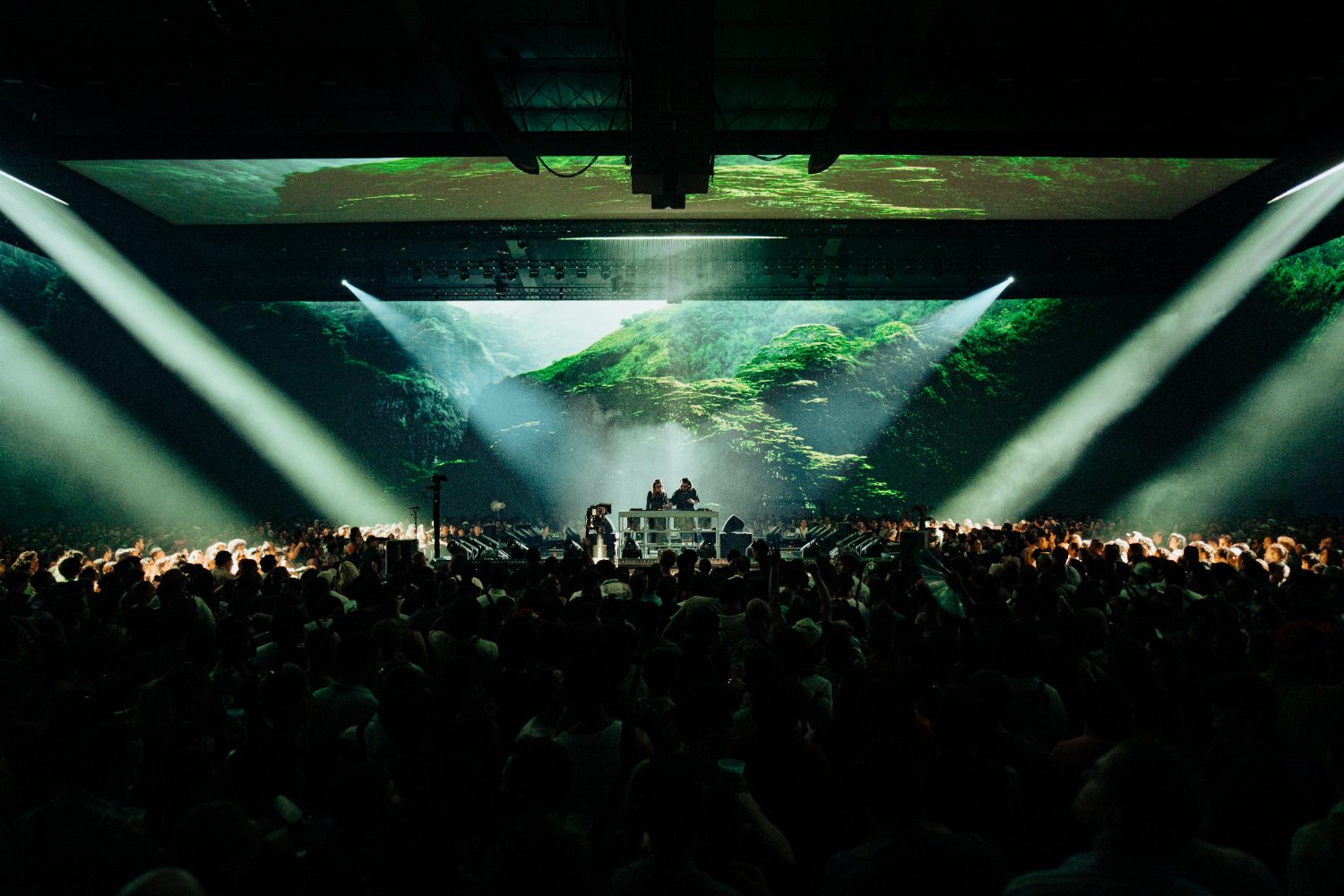
Now Cercle is transcending its roots with Cercle Odyssey, a nomadic, 360-degree immersive concert that fuses music, 8K visuals, and a modern retelling of Homer’s The Odyssey. Led by Derek Barbolla, Cercle’s Franco-Argentinean founder and creative director, the tour arrives at the Los Angeles Convention Center May 7–11, showcasing artists Moby, Paul Kalkbrenner, Empire of the Sun, The Blaze and Black Coffee.
“It was an amazing experience. One for the books,” artist The Blaze told LA Weekly of the Mexico City debut late last month, where Barbolla recounts audiences wept tears of joy.
Raised in a Parisian multicultural household that nurtured his love for arts, Barbolla’s vision for Odyssey blends his cinema degree from Sorbonne University with an AI background from his early career at VirtuOz, where he honed skills in virtual event production.
Directed by Italian filmmaker Neels Castillon, Cercle Odyssey transforms venues with 2,300 square meters of screens and immersive sound from L-Acoustics’ L-ISA spatial audio technology, enveloping attendees in visuals shot across Namibia’s dunes, Iceland’s highlands, and beyond, with dancers and four diverse Ulysses characters reimagining the epic tale. It was filmed over a year with innovations like a custom 360-degree drone, and the nine-hour modular film allows artists to tailor visuals to their sets. “I also cried, not only the audience,” Castillon recounts from the awe of seeing their hard-won drone shots light up the crowd.
Barbolla sees Odyssey as a boundary-blurring evolution of Cercle’s mission to merge cultural heritage with world-class performances. We spoke with him and Castillon last week just as the Mexico City leg of Odyssey wrapped, and the team geared up to host the LA fusion of music, myth, and technology. They went deep on the creative vision, technical triumphs and heartfelt passion driving Cercle Odyssey.
LA WEEKLY: First, let me ask, how did the Mexico City shows go?
Derek Barbolla: Oh, it was like a dream, even better than we expected, actually. I mean, on my side, it was very unique, very powerful, a lot of emotion. We saw a lot of people crying on the dance floor, like cries of joy.
And the comments on people and artists as well have been really tremendously amazing. We received so much good feedback from everyone. Every show was very unique and the vibe was different. And that was something that was very interesting for us to witness, actually.
I’m so, so happy and proud about the first shows. And maybe, Neels, you can add.
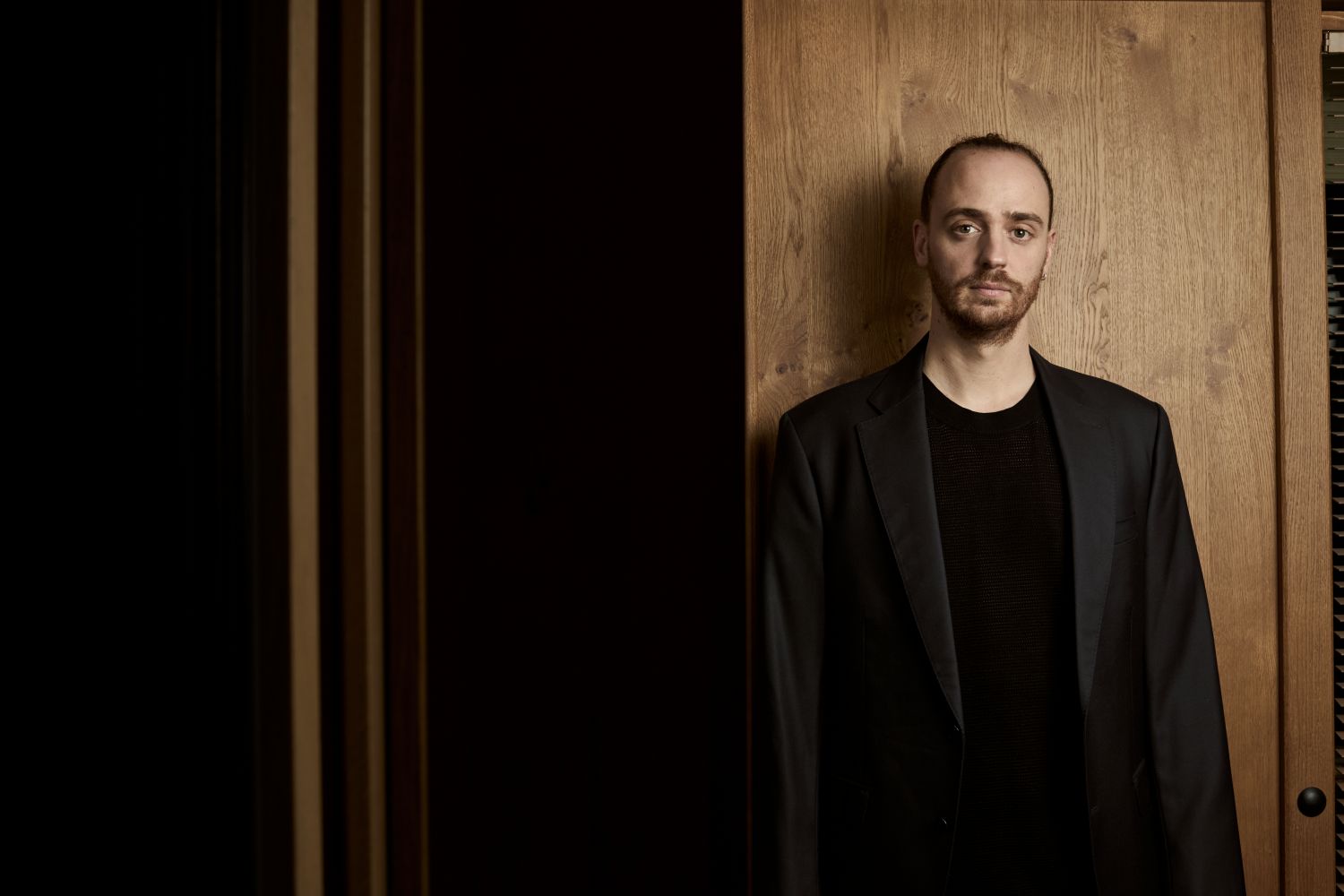
Derek Barbolla (Courtesy of Cercle)
Neels Castillon: No, I think you said everything. It was really cool also to be in the middle of the crowd and to see people’s faces reacting to everything. And it was really cool. I also cried, not only the audience. I think the experience was great. But also I remember how much we struggled, for example, with the 360 drone. I remember the weeks and the nights testing stuff. It was not working. So then I saw the scene on The Blaze. And I saw people, being like “Wow!”
And I was like, “Okay, I worked hard for a year, but it was worth these faces, to see these faces all around. This is why we did it.” And it relieved me for a big way to see it was working. Because you never know how people will react.
My understanding is you have shot tons of footage that can be moved around. So who does the sequencing?
Neels: I mean, we shot a lot. You have nine hours of 360 footage, which means 45 hours of total footage. So you can play on different screens. So basically, with my two editors, we pre-edited some sequences. And of course, since the beginning with Derek, we worked with the script — here we want this, here we want that.
So we really communicate with each other. Then once we shoot, we pre-edit it, and we send it to the set team with two other editors, and Derek and Mathieu. And they work with the artist to choose.
On my side, it’s good to see people using the footage on music, making different shows than what I would have done. It’s very surprising sometimes — sometimes we choose the same, sometimes it’s different. I think Derek can talk more about the relationship with the artist because he went to see the artist to choose which kind of sequence they like.
Derek: Yeah, I mean, it really depends also on each artist. Some artists, they really trusted us with the whole process. Then it was more like how we felt the vibe was for each song.
Sometimes we redid some edits from Neels. Sometimes we put them as it is, depending on what we want to do with the vibe, with the emotions, etc. And with a lot of artists, we actually collaborated very closely with them or with their creative directors. For example, we asked them like, what color is this song for you? Or what emotion or what energy do you want to give? Some artists really collaborated with us.
So yeah, it was a real collaboration. And that’s what makes the project so special is that you can also feel the artistic energy from the artists — from the musician, of course, from Neels and from us as well. And it’s like a synchronicity of all these artists that makes the makes the project very special at the end.
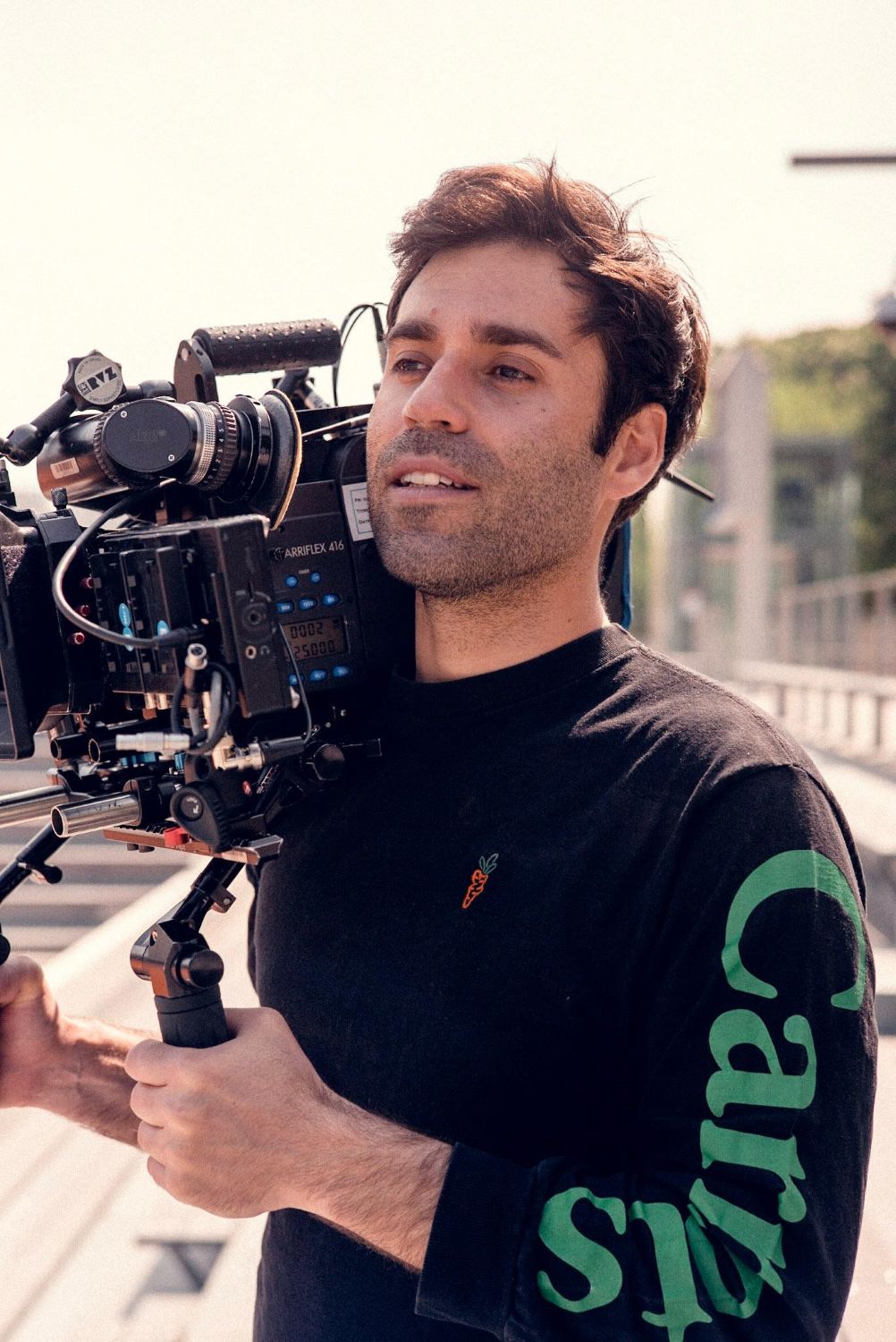
Neels Castillon (Courtesy of Cercle)
Had you two, Derek and Neels, worked together before?
Derek: No, no. But we both admired each other’s respective work for a long time before. I think we met thanks to Hania Rani, actually, because I discovered Neels’ work through her and I think Neels discovered my work through her as well. And at some point, I called him maybe two, three weeks before announcing Cercle and I explained to him the project. And we were really in the same mood. And now I think we can call ourselves friends.
Neels: I wish I had more phone calls coming from nowhere telling you, “Do you want to do the most ambitious artistic project in your life?” I’m like, I’m in!
Yeah, for sure. For me, it was kind of coming from nowhere because I think Derek had this idea for even 10 years now, he told me this morning. And after everything I saw from his idea, I understood why he called me at some point because it was really connected to my work also and our love for nature and music — nature and music is the core of what we love and we both choose in our personal work to make those two elements collide. I would have been super jealous if he did this one with another director, honestly.
Derek: Yeah, and also Neels works a lot with humans and dancers. That’s what we missed with Cercle a few years before and that was also something that I really loved in Neels’ work.
So there is that element in Odyssey — dancers, performances in nature.
Neels: Yeah! There are dancers, there is a spine of a story inspired from The Odyssey. There are four Ulysses [“Ulysses” is the Latin variant of “Odysseus”], four characters. I didn’t want to take a regular face of Ulysses, so I proposed to have four different Ulysses — two women, two men, different origins, so they could represent anyone, like a kind of modern Ulysses.
And you kind of follow their adventure during the show, because at the end, the adventure of The Odyssey is trying to get back home. So this is why it starts in a very remote and wide location and it finishes into your city.
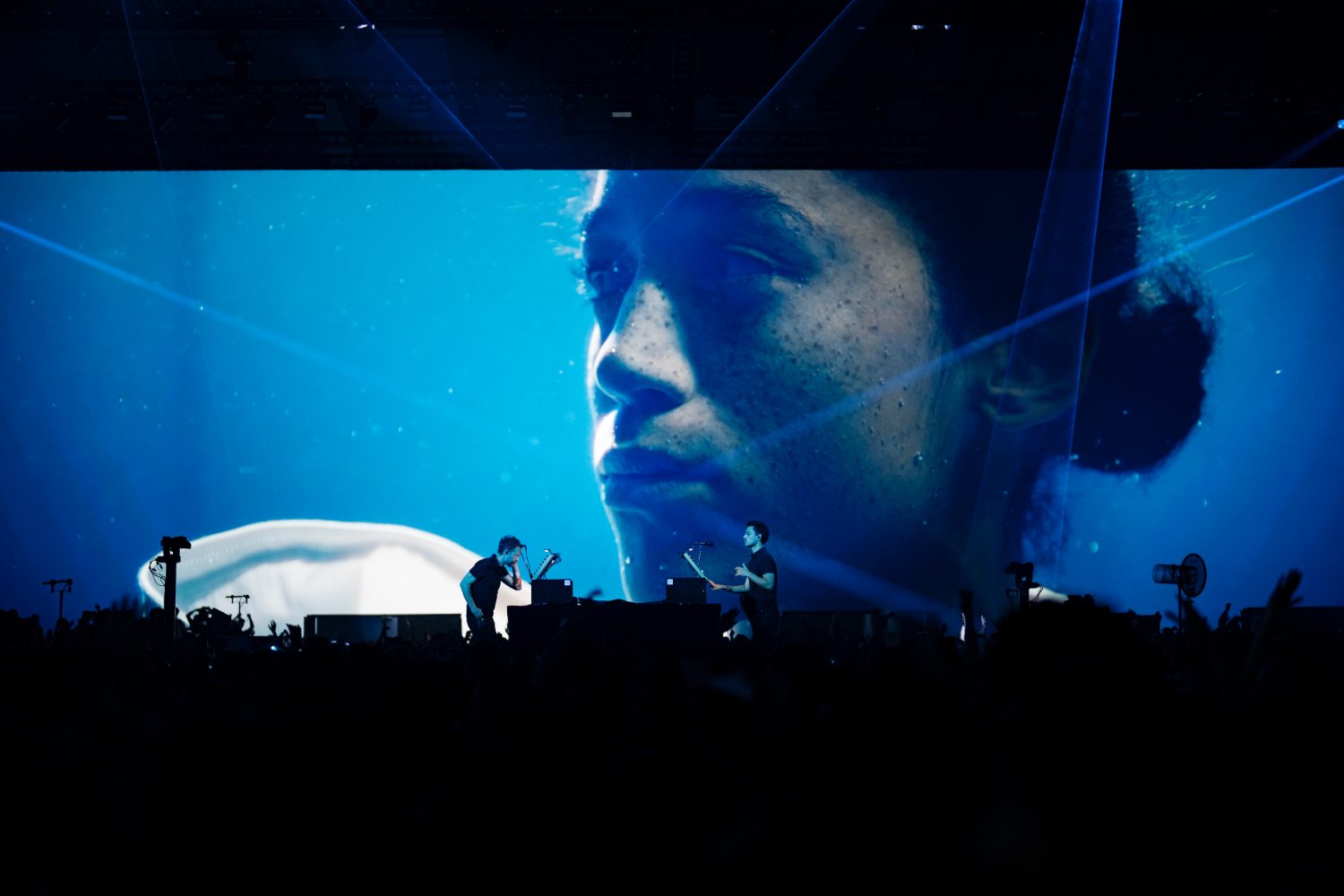
Mura Masa performs at Cercle Odyssey in Mexico City, April 2025 (Courtesy of Cercle)
I first became aware of Cercle in 2020 during the pandemic and it became the background of my life when we couldn’t leave the house. I don’t know how many times I watched the Martinez Brothers one — we would just watch that and act like we were at a party. So the fact that it’s coming here is very exciting.
I’m curious about what that evolution was from hosting Cercle at a location to this kind of new thing. Here we have now Cosm and we have the Sphere in Vegas, these new immersive experiences. How is Cercle evolving in your mind?
Derek: So we created these crazy experiences in different locations. You mentioned the one in Singapore — only 300, 400 people was the capacity. So, it was amazing, like a memory of a lifetime. But I wanted to share this with more people actually and find a way to welcome more people to have a Cercle experience. And that’s how I think I started having this come in my mind. It’s like how do we teleport people or how do we make people travel without traveling, while staying in their city? And I think that’s how the project came to my mind.
As Neels said, I had it in my mind for 10 years, I think, because I found some reference pictures that I sent to Neels a few hours ago, which look very similar to Odyssey actually. It was in 2015. So, it’s a very long process. I studied cinema so of course screens have been in my life since I was born.
But I wanted to add something new and something totally immersive and also something that is impactful for the artists. I’ve always in my mind been like, “How can the artist have an amazing experience?” Because they are the core base of every musical event, of course. And if they are feeling strong emotions, they will just share it with people in the audience.
For example, the Martinez Brothers — they felt something huge when they were on stage and there even was a storm coming and at the end didn’t come. And of course, this was very emotional, and it is the same for Cercle Odyssey — artists have the best spot in the house because they are in the middle, surrounded by screens and also on top, and [surrounded by] the audience. And I think when the artist has a great experience, everybody has a great experience. So, that was part of the creative process.
The first time we put a screen on a show was Boris Brejcha at the Grand Palais. The Grand Palais is a beautiful venue, but we had the authorization only to have 5,000 people and it looked empty with 5,000 people. So, I told myself, “What can we do?” It was like an anniversary of the first step on the moon, so I decided to bring this huge moon and I think that’s the first time actually I saw the potential of screens and putting people in front of a moon, etc.
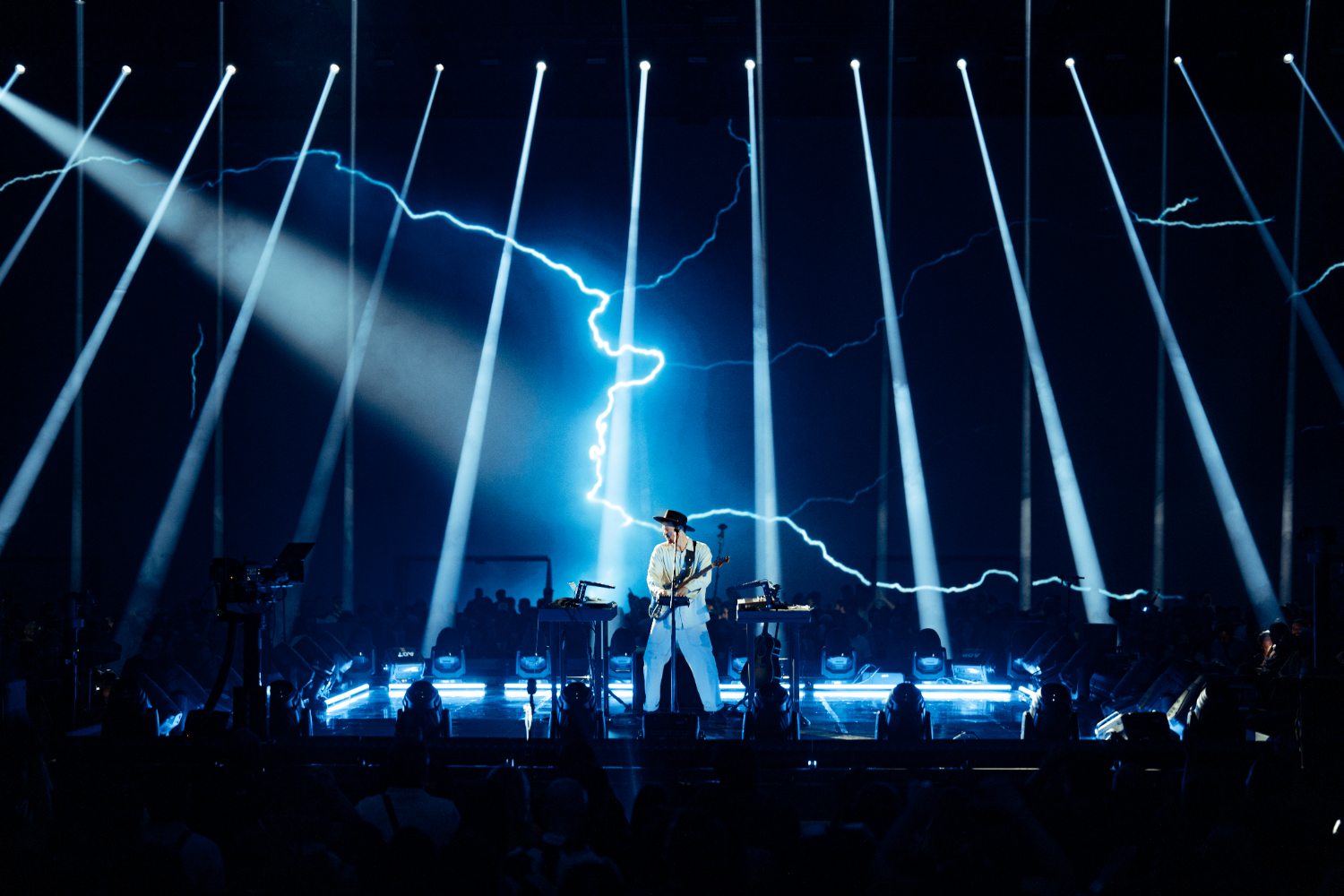
Monolink performs at Cercle Odyssey in Mexico City, April 2025 (Courtesy of Cercle)
Then we also did a release of one of our shows in one of the biggest theaters in Europe, and when I saw people just jumping on their seats, I told myself, “Okay, maybe that’s something interesting to develop.” The creative process came throughout the years like this.
And at some point, I think the reveal was like after a Fred Again show I saw at Zénith in Paris in 2023 — when I saw that big production they did in just a few months, I told myself — okay, we can do that. We can pull off a crazy ambitious project like that. We have an amazing team. We also work with the amazing team from Neels. We are like commandos, you know, just ready to do great things and that’s how we started the project.
Neels: I think also you have built a reputation where people can follow you on this type of project. Because honestly, the first time you explain the project to anyone, they look to your face and say, “What are you talking about? Are you crazy?”
And because of the reputation of Cercle — a very good reputation in music — things start to be possible. So for those 10 years, I think for Derek, it’s not only maturing an idea, but it’s building the trust of people. I came on board because of the reputation of the artists, but also confidence in you, trust in you.
So it’s very important that you build something really strong, to not do a Fyre Festival just for fame, because every artist that comes here, they really trust Derek with making something cool. Because it’s not a secret that we also ask other artists sometimes, and they are very afraid that the concept steals their show. Like they are not the center of the show at every moment, and people will look around.
So also artists that are here, they want to live this immersive experience with the audience, and they understand the process. So yeah, I just wanted to say, everyone trusts Derek because of the great work, and that makes it possible.
Because honestly, it was too much work. I don’t know how we handle all the stress. *Laughs*
Derek: Yeah, it was crazy. And yeah, a lot of trust, but also, of course, we have been helped by a lot of people and contacts we made for the past 10 years. People in the industry I talked with, that I couldn’t have talked to 10 years ago, that I didn’t even know. So yeah, that’s very true what you said, Neels.
Neels: When we talked to Moby the first time, we talked about him, the ambition of the film, shooting everywhere on Earth. And he’s like, “But your film will cost 20 million!” And I’m like, no, no, no. I have contacts everywhere, because I made a lot of commercials around the world, and teams are really keen to help us, and I know local people. I can travel with a very light crew and have local help also, which is good for the planet.
And what works for me, works also for Derek. He knows a lot of people in lighting, in sound, in [disciplines] that really want to make this project special.
And the common thing about everyone — it’s passionate people making things. It’s really not about money for now. And it’s really about making something special for us, because this is why we do everything we do. We just want to enjoy as much as the audience. So this is the best common thing to everyone, I think.
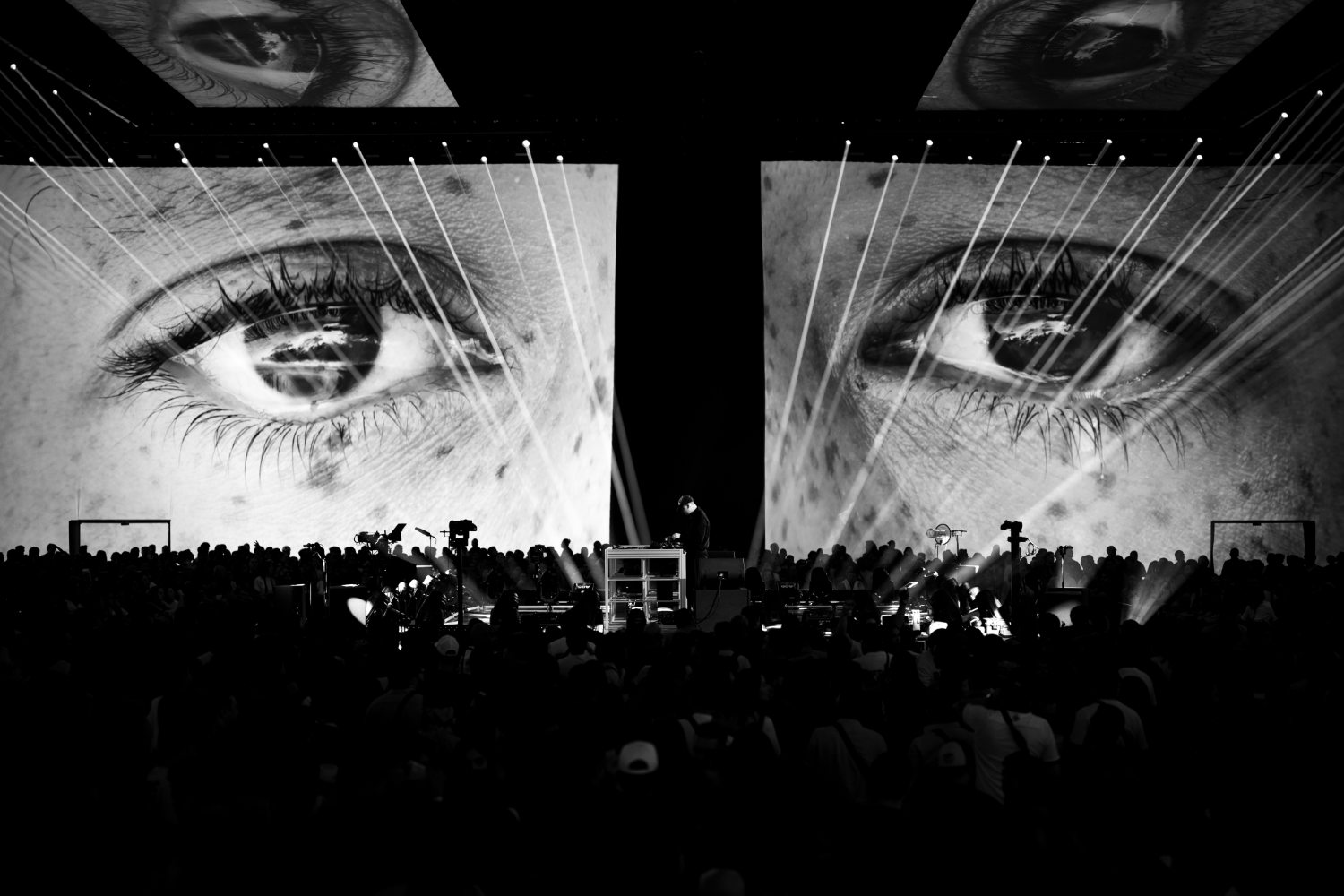
Mura Masa performs at Cercle Odyssey in Mexico City, April 2025 (Courtesy of Cercle)
Where did the idea of using The Odyssey as the narrative structure come from?
Derek: I think Odyssey is one of the first books I read at school. It has been really important in my mind for a long, long time. We discussed a lot with Neels about that. We wanted to find a narrative line. And we wanted to have humans on board. And we were like, how can we do that? What’s this narrative line? What do we want to share with the world?
And as Neels just explained a few minutes before, it was more like the tagline was like going back home and struggling going back home, because Ulysses struggled a lot. And that’s how this idea of having a reinterpretation of The Odyssey from Homer came to our mind, because it’s perfect. You have like different characters, someone that is trying to get home, that will have some struggle and fights. So for us, it was the perfect narrative world.
Neels: Like Derek said, we all read it at school. So it’s a very universal book.
Everyone knows the word “odyssey,” which means a travel, a journey. And Ulysses, everyone knows the name at some point, or Odysseus in English. I think it was universal, you know.
And The Odyssey has a big nature part also in this story. So I’m not surprised when you say “odyssey,” you see yourself travelling around Earth and it’s like the psychology of the world is very much promising to see a big journey. It’s synonymous with a big journey.
So first it was a starting point. After, I said, “Okay, we can travel around Earth, but I don’t like when things are free. I like to add meaning to everything.” Because for me, even when I’m filming a dance scene, I don’t tell the dancer, “Find me a good dance.” No, I try to have meanings and to put emotion on things.
So I started to re-read The Odyssey when I talked with Derek. And I took out all the characters I loved. And I said, “Okay, I will try to reinterpret visually what it means.” And also it’s cool because everyone knows the book. So everyone has heard about the book, which is cartoons when you are kids. Everyone knows the Siren. So when they see them on screen, they’re like, “Wow, this is a modern Siren.” And it gives you feelings.
And for us, it was very cool because we could take very freely whatever we wanted from the book and create those scenes. And also it’s a synonym of adventure. You are living an adventure, which I love. I’m a huge fan of Jules Verne or this kind of literature of Joseph Conrad. And I wish people enter into the room of Cercle Odyssey without their phone. And they just live an adventure for two hours and go back very happy to live something very far from their life. So Odyssey was just a very promising title, I think, since the beginning.
Derek: And I think it was also an odyssey for us, as a team creating this. We were Ulysses as well, fighting through all the technical problems we had. It was also a journey for us.
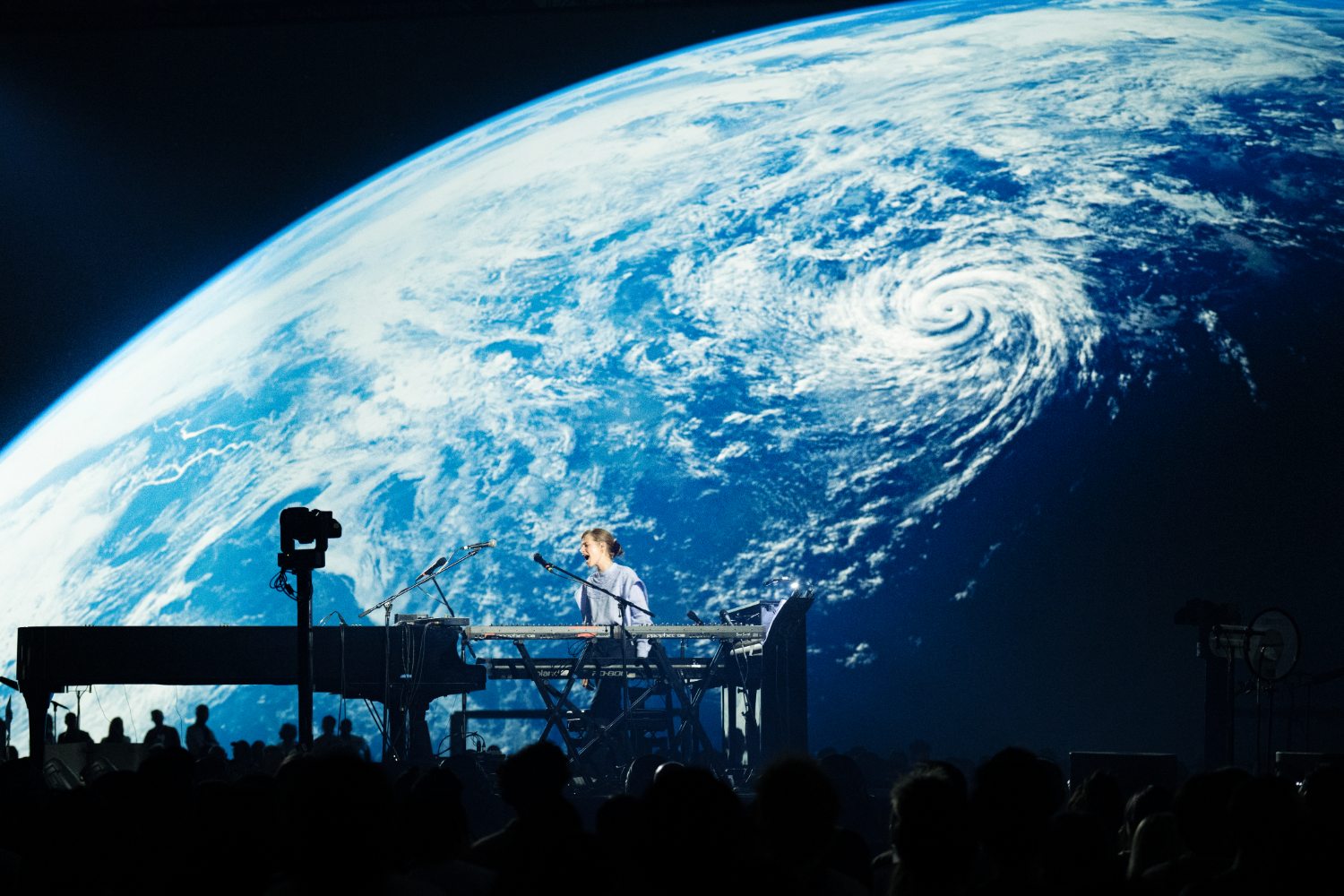
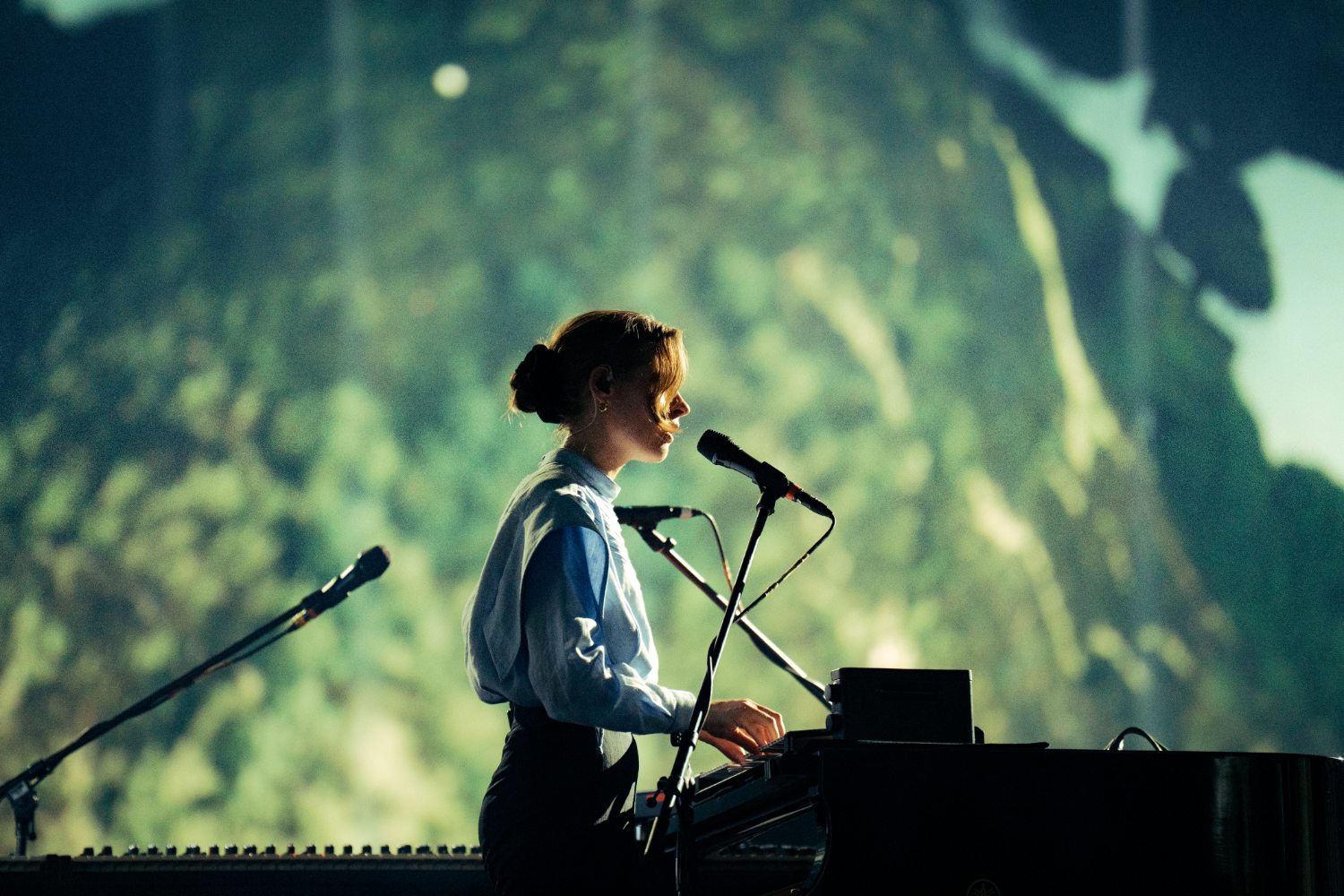
Hania Rani performs at Cercle Odyssey in Mexico City, April 2025 (Courtesy of Cercle)
So the idea to call it Odyssey — that was something you guys developed in the process or something you had from the beginning?
Neels: What I love in art is sometimes you find what you were looking for after the work. And I think Derek had this intuition of calling it the Odyssey. And then after he found why. Because it’s inside you. You have to work to find why you wanted to call it the Odyssey. So I think it’s after you see the first show, you really understand why.
Sometimes the creative process is very weird. Not every time you know what you are doing — you just have intuition you follow. And once it works, you’re like, “Yeah, this is exactly what I wanted to do.”
And you mentioned that the show is no phones allowed. How do you think the LA audience will receive that? In LA, we like our phones. *Laughs*
Derek: We’re obsessed. It’ll be a detox. Two hour detox. No, I’m kidding. But yeah, of course, we’re very connected to our phones. Ourselves as well. We’re kind of addicted in some way.
So we really wanted to propose this to the audience. So people arrive, they put their phone in a pouch, they keep their phone with them, but they cannot use them unless they have something urgent. And we have some areas outside of the immersive room to unlock them.
But the feedback was unanimous. People really liked it to immerse in this experience — talk to each other, dance, forget about anything. I’m so happy to have taken this risk. Because in terms of marketing, it can be very difficult because you don’t have any user-generated content. But I think it was the way to go. And I hope this will inspire even more promoters and people to do the same. You become more conscious about what is happening,
And we give you the content after. We are filming it professionally and we are sending all the content just one, two hours after the show. So you still have content and all your memories that are more powerful in some way, I feel.
Neels: And also, it’s a music show, but it’s a cinematic experience — and you don’t take your phone to the cinema. So it makes total sense to me that you focus on the storytelling.
We are not against phones. We just want people to allow themselves to immerse into this experience fully. If you are looking at something else, you lose attention, you know?
Looking ahead, will there be more touring? I heard there’s potential for a 2026 run.
Derek: Yes. We’re already working on 2026. Of course, we want to go everywhere in the world — Asia, Africa, Oceania, South America, Europe. I don’t have the exact schedule yet, but yes, the goal is to go and travel with the structure. We invented it in a way that is very nomadic. We are only traveling with the canvas, and we are renting all the sound, lights, et cetera, on site.
We are also thinking about new ways of presenting it. It’s just the beginning of the adventure this year.
Cercle Odyssey runs May 7-11 at the Los Angeles Convention Center. More information and tickets can be found at odyssey.cercle.io.
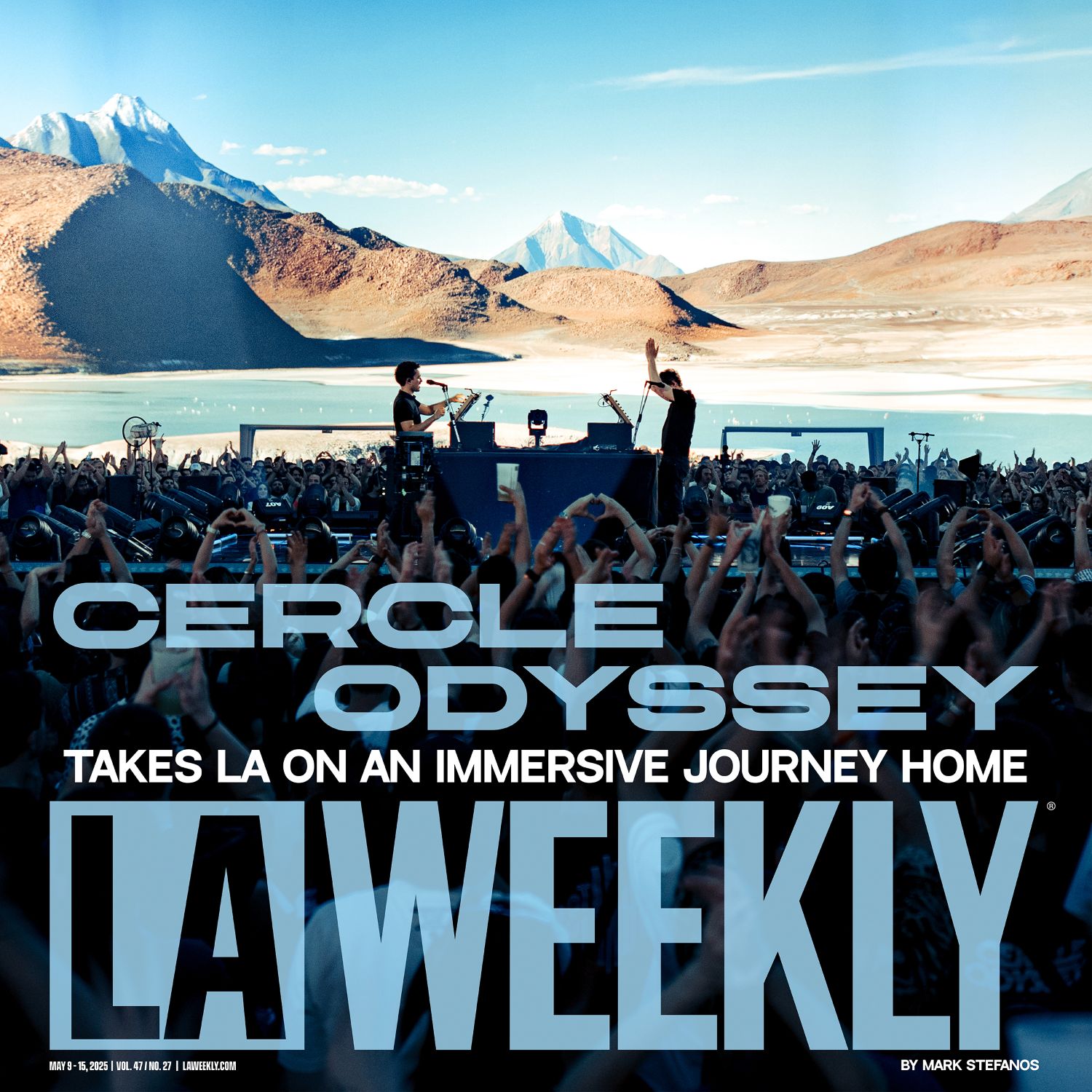
The May 9, 2025 cover of LA Weekly featuring The Blaze performing at Cercle Odyssey in Mexico City, April 2025. (Photo courtesy of Cercle; Cover design by Jewel Baek)