
 Miguel La Torre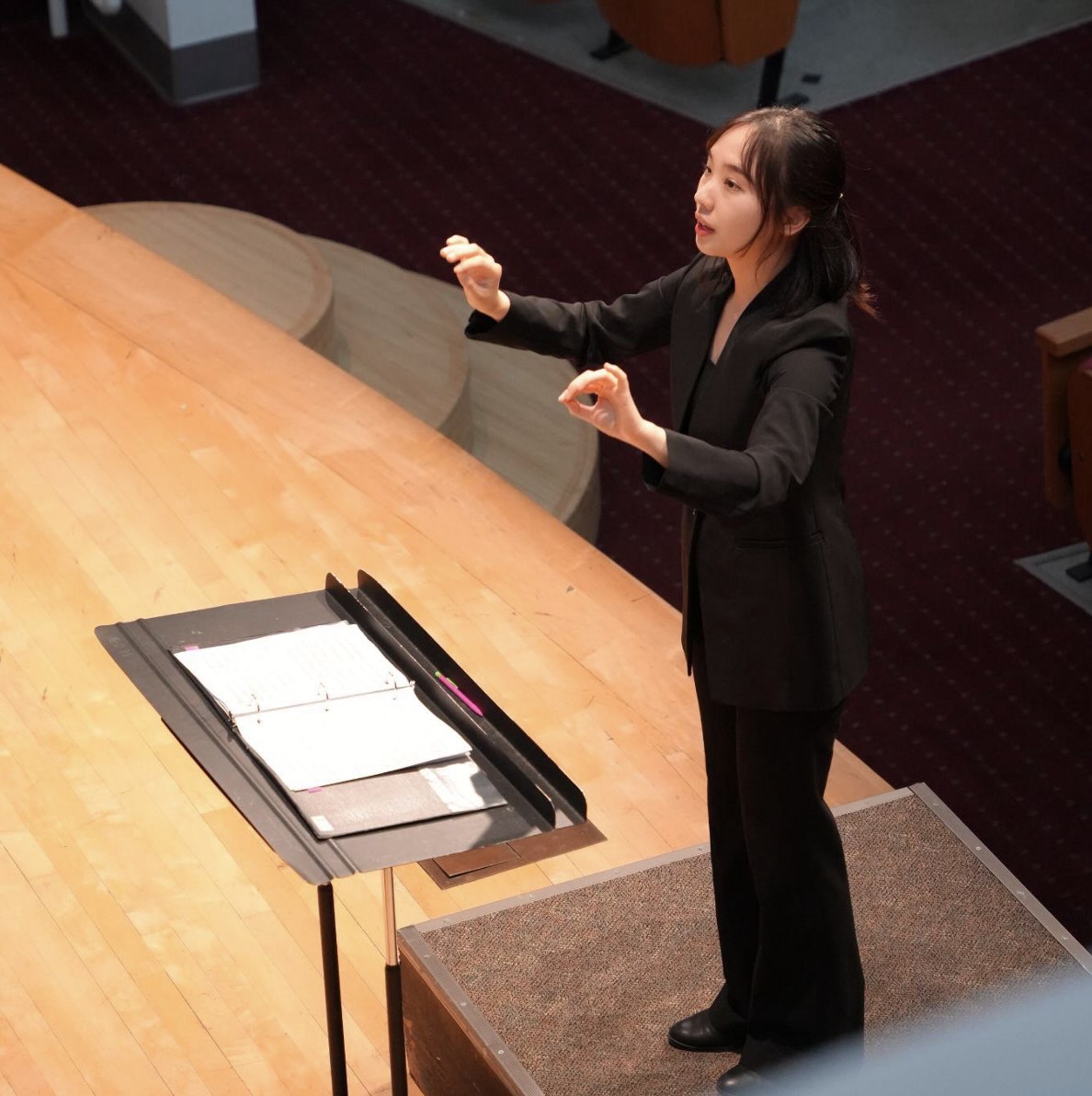
Photo courtesy of Seonjeong Park
“Across the choral world right now, institutions are asking how we sustain excellence while widening participation,” said Seonjeong Park. “For me, the answer has been to stop treating sacred and community music as separate worlds.”
The observation reflects a broader moment in choral music, shaped by shifting audiences, pressures on volunteer participation, and renewed interest in live communal performance following the disruptions of the pandemic years. In 2024, the Chorus Impact Study reported that more than 54 million Americans sing in choirs, a figure that has begun to rebound after years of decline, with community and church-based ensembles accounting for the largest share of participation. At the same time, national arts organizations have warned that many programs struggle to maintain artistic standards amid limited resources and aging membership.
Park’s work sits squarely within this tension. A choral conductor and organist based in San Diego, she holds leadership roles that span cathedral, academic, and community settings. At St. Paul’s Episcopal Cathedral, she serves as Interim Choir Director, overseeing a comprehensive music program that includes professional, volunteer, and youth ensembles. In parallel, she is Music Director of the Stellarum Chamber Choir, an audition-selected volunteer ensemble devoted to sacred and secular a cappella repertoire. Together, these roles illustrate a career built not on specialization within a single niche but on continuity across musical contexts.
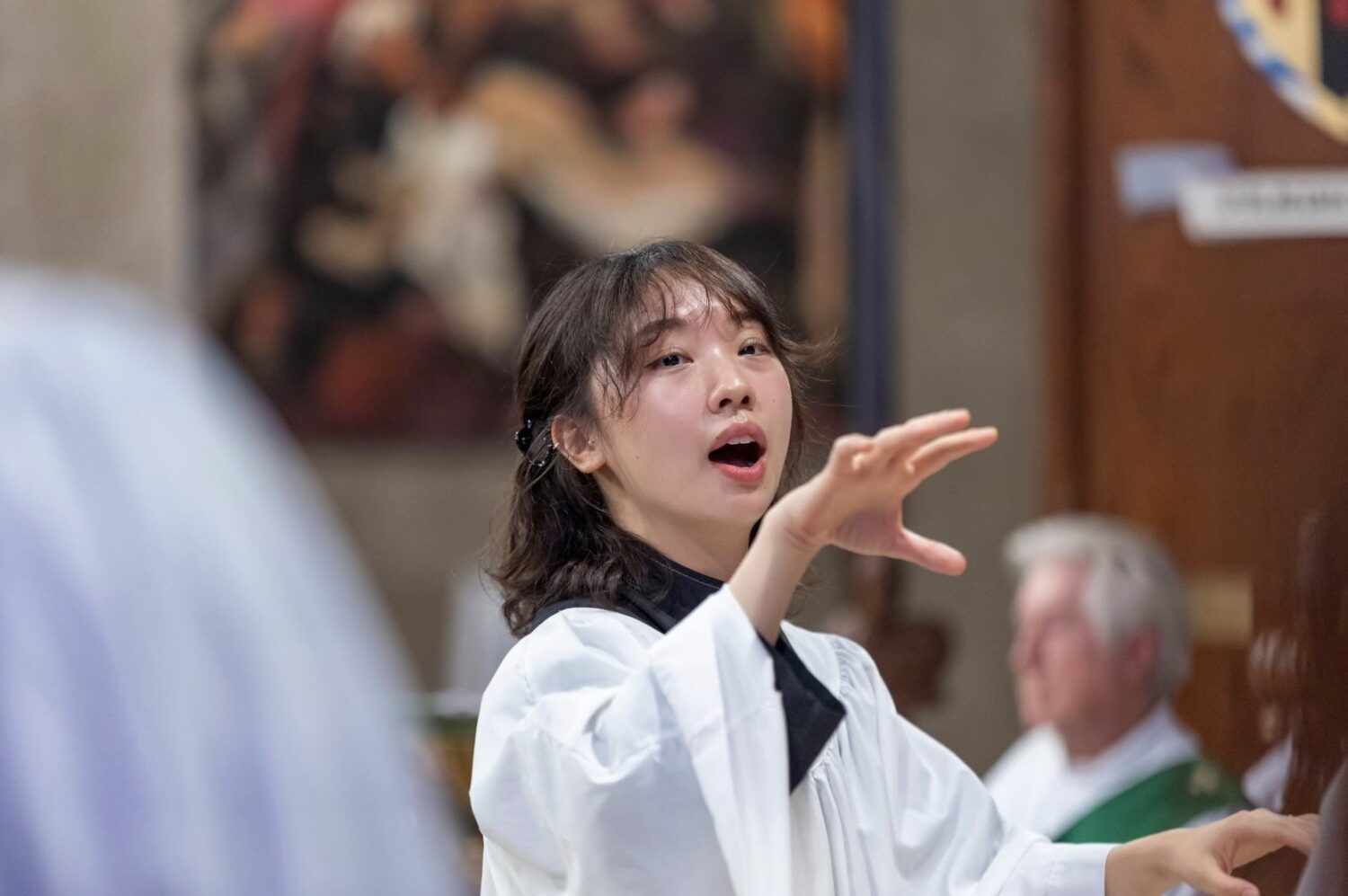
Photo courtesy of Seonjeong Park
A Cathedral as a Musical Institution
At St. Paul’s Episcopal Cathedral, Park directs a multi-ensemble program that reflects the cathedral’s dual identity as both a liturgical institution and a public-facing cultural space. The program includes the Cathedral Choir, a volunteer ensemble that anchors weekly worship; the Choristers, a youth choir responsible for developing early musicianship; and the Cathedral Schola, a professional group of paid singers engaged for major services and concerts.
“The cathedral choir is not just a worship ensemble,” Park said. “It is an institution with artistic responsibilities to the wider community.” Her work includes long-term liturgical planning across the church year, coordination with clergy, and supervision of music staff, alongside her collaboration with the cathedral’s organ and music staff for major services.
This integrated model mirrors a growing trend in American cathedral music. According to the Association of Anglican Musicians, cathedrals increasingly serve as hubs for both sacred music preservation and professional performance, with many expanding paid choral programs since 2023 to stabilize quality. Forecasts from the National Endowment for the Arts suggest that by 2030, institutional music programs that combine professional and volunteer participation will be among the most resilient models for sustaining classical vocal traditions.
Park’s leadership aligns with this shift, emphasizing consistency of musical standards across ensembles rather than compartmentalization by skill level.
Community Choirs and Contemporary Repertoire
Outside the cathedral, Park’s work with the Stellarum Chamber Choir allows her to explore a different facet of the choral tradition. Stellarum is an audition-selected volunteer ensemble that focuses on contemporary and secular a cappella repertoire, alongside works rooted in sacred traditions. Unlike cathedral choirs, which are shaped by liturgical calendars, Stellarum’s programming is concert-driven and stylistically expansive.
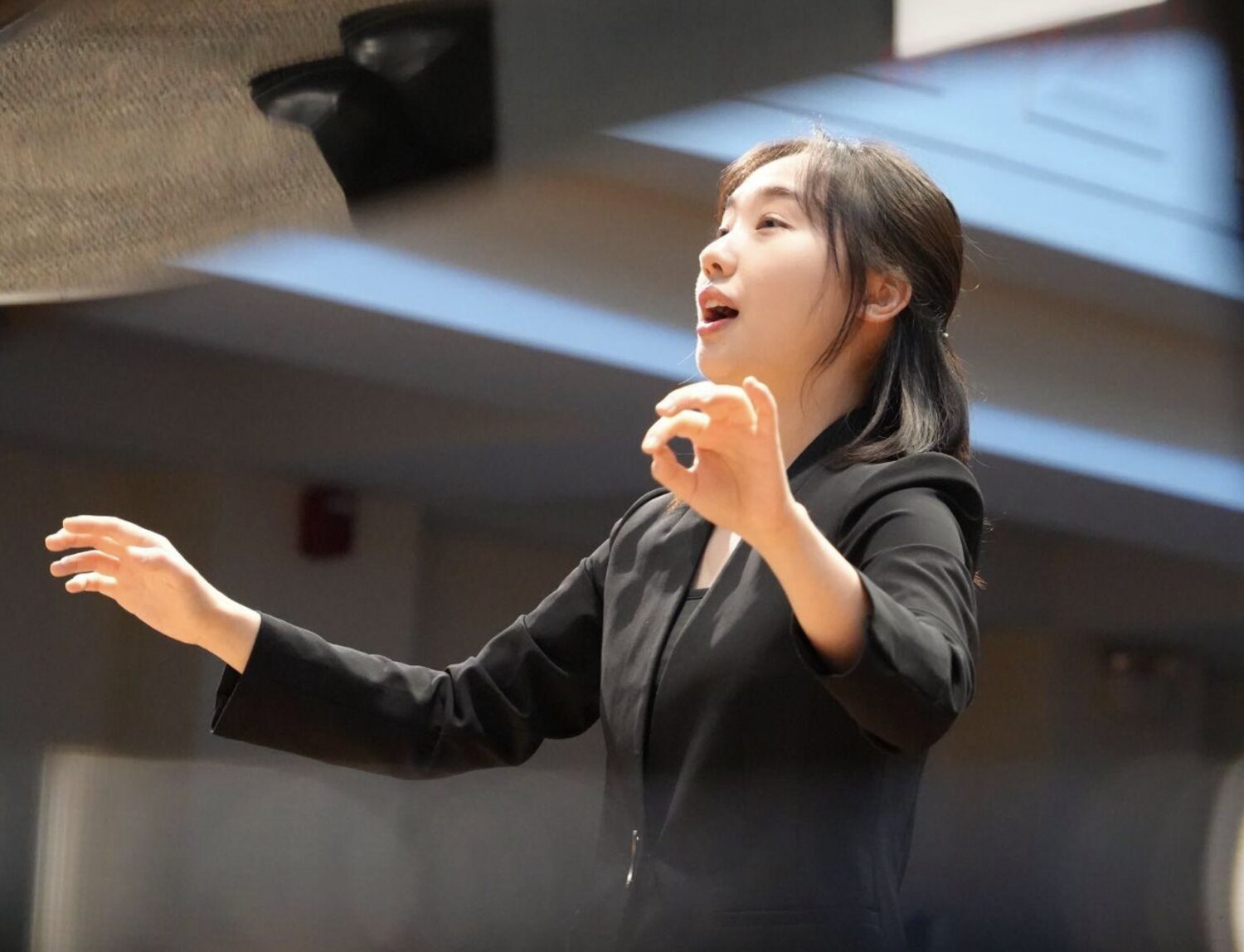
Photo courtesy of Seonjeong Park
“Community ensembles are often underestimated,” Park said. “But with the right rehearsal structure and expectations, volunteer singers are capable of remarkable musical discipline.”
Her approach applies professional rehearsal techniques such as detailed score study, stylistic specificity, and disciplined ensemble balance to non-professional singers. This methodology reflects a broader movement in choral education that seeks to bridge the gap between elite ensembles and community participation. Research published in 2025 by Chorus America found that choirs adopting professional rehearsal frameworks saw higher singer retention and improved performance outcomes, particularly among adult volunteer ensembles.
Park’s work demonstrates how such methods can be applied consistently across sacred and secular contexts, without diluting artistic rigor.
A Career Across Borders and Institutions
Park’s professional background spans Korea and the United States, reinforcing the international scope of her career. She earned her undergraduate degree in Church Music from Yonsei University in Seoul and a Master’s degree in Choral Conducting from Indiana University’s Jacobs School of Music, one of the most prominent conducting programs in the United States.
At Indiana University, she served as Associate Instructor in Choral Conducting and performed as Assistant Conductor with the Grammy-nominated IU Singing Hoosiers at the 2025 ACDA National Conference, one of the field’s most visible professional gatherings. She also prepared and led the chorus as an assistant Chorus Master for Puccini’s Suor Angelicawith the IU Opera Theater and conducted premieres of works by living composers.
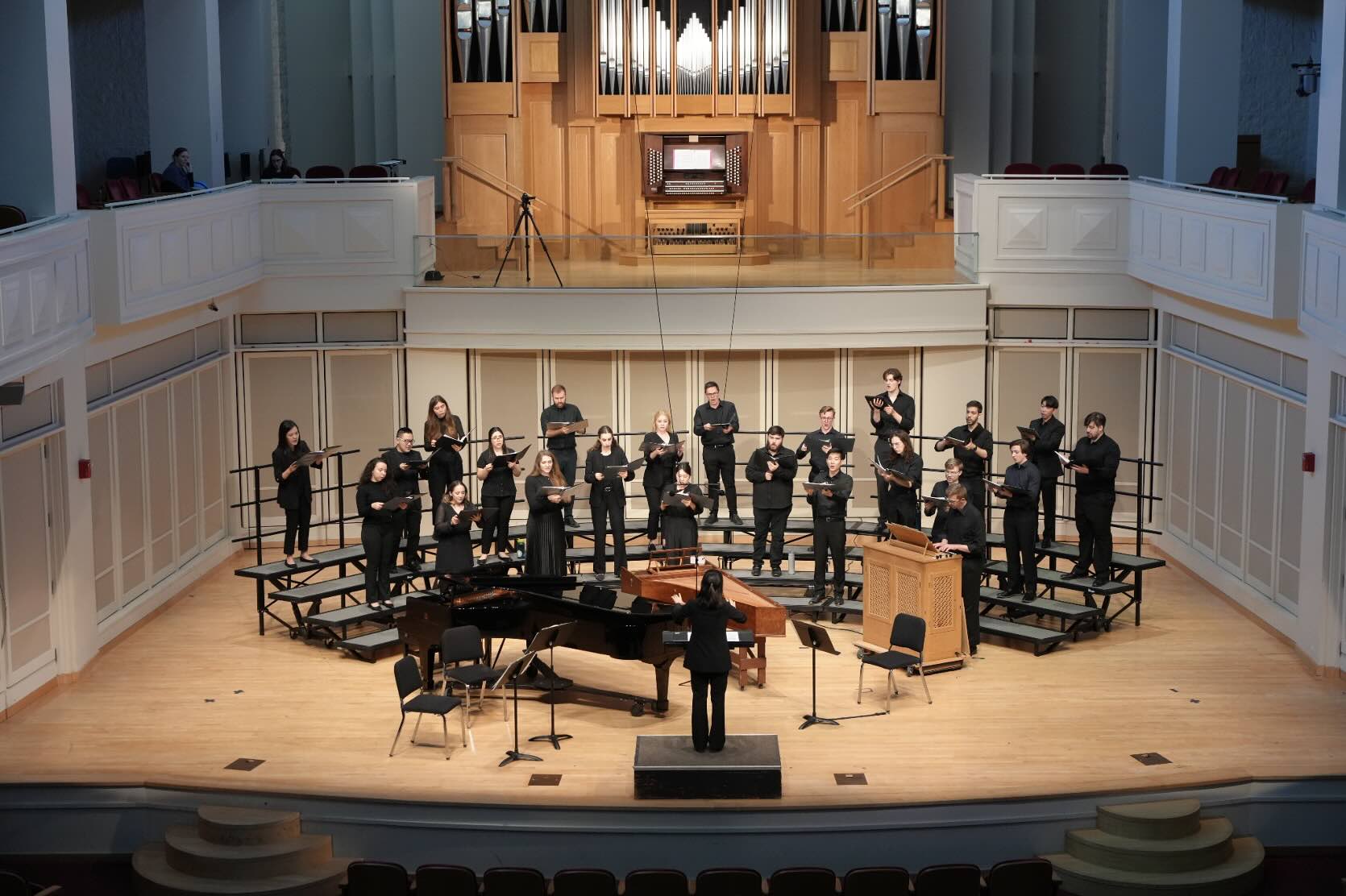
Photo courtesy of Seonjeong Park
Earlier, she co-founded Makers Choir in Korea, a professional ensemble that focused on contemporary choral performance. Her international experience includes participating in a fundraising performance of Mozart’s Requiem, which received formal recognition from the Ukrainian Embassy.
“These experiences shaped how I think about leadership,” Park said. “Choral music is always collaborative, but the structures around it vary enormously across cultures.”
Balancing Tradition and Access
Not all observers are convinced that professional standards can be fully translated into volunteer settings. Some critics argue that increased demands risk discouraging participation. “There is a danger of overprofessionalizing community music,” said one choral administrator who has worked with regional ensembles. “Volunteer choirs exist to foster inclusion, not to replicate conservatory environments.”
Park acknowledges the concern but rejects the premise. “Access and excellence are not opposites,” she said. “The question is whether leaders are willing to adapt methods without lowering expectations.”
Her work suggests a middle path, one in which professional discipline is adjusted to the realities of volunteer time and experience, rather than imposed wholesale. This balance has become increasingly important as the choral field looks toward the next decade. Projections from Chorus America indicate that by 2030, the majority of choral participation in the United States will remain community-based, even as audiences demand higher artistic quality in live performance.
The Future of Choral Leadership
As choral institutions navigate demographic change and evolving cultural expectations, Park’s career illustrates a model of leadership grounded in continuity rather than disruption. She has not introduced a new technology or methodology, but instead has applied established professional standards across settings that are often treated separately.
“Singing together is one of the oldest forms of community,” Park said. “What matters is whether we treat it with seriousness and care.”
In that sense, her work reflects a broader rethinking of choral leadership, one that views sacred institutions, community ensembles, and contemporary performance not as isolated domains, but as parts of a shared musical ecosystem.