
 Jon Stojan
Alisa Gracheva
Affecting around 70% of people globally, trauma can be considered a universal human experience. Stemming from events like war, accidents, natural disasters, violence, or even lack of emotional stability in childhood, trauma is felt differently by everyone. Therefore, it’s fair to say, its treatment should also be personalized. Alisa Gracheva, Licensed Mental Health Counselor (LMHC) and trauma specialist based in Florida, shares these sentiments, leveraging a fusion of science and spirituality to address the unique needs of every trauma survivor.
“Trauma is an extremely difficult thing to face. It takes a lot of courage and self-reflection to recognize a traumatic past, especially since it’s not always about extreme situations,” she stresses. “Trauma can be as simple as not having your emotional needs met as a child, growing up without validation, or experiencing toxic or manipulative relationships.”
Identifying struggles as symptoms of trauma is the first step of healing. Ranging from angry outbursts and irritability to grief, hypervigilance, and feeling restless, it’s never a linear journey. As Gracheva emphasizes, self-awareness is how healing starts, followed by willingness. This stage is all about asking: “Do I want to continue functioning this way, or do I want to do something about it?” Once someone is willing, they need to find readiness to change, every day choosing discipline, dedication, and bravery over stagnation.
While the initial steps are internal, carving the very beginning of one’s path to healing and working side-by-side with a compassionate and knowledgeable professional can be transformative. On a mission to lead her patients to peace and fulfillment, Gracheva specializes in addiction, anxiety, depression, family conflict, mood disorders, and trauma, among others.
Truly passionate about digging deep into trauma, she dedicated her career to learning the latest methods of dealing with the pain, with a focus on exploring the profound impact of alternative modalities on the human psyche. Her services include Acceptance and Commitment (ACT), Art Therapy, Cognitive Behavioral Therapy (CBT), Dialectical Behavioral Therapy (DBT), and Eye Movement Desensitization and Reprocessing (EMDR).
With the integration of EMDR into her work, Gracheva aims to alleviate trauma-induced distress. Through bilateral movements and stimulating both sides of the brain, she helps unlock repressed memories, break down negative neural networks, and allow adaptive neural networks to reconnect. On the other hand, CBT interrupts the pattern of negative thoughts to align words, actions, and energy. Central to this method is the belief that thoughts are the only thing patients can control. By breaking the cycle of negativity, this trauma specialist helps them chart a path forward.
Spirituality is at the heart of Gracheva’s approach, as she believes that making sense of trauma solely from a human standpoint isn’t all-encompassing. She taps into the power of sound healing, the Pandora Star (light therapy), and energy healing such as Reiki to positively affect vibrations within human bodies. “Spirituality doesn’t have to be religious,” she adds. “At its core, it’s how we view life and how we control the energy within.”
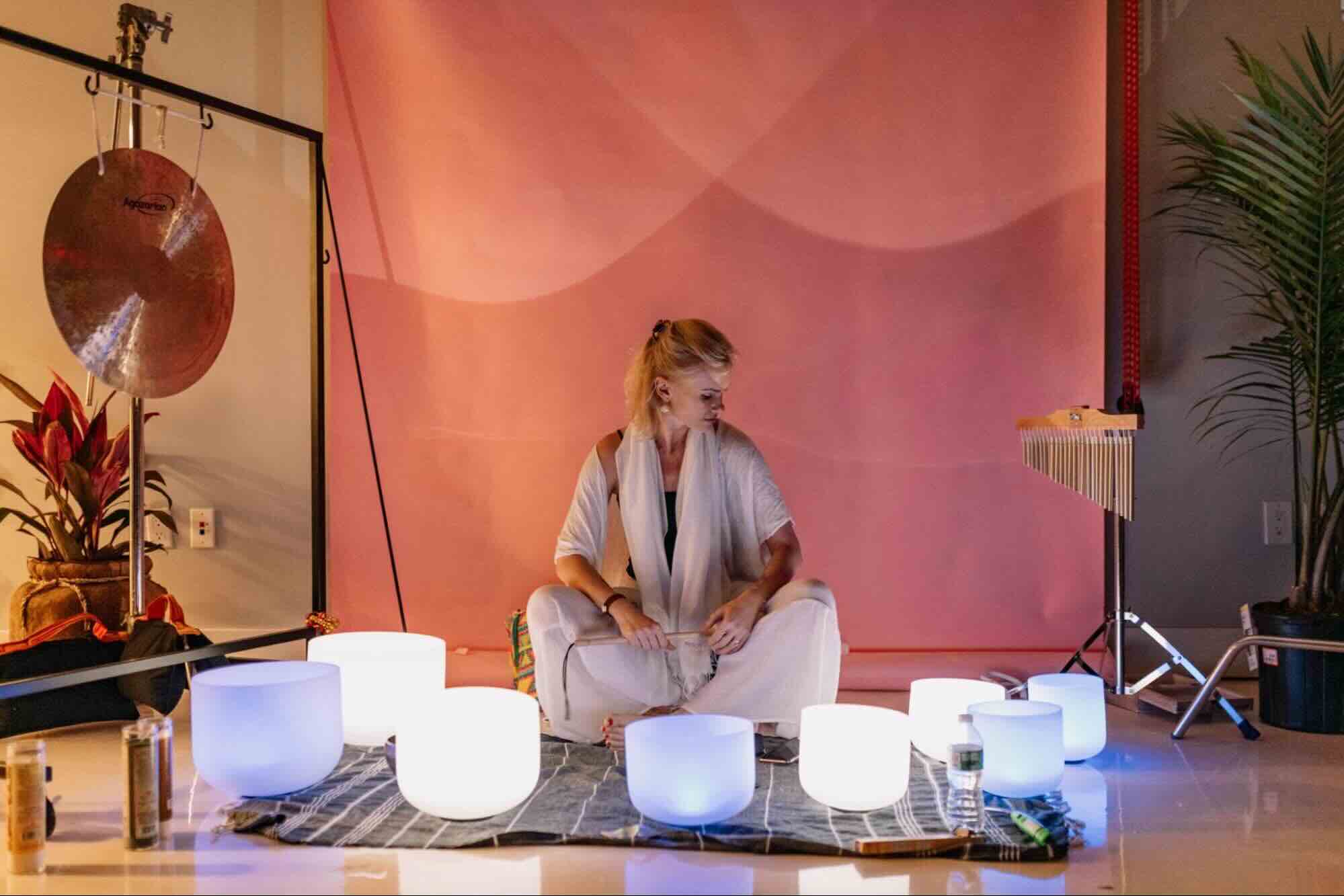
Alisa Gracheva
Gracheva is also trained in Ketamine-Assisted Psychotherapy (KAP), educating patients on the use of ketamine and other sacred medicines to relieve mental health symptoms. In recent years, KAP has emerged as a promising healing alternative, with research showing sustained reductions in anxiety, depression, substance abuse, and PTSD. Further research is continuously conducted, with counselors like Gracheva leading informed Ketamine adoption.
Gracheva has spent years studying sacred plant medicines such as ayahuasca and psilocybin mushrooms. She guides and educates people with the process of transcending the human psyche into understanding their own divine essence and assists with integration after the sacred ritual.
Especially in an era where day-to-day hustle and the oversaturation of information are the norm, finding peace of mind is essential to heal. Gracheva urges people to take action and seek self-awareness, as neglect carries a risk of anxiety, destructive behavior, substance abuse, and depression, among many others. Beyond internal struggles, unhealed trauma can lead to dissociative tendencies, feelings of isolation, and a lack of ability to connect with others.
Through her all-encompassing approach, Alisa Gracheva not only alleviates the consequences of trauma; she also digs deep, mends what was broken, and assists patients every step of the way. For her, guidance doesn’t end with inner peace. By providing trauma survivors with mental health and spiritual tools, she helps them reintegrate into society as confident individuals ready to tackle life’s obstacles.
“Healing is a lot of hard work, and it can’t happen without self-awareness, self-reflection, and self-understanding. It’s a complex challenge that calls for a complex solution, and the fusion of science and spirituality is the answer,” Gracheva reflects. “When people reconnect with their Higher Self, they become a better version of themselves, finding the strength to navigate life after trauma with clarity.”