
 Will Jones
Silicon Valley’s growing interest in artificial intelligence is finding new applications in personal health, where advances in biomedical research, wearable sensors, and conversational AI are creating opportunities for technology to play a more active role in everyday well-being.
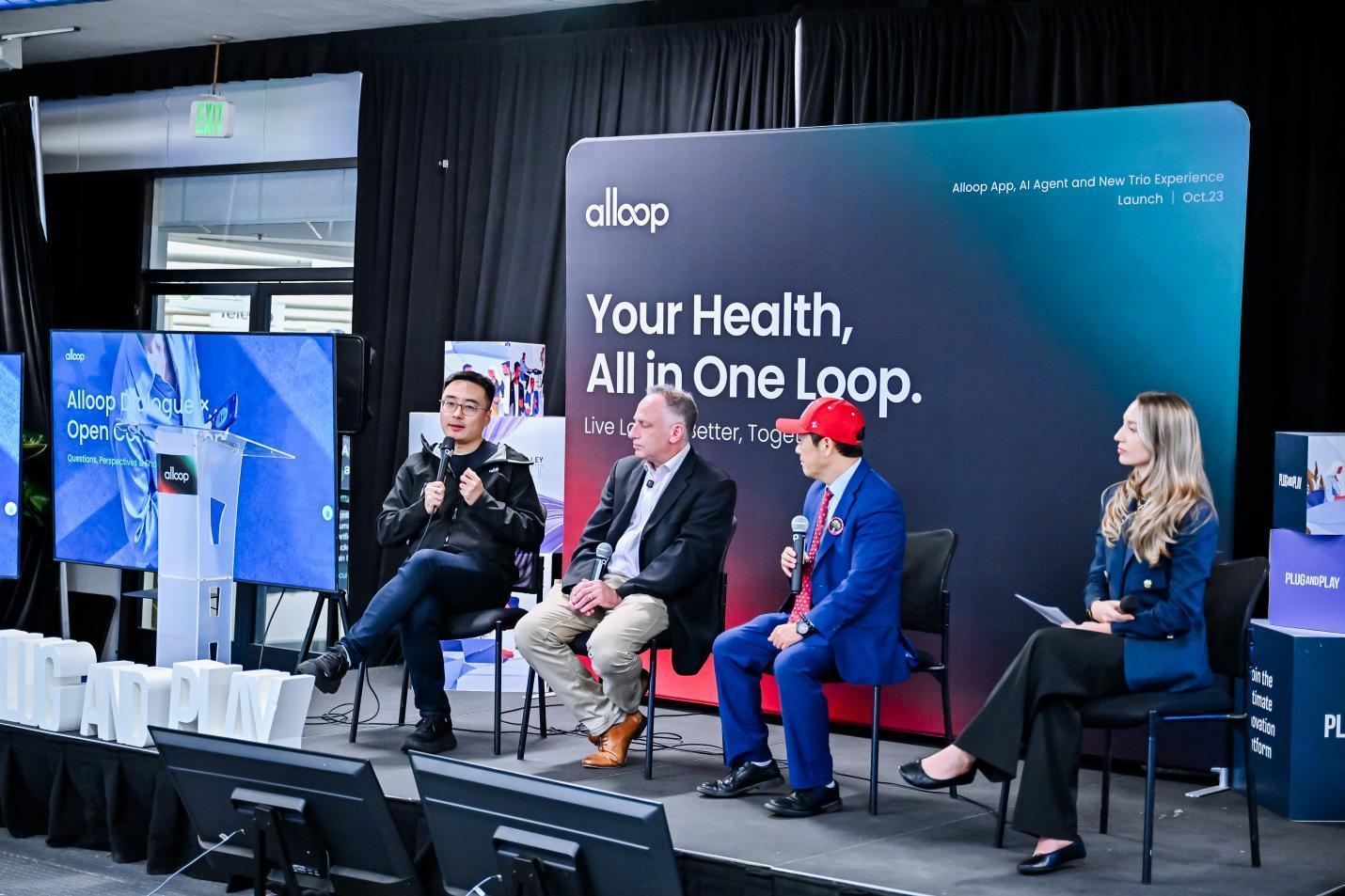
At Plug and Play in Sunnyvale, California, AI-native personal health technology company Alloop brought together Stanford sleep medicine professor Dr. Jamie Zeitzer, AI and information security specialist John Li, and Alloop founder and CEO Dr. Tony Wu for Care in Connection: An Open Conversation on AI, Health & Everyday Life.
The event connected scientific research with emerging consumer applications, examining how continuous physiological monitoring, personal AI agents, and responsible data management could contribute to a new generation of digital health experiences.
Silicon Valley offers a new perspective on personal health
A central part of the gathering was a presentation by Dr. Jamie Zeitzer, Professor of Psychiatry and Behavioral Sciences at Stanford University and Co-Director of its Center for Sleep and Circadian Sciences.
In his presentation, Dr. Zeitzer examined the complexity of sleep health and the limitations of existing monitoring technologies.
Sleep is closely connected to numerous physiological processes, including cardiovascular health, metabolism, immune function, and cognition. Yet accurately measuring sleep remains challenging, especially when individual experiences vary widely.
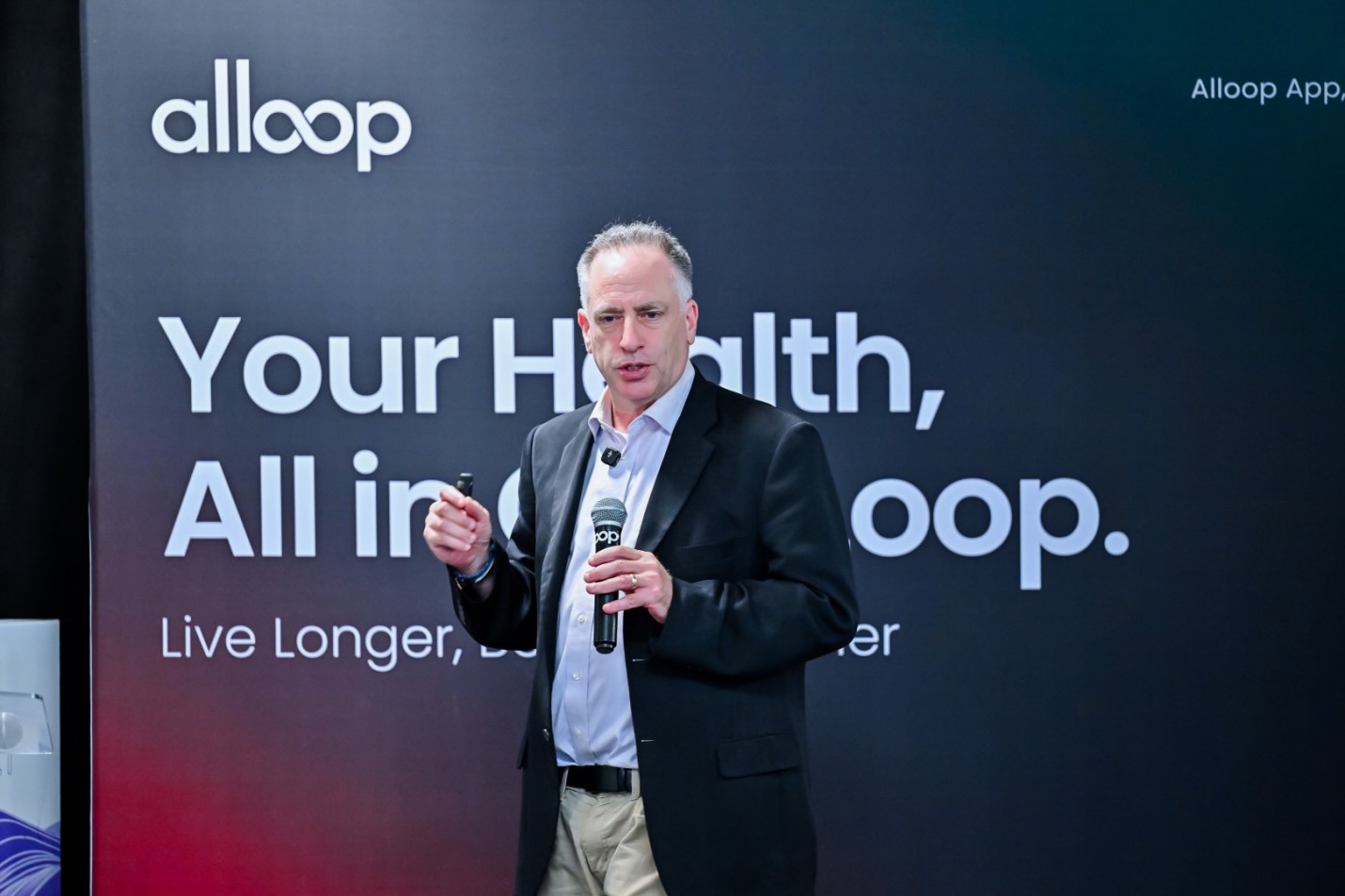
Dr. Zeitzer introduced the RU-SATED framework, which evaluates sleep health through six dimensions: regularity, subjective satisfaction, daytime alertness, timing, efficiency, and duration. He also discussed challenges with commercial sleep trackers, including inaccurate wake detection, limited ability to identify sleep stages, and the difficulty of interpreting measurements without understanding an individual’s circumstances.
His presentation explored a potentially more consequential direction for the field: using sleep to monitor broader physiological health.
As sensors and analytical techniques improve, sleep data could offer a window into patterns affecting multiple body systems. Integrating those measurements with other health information may eventually enable more individualized understanding and interventions.
The event also featured an open conversation involving Dr. Jamie Zeitzer, Alloop founder and CEO Dr. Tony Wu, and John Li, an information security professional affiliated with Stanford University School of Medicine whose expertise includes AI and data security.
The discussion addressed the increasing importance of responsible data practices as health technology becomes more personalized.
Giving personal AI a place in everyday life
The company is developing a Personal AI Health Agent that integrates continuous physiological measurements with information people share about their everyday activities, routines, and experiences.
Its first dedicated wearable system, Alloop Trio, brings that approach into a modular hardware design. Trio features a compact sensing core, called the cube, that can switch between a smart ring and a wristband. An accompanying Halo module provides a direct voice interface to the AI Agent, allowing users to document activities, meals, or personal observations without reaching for a smartphone.
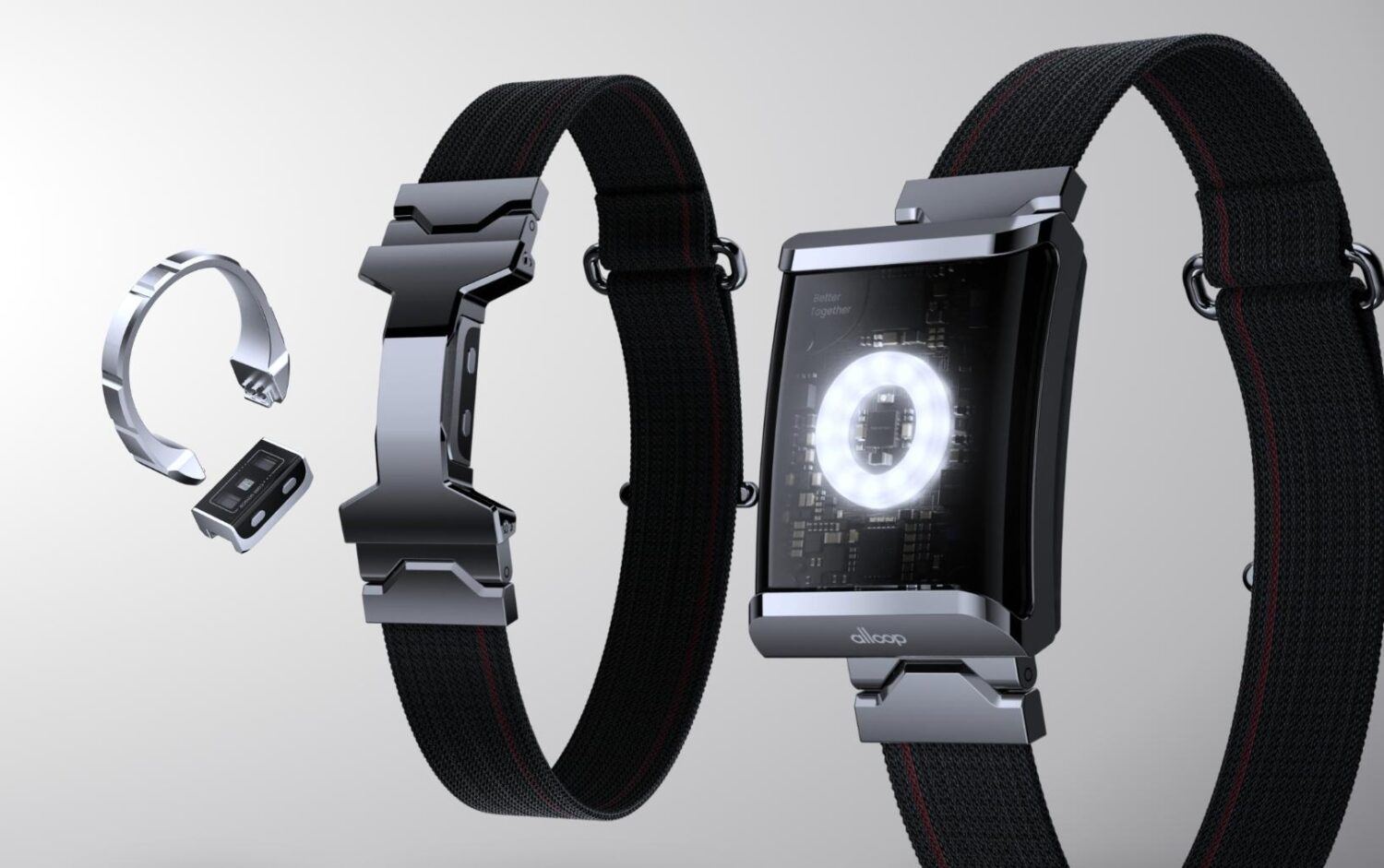
For example, someone returning from a workout could describe their exercises and how they felt, adding information conventional sensors can’t capture on their own.
The system works alongside Alloop’s software platform, which includes a unified health dashboard, an AI-powered journal, and Bio Age, a feature organizing health-related information across six domains: sleep, activity, nutrition, cardiovascular, metabolic, and musculoskeletal health.
The platform also supports compatible health information through Apple Health and Health Connect, and its app can be used independently of Trio hardware. Alloop is pursuing an integrated approach that connects wearable hardware, personal data, and conversational interaction through a persistent health-focused agent.
The company is preparing to introduce Trio through a Kickstarter campaign in November. The campaign will mark an early commercial test of consumer interest in personal AI agents designed specifically around health.
Silicon Valley’s next opportunity in consumer health
The Sunnyvale event reflects an emerging convergence of disciplines in one of the world’s leading technology centers.
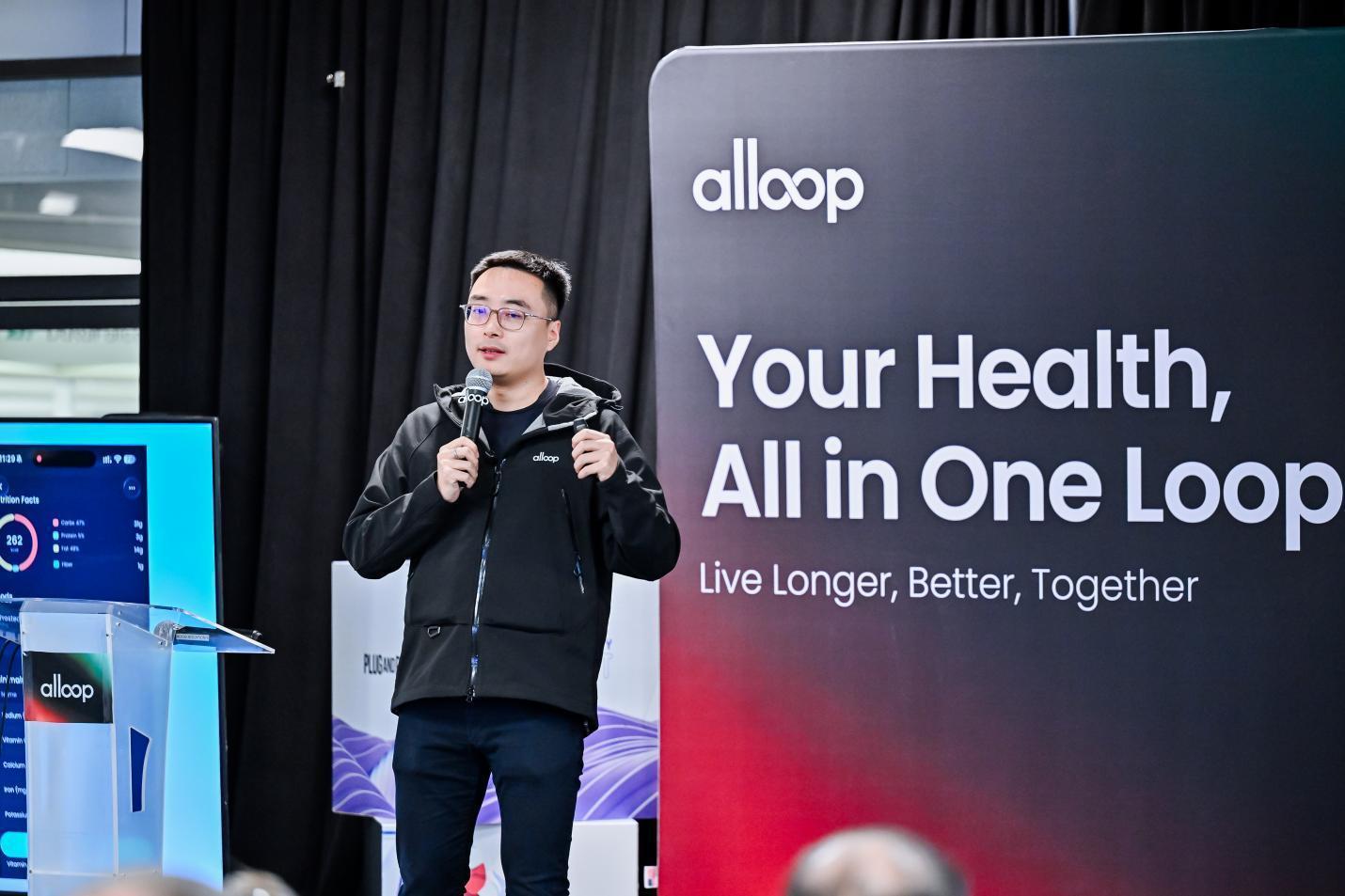
Stanford’s sleep and circadian science work explores how physiological monitoring can contribute to a broader understanding of health. Advances in AI are expanding the possibilities for interpreting information across different sources, while growing attention to security is shaping how personal technology companies approach sensitive data.
Alloop’s wearable health agent offers one early consumer-oriented application of these developments, connecting physiological tracking with a conversational interface and a wider personal health platform.
For Silicon Valley, the opportunity is to explore how intelligent systems can support a more continuous, personalized, and accessible relationship with health.