
 Nia Bowers
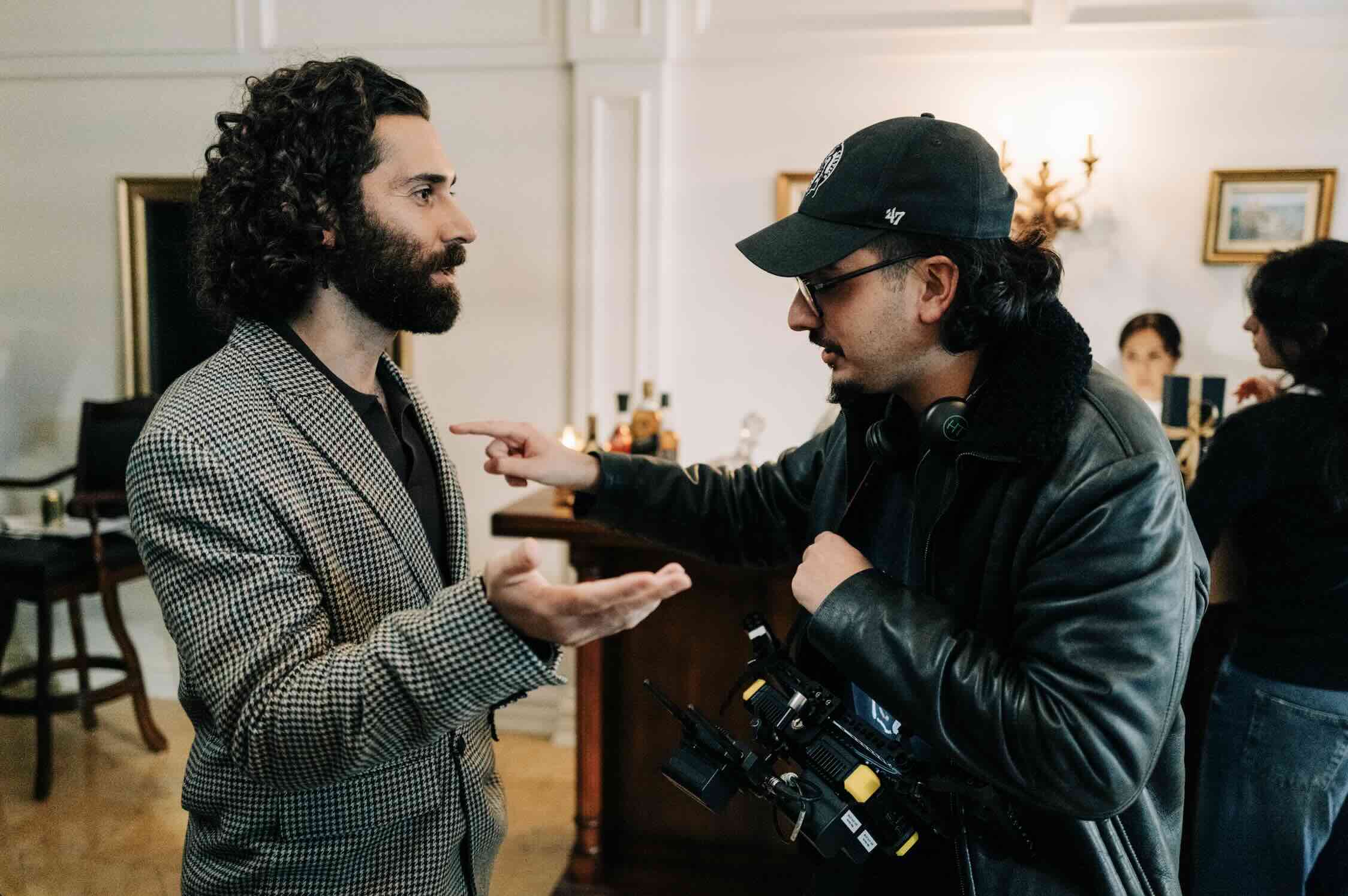
Every film set has a moment where the plan falls apart. For director Christian Ghosn, it came on the day his team shot the final scene of Chat À Table.
The scene was big. A dinner party, nine actors around one table, a full feast laid out in front of them, and a stunt cat that had to do exactly what the story needed. The scene featured detailed production design, intentional lighting and carefully choreographed movement, with every actor and every beat needing to land in the right place at the right time. On paper, it already looked like a full day of work. Then the team lost four hours at their location.
Four hours gone
Anyone who has worked on a film knows how little slack a shooting day has. Crews are booked for set hours, actors have schedules, food has to look fresh, and lights have to be placed and adjusted. Losing four hours is not an isolated problem. It bleeds into everything.
Christian had a choice. He could panic, he could push the crew to rush through every shot on the original plan, or he could rethink the scene itself. He chose the third.
“He had to think like an editor before they even picked up the camera,” is the simplest way to describe it. Instead of asking how to shoot everything he had planned, he asked what is “the emotional core of the scene, what is the story truth in this scene? And how do I translate that?” Which shots carried the story? Which ones were nice to have? Which moments could be combined, trimmed or dropped without hurting the emotional truth of the film?
That kind of thinking takes a clear head. It also takes a good understanding of how a scene will look once it is cut together, because you can only skip a shot safely if you know the finished film will still work without it.
Deciding with less time than you want
Directors make hundreds of choices in a day. On a normal day, some of those choices get a little room to breathe. On this day, they did not.
Christian had to decide quickly where the camera would go, who would be in each frame and how the action would unfold around the table. A dinner scene with nine people is a puzzle. Who speaks, who reacts and who is only seen in the background all change how the audience feels. Each of those answers had to come fast, and each had to be good enough to hold up in the final cut.
Some of his original ideas had to go. That is hard for any filmmaker. You spend weeks picturing a scene a certain way, and then the clock tells you it cannot happen like that. Letting go of a favorite plan without losing your direction is a skill, and it is one of the least talked about parts of directing.
Trusting the people in the room
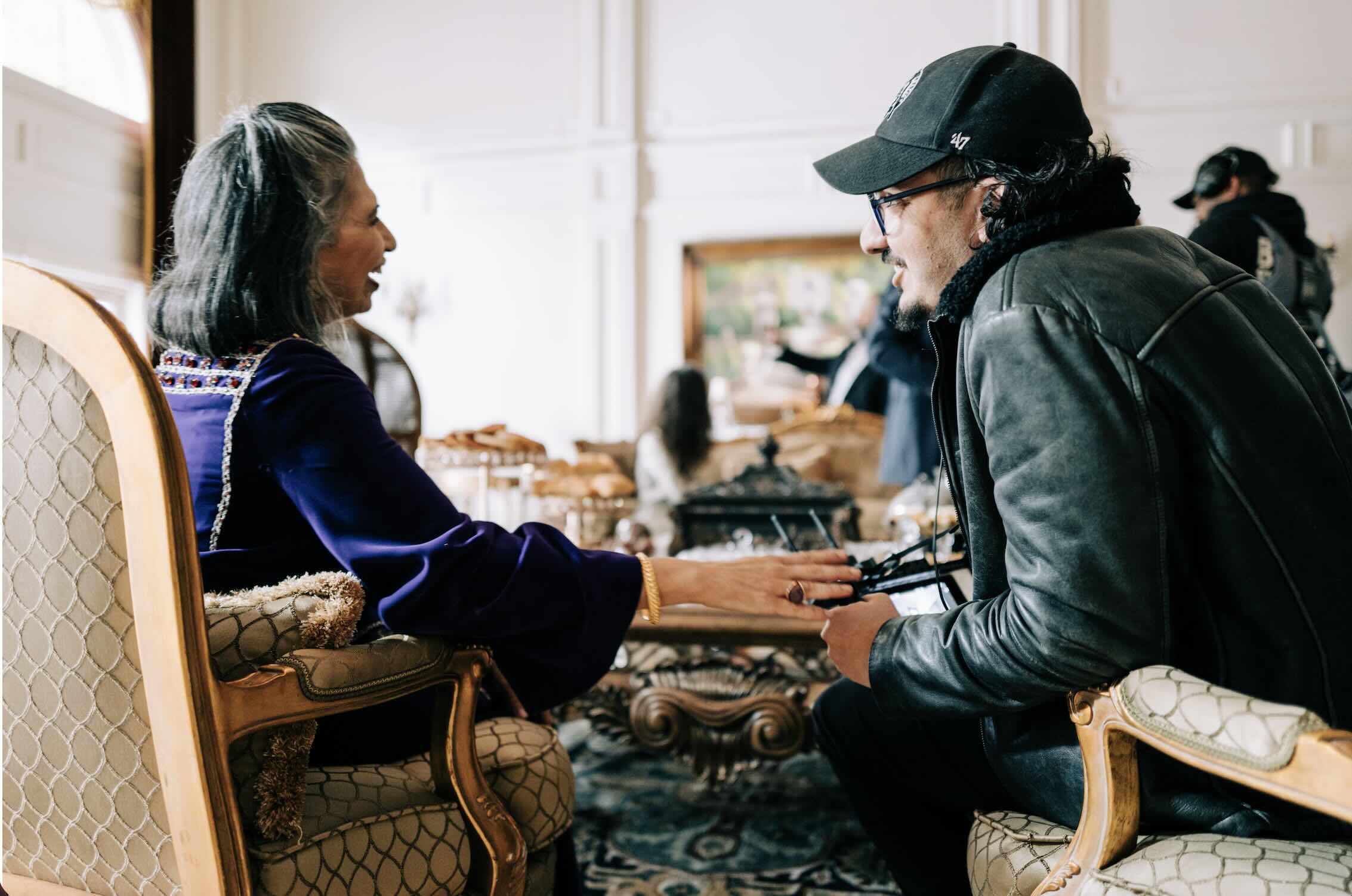
Here is the part Christian himself points to when he talks about that day. The scene worked because of trust and communication.
A director cannot do everything alone, especially with a deadline closing in. Christian relied on his longtime collaborators, cinematographer Nina Gofur and gaffer Claire Halloran, to find strong shots quickly and to light the set in a way that served the story. He relied on his cast, including Laith Nakli, Amir Malaklou, Rose Abdoo, Kevin Corrigan and Patrick Sabongui, to understand their characters well enough to hit their moments without endless takes. With nine actors sharing one table, each performer had to understand not only their own character and moments, but also how their choices affected the rhythm and tension of the entire scene.
Trust like that is built before the shooting day, but it shows up most when things go wrong. When time is short, there is no space for long discussions. Instructions have to be short and clear. People have to know what you mean when you say it once.
Clear communication under pressure sounds easy until you try it. A director who is stressed can easily become vague, or loud, or both. A calm, direct word to a cinematographer or an actor can save ten minutes. Over a long day, those ten minutes add up.
One table, nine actors, one goal
Managing a group of nine actors is its own challenge. Everyone has a different way of working. Some want to talk through a scene in detail. Others prefer to try it and adjust. A good director learns to speak to each person in the way that helps them most, while keeping everyone pointed at the same goal.
On the Chat À Table set, that goal was a final scene that felt tense and intimate, with a few sprinkles of dark comedy. As Christian put it “The film is short, but the lives of the characters leading up to the final scene have been long and real, the history between them complicated and passionate, the lies and disrespect recent and all of that life must be felt, simmering, beneath the tense dinner conversation.” That kind of tension cannot be faked easily, and it does not appear on its own when the crew is racing the clock. It comes from actors who feel safe, heard and trusted.
Then there was the cat. Working with animals on a film set means accepting that you are not fully in control. A stunt cat may be trained, but it still has its own mind. This one in particular happened to be sick and out of sorts on the day of filming. Christian had to leave room for that and build the scene so that a good moment from the cat could be used when it happened.
Why this day matters
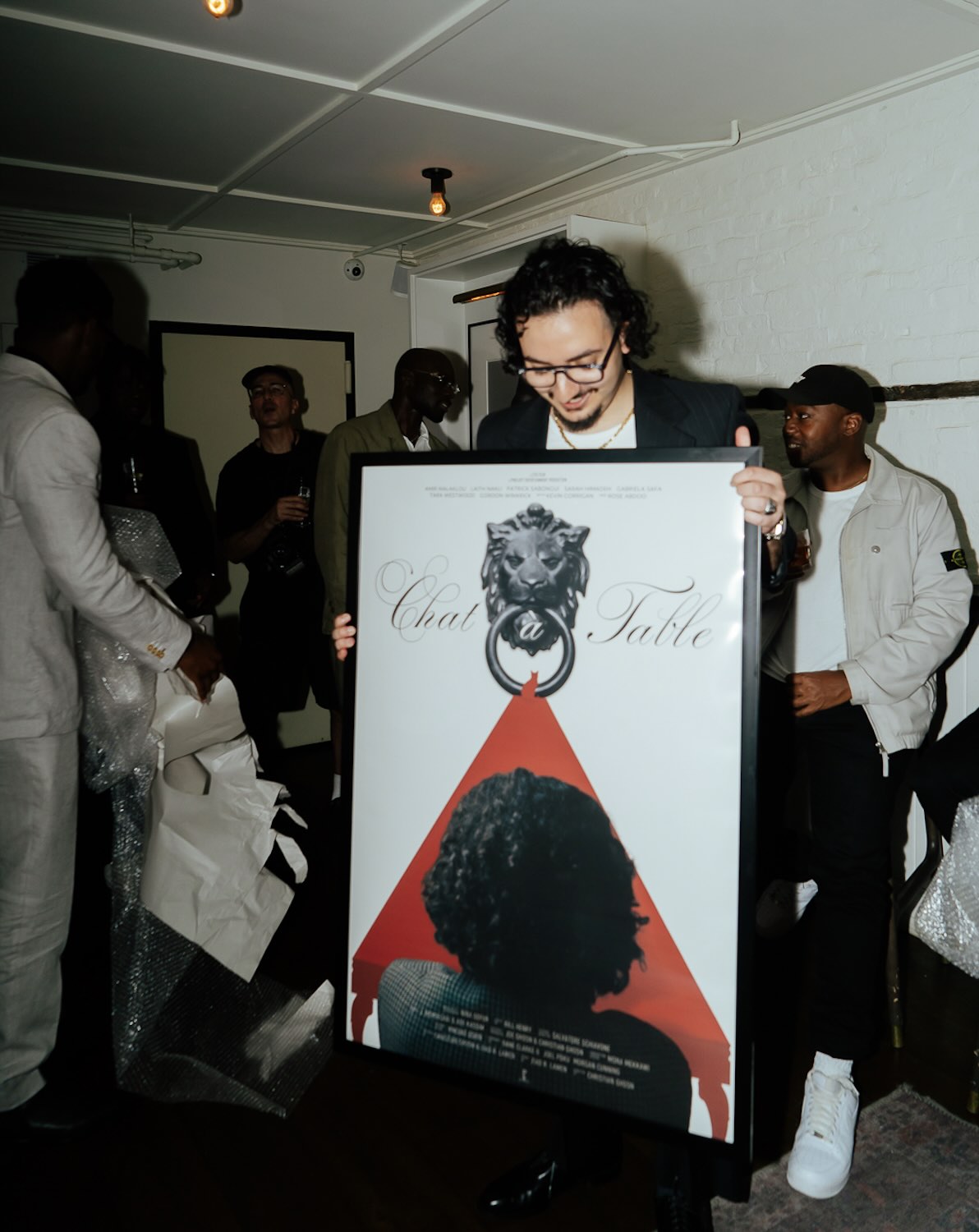
Filmmaking looks like a one-person vision from the outside. People talk about “the director’s film” as if one person made every part of it. A day like this one shows how different the truth is. A film is made by many people working toward one idea, and the director’s real job is to keep that idea clear while everyone else brings their skills to it.
Christian Ghosn’s handling of that difficult shooting day says a lot about the kind of filmmaker he is. He stayed calm when the schedule shrank. He rebuilt his plan around what mattered most. He trusted his team, spoke clearly and kept the focus on telling the story well.
Those habits do not belong only to film. Anyone who has led a team through a tough deadline will recognize them. Make the hard call. Keep it simple. Trust the people around you.
Watch Chat À Table
The result of that long, pressured day is a closing scene that brings the film to a shocking finale. Viewers who watch Chat À Table will see a dinner party that feels painfully real and full of story truth. They will not see the lost four hours, the quick rethinking or the careful work behind each shot. That is how it should be. A good scene makes the work disappear.
For anyone interested in filmmaking, directing or simply a unique story told with honesty, Chat À Table is worth your time. And for those who want to know what kind of director Christian Ghosn is, the answer is already on screen.