
 Sarah Mahmoodi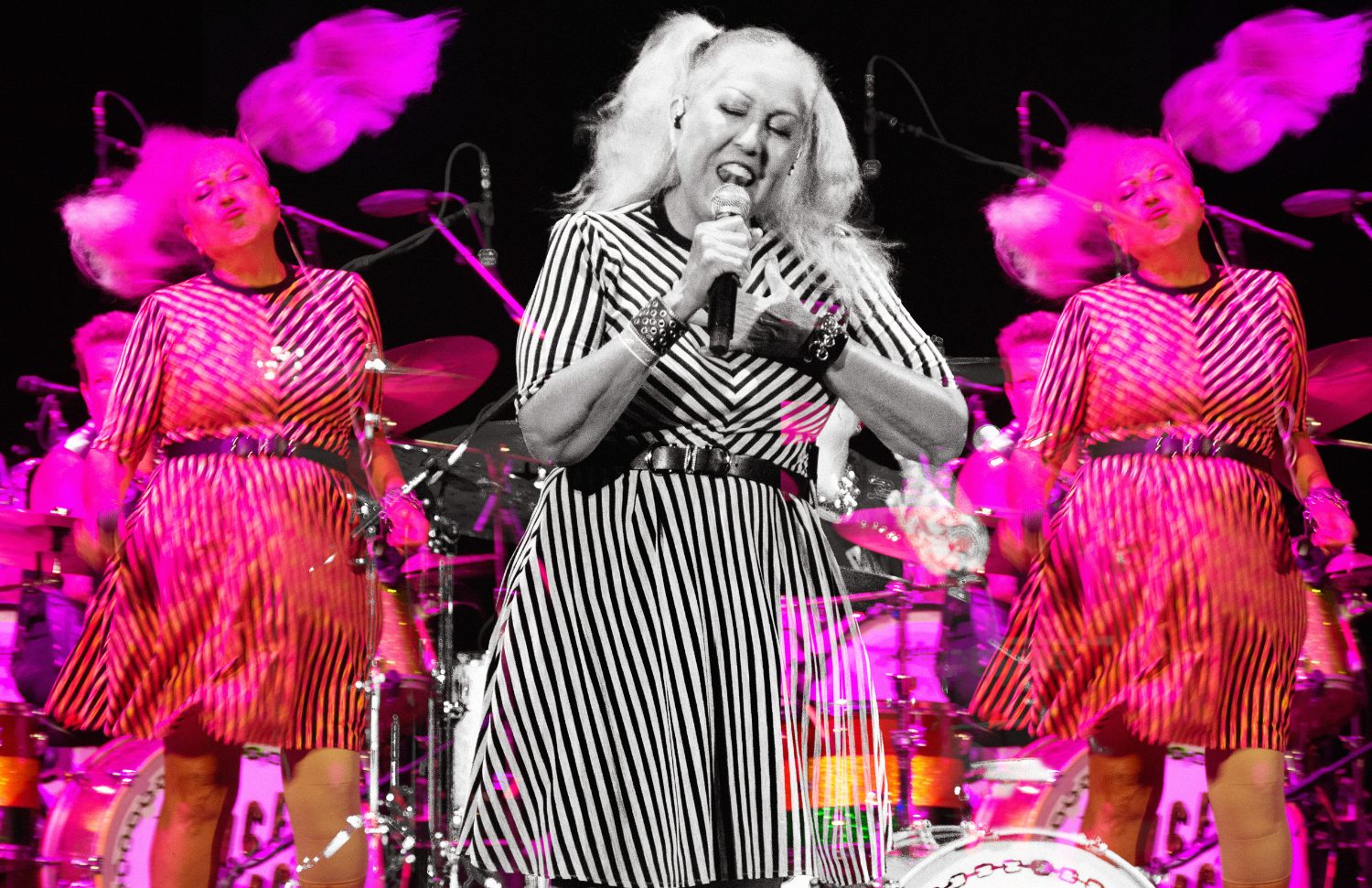

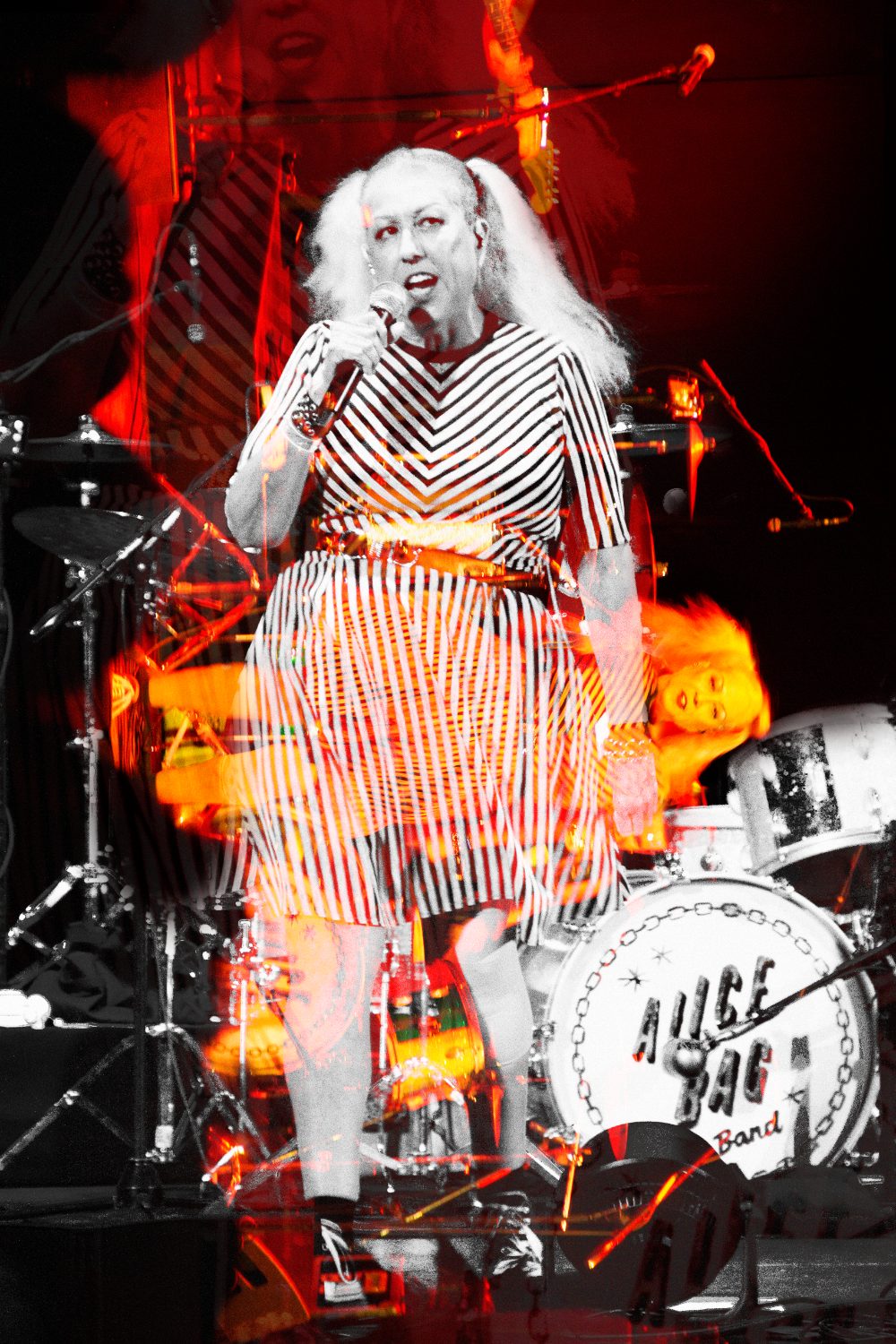
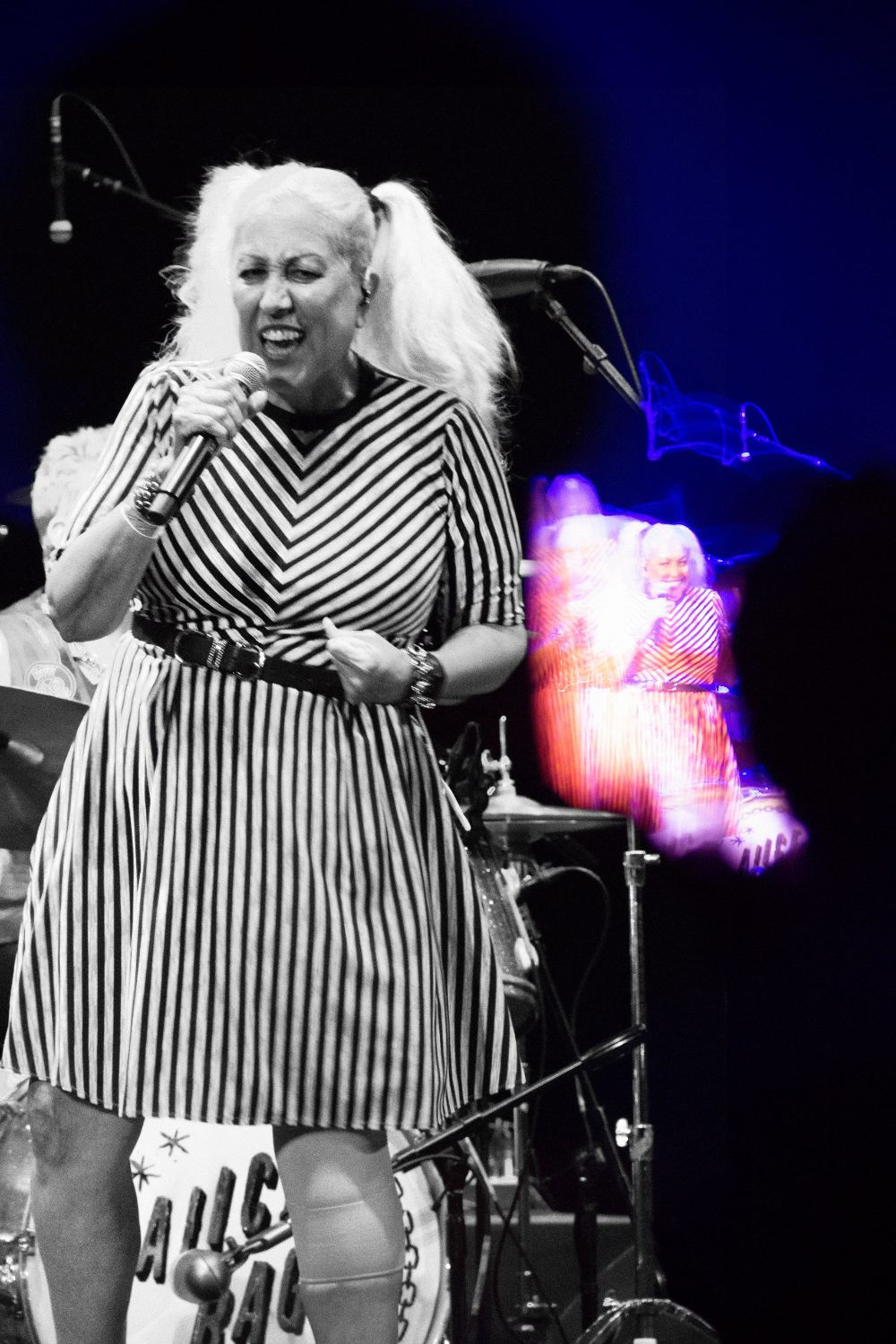
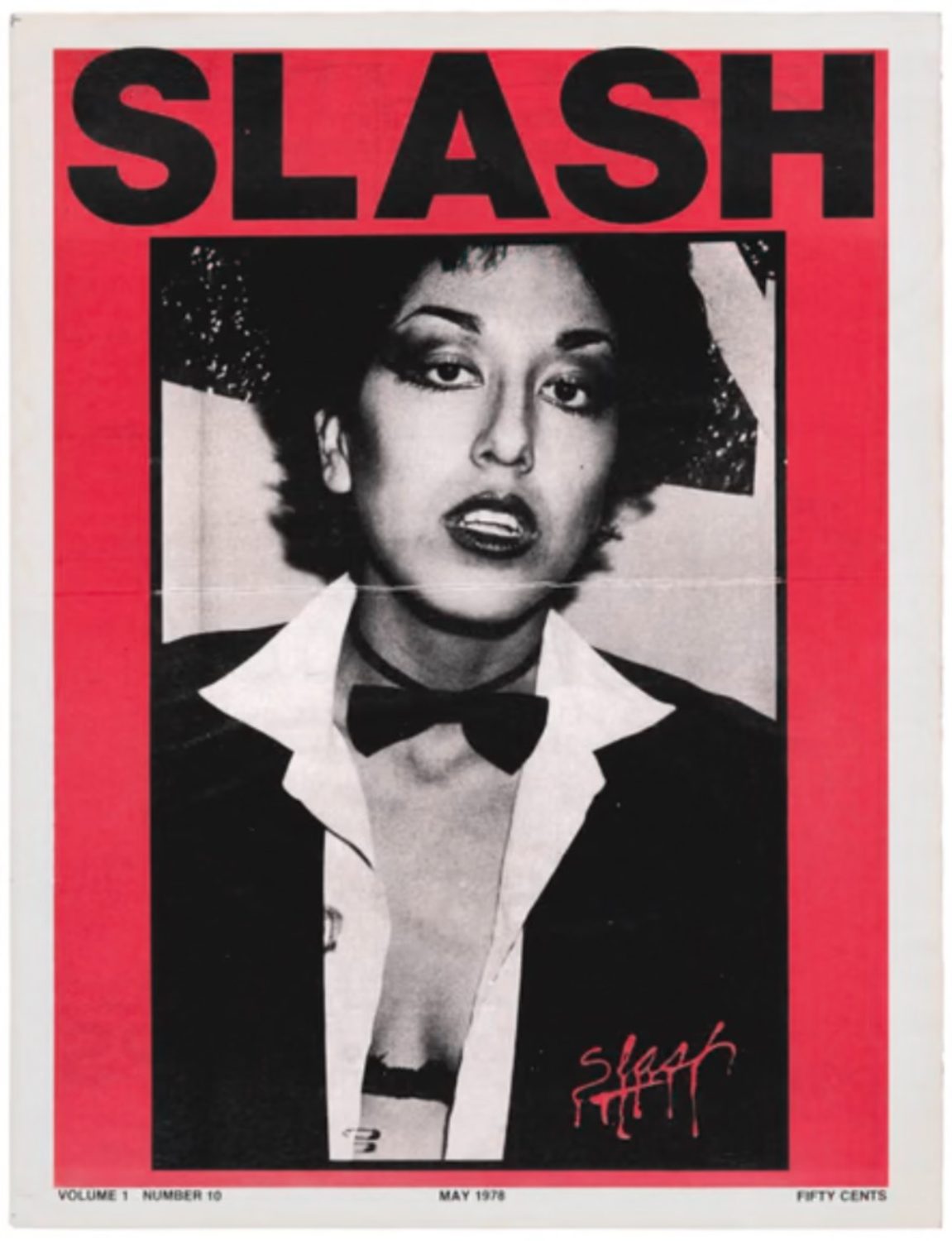

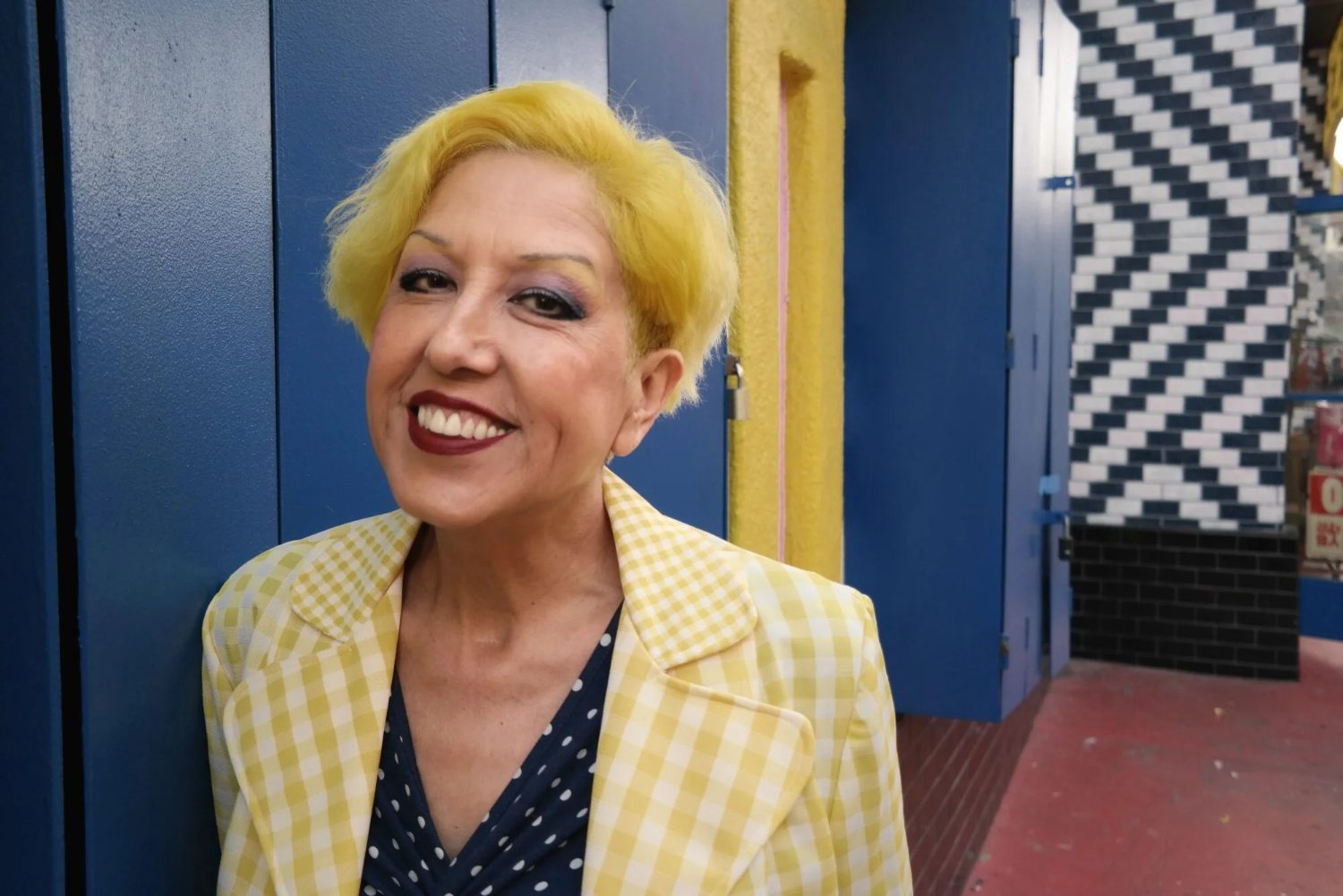
In the 1970s, the punk rock movement sprouted like grass out of the cracked city sidewalks of Los Angeles. Working class rebels and outcasts used their pain, anger and political defiance to create art that challenged everything. In New York and London, bands like the Ramones, The Clash, and the Sex Pistols would soon give the genre a public name, but in LA, with its own vibrant multi-cultural scene, one woman stands out: Alicia Armendariz, better known as Alice Bag.
Born and raised in East Los Angeles, Armendariz is the daughter of working-class Mexican immigrants. In 1977, with her circle of teenage misfit friends, she became the frontwoman of The Bags, a hardcore punk band that emerged as part of LA’s first punk wave. Onstage, adorned in stilettos and glam-rock makeup, she delivered an unapologetic feminine rage to crowds that made up the scene. Her ferocious performance style and proud Chicana heritage made her one of the most recognizable frontwomen of the era.
Fifty years later, the most raucous days of the punk scene have passed, and while many of the genre’s founding members have slowed down or burned out, Alice persists with her art. Singing in both Spanish and English, her music discusses women’s empowerment, politics, resistance, racism, domestic violence, queer life and Latin identity as she performs with the same intensity the songs were built for.
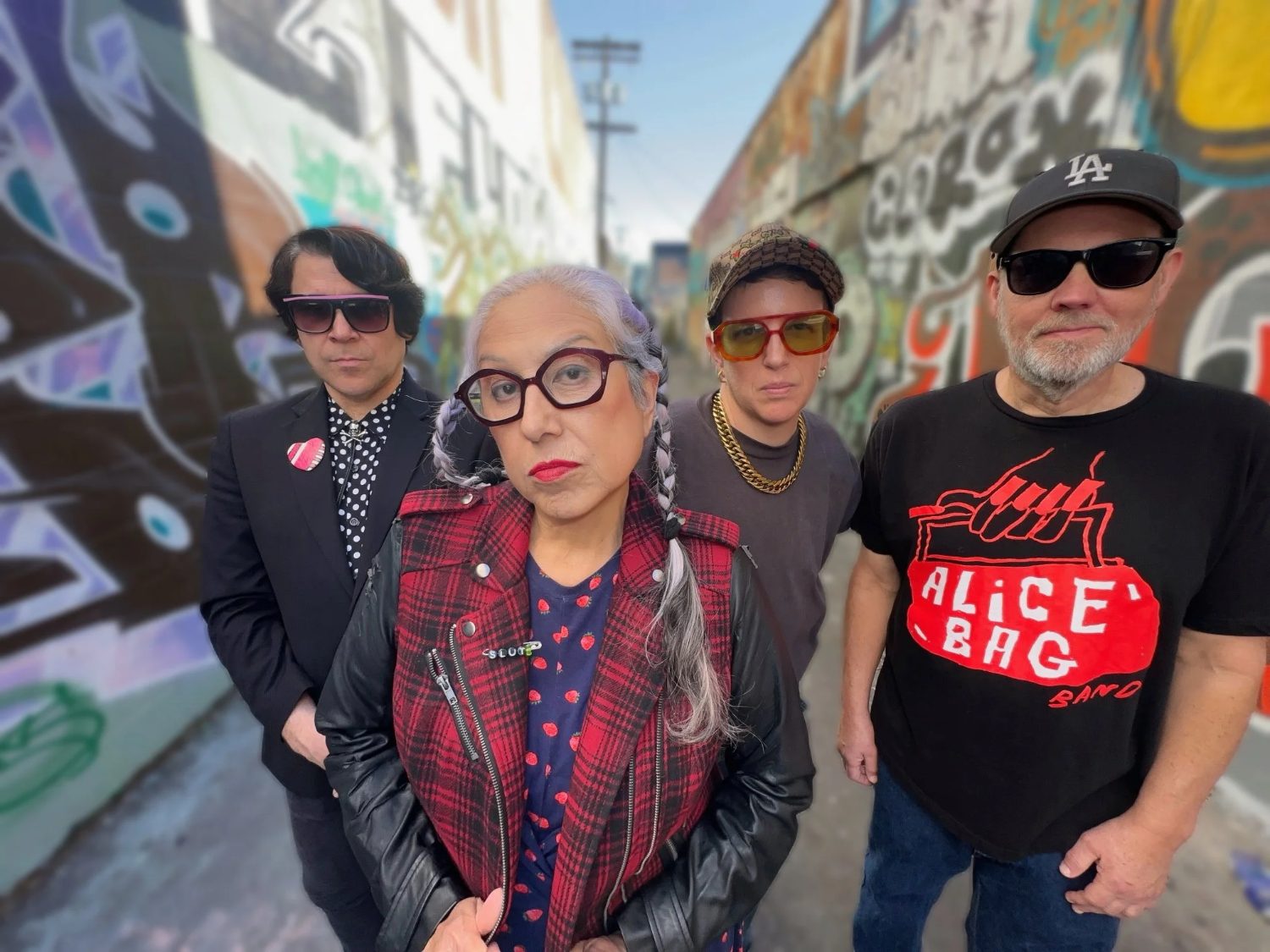
The Alice Bag Band (Courtesy of Alice Bag)
On September 9 at the Wiltern, opening for Bikini Kill, the Alice Bag Band took their final curtain call. While the band chapter comes to a close, the fight continues, as Alice is a great deal more than a punk singer. She’s an educator, an author, a mother, an archivist of her own scene, and above all, a fan. We spoke with her ahead of the Wiltern date about what she’s carrying forward.
LA Weekly: How do you feel about your upcoming show with Bikini Kill?
Alice Bag: I’m excited. These last couple of shows with Alice Bag Band are bittersweet for me. I feel like I’ve spent a lot of time with this band. They’re like family to me. But at the same time, I also can feel my body aging. It’s not able to give me the kind of jet fuel I need. I feel like my music needs to be delivered with the kind of energy and intensity that it was written for. As I age, I find it harder and harder to harness that. I want to put a period on the chapter, while I still have the energy, to give the music what it needs.
How did the Alice Bag Band name come about?
When my band The Bags was filmed for The Decline of Western Civilization, we had a falling out with our bass player, Patricia (Morrison). She told the director that she had a copyright on the name, and we couldn’t use “The Bags.” So we tried to come up with other names. I guess we took too long because eventually she just decided to call us Alice Bag Band. My initial response was, “Oh, that’s terrible!” It looked like I kicked out the bass player so I could call the band after my own name. But, in retrospect, it’s given the band name recognition.
This is not the same crew I was playing with 50 years ago. I started with this new group in 2016. So it’s been a while — about ten years.
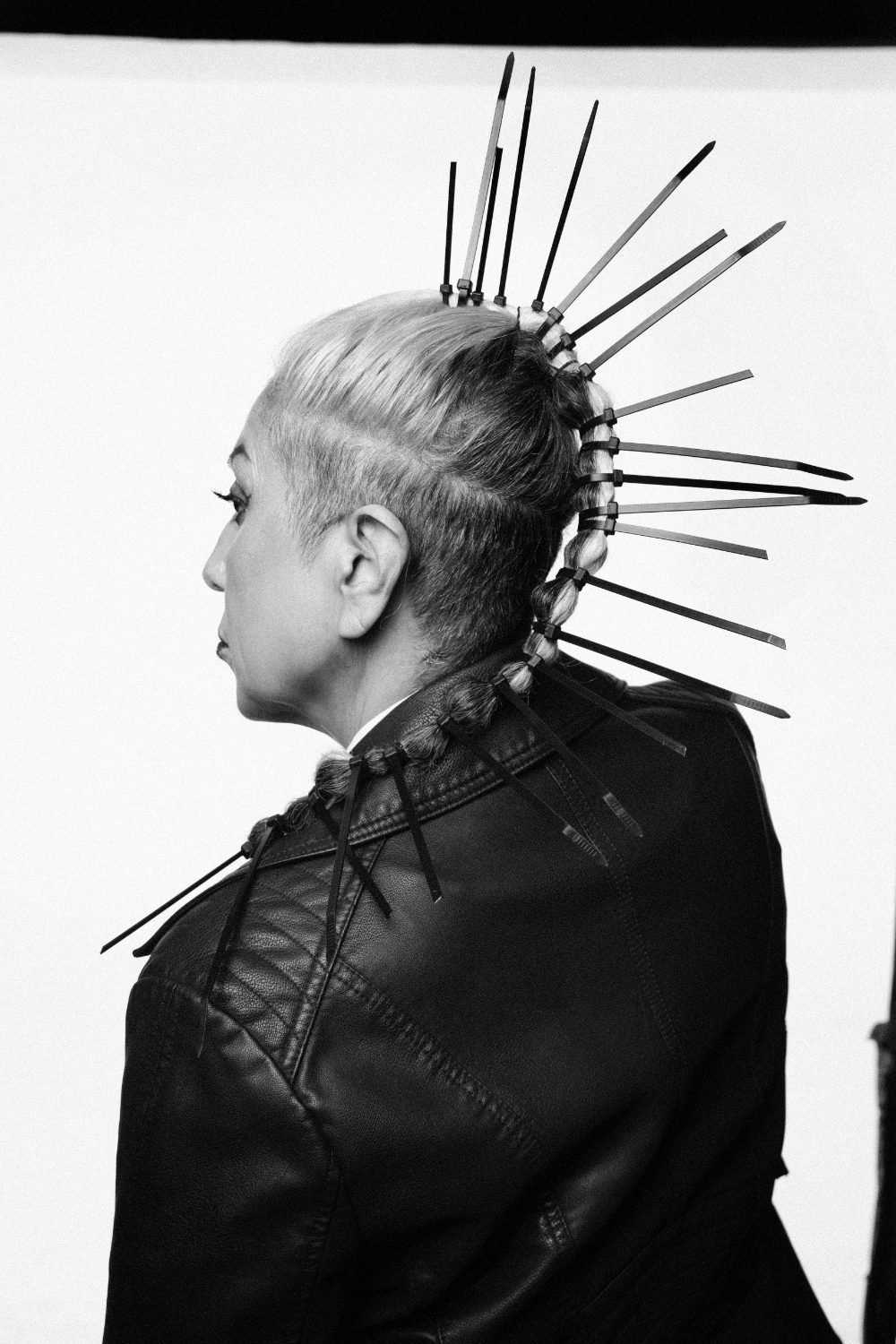
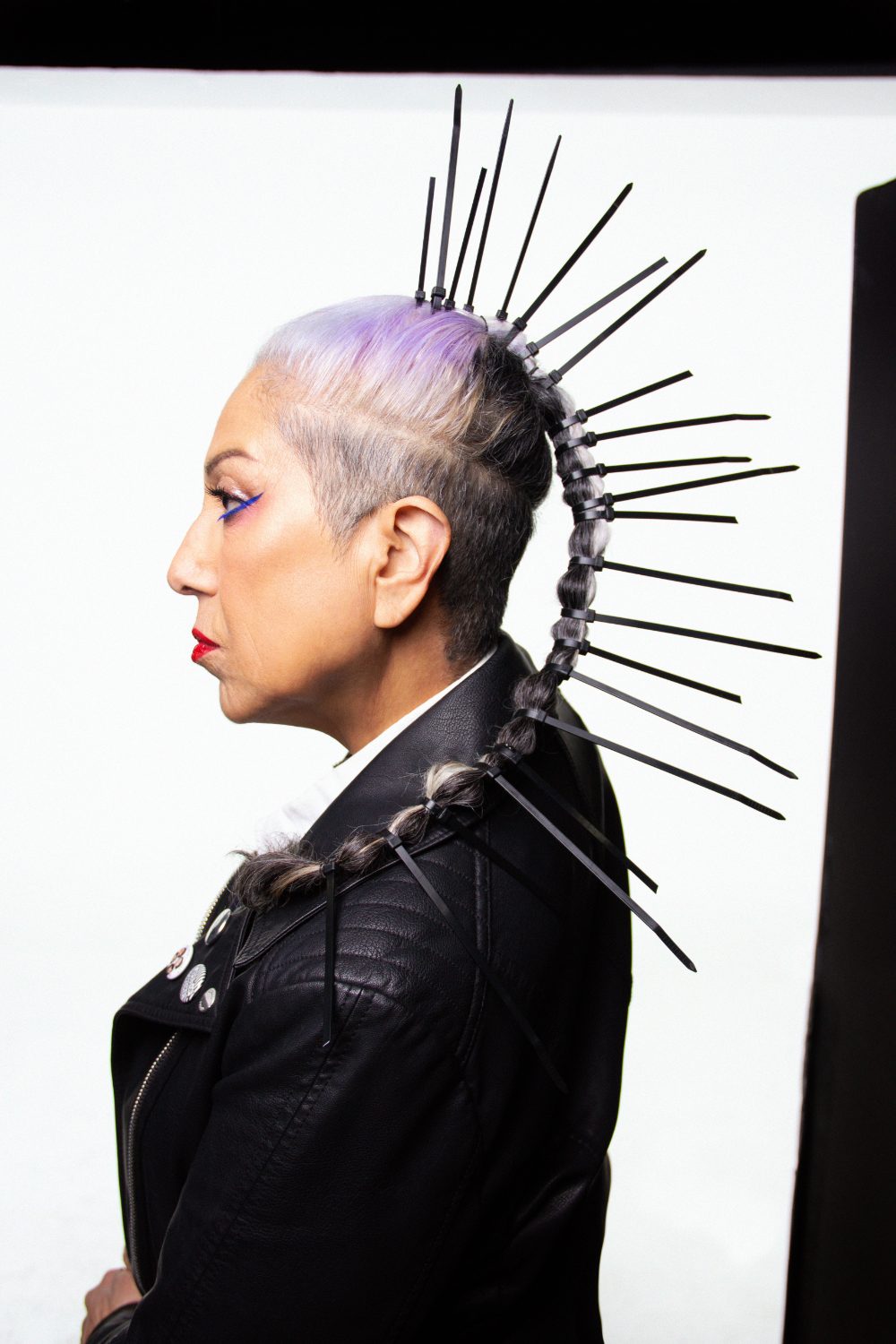
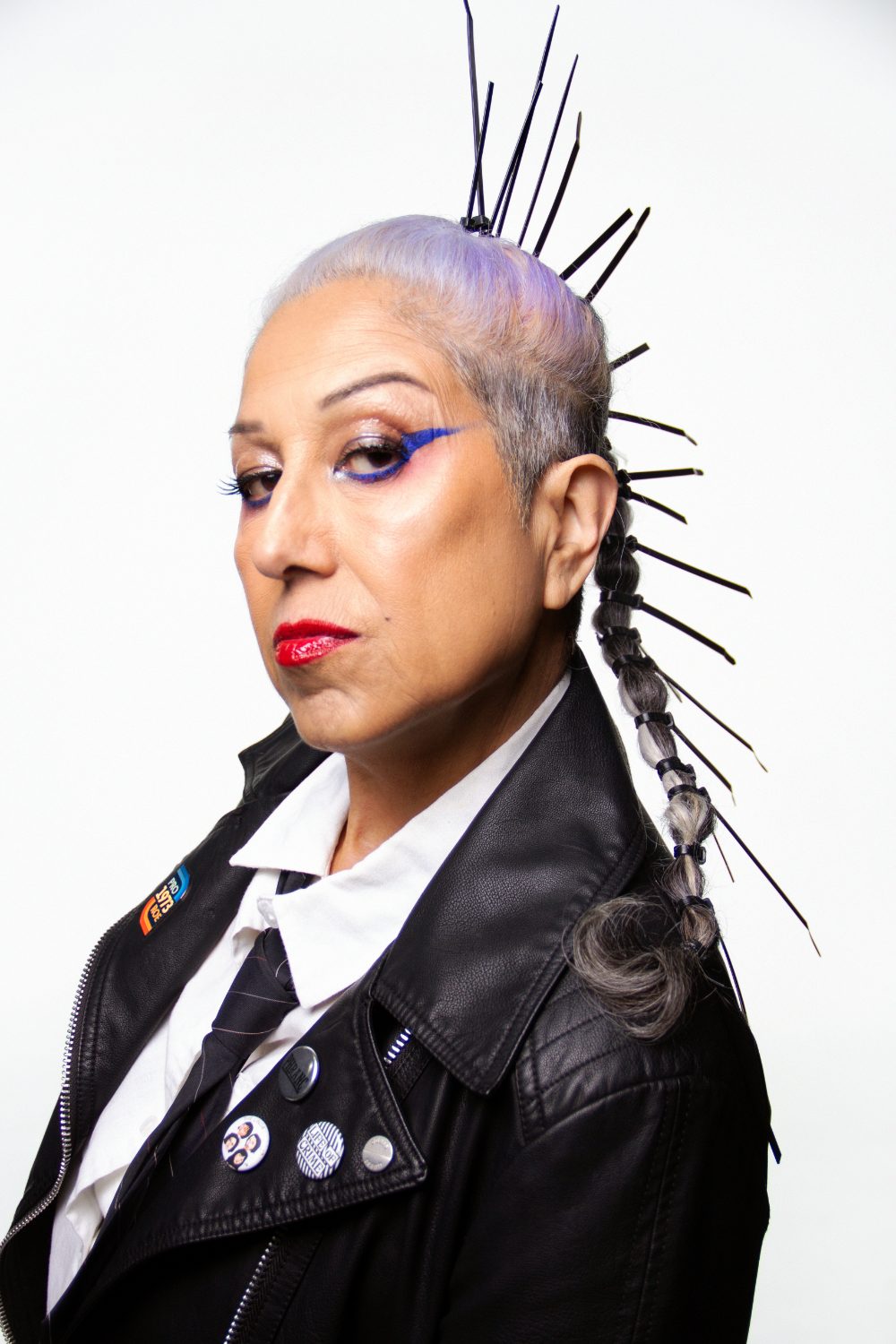
(Photo: Josef Jasso; Hair: Jon Lieckfelt; Make Up: Valerie Von Prisk)
Shot in 1979 and 1980, Penelope Spheeris’ groundbreaking documentary The Decline of Western Civilization captured the LA punk scene and features legendary bands of the era like Black Flag, The Circle Jerks, The Germs, Catholic Discipline and X. Released in 1981, Alice stands out not only as one of the few front women in the film, but also as a Mexican American.
The story of The Bags begins in 1975 when Alice and Patricia Morrison met outside CBS studios hoping to catch a glimpse of Elton John as he arrived to guest star on Cher’s variety show. As their friendship blossomed, they set out to form an all-girl rock band. After several iterations, including stints as Mascara and Femme Fatale, they settled on The Bags, with core members Craig Lee, Rob Ritter and Terry Graham. The group played its first concert at the Masque on Sept. 10, 1977, and became a fixture of the scene.
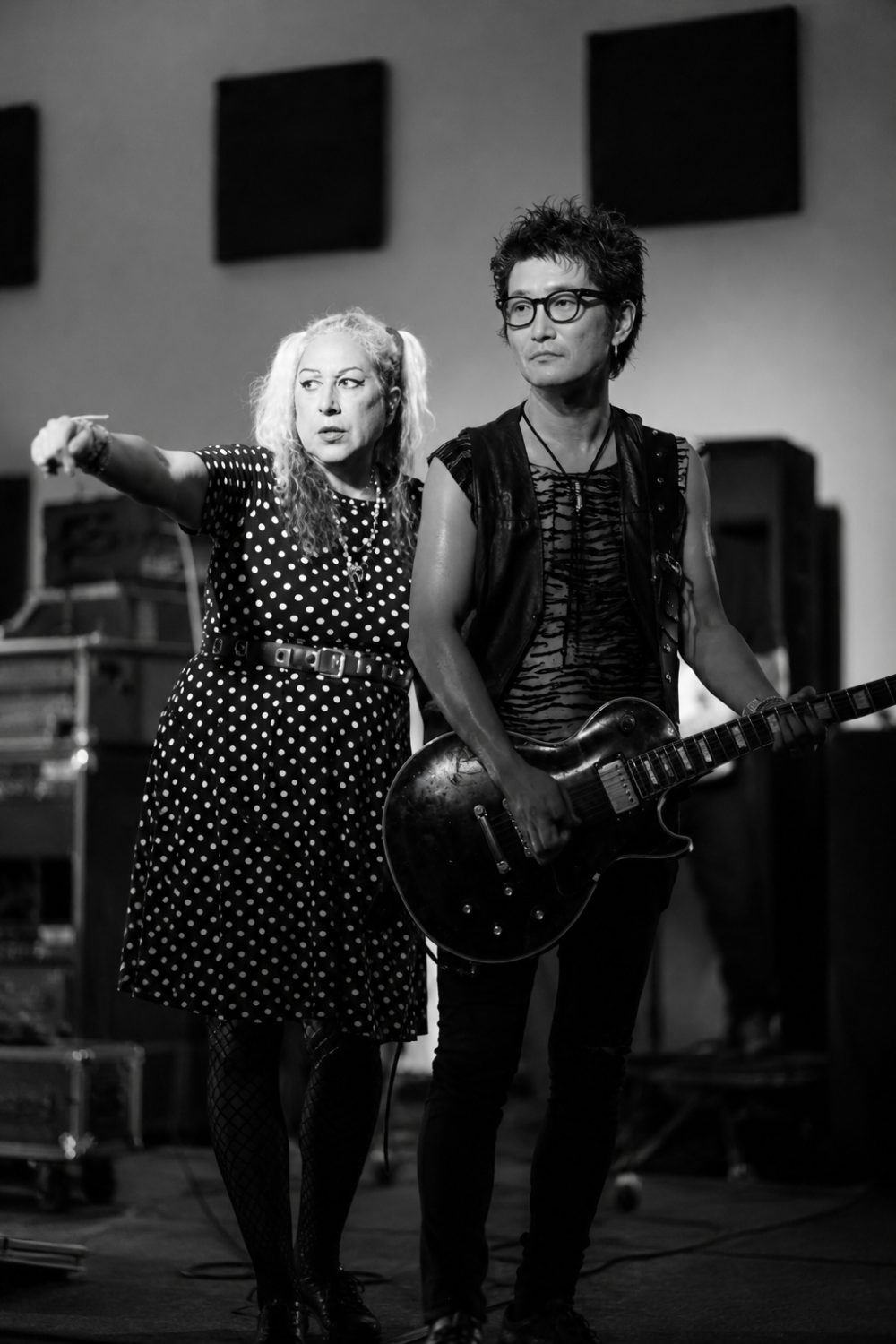
The Alice Bag Band’s final formation was Alice, Candace P.K. Hansen, David O. Jones and Sharif Dumani.
This year commemorates the 50-year anniversary of punk music in the U.S. What was the scene like in the 70s?
I think regular people didn’t know what to make of it, you know? I feel like people were a little confused by the idea of these weirdos making weird sounds and hanging out together. I think a lot of times, people thought, “Is that a gang? Are they crazy? Are they gonna hurt us?” So, there was that sense of prejudice. I feel like that’s why we had so much trouble keeping venues. Things would get shut down, neighbors would complain, “There’s a bunch of undesirables hanging out in front of this place.”
What are your feelings about punk music now? How has this music shaped your life?
I think initially, punk music gave me a sense of power. I had grown up feeling like an outsider, feeling like a weirdo, feeling like I didn’t have any power. Meeting my community accepted me for who I was. They accepted me as a weirdo, accepted me as a woman, Chicana, queer… In fact, they not only accepted me, but embraced me. I really felt like I found my way home.
I’ve described this before — time stops on stage. I remember being on stage and watching people look at me, move with me, dance with me, and react to my performance. They would connect with me in a way where I felt like, oh, we are all in this together. We are all one.
I remember one time there were lights on stage, but the rest of the room was completely dark. I remember looking out into the distance, and I couldn’t see the end of the room. It was an epiphany for me, because I realized this thing that we have, where we’re all connected, and we’re all moving in the same direction, and we all are acting as one. This feeling is limitless. I couldn’t see the end of the room, and I can’t see this power stopping anywhere. If we act together, and we’re on the same wavelength, and we’re dancing to the same beat. We can move mountains. We can change the trajectory of our country right now.
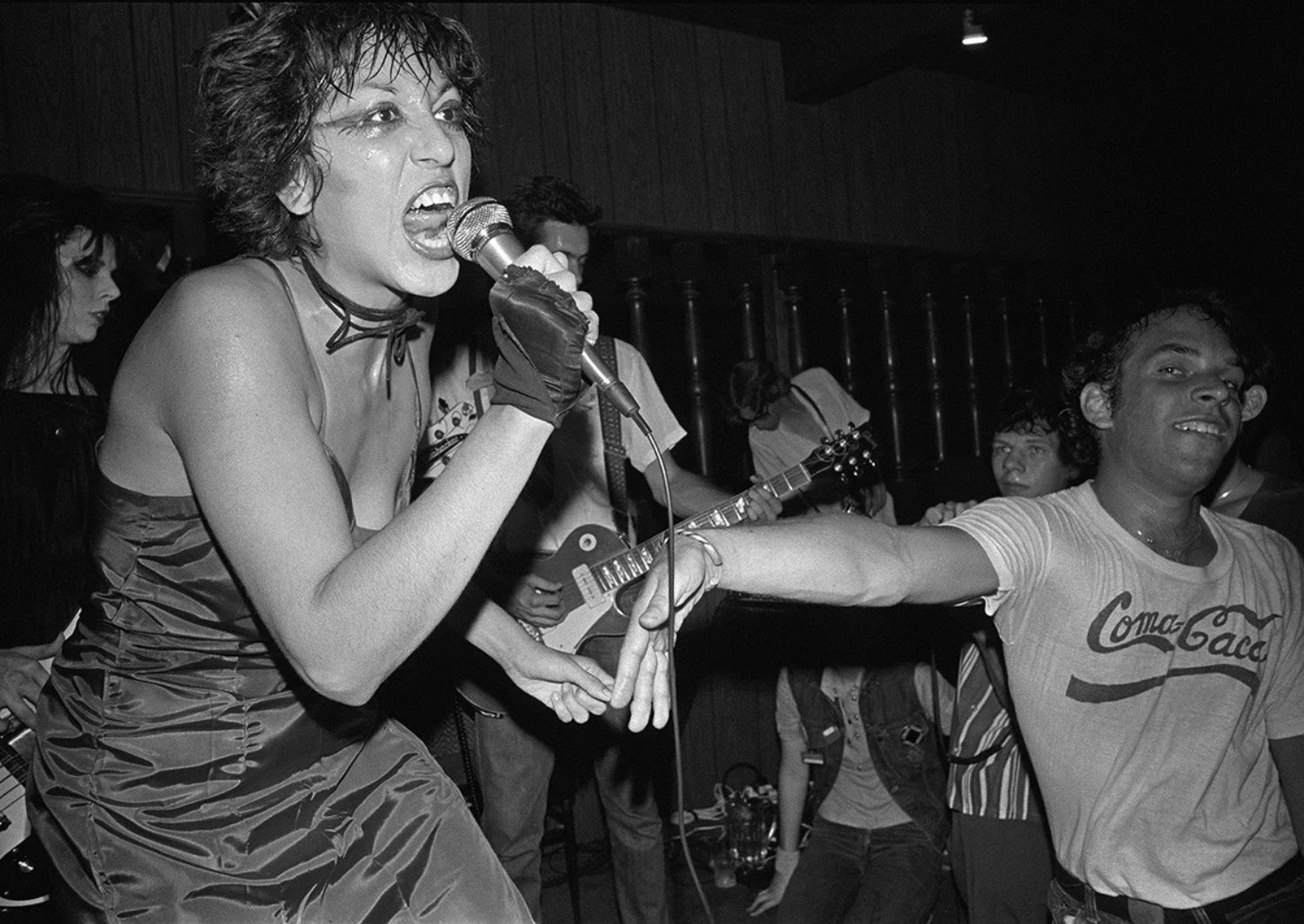
(Photo by Melanie Nissen / hardandfastbook.com)
What does it mean to have been there at the creation, not only as a woman but as a Mexican American?
Truthfully, it hasn’t always been important to me to feel like my part in that should be recognized. But then as I started to meet other young Chicanas, I realized it’s important for them to see that I was there — to see them realize that there was a place for them. That people like them, who looked like me, were here from the beginning. People who maybe sing in Spanish, people who are queer, women who are strong and don’t feel like they have to fit into industry-mode to be successful. I feel like all those things are important because I want other generations to see that they can’t be excluded, that some of us were the originators. That’s important to me.
Whether my name is connected to that or not is much less important. I want women to know — not just Chicanas, but women of color, people who are not typically seen as rockers, even within our own community — if we make it, if we own it, and we decide to make music that’s punk rock, then we turn punk rock into a more inclusive movement. If there’s people out there who say punk rock is just for White people, then I’d say, you’re wrong. That’s just like saying only Mexicans can eat Mexican food, you know? It’s for everybody who feels it, and it should be open to everyone.
What do you think about punk music nowadays? Are there any artists you’d like to shout out?
I like The Groans a lot. I love Linda Lindas. Fea, Ratas En Zelo, There’s a band called Tórax y las Extremidades in Mexico City that I love and another one called Soga. It’s really punk rock in your face, with a feminist edge.
After her time with The Bags, Alice became a teacher. She began her studies at East Los Angeles College and finished at Cal State LA, where she earned a degree in philosophy, then taught bilingual education in LA schools. In 1986, she traveled to Nicaragua as part of a literacy campaign during the period following the Sandinista Revolution. Since then, she has participated in educational programs and spoken at colleges about punk, feminism, immigration, and growing up Chicana in East LA.
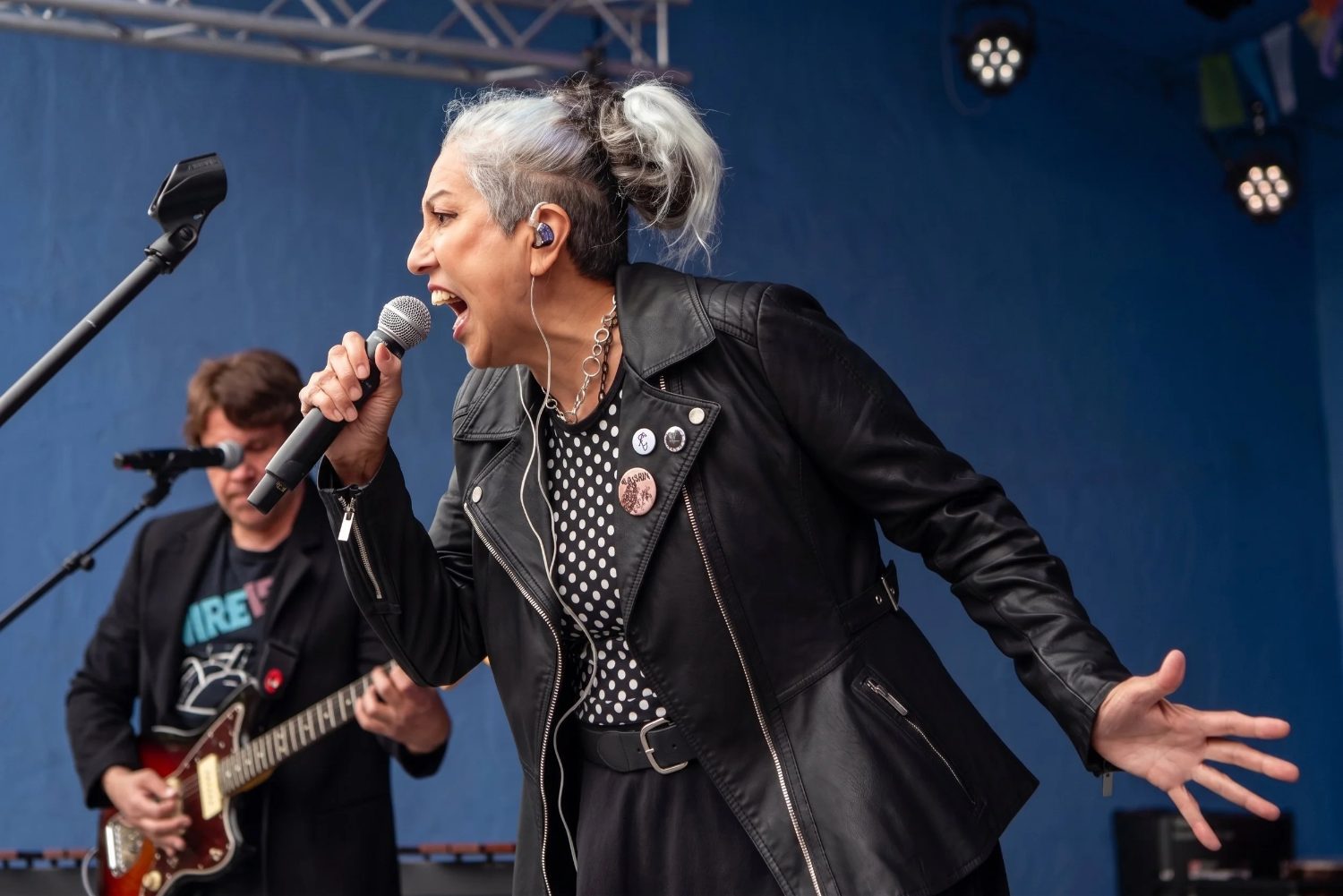
(Courtesy of Alice Bag)
Alice wasn’t just a part of LA’s punk explosion, she became one of its historians and archivists. Since 2004, Alice has maintained a digital archive called “Women in L.A. Punk,” where she interviews and documents female musicians, photographers, writers, and other women involved in the movement.
She has documented her own history in her critically acclaimed memoir Violence Girl: East L.A. Rage to Hollywood Stage: A Chicana Punk Story. Published in 2011, the memoir shares stories from her life growing up in East LA, her family, becoming involved in the punk movement, and the rise and aftermath of The Bags. This year marks the 15-year anniversary of the book. Her second book, Pipe Bomb for the Soul, came out in 2015 and draws heavily on her experiences in Nicaragua.
This year marks the 15-year anniversary of Violence Girl. Congratulations.
Thank you. I’m really happy. It almost went out of print! On a count of some changes in ownership of the publishing company. Luckily, I was able to call them and they got it back.
Is there a new edition, or a new book, coming?
My publisher, Christina Ward, asked if I wanted to come out with an updated version, but said that for a new edition I’d have to add 30% new material, which I’m not quite sure I want. I do have the option of writing another book, which I’ve considered. But I’m not ready to sit down.
One of the things that facilitated my writing of the book was my living situation in Phoenix, Arizona, where I had a lot of free time to just sit and write. Now that I’m back in Los Angeles, I’m usually really busy with friends and family. I try to stay active writing music, going to shows, performing. So right now my life’s not conducive to sitting down and writing. But I think there may be a time when I have a few things that I have to take care of that are gonna require me to slow down for a little bit, and maybe I’ll do some more writing. It’s one of the things I do want to do. So there might be another book in the future. A part two.
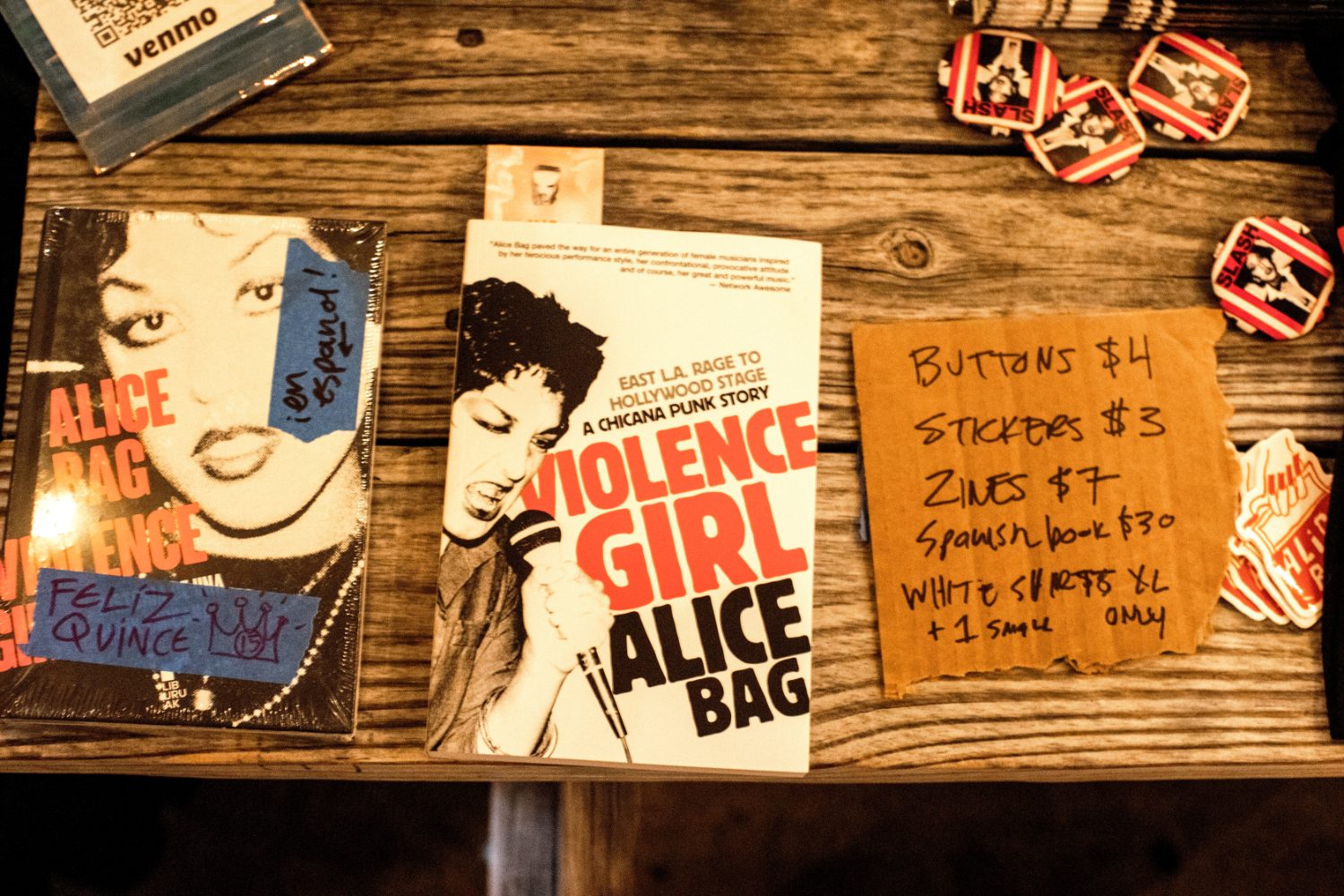
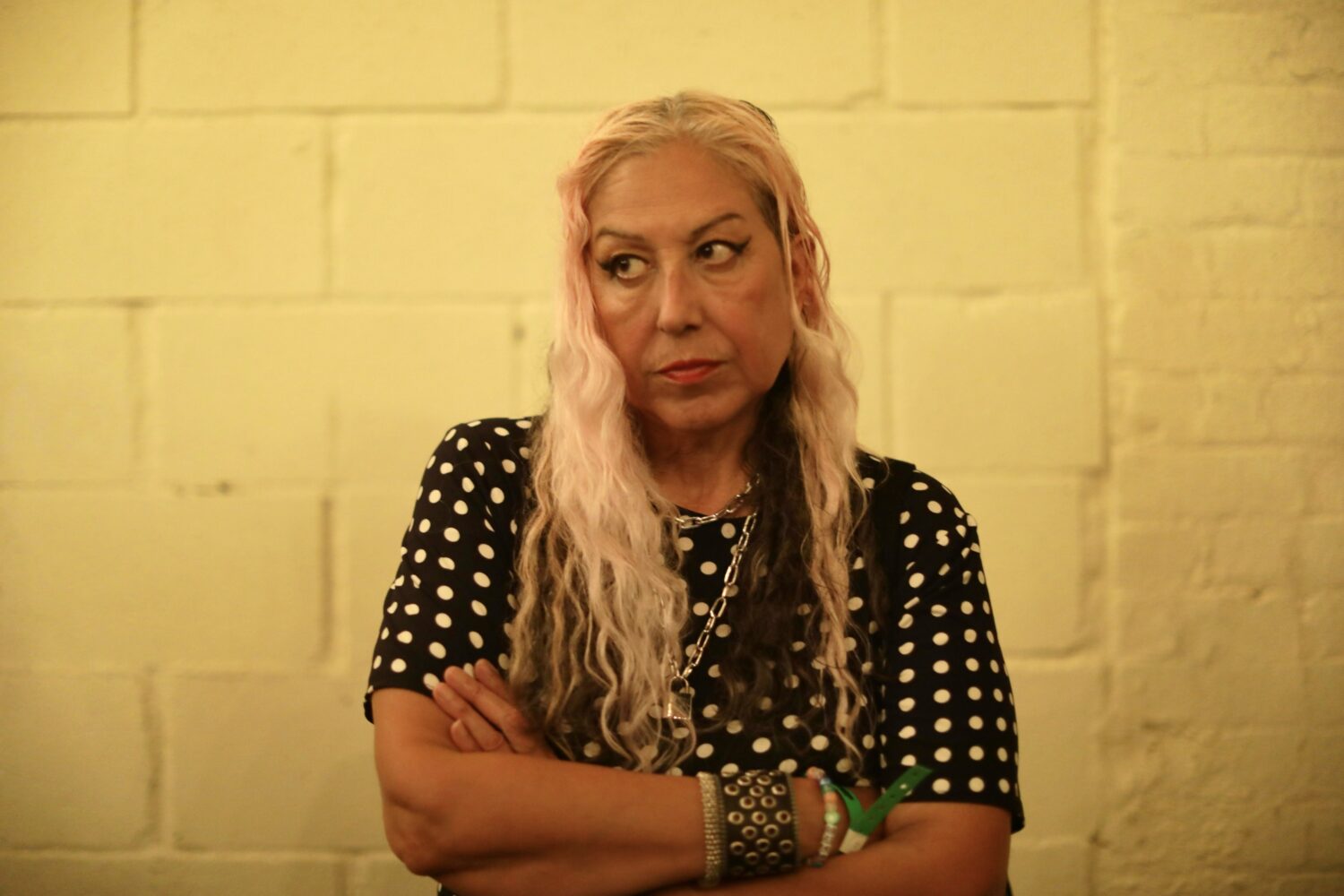
(Photo: Alfonso “Choji” Itosu Romero)
What about your life now? What do you fill your time doing?
I still like to see bands, especially new bands. I went to see Fea, Ratas En Zelo, and The Groans at The Redwood recently. It was a great concert. I do occasionally go out to see my friends who have been around for longer and do shows still, but I’m especially inspired by watching young bands. To see what they do and how they address what’s going on in our country. Whether they have a political stance, or even if they’re just doing something that’s really creative, I like to see that. It keeps me feeling like I want to write music, too. Even if it’s not punk rock, although it usually is punk rock, because it’s my rasquache [— a word reclaimed by Chicanos to describe one’s artistic cultural sense and resourcefulness].
What else do you listen to, outside of rock?
I love ranchera music, especially when I’m in Mexico City. When I’m there, I really let that side of me take over. What I love about mariachi music and rancheras in general is that it feels like anyone can sing them. Not everyone can sing them well, but people feel empowered to sing them loudly, with their heart. Singing with your heart is not so much about technique, it’s about connecting with the emotion. And I feel like that’s very punk rock.
Your band is opening for Bikini Kill in LA and San Francisco. We heard you might be collaborating with Kathleen Hanna on a new project?
I do know Kathleen Hanna. She once very graciously invited me to a party at her house before I’d even met her. Of course, I knew who she was. I’d seen her film The Punk Singer and I was familiar with her music. When we met, she was very sweet. She wanted to talk to me about my book, how she had read it, and she told me she was thinking of writing her own. Now I’ve read her book, and it’s awesome.
Later, when I was recording, I had invited Allison Wolfe (of Bratmobile) to sing on the record. She was very close with Kathleen and asked if I would want her to join us. I said I’d love to, but that I didn’t know her that well. To my utter shock and surprise, Kathleen said yes and showed up at the studio.
Kathleen Hanna provided guest and backing vocals on Alice Bag songs “77” and “Turn It Up” from her 2018 album Blueprint.
What are you working on next?
I have a few projects I’m working on. I have a new record coming out with Juanita & Juan.
In November, I’m going to start working on a project with Kathleen Hanna, Adele Bertei, and Andrew Springer in a rendition of Pussy, King of the Pirates, which is a book by Kathy Acker, with music by Mekons. We’re doing our own version of it, and I’m really excited about that. It’s a different kind of performance for me. It’s almost more like theater. I’m looking forward to that.
That project is bigger than she lets on. Pussy, King of the Pirates will get its world premiere as a punk operetta at CAP UCLA’s Nimoy on January 8 and 9, directed by Bertei and starring Bertei, Hanna and Alice. Acker performed the piece only in the months before her death in 1997.
Alice , cont’d: I’m also helping a friend of mine, Teresa Covarrubias, who’s the singer of a band called The Brat. She’s a fantastic singer and songwriter. I’m trying to help her get her songs and poetry organized so that she can do a release of both projects.
I also sang on a couple of songs with Trap Girl — I forgot to mention them as one of my favorite LA bands. I love Trap Girl and Drew’s energy. She very sweetly invited me to write a couple of their songs and sing on a couple of their tracks. It was a blast. I loved it.
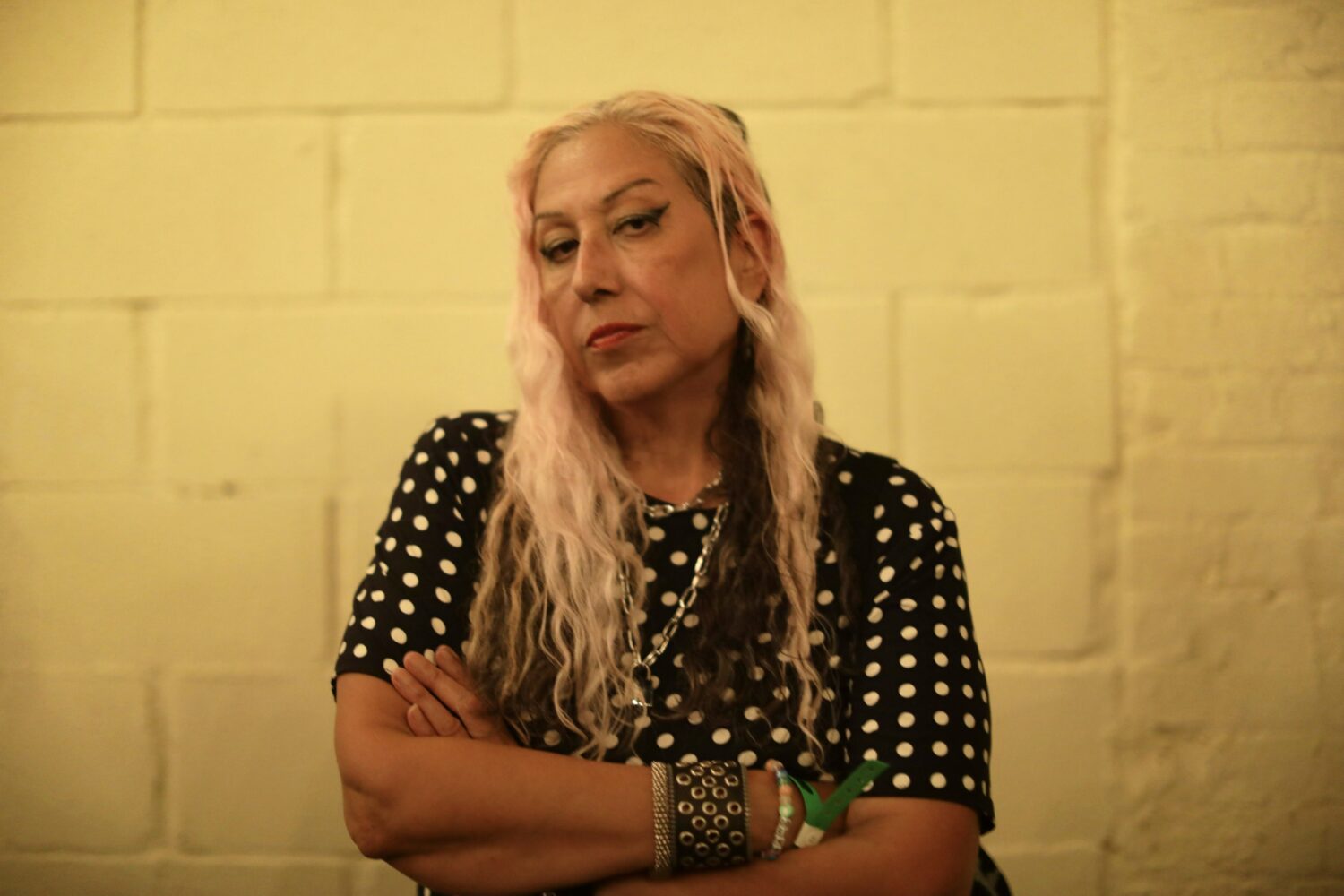
(Photo: Alfonso “Choji” Itosu Romero)
You were recently at the Palacio de Bellas Artes in Mexico City for the International Chicanx Art Gathering held alongside the exhibition AztLÁn, túnel del tiempo. How was that experience?
I was kind of surprised that they invited me, because I thought this was a visual art exhibition. I thought, am I supposed to be here? But when I got there, everybody was super cool. They knew my work and they were interested in what I was doing. It was beautiful. I love being able to say I did a presentation at Bellas Artes, because it’s such a gorgeous place. This building has stained glass, beautiful marble pillars, and inside you see murals by Diego Rivera and Siqueiros — the great Mexican artists. It was interesting because it felt like a mix of elite, affluent art patrons and then people who were doing art for the people, like those muralists.
I had a chance to do an interview with Chaz Bojórquez, who talks about East LA street art and shows the importance of that street art. To see it all in a place like Bellas Artes — I saw that art isn’t just meant to be housed in these institutions. It really starts with the people. It takes somebody to say this is worthy of your attention. So I felt honored to be included.
For Alice, that sense of community remains central to punk — and to what she wants music to provide now. Beyond music, she’s a powerful voice of her generation whose passion for justice, human rights, and dignity for all has shaped her life. She continues to be a pillar of the community and inspiration to her fans and fellow artists. Rather than ending with the Alice Bag Band, her current chapter points toward new collaborations, new music and a continued support in the next generation of musicians.
Is there anything else you want to say to the people?
I want to say, there’s been times in history where people shut up because it wasn’t happening to them. And if there’s one thing that I’ve learned, it’s that you can’t be silent. You can’t stand back just because it’s someone else that’s being taken, kidnapped, or their rights being stripped away. Right now, they’re coming for immigrants, and they’re coming for entertainers who speak their minds. Even newscasters are being punished for speaking the truth. Our democracy is being destroyed. I feel like we need to stand firmly together as a community and continue to resist. We need to mount a resistance and an offensive. We need things to change and we can’t stop until they do.
Don’t get discouraged because it’s a long fight. If you’re marching or protesting, it can be draining. So you need to take time to go out and celebrate. This is where music comes in handy. Shows are places where you can refuel and reaffirm your sense of community — that you’re doing this together and feel supported enough to continue the fight. It’s gonna be a long fight, so we got to hang together and take time to renew our strength.
Follow Alice Bag at alicebag.com and on Instagram @alice_bag.
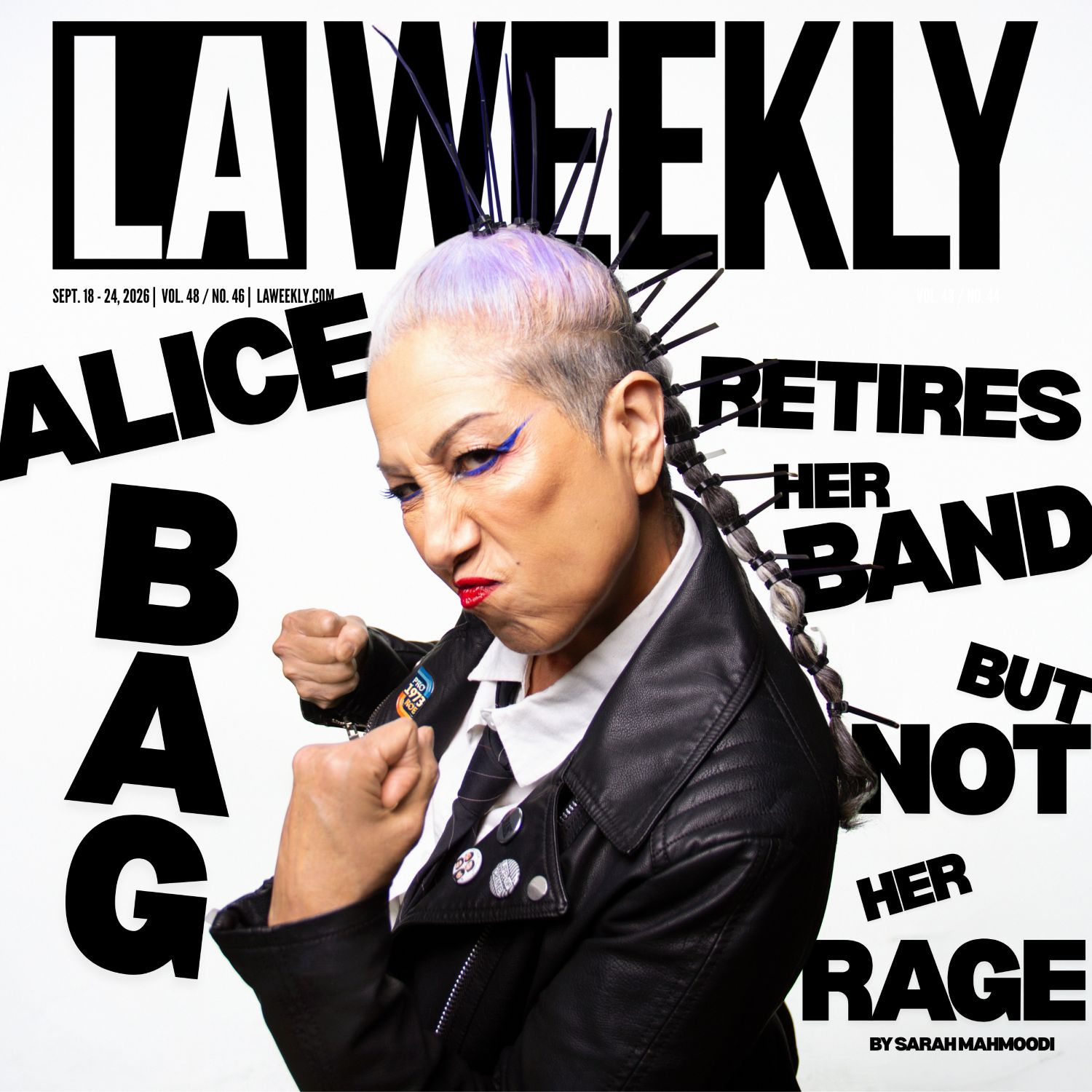
Alice Bag on the Sept. 18, 2026, cover of LA Weekly (Photo: Josef Jasso; Hair: Jon Lieckfelt; Make Up: Valerie Von Prisk; Cover Design: Mark Stefanos)