
 Will Jones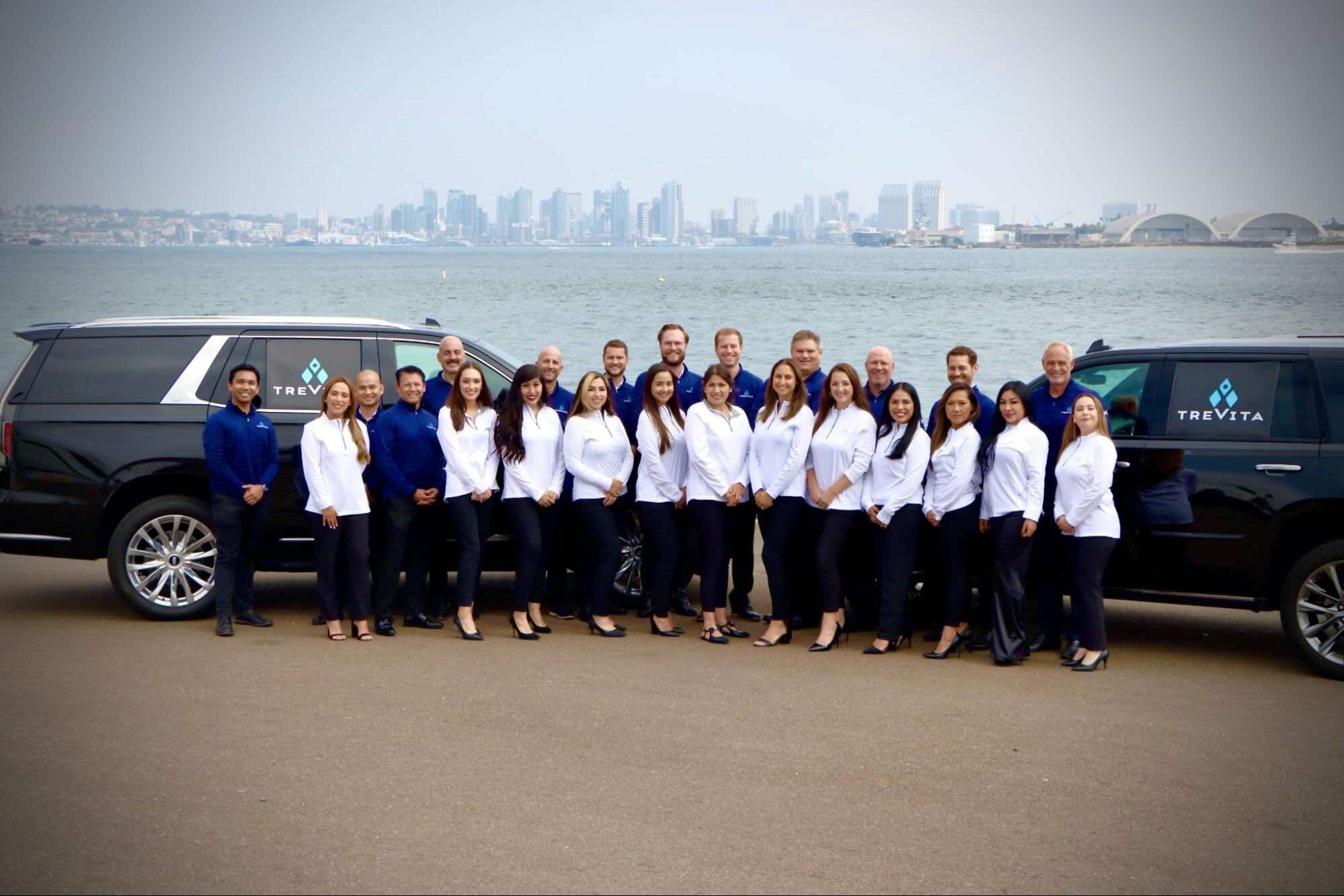
Photo Credit: TreVita Medical Tourism
For years, one destination has dominated the conversation around traveling for a hair transplant: Turkey.
Istanbul has become so closely associated with the procedure that images of travelers returning home with freshly transplanted hairlines have become their own social media genre. The phenomenon has been fueled by a combination of specialized clinics, packaged travel experiences and a growing willingness among Americans to leave the country for elective procedures.
But for Southern Californians, the next chapter of the hair-transplant travel trend may be developing much closer to home.
Just across the border, hair restoration clinics in Mexico are increasingly courting American patients, particularly those from California. And the geography gives the region an obvious advantage: for someone in Los Angeles, getting there can mean a few hours on the freeway rather than a transatlantic flight.
How Turkey Became the Hair Transplant Capital
Hair transplantation itself isn’t new. What’s different is the way the procedure has been packaged and normalized.
Turkey helped transform hair restoration into something resembling a specialized travel category. Patients can arrange a procedure, hotel accommodations and transportation as part of a single trip, spend several days abroad and return home to recover.
Social media accelerated the trend. Hair transplants that were once kept relatively private are now documented through before-and-after photos, recovery diaries and month-by-month updates.
That visibility has also changed the demographic conversation around cosmetic procedures. Men, in particular, appear increasingly comfortable talking publicly about doing something about their hair loss rather than pretending it isn’t happening.
And as the stigma has diminished, another question has emerged: if you’re willing to travel for a hair transplant, how far do you actually need to go?
For Angelenos, Mexico Changes the Equation
Los Angeles is uniquely positioned for the answer to be “not very far.”
The growth of medical travel along the California-Mexico border means procedures that might otherwise require an overseas trip can increasingly be accessed within a day’s drive.
TreVita, a U.S.-based medical travel company, is one of the latest entrants into that market. The company recently added hair restoration to its existing medical travel services, offering FUE hair transplants in Zona Río, about 20 minutes south of San Diego.
Like many of the programs that helped establish Turkey as a hair restoration destination, the experience is designed around travel. TreVita’s program typically takes place over three days, with transportation, accommodations, the procedure and return travel coordinated around the patient.
That’s a very different proposition when the patient lives in Los Angeles instead of New York or Chicago.
Hair Transplants Are Becoming a Travel Category
Mexico’s emergence also reflects a broader change in how Americans think about elective healthcare abroad.
Medical travel was once associated largely with people seeking procedures they couldn’t afford or easily access at home. Increasingly, the decision can also be about convenience, specialization and the overall experience surrounding a procedure.
Hair restoration fits neatly into that shift. It’s elective. It can generally be scheduled well in advance. The initial procedure takes hours rather than weeks, and much of the actual transformation happens after the patient has returned home.
With FUE, transplanted follicles need time to enter their normal growth cycle. TreVita, for example, tells patients to expect visible results beginning around three to six months, with fuller results developing around nine to 12 months.
That timeline also helps explain why hair transplantation has become such fertile ground for social media. The procedure creates a built-in story arc: the decision, the trip, the somewhat awkward early recovery period and, eventually, the reveal.
The Turkey Effect Isn’t Going Away
Turkey is unlikely to lose its reputation as the world’s best-known hair transplant destination anytime soon. It has built an entire ecosystem around the procedure.
What may be changing is the assumption that Americans interested in traveling for hair restoration automatically need to travel that far.
For Los Angeles residents, the rise of options immediately south of California introduces another possibility: treat a hair transplant less like a major international trip and more like a short medical getaway.
That’s ultimately what makes the trend interesting locally.
Istanbul made traveling for your hairline mainstream. Baja may be about to find out how many Angelenos would rather drive.