
 Michele Stueven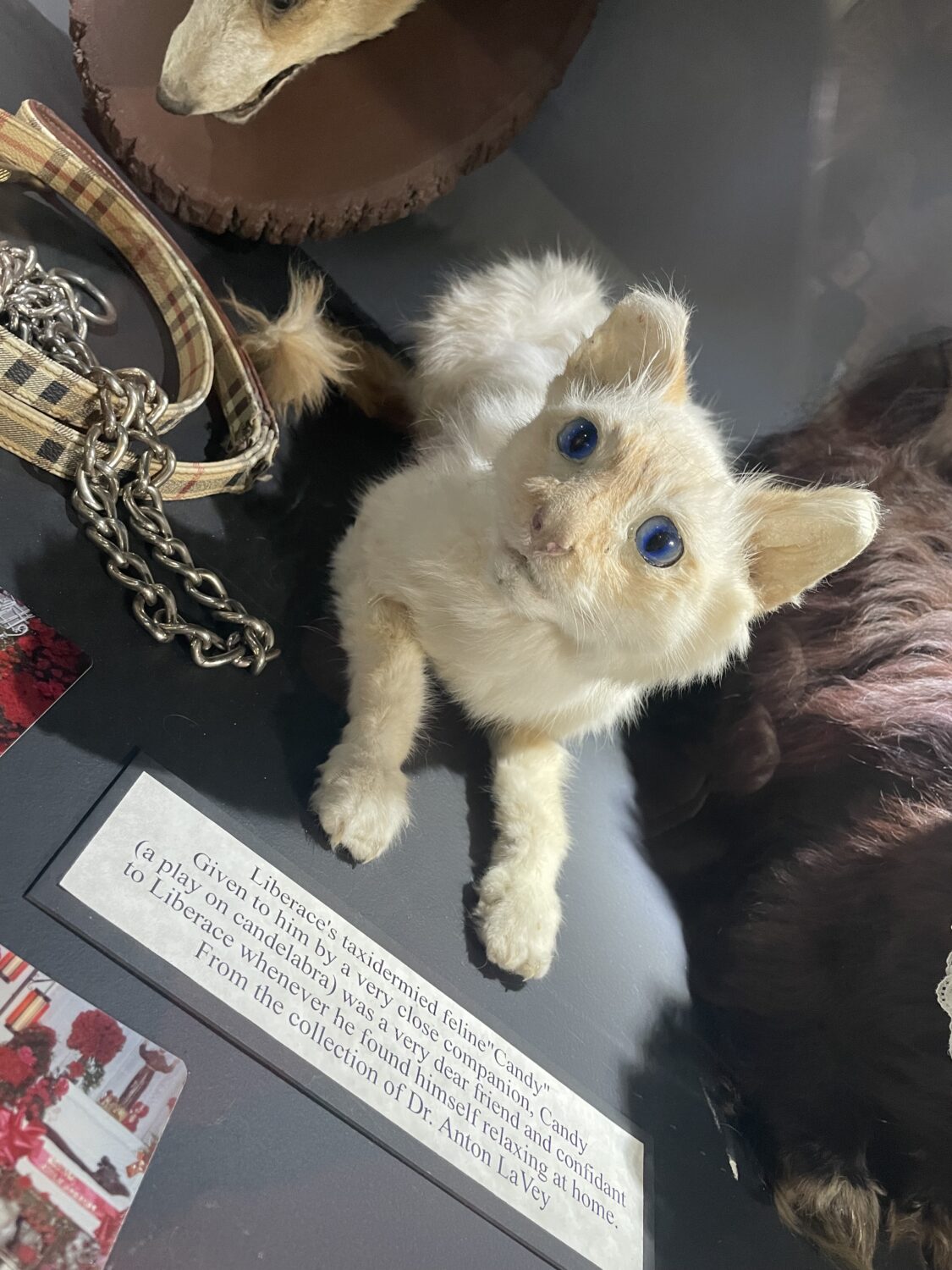
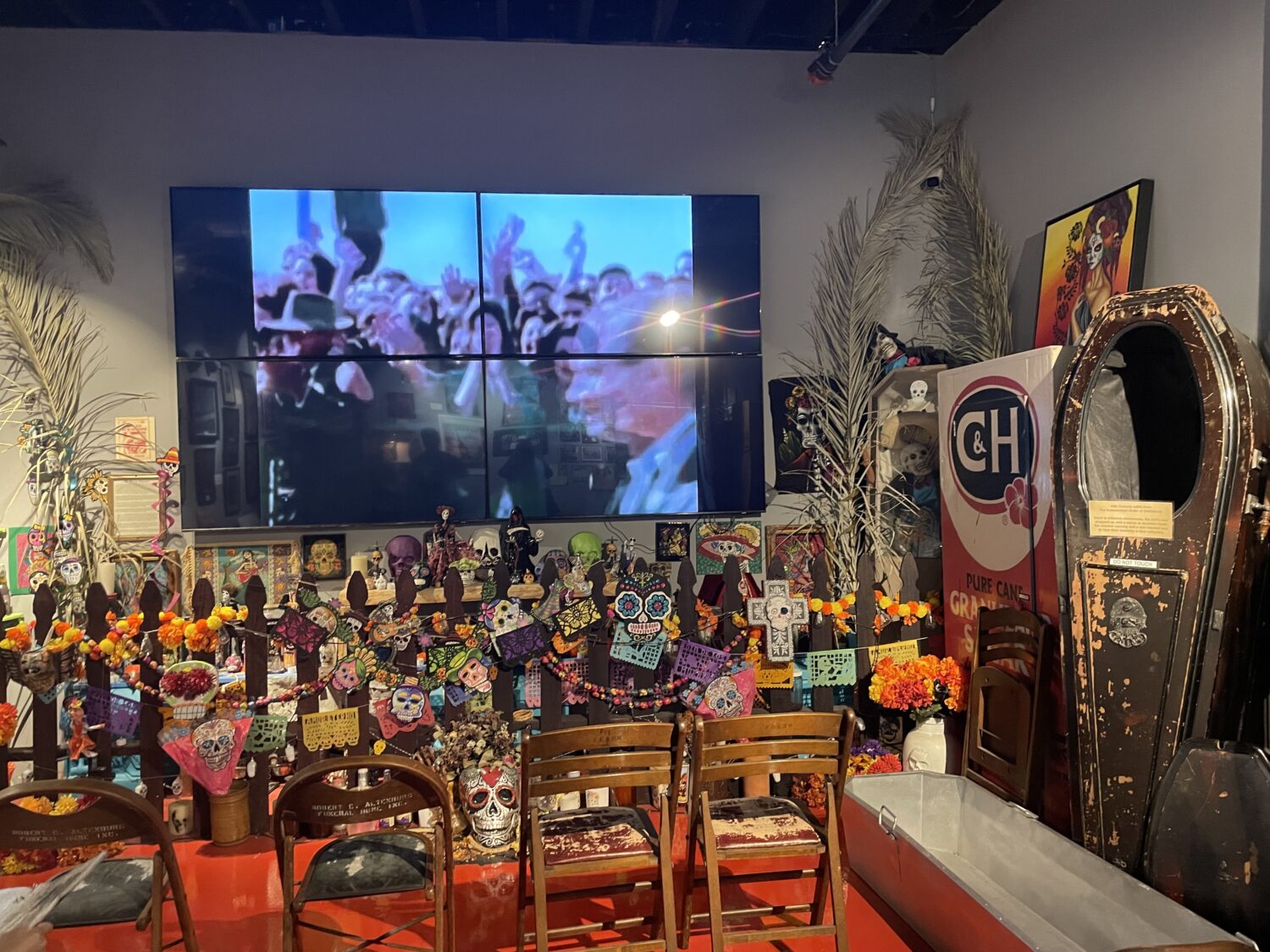

When JD Healy and Cathee Shultz opened the Museum of Death in San Diego 30 years ago, it was out of necessity.
Their passion for the concept of death resulted in an eclectic collection of items that kept growing. The couple finally realized it needed more room for the stuff when they inherited beds, shrouds, clothes, original Nikes, and suicide uniforms to replicate a room from the Heaven’s Gate cult mass suicide.
Since then, they have opened a museum in New Orleans and just expanded in Hollywood to a larger space, housing two floors of ghoulish displays.
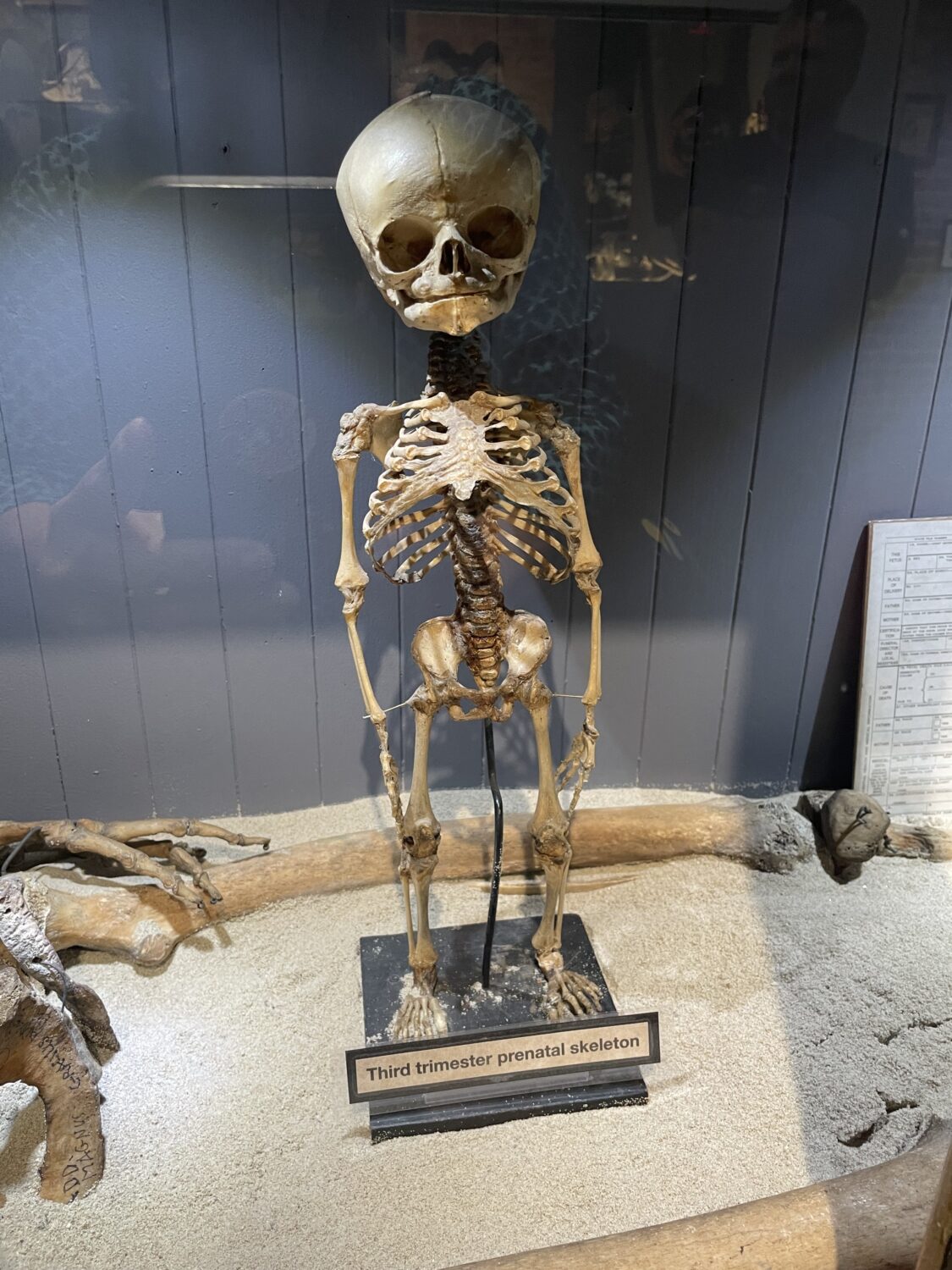
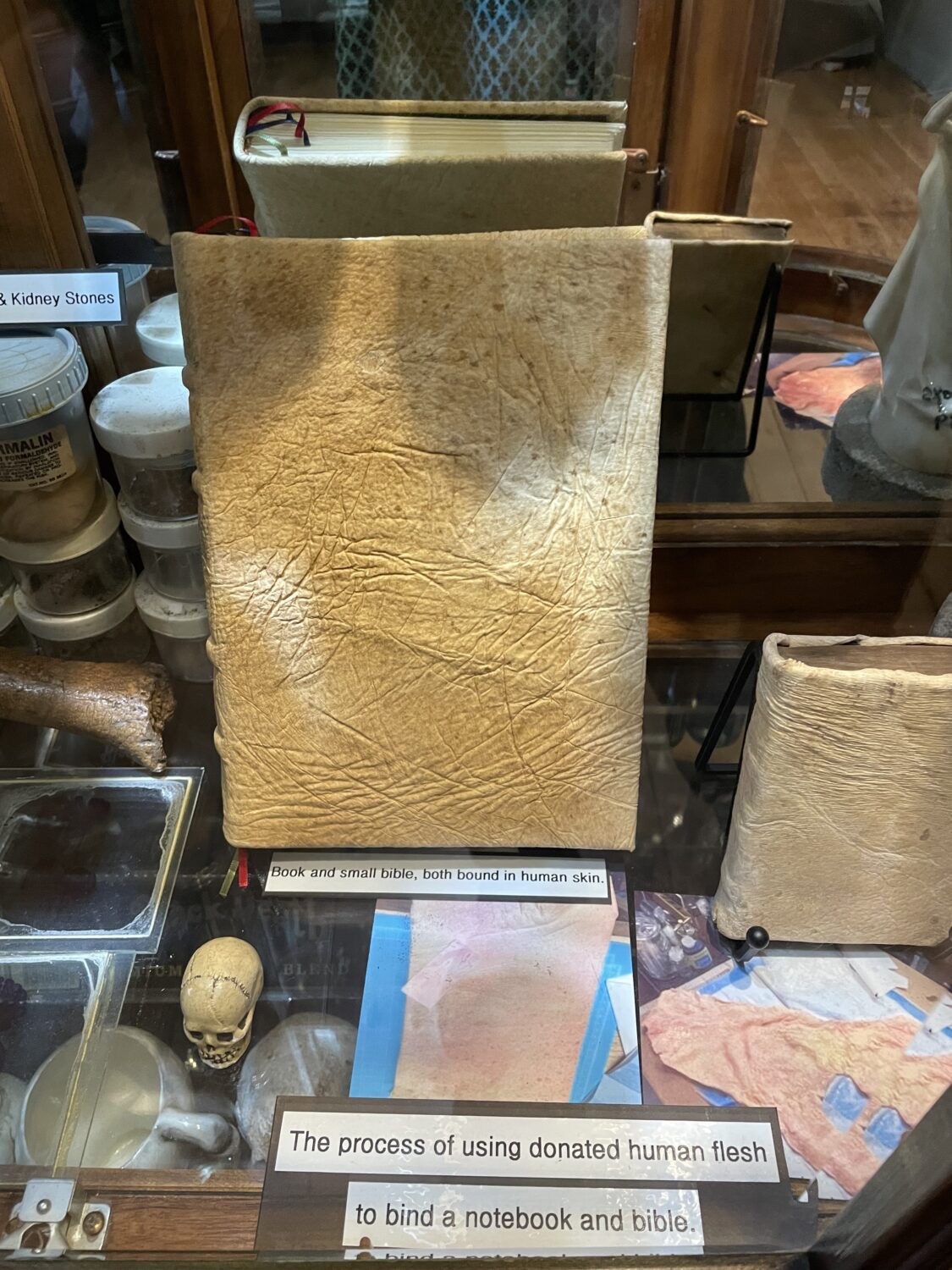
The Museum of Death houses the country’s largest collection of true-crime artifacts and pieces that illustrate America’s enduring fascination with crime, tragedy, and the rituals surrounding death. It’s not about exploitation or shock value, it’s about education, and confronting the one thing we all share: mortality.
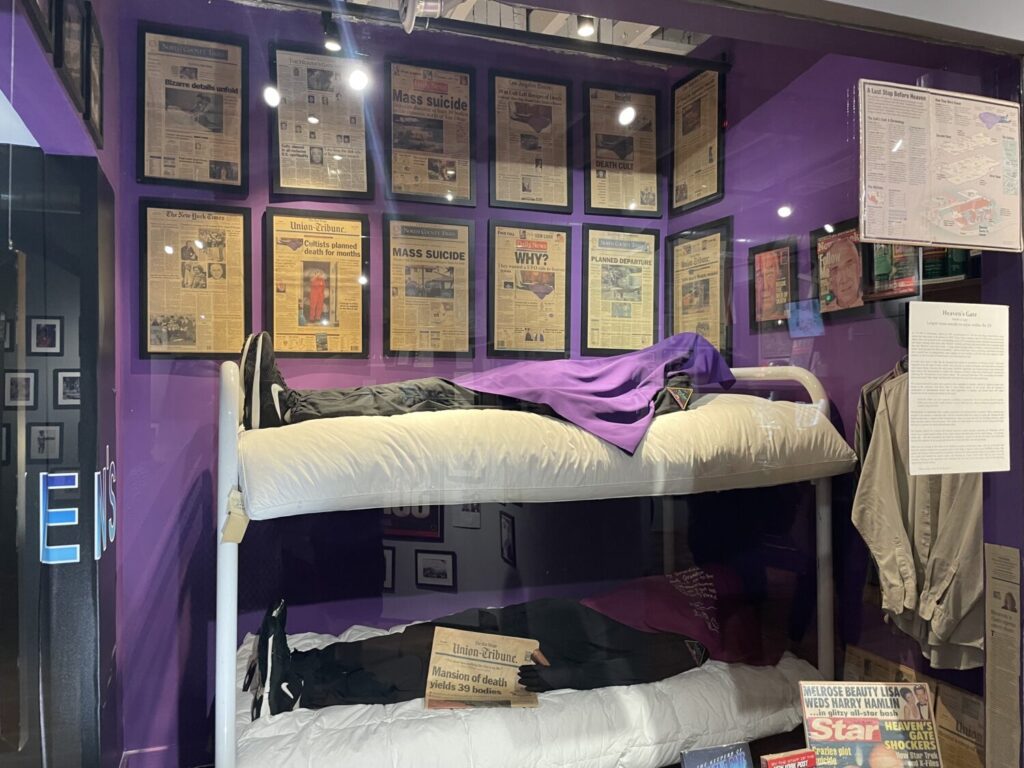
Heaven’s Gate suicide room (Michele Stueven)
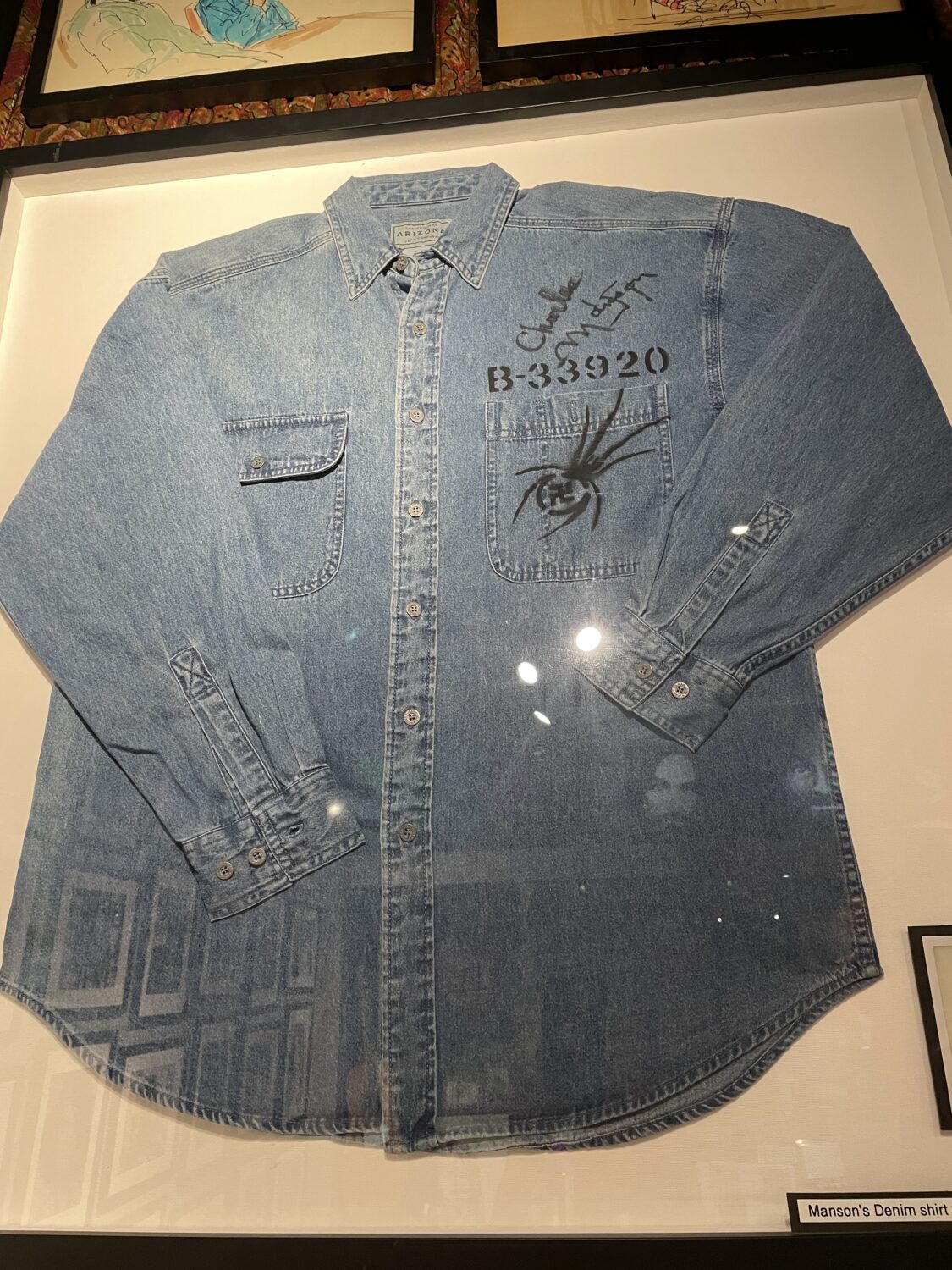
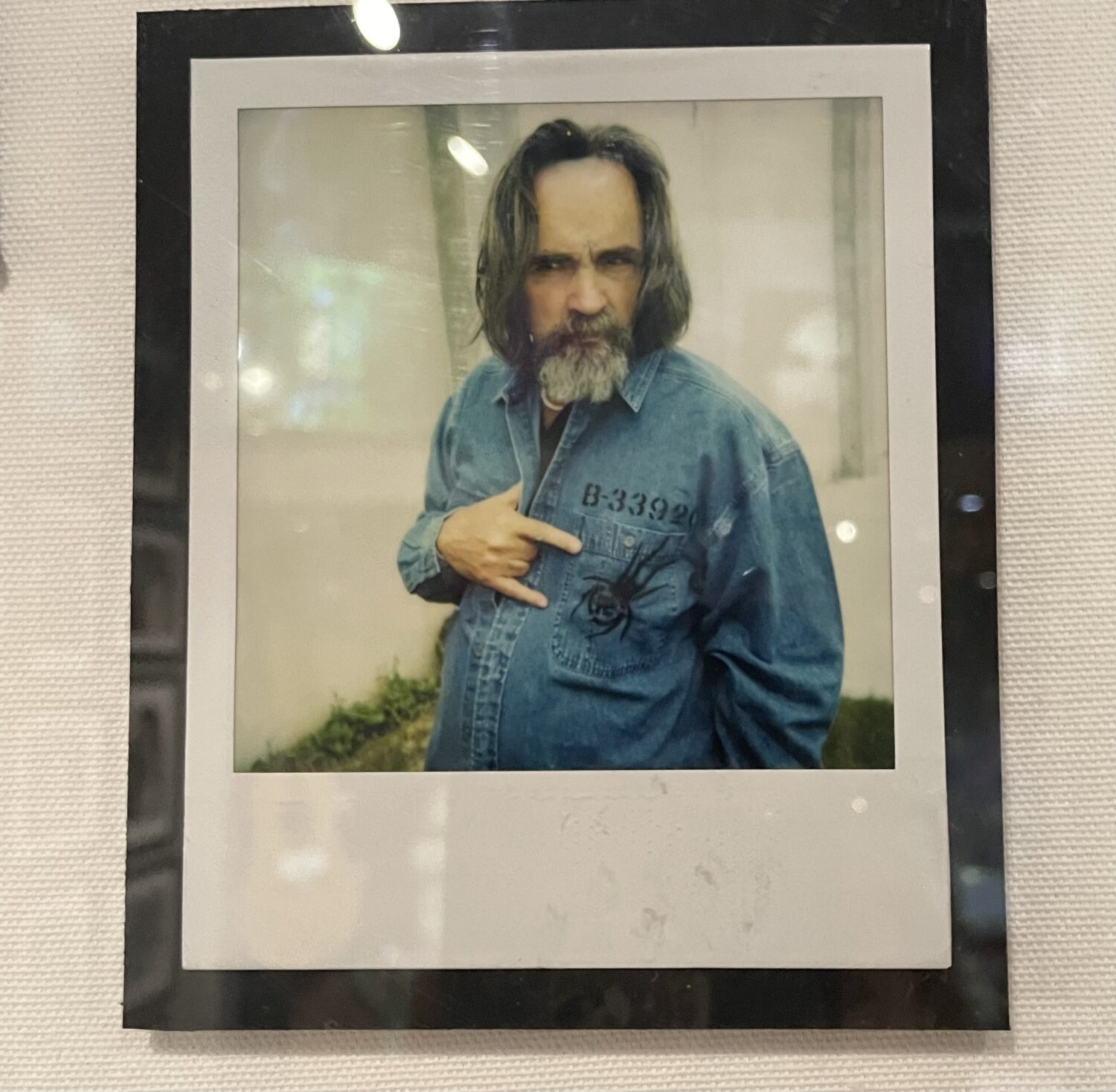
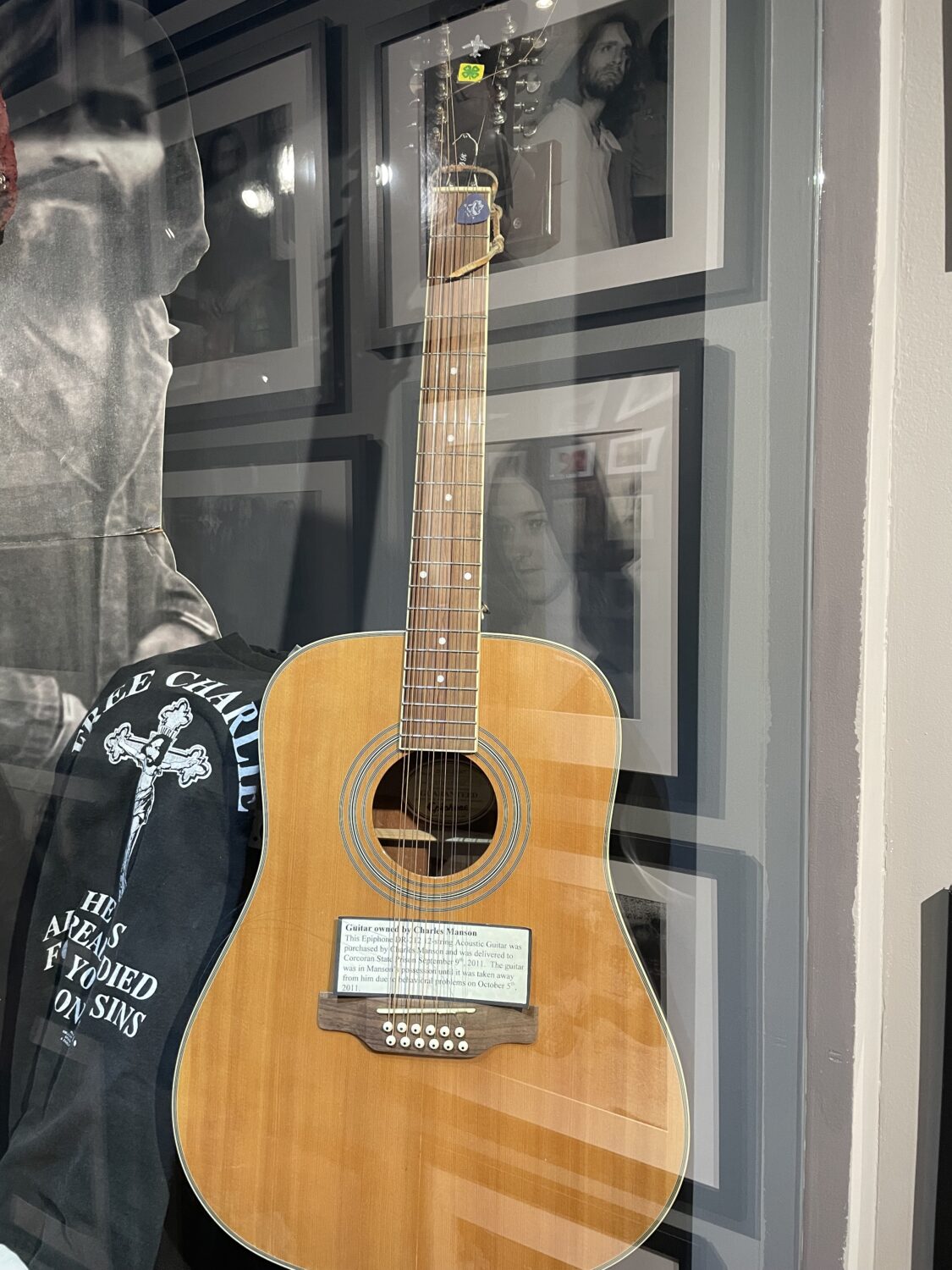
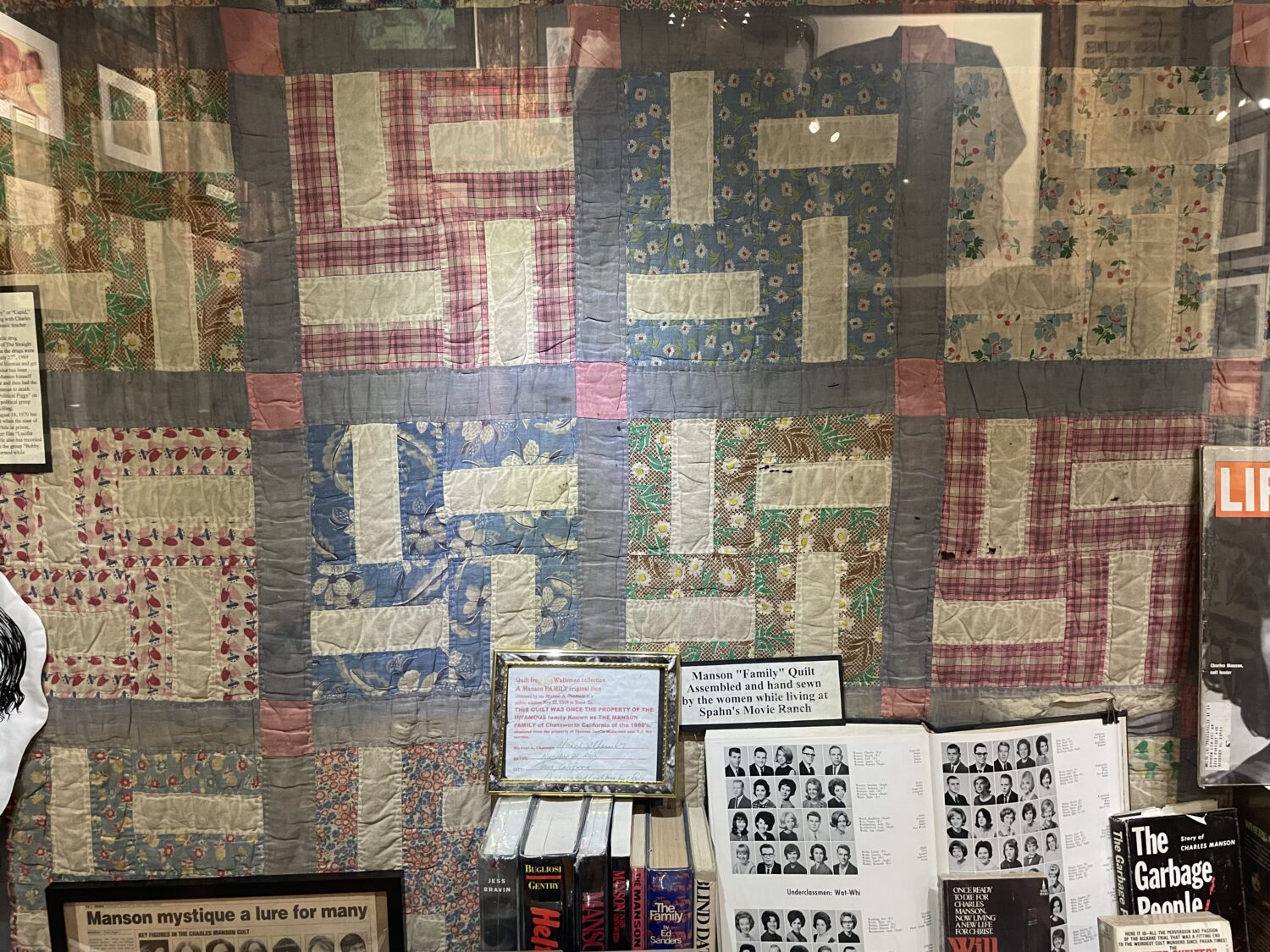
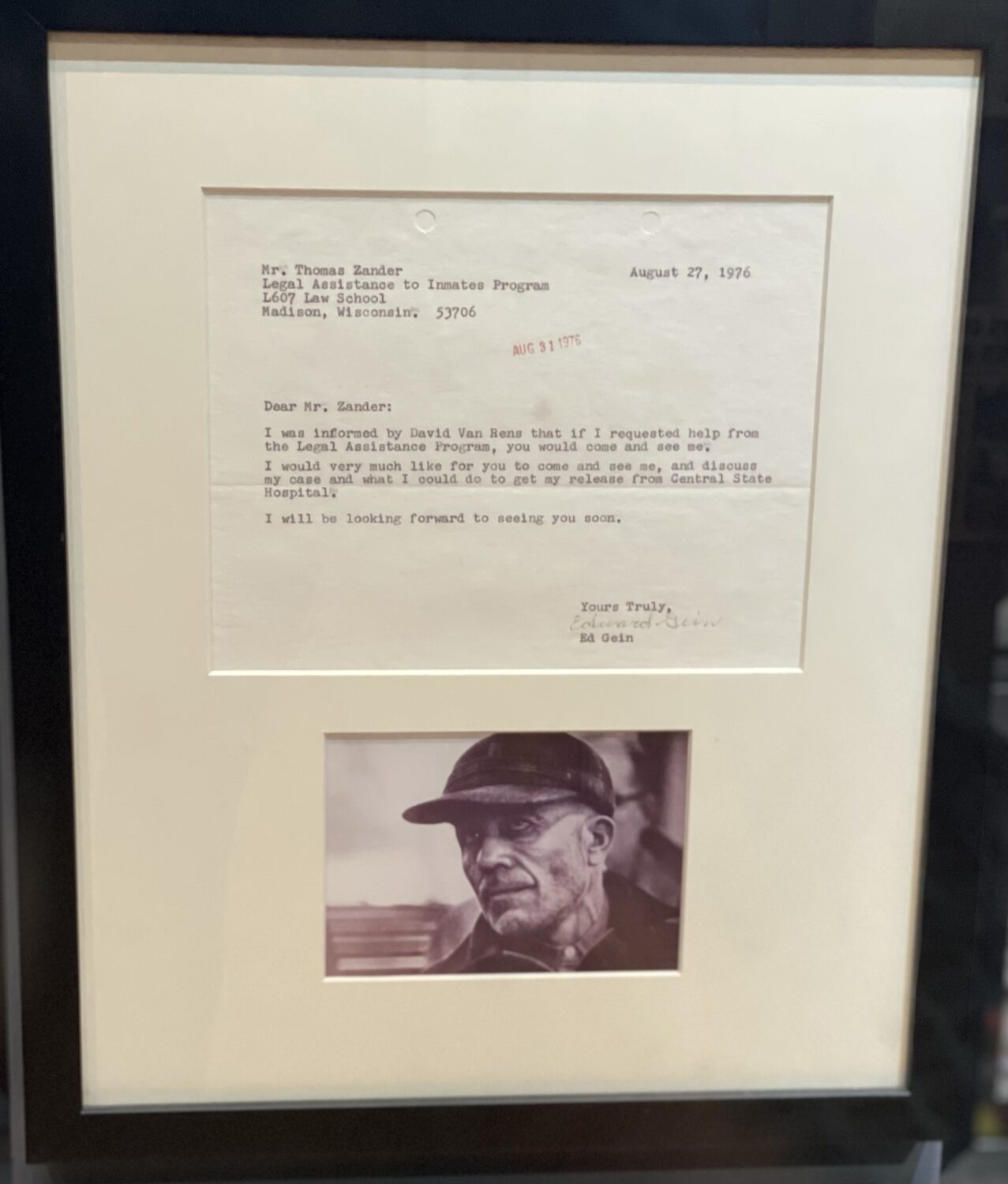
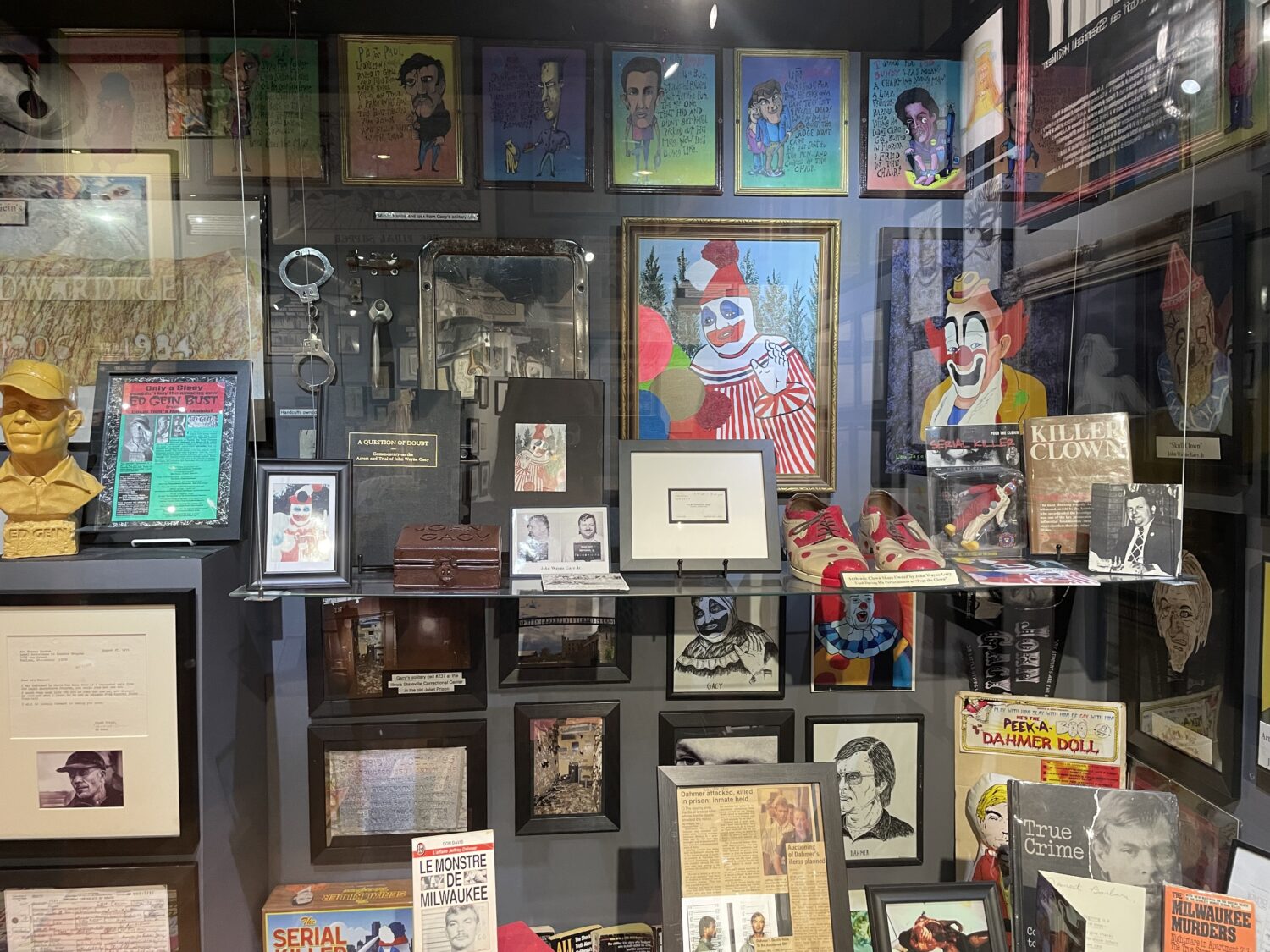
From Ed Gein, the subject of Ryan Murphy’s latest Netflix Monster series (one of Gein’s original letters is in the museum) to original Black Dahlia crime scene photos, the collection includes the authentic clown shoes of serial killer John Wayne Gacy and a room dedicated to Charles Manson that includes his prison shirt, guitar and a quilt made for him by family members.
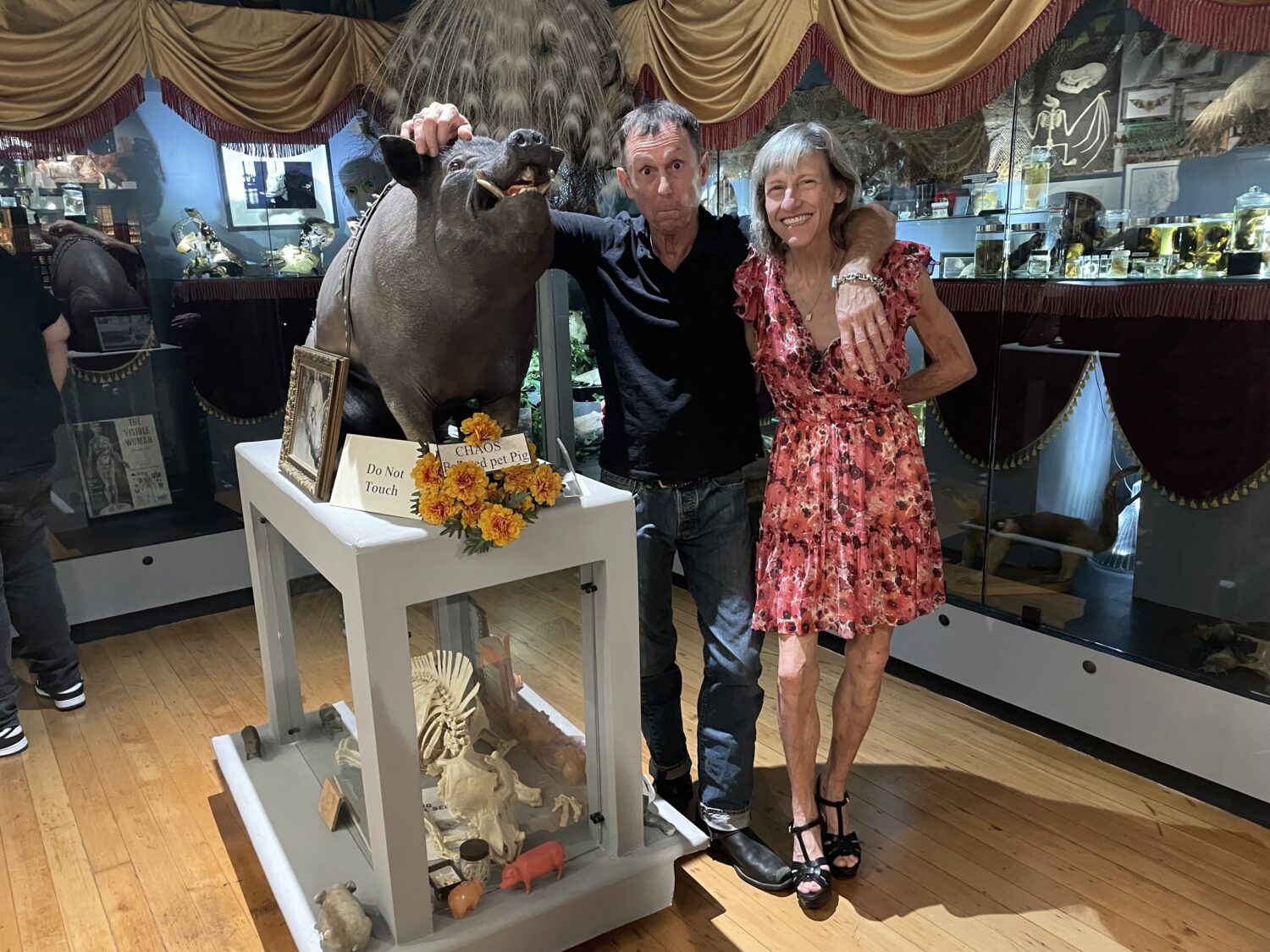
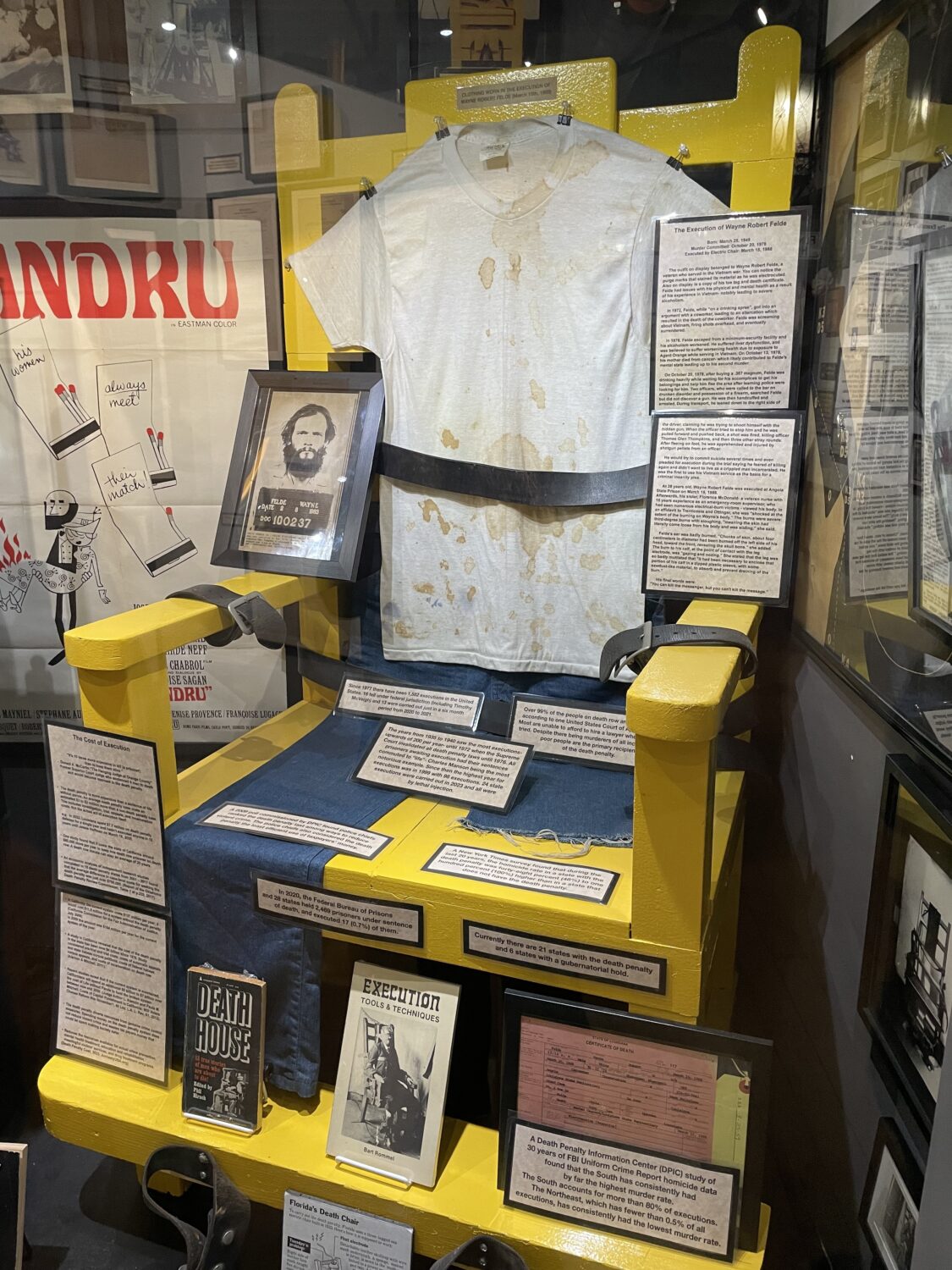
Some of the latest additions to the expanded space inside the historic Moonglow Records and Sound Factory building, which the couple now owns, include taxidermy (their pig Chaos, dog Buddy, and pet two-headed chicken are on display in the specimen room), execution devices, and funeral trade relics from centuries past.
“I was collecting this stuff for a long time, even before we opened the museum,” Healy tells LA Weekly upstairs in an office filled with boxes of stuffed birds and a reliquary with religious relics. “It was one tiny room when we opened, but when we hung up the Museum of Death sign, it became a magnet. The internet had just started, and people started flocking in. I still get stuff every day. This week, we got the world’s longest dachshund’s ashes from a lady who was in Heaven’s Gate. It’s the highlight of the day here to check the mail.”
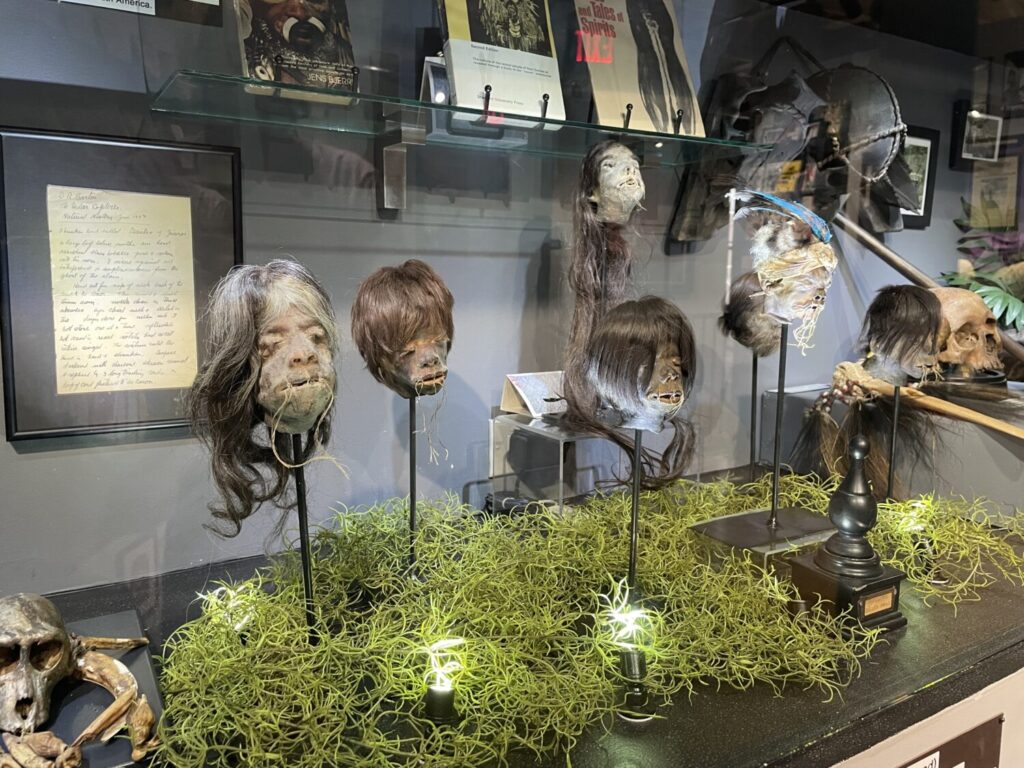
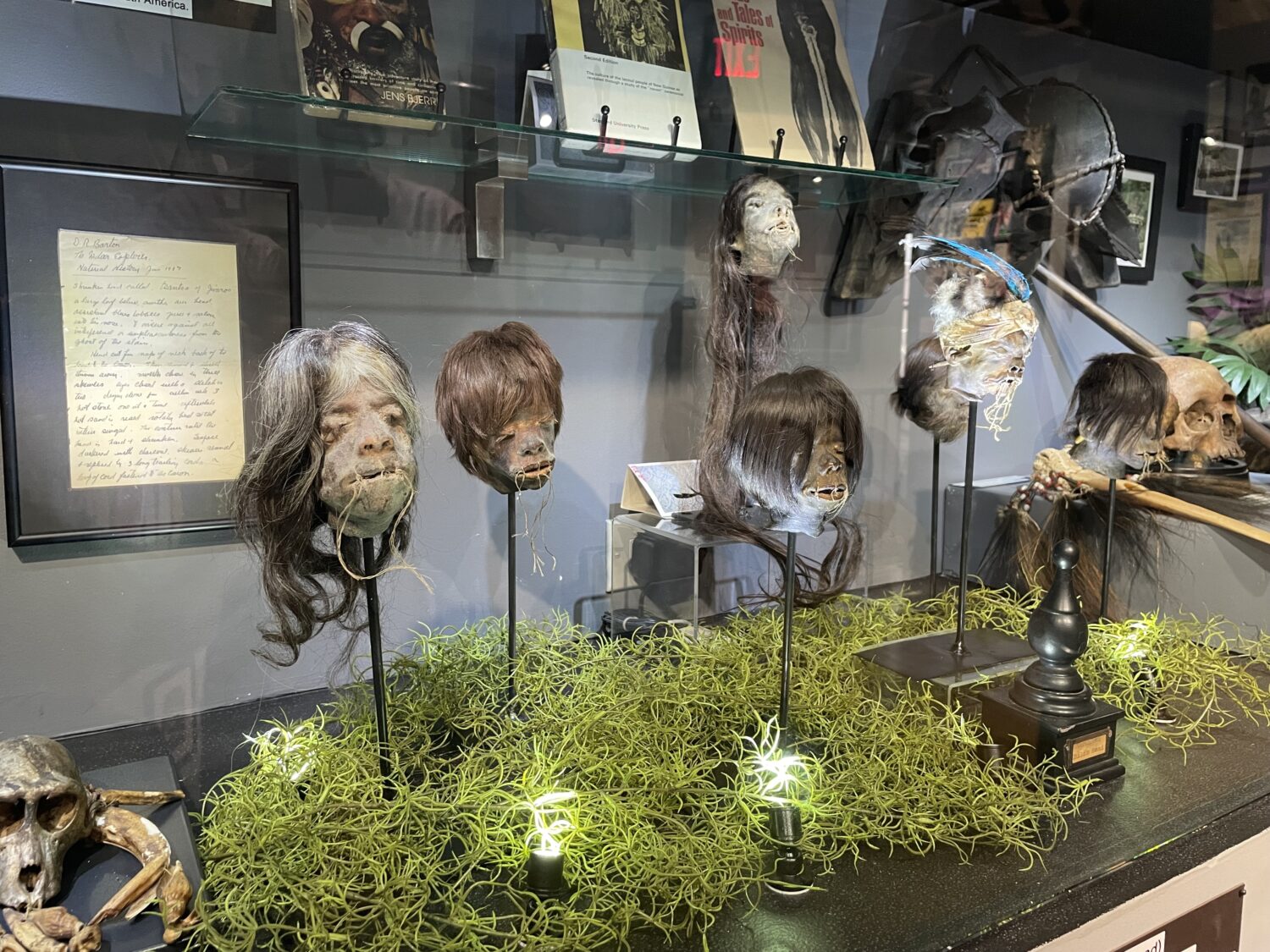
Tsantsa (Michele Stueven)
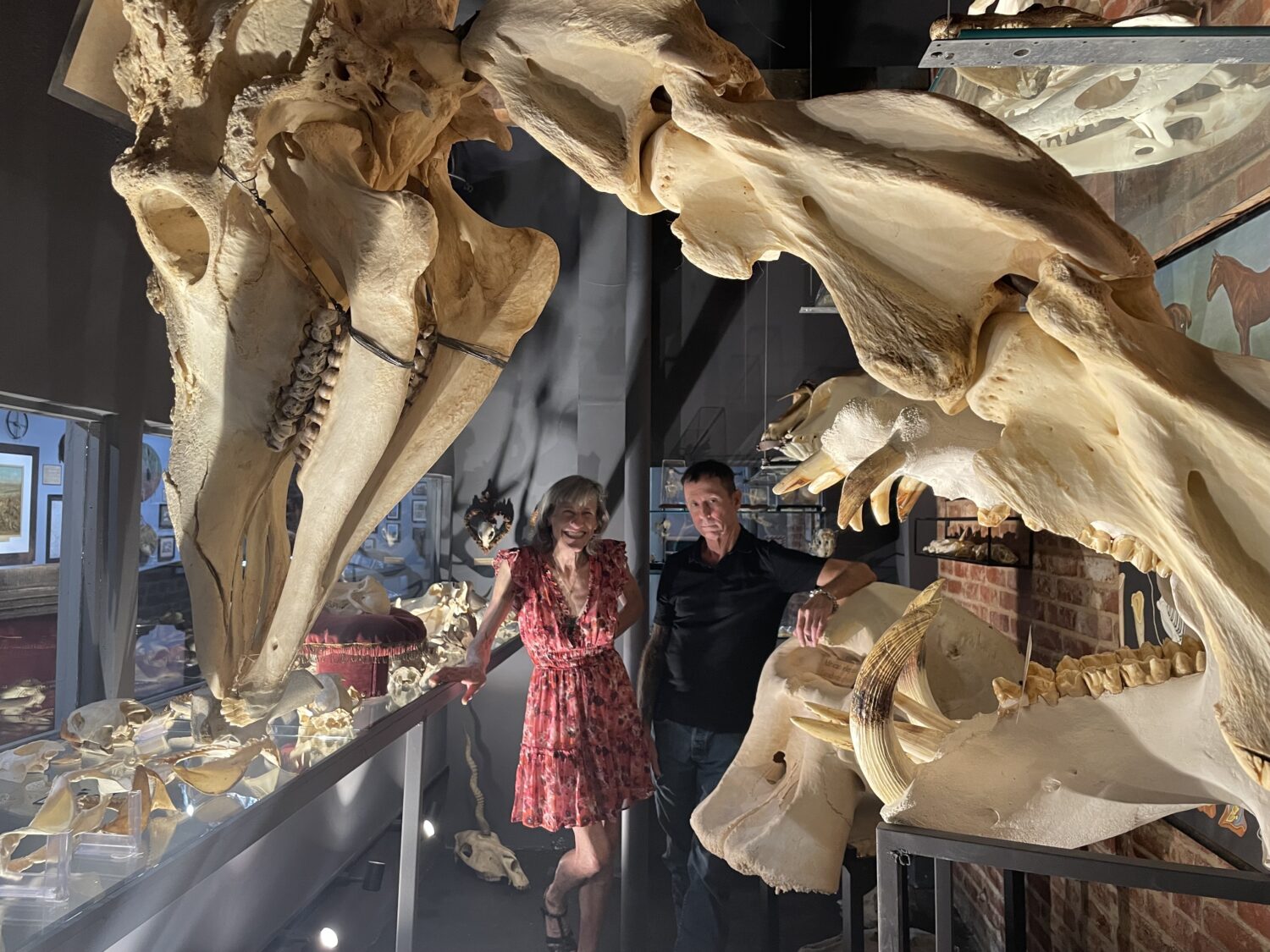
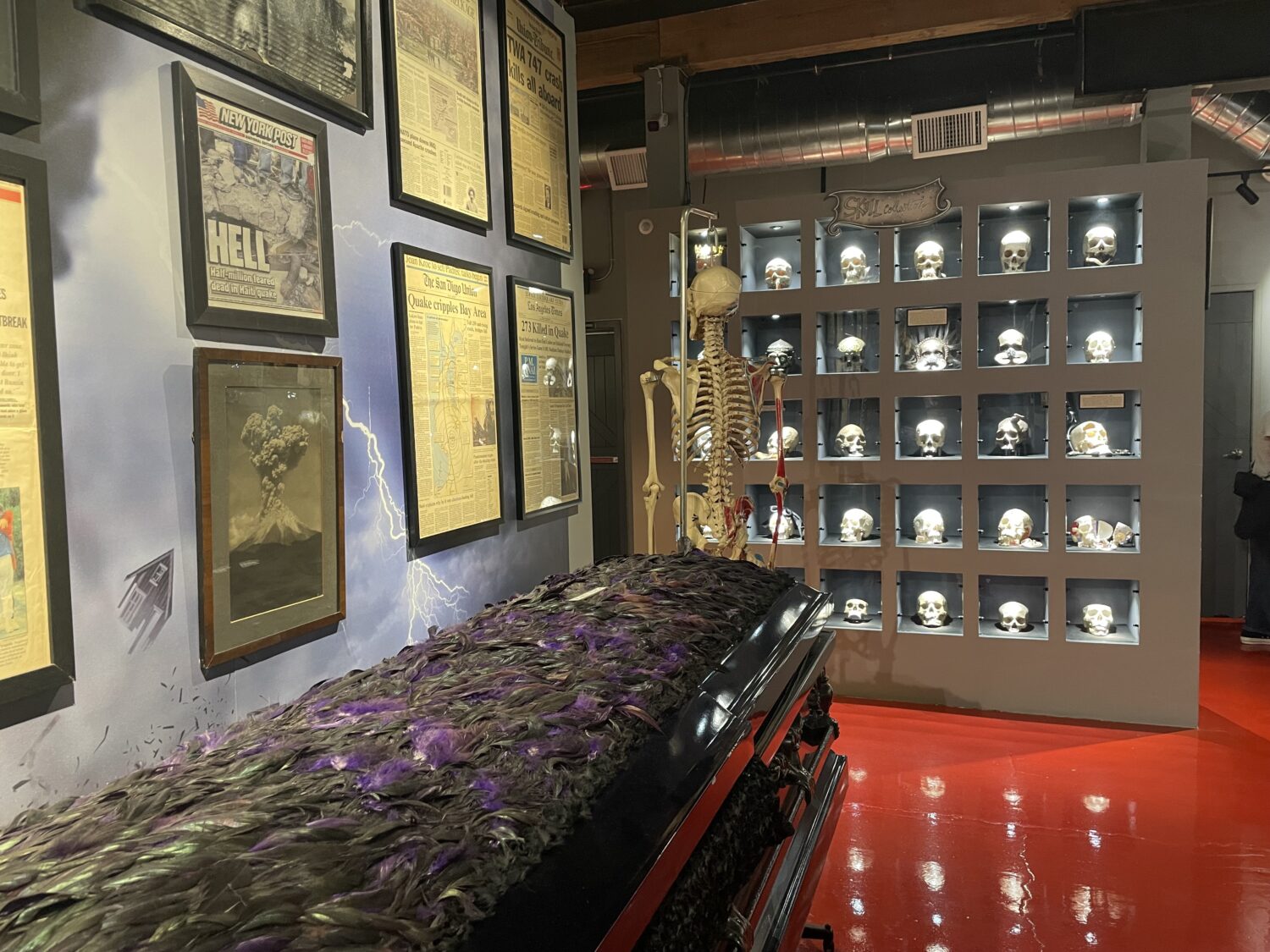
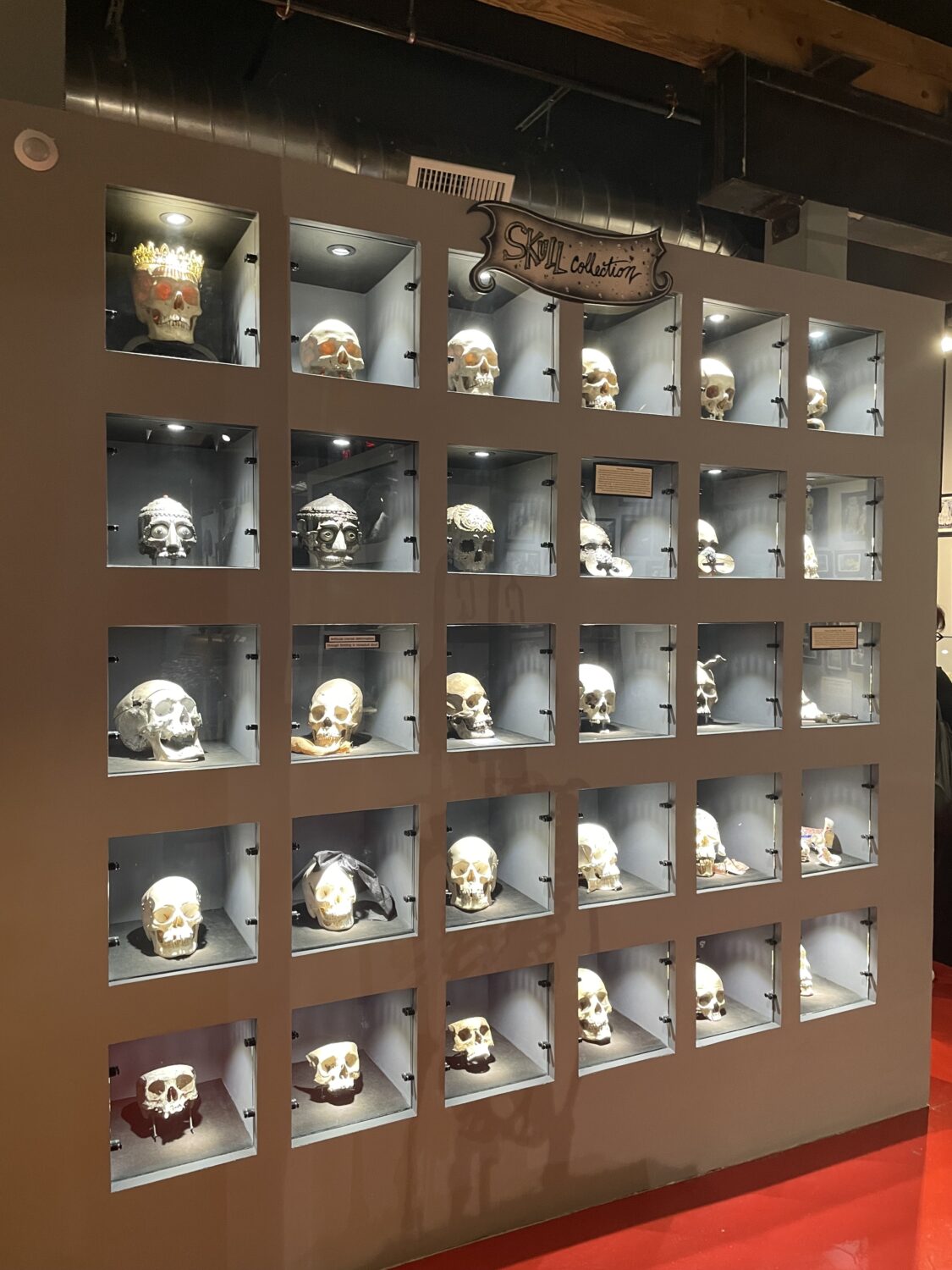
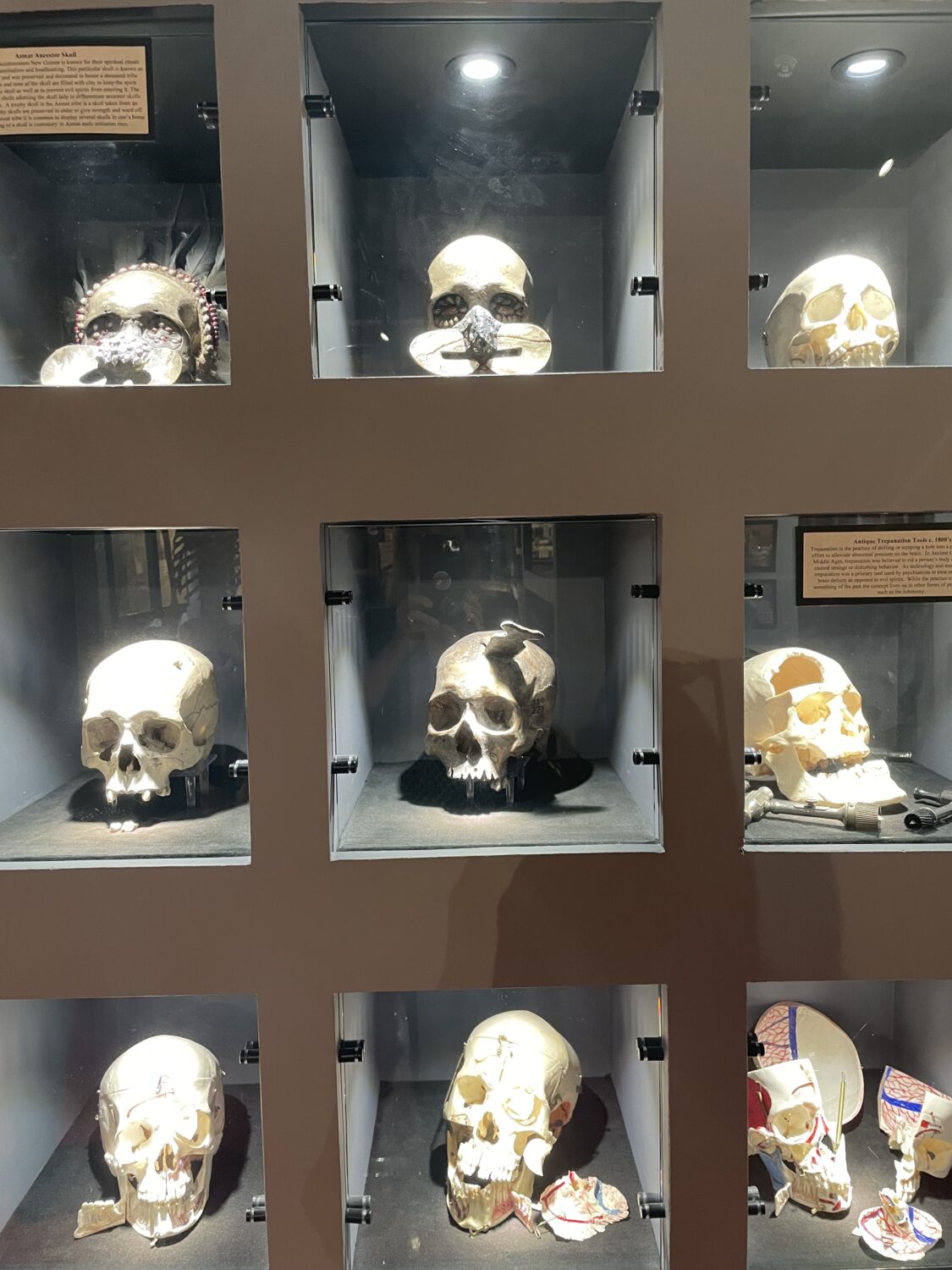
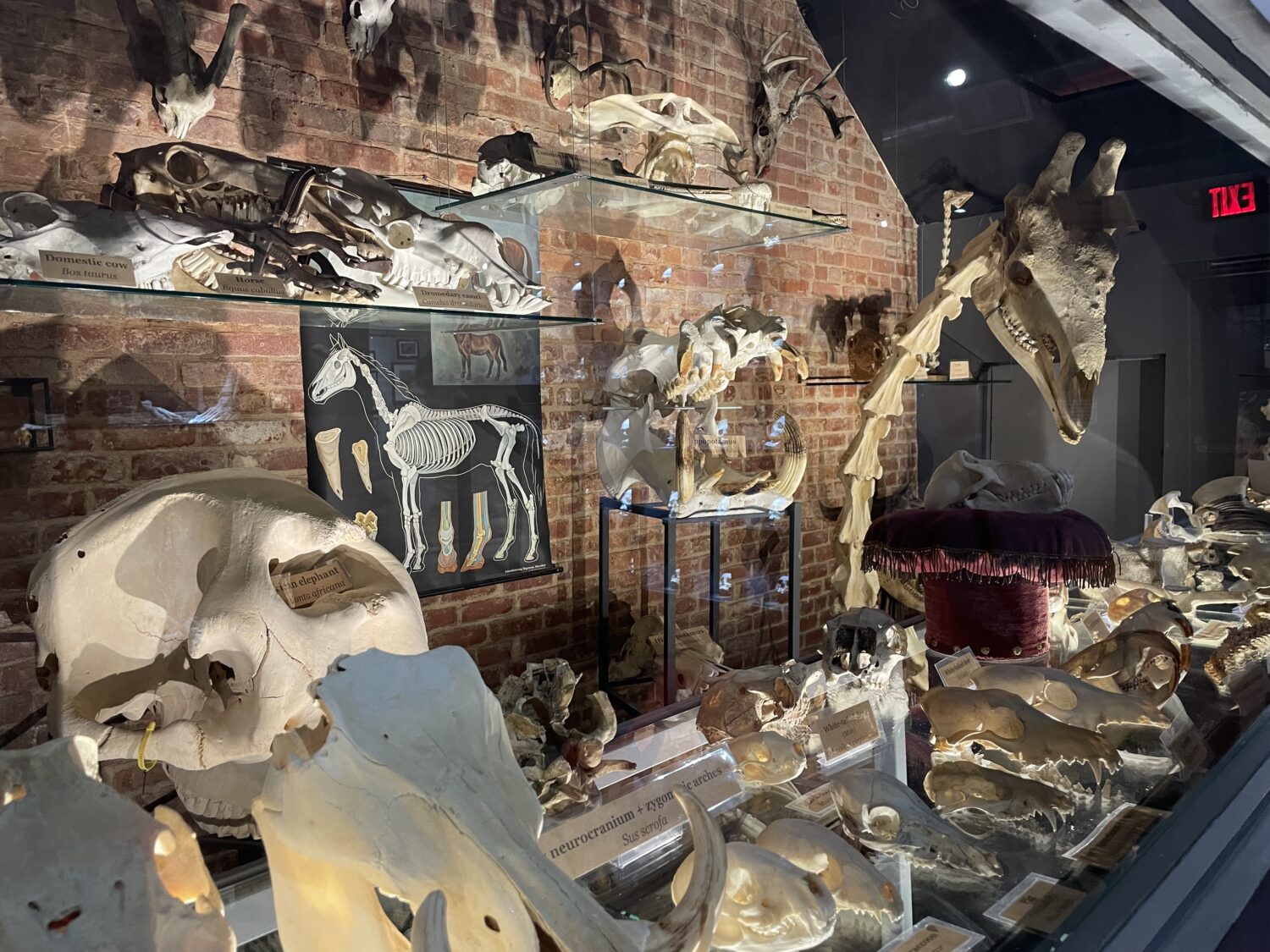
The space is laid out and feels like a museum punctuated by professional Hollywood lighting. In addition to the specimen room (which contains actual tsantsa (shrunken heads used for ceremonial purposes) there’s also the Carnage Corridor that leads to a stunning skull collection from around the world housed in a custom-made display case. In the taxidermy section, you’ll find Candy, Liberace’s beloved cat, a donation from famed satanist Dr. Anton LaVey.
“We were doing this stuff before CSI and were one of the predecessors for that to even happen,” says Healy, who has made enough money from this business that he proudly owns the buildings that house his museums. “We made it palatable. We knew what people wanted. I wanted it. As an artist, I want to hold a mirror up to society, and that’s what the museum is. Don’t take life for granted.”
An endless and eclectic flow of visitors comes in for the daily self-guided tours, which last about 45 minutes and include high school forensics classes, paramedic students, police officers, and firefighters.
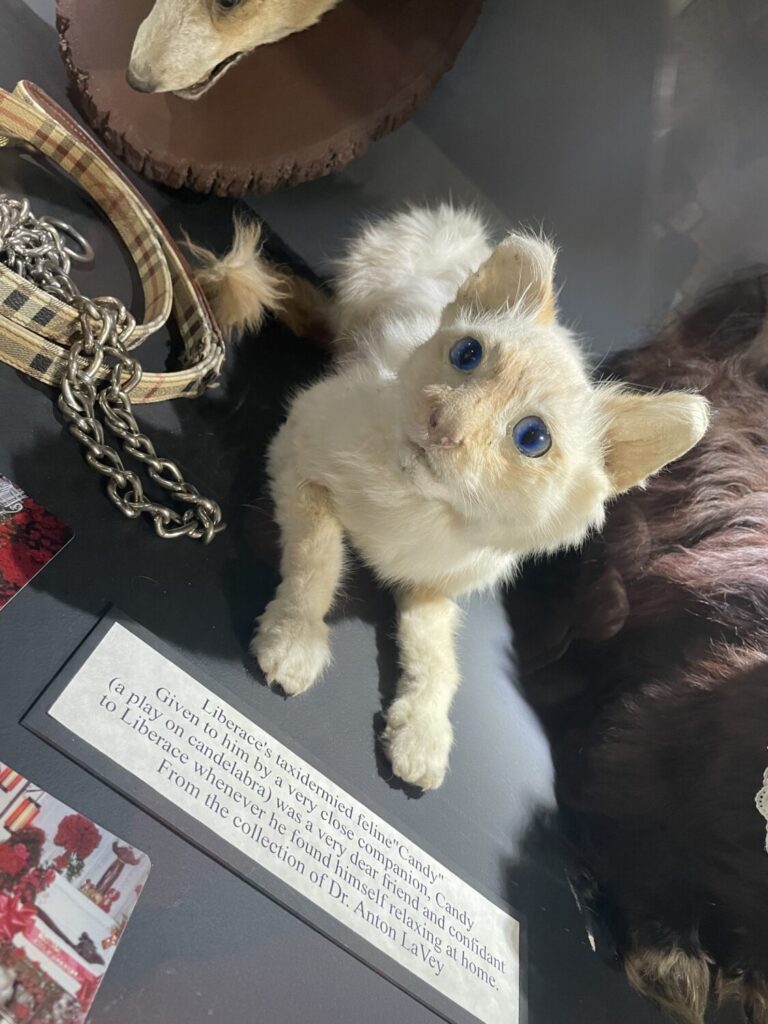
Liberace’s Candy (Michele Stueven)
“When you come in here, you can feel the vibe,” says Healy, who once wore one of the Heaven’s Gate suicide suits to a wedding. “We’ve had people pass out here. That’s some of our best advertising. If you’re not up for it, don’t come in. We get firemen and policemen, and they love us because we show it like it is. People don’t really understand the reality of what their jobs are like.”
The museum is also the forever home for the supposed mummified head of the infamous French serial killer Henri Désiré Landru, a body part that’s been knocking around Hollywood since the 1940s and has been passed around among collectors for years, spending a good part of its afterlife at the old Panpipes Magickal Marketplace around the corner on Cahuenga Blvd. during the 1970s.
The couple of 42 years will be opening a Museum of Death soon in Seattle and maybe a bar called Last Call, a cafe under the name of Food to Die For, and maybe even a boutique hotel.
“Death doesn’t stop, and the fascination with death doesn’t stop,” says Healy, who doesn’t want to dilute the franchise by being politically correct. “It just keeps getting bigger and bigger. That’s the problem with our culture, we don’t talk about death until it’s too late.”
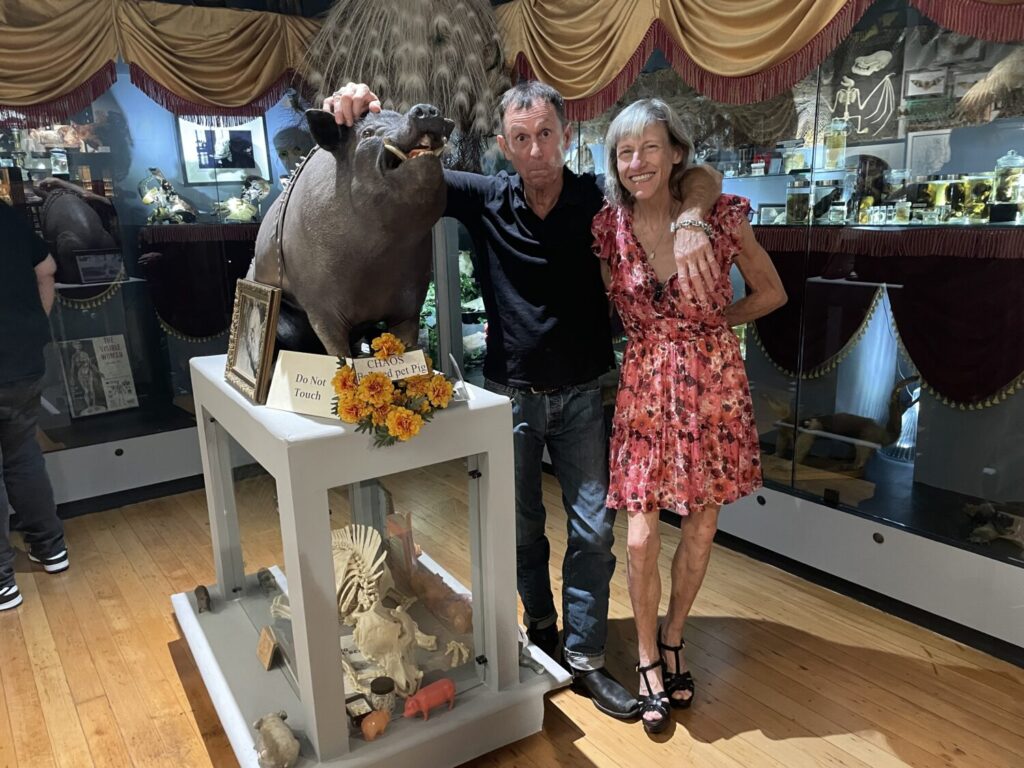
JD Healy, Cathee Shultz and Chaos (Michele Stueven)