
 Michele Stueven
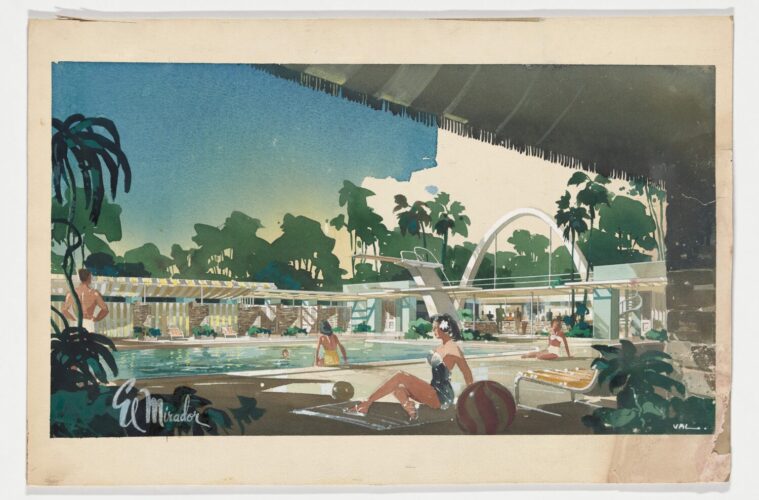
The most prominent Black American architect of his generation, Paul R. Williams helped shape his native Los Angeles during its rapid growth from the 1920s through the early 1970s. Acclaimed as an architect to the stars, he brought his innovation and rigor to stylistically diverse residential, civic, religious, commercial, and hospitality projects that ranged from ambitious public housing to hotels in Southern California, Las Vegas, and Latin America.
LACMA’s exhibition, which opens on Sunday, Nov. 15, will be presented alongside projects at the Getty Research Institute and USC Fisher Museum of Art, marking the largest and most comprehensive museum presentations to date of this influential figure. Paul R. Williams: Architect for Living demonstrates the impressive breadth of Williams’s contributions, showcasing never-before-exhibited drawings and photographs from his archive.
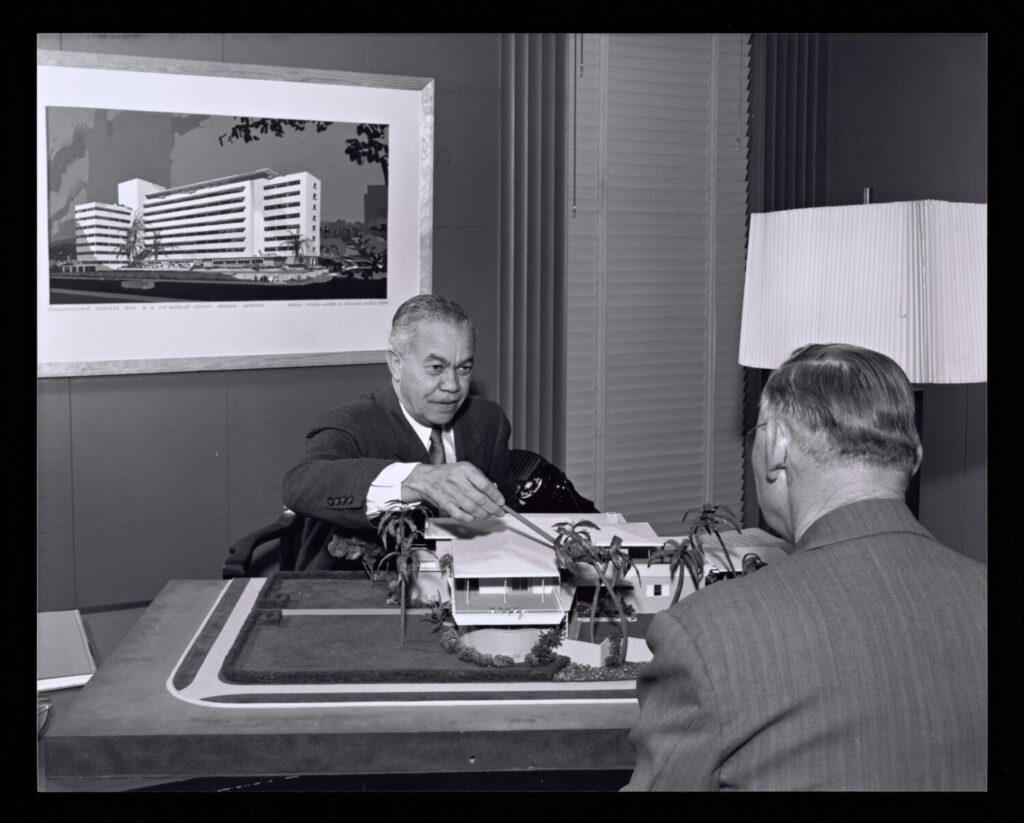
Julius Shulman, Paul R. Williams Portrait
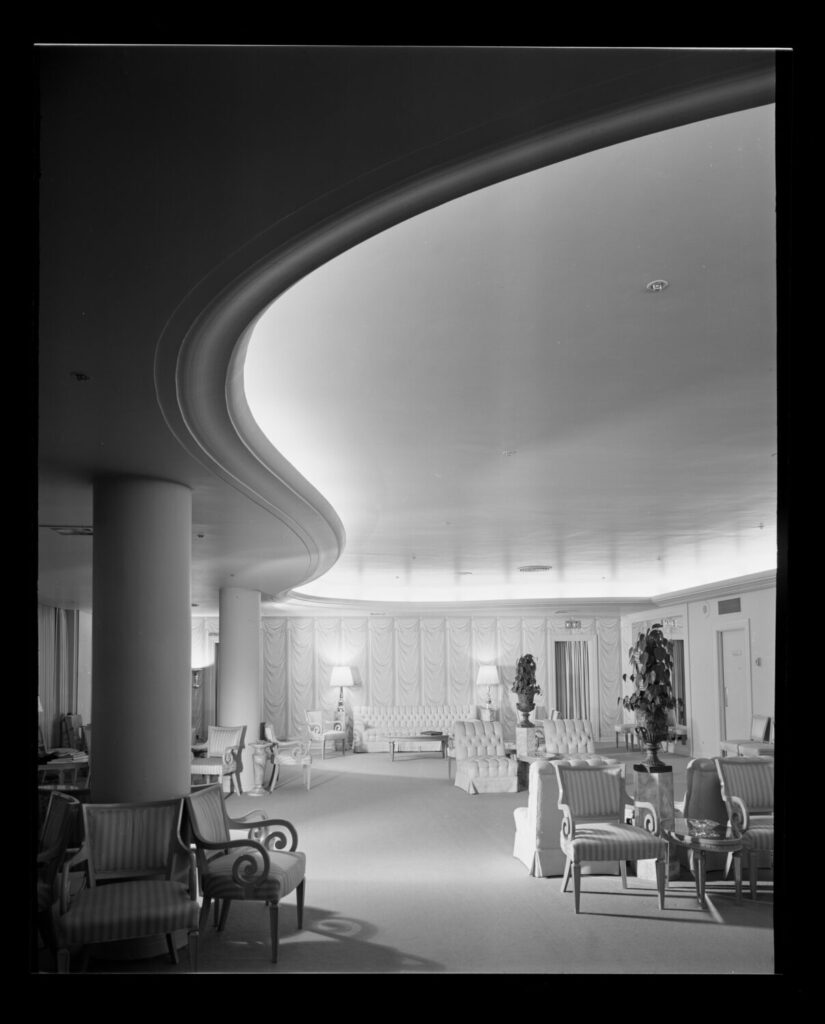
Saks Fifth Avenue, Beverly Hills, photograph by Maynard Parker
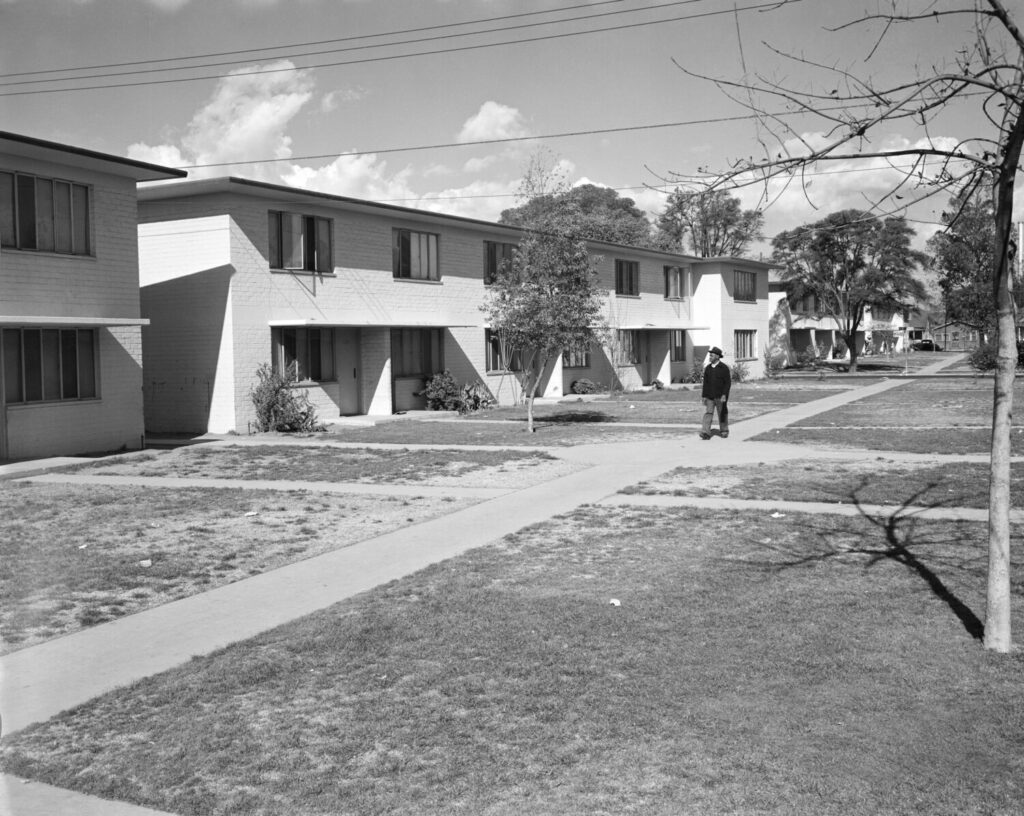
Pueblo del Rio Housing Project (Los Angeles [Central-Alameda], California), 1940 (Courtesy LACMA)
Where the Quiet Things Are is a new solo exhibition by acclaimed Japanese artist Mayuka Yamamoto, which brings together evocative oil paintings of children inhabiting animal forms, quiet, enigmatic figures who exist somewhere between innocence and instinct, vulnerability and protection, reality and imagination.
Under My Spell is a new solo exhibition by internationally acclaimed Sammarinese artist and illustrator Nicoletta Ceccoli, presenting a new body of work at the intersection of illustration, animation, and fine art that explores desire, fear, emotional dependency, identity, and the fragile boundary between enchantment and captivity.
Intimacy in a Time of Monsters will debut Friday, October 30th, in Gallery 2 at Corey Helford Gallery, alongside solo shows by Mayuka Yamamoto, titled Where the Quiet Things Are in the Main Gallery, and Nicoletta Ceccoli, titled Under My Spell in Gallery 3.
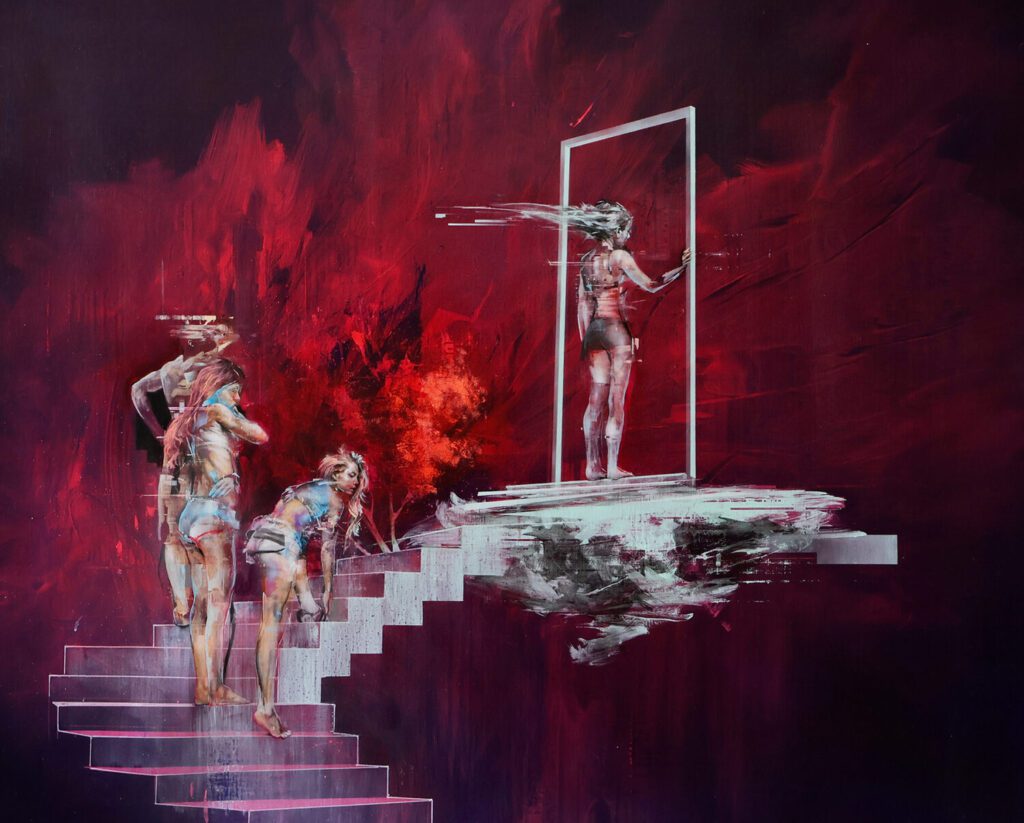
Ian Francis – High Above Everything, a Portal Appears (Courtesy Corey Helford Gallery)
The Mob Museum, the National Museum of Organized Crime and Law Enforcement in Las Vegas, will feature a new exhibit examining the still-unsolved murder of one of the most notorious crime figures in American history: mobster Benjamin “Bugsy” Siegel.
What Bugsy Left Behind opens on Friday, Nov. 13, with a never-before-seen collection of Siegel’s personal effects, held by the Beverly Hills Police Department as evidence for nearly 80 years, and will offer an intimate glimpse into Siegel’s final day. Highlights include:
- Meyer Lansky’s business card: A business card identifying Siegel’s longtime friend and criminal associate as a Wurlitzer phonograph distributor in New York, reflecting Lansky’s involvement in legitimate, cash-based businesses that offered opportunities to conceal illicit activities.
- Photograph of Virginia Hill: A wallet-sized photograph of Siegel’s on-again, off-again girlfriend bearing the handwritten message, “Sweetheart Benny I love you Pup,” on the back.
- Nevada certificate of vehicle ownership: Issued less than two months before Siegel’s death, the document identifies him as the owner of a 1946 Chrysler Windsor convertible coupe and lists the Flamingo Hotel as his address.
- Social Security card: Siegel’s Social Security card lists the Flamingo Hotel as his address and identifies him by his preferred name, “Ben Siegel.”
- Jack’s at the Beach advertisement: A promotional item from the Santa Monica restaurant Siegel visited with several companions, including Hill’s brother Charles “Chick” Hill, just hours before his murder.
- Photographs of Siegel’s daughters: Personal photographs of Barbara and Millicent Siegel, including childhood portraits with affectionate handwritten messages and a photograph of the sisters as teenagers shortly before their father’s death.
- 1947 American Red Cross membership card: A certificate documenting Siegel’s $500 donation to the American National Red Cross in Las Vegas.
- Automobile Club of Southern California membership card: Siegel’s automobile association membership card, which lists the Flamingo Hotel as his address.
- Handwritten address note: A note containing information about the house where Siegel was killed. Hill rented the home at 810 North Linden Drive from her friend and former Hollywood agent Juan Romero.
- Personal calling cards: Printed cards bearing the names “Ben Siegel” and “Mr. Benjamin Siegel,” reflecting the social customs of the era.
- The Dixie Shops business card: A business card bearing Siegel’s name, for the national chain of women’s apparel stores. It’s unknown why Siegel would have had a business card for this store, but mobsters often used legal businesses to appear legitimate.
- Yellow Cab Company receipt: A faded receipt for a 50-cent taxi fare in Los Angeles from January 1947, when Siegel frequently traveled between Southern California and Las Vegas.
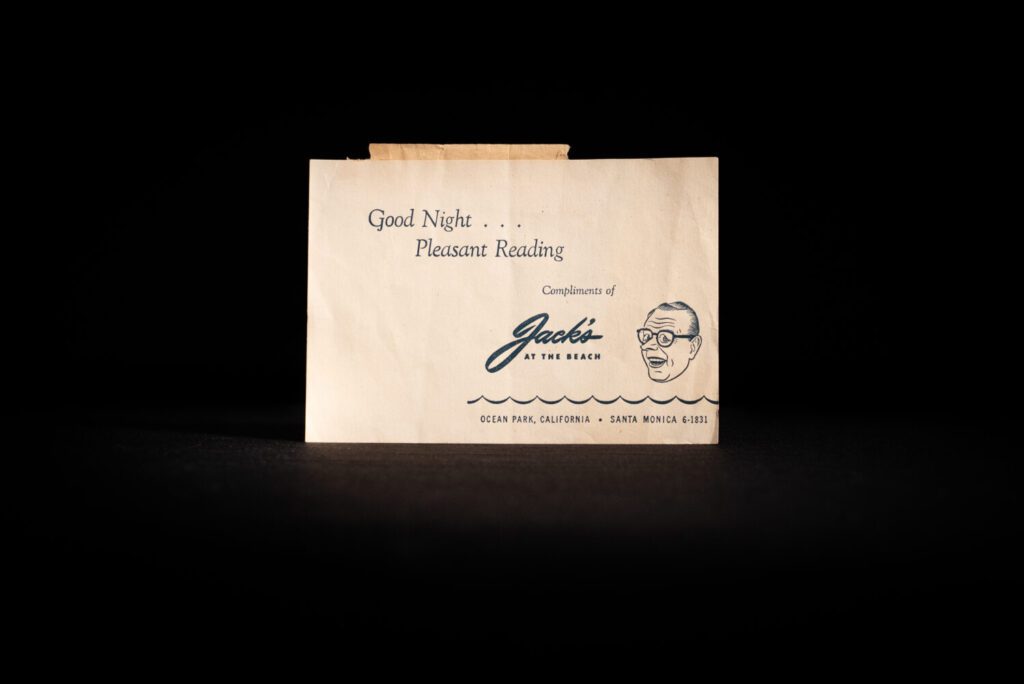
Courtesy Mob Museum
“For decades, these belongings were preserved as evidence in an unsolved murder investigation,” Vice President of Research, Collections and Programs Geoff Schumacher said in a press release. “Now, they’ll serve an entirely different purpose by helping us educate the public about one of organized crime’s most notorious figures. It’s a rare opportunity to connect a compelling criminal case with the broader history of how organized crime operated and shaped American society.”
The Catalina Museum for Art & History presents Painting Catalina: An Island Through Artists’ Eyes, on view now through Saturday, Dec. 12, 2027. For more than a century, Catalina Island has captivated artists with its rugged shores, rolling hills, and remarkable light. Through their paintings, these artists capture not only the island’s natural beauty, but also the evolving ways its landscape has been seen, experienced, and interpreted over time.
Featuring 35 paintings drawn exclusively from the permanent collection of the Catalina Museum for Art & History, Painting Catalina explores more than a century of artistic perspectives of the island.
The exhibition starts with Frances Lauderbach, an artist and educator whose connection to Catalina began in 1897, when she and her mother settled in Avalon, and evolved into an inspiring relationship that resulted in a collection of paintings of the island, offering an intimate view of Catalina at the turn of the twentieth century. Her paintings presented in this exhibition offer an intimate visual record of the island and the life of an artist deserving of greater recognition.
Also during this time period, Granville Redmond, a leading figure in California Impressionism known for his approach of combining the color and light of Impressionism with a sensitivity to atmosphere, mood, and the natural environment, painted Catalina, Toyon Bay, c.1901, which showcases Catalina as part of the larger story of California Impressionism.
The exhibition concludes with seven contemporary artists whose paintings reflect the vitality of contemporary landscape painting. Their work brings distinctive interpretations of familiar places while continuing an artistic legacy that began more than a century ago.