
 Will Jones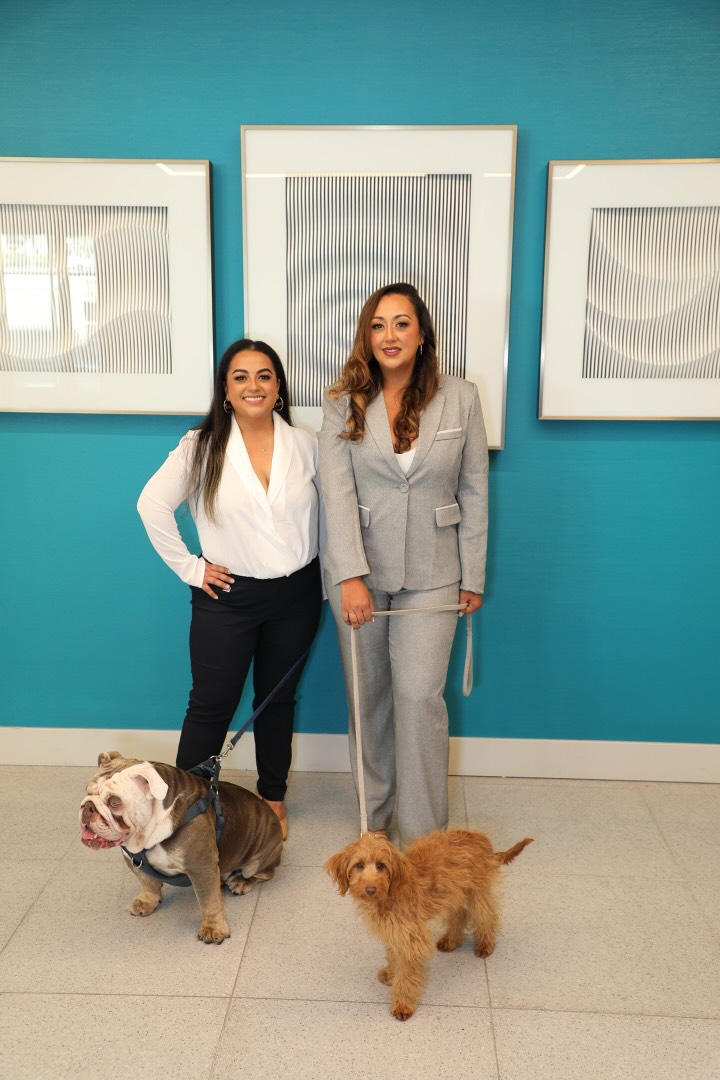
Anndrea Gutierrez & Torina Yamada
Pets appear to be taking on a more prominent role in household life across North America, influencing decisions that extend beyond everyday companionship. Changing family structures, growing attention to emotional well-being, and the role animals can play in providing companionship may all be contributing to this cultural shift. As more people organize their routines around their pets, expectations for the services and environments available to them may also be evolving. Pet care can increasingly involve considerations around convenience, individual needs, housing, and the broader experience of living with an animal.
Recent research offers some perspective on this changing landscape. The American Pet Products Association’s 2026 U.S. Pet Industry Trends & Forecast reports that U.S. pet industry expenditures reached $158 billion in 2025, while pet ownership remained at approximately 95 million households.
The report also found that dog ownership rose to 53% of U.S. households in 2025. A separate 2026 survey commissioned by Spot Pet Insurance and reported by Yahoo Finance found that 58% of respondents gave their pet’s needs equal weight to their own when selecting their current home, while 34% said they had modified their home’s layout or architecture to accommodate a pet. These findings may point to a consumer landscape in which pet-related considerations increasingly enter decisions about spending, housing, and daily life.
For Torina Yamada, owner of Balanced Dog, a pet grooming and care company, this shift became tangible during a period of personal transition. While searching for an apartment, Yamada encountered properties described as pet-friendly that offered relatively few practical amenities for residents with animals.
The experience prompted her to consider a distinction that has since become central to her business perspective: allowing pets into a property can represent one level of accommodation, while designing services around the realities of pet ownership can represent another.
“Pet-friendly means your pet is allowed. Pet-integrated means your pet actually belongs,” Yamada says. “It’s designed around how they live and what the whole family needs.”
That distinction can help explain the difference between a pet-friendly and pet-integrated facility. A pet-friendly property may permit animals, sometimes with additional fees, while a pet-integrated environment can incorporate services and operational support into the resident experience.
Yamada’s original concept was to bring grooming directly into residential communities, allowing residents to access care without arranging a separate trip. Balanced Dog initially operated through a mobile trailer, with concierge pickup and drop-off from residents’ apartments, before expanding into a physical storefront while continuing other location-based services. Its offerings include one-on-one grooming, waiting rooms, cat grooming, grooming rehabilitation, and concierge transportation.
The distinction also extends into the type of care provided. Anndrea Gutierrez, Co-Founder & CFO, shares a growing interest in individualized services for dogs with anxiety, particular sensitivities, or previous difficulty with grooming. For these animals, familiarity with their triggers and behavior may influence how the grooming experience is managed. Her perspective reflects a broader idea that personalization can involve more than selecting a service from a menu; it can involve understanding the particular animal receiving that service.
“Every pet arrives with its own story,” Gutierrez says. “Our job is to listen to it and learn what makes that pet feel at home, because the family is trusting us with someone they love.”
That philosophy also informs how Balanced Dog engages with its surrounding communities. Yamada describes the company’s work of partnering with veterinarians, shelters, rescues, and referral networks for affordable care as part of a broader support system. The company also hosts community events and provides pet-care resources to non-clients.
Community can therefore become an extension of the physical facility. Events, local partnerships, educational resources, and access to specialists can give residents opportunities to connect around a shared aspect of household life. For property operators, those services may also provide practical resources that can be incorporated into resident communications and community programming. Balanced Dog’s residential partnerships illustrate how pet care can function as a service within a broader living environment, with the company also addressing pet-related questions and organizing events for residents.
Yamada sees that community dimension as important to the experience she is trying to create. “A grooming appointment can take care of the immediate need,” she remarks. “The larger opportunity is creating a place where people can find information, meet others who understand their experience, and discover resources that may help their pets.”
According to Yamada & Gutierrez, Balanced Dog has since expanded from its original residential model into storefront and mobile operations. She is exploring additional markets while continuing to develop its presence in Los Angeles.
Ultimately, Balanced Dog’s evolution provides one example of how pet services may adapt as expectations around pet ownership continue to develop. As pets become increasingly incorporated into decisions about housing, household spending, and daily routines, the idea of a pet-integrated environment may offer another framework for considering how residential communities and service providers can respond to the people and animals who use them.