
 Will Jones

Written by and leading the cast of Disolution, Dip Patel plays a man facing death who must confront a question with no easy answer: how much suffering can one person justify to save his own life? Directed by Kevin Van Stevenson, the film follows Rajan, a young man diagnosed with acute leukemia who discovers that a possible cure comes with a terrible condition. Patel’s challenge is to make Rajan’s desperation understandable without asking the audience to excuse everything it leads him to consider.
Rajan is not a man with much of a safety net. He works multiple jobs to keep up with his bills, has few people to turn to and is forced to reckon with a future that may be considerably shorter than he expected. When he runs into Sophie (Marie Tiberi), a former college sweetheart who is now married to Trend (Ja’Mir Fletcher), their reunion opens a door into a life Rajan might once have imagined for himself. But Sophie’s marriage is deteriorating, and the possibility of a supernatural cure soon complicates an already messy situation.
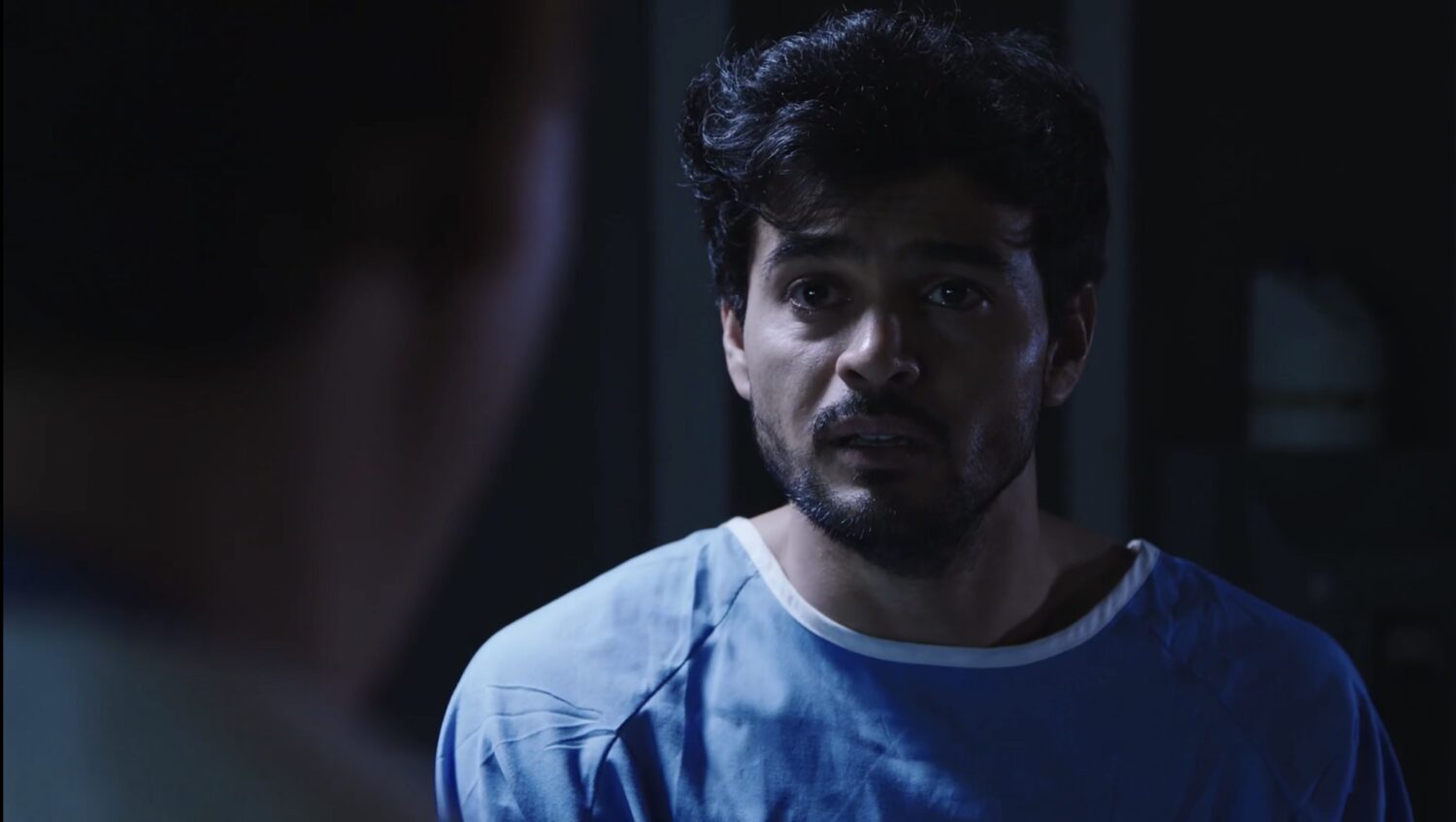
The premise could easily tip into melodrama. Patel largely avoids that trap in his performance. He reportedly spent several months studying the physical symptoms of cancer before filming, a preparation that matters for a role in which illness is always present but shouldn’t be the only thing the audience sees. Rajan still has to work, talk to people and navigate the awkwardness of reconnecting with someone from his past. Life doesn’t stop being ordinary just because its end has become frighteningly visible.
Patel plays him with relatively little fuss. He doesn’t turn every conversation into a declaration of suffering, and he leaves room for Rajan to be uncomfortable, affectionate and unsure of himself. That restraint is particularly useful in the scenes with Sophie. Their relationship has history, but history alone doesn’t make a reunion romantic. Patel allows some awkwardness to remain between them, which makes their renewed closeness easier to believe.
There is a practical reason that choice works. Rajan has more to lose than his life expectancy. Sophie offers companionship at a point when he has very little of it, and the prospect of a future with her gives the idea of a cure an emotional pull. Without that connection, the film’s supernatural turn would be little more than a plot device. Patel gives the decision a personal cost before the story introduces its moral one.
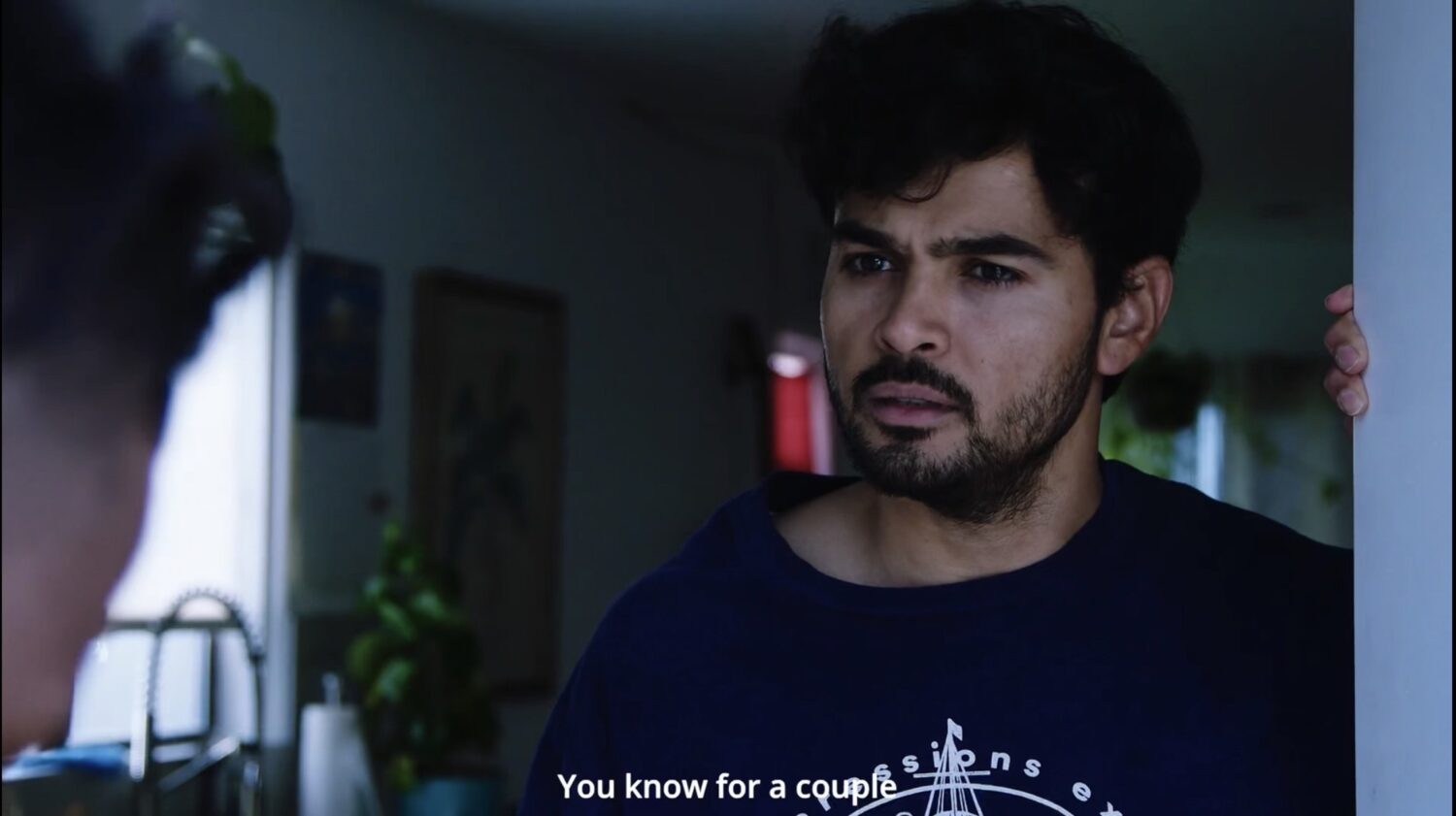
As the film’s lead, Patel gives that dilemma its weight. Sophie persuades Rajan to consult an elderly shaman who may be able to cure him, but the proposed remedy involves transferring his illness to someone else. The question is ugly by design. Would a person who has been dealt an unfair hand be justified in passing that suffering along? And does love change the answer, or merely make the decision harder to resist?
Disolution is more romantic drama than full-blooded horror for much of its 84-minute runtime. The supernatural elements become more prominent in the final third, so viewers expecting sustained scares may find the film has taken a different route. Its interest lies less in frightening the audience than in watching its characters approach a choice they cannot easily undo. Whether that balance works will depend partly on what viewers expect from the genre.
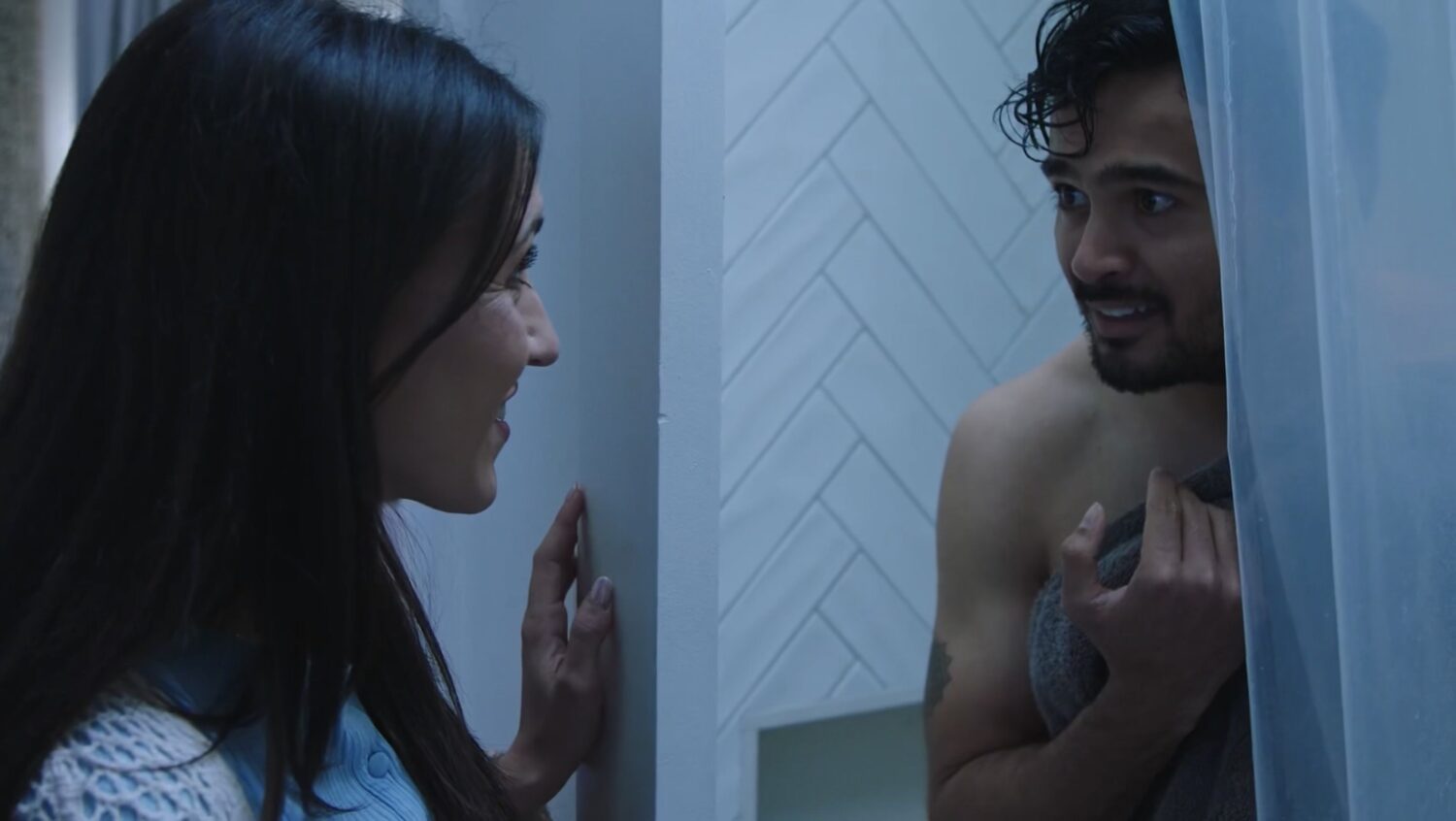
Dip Patel and Stevenson had time to develop the story before production. The two met while working on Guardian Angel, collaborated again on Short Fuse, and spent close to a year discussing Disolution. The film went on to screen at the Golden State Film Festival, including a 2026 screening at TCL Chinese 6 Theatres in Hollywood, and the Marina del Rey Film Festival. It is now streaming on Amazon Prime.
Patel’s next feature, Blue Boom, is a different proposition. The thriller, which brings romance and dance into the mix, is being shot entirely in Los Angeles. Dip Patel stars alongside Harsh Kumar Shakti and Sachi Mey, with Sooraj Ohri and Jake Rasmussen also among the cast.
It is too early to know what the new film will reveal about Patel’s range. Disolution, though, shows what he can do when a role calls for restraint rather than display. As Rajan, he makes the desire to survive feel entirely human. The harder question, which he helped put on the page, is what that desire permits a person to do.