
 Will Jones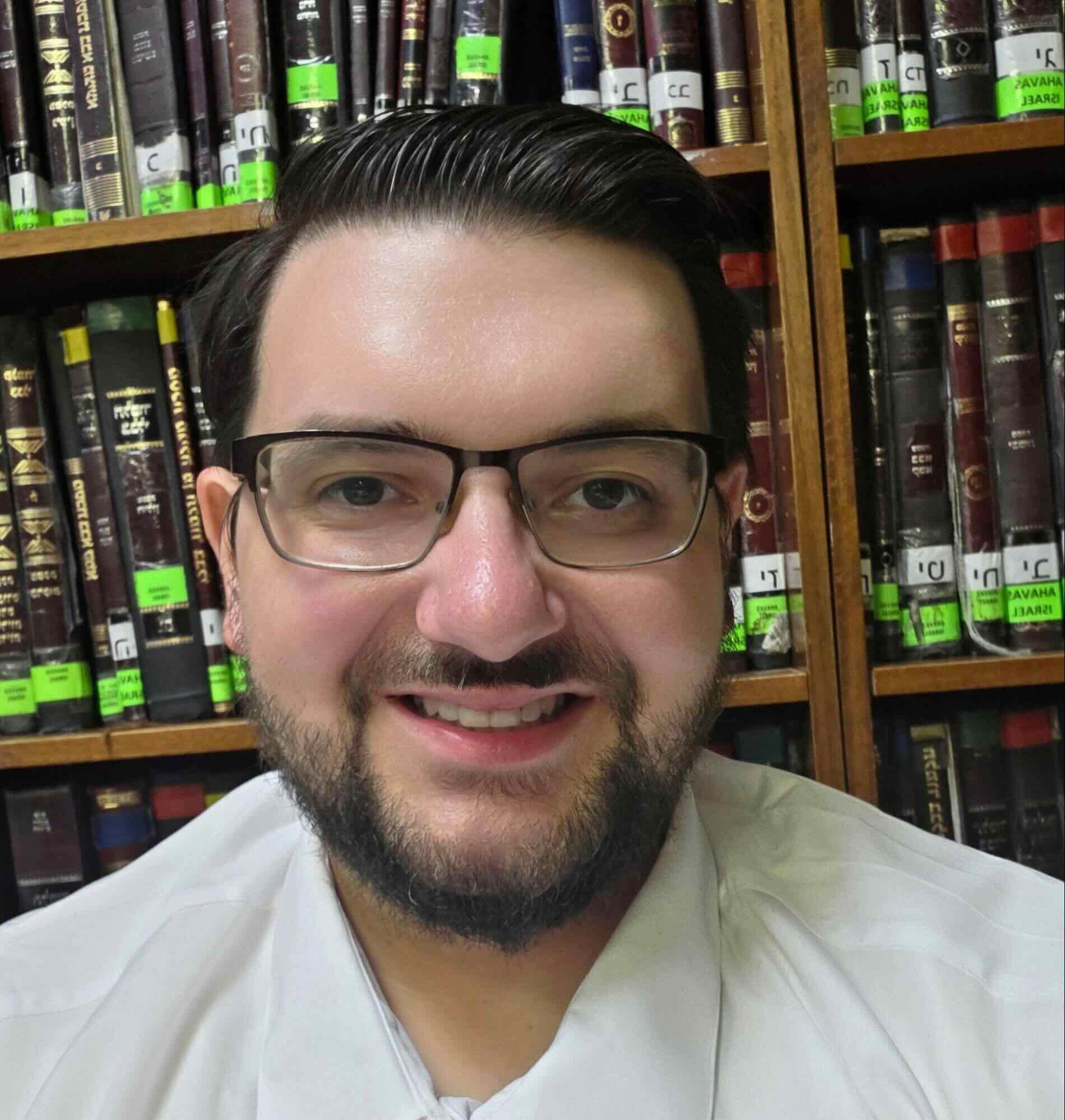
Rabbi Daniel Sayani
On Oct. 4, 2020, Shore Parkway Jewish Center in Brooklyn was vandalized in an incident that left its members shaken. According to ABC7 Eyewitness News, neighbors reported hearing antisemitic slurs before police arrested a suspect, who was charged with burglary and criminal mischief as hate crimes. Windows were broken, and property inside the synagogue was damaged.
For Rabbi Daniel Sayani, who was serving the congregation at the time, the immediate task was to help people process what had happened while ensuring that the synagogue remained a place where members felt safe coming together. The damage was tangible, but so was the emotional effect on a congregation that included older members with firsthand memories of earlier eras of antisemitism.
“In the first hours afterward, people were understandably frightened,” Sayani said. “They wanted to know whether the building was secure and whether it was safe to return. Our responsibility was to respond clearly, calmly and with care for every person who was affected.”
Sayani worked with congregational leaders and law enforcement as the synagogue assessed the damage and reviewed security procedures. The immediate response included increased attention to cameras, building access, exterior lighting and communication with local authorities.
Refusing to Retreat
The practical questions were urgent, but Sayani believed the congregation also had to decide how it would respond publicly. A synagogue that closes itself off entirely after an attack may feel safer in the short term, but it can also become more isolated from the neighborhood around it.
Sayani encouraged members to remain engaged with the broader Brooklyn community. He continued speaking with local residents, civic leaders and representatives of nearby faith communities. The goal was not to minimize what had happened, but to make clear that Shore Parkway Jewish Center would not be defined solely by the attack.
“We had to protect our members, but we also had to resist the temptation to withdraw,” Sayani said. “A house of worship cannot be reduced to a building that people are afraid to enter. It has to remain a place where people find support, learning and human connection.”
The response drew support from outside the congregation. A fundraising campaign created after the vandalism brought in nearly $10,000 from 73 donors in two days, according to the Brooklyn Reporter. The rapid support reflected a wider recognition that attacks on houses of worship affect more than a single religious community.brooklynreporter
For Sayani, the donations mattered not only because they helped address damage but because they showed that many people in the neighborhood rejected hate and wanted the congregation to recover.
Building Relationships After Crisis
The incident created difficult but important conversations among congregants, neighbors and local officials. Some members spoke about the anxiety of returning to the synagogue after the attack. Parents had to explain what had happened to their children. Older congregants described the pain of seeing antisemitic behavior in a city they considered home.
Sayani said those reactions deserved to be heard rather than rushed past. “People do not recover simply because broken windows are replaced,” he said. “They need room to speak honestly about fear and anger. They also need to know that they are not alone.”
He helped foster discussions that included people beyond the synagogue’s membership. Local leaders and neighbors who had not previously had a close relationship with the congregation came forward to express support. Those encounters opened the door to longer-term cooperation around public safety, mutual aid and community events.
The work was practical as much as symbolic. Relationships with police liaisons helped improve communication about security concerns. Connections with other clergy and civic groups created a wider network of people who could respond quickly when community members needed support or information.
Security and Openness
For houses of worship, security measures can pose a difficult challenge. Stronger protocols are necessary when threats arise, yet leaders must also maintain an environment that feels welcoming rather than fearful. Sayani said that balance requires continual attention.
The congregation reviewed its emergency procedures and encouraged members to report suspicious activity. It also strengthened coordination with surrounding institutions. At the same time, Sayani emphasized that security should support community life, not overwhelm it.
“People should feel that their synagogue takes safety seriously,” he said. “But they should also feel that they are entering a place of warmth. The two goals are not in conflict when they are handled thoughtfully.”
That approach shaped the synagogue’s ongoing work. Programs continued. Members returned. The building remained a gathering place for services, study and family milestones. Rather than allowing the attack to narrow the congregation’s role, Sayani and other leaders focused on reinforcing its purpose.
A Broader Message
Antisemitic incidents have a lasting impact because they target people where they seek belonging, continuity and safety. But Sayani believes the response to such incidents can strengthen communities when it combines vigilance with outreach.
“The lesson is not that we should live in fear,” he said. “The lesson is that we need to know our neighbors, communicate with one another and stand together when anyone is targeted.”
Years after the vandalism, Sayani continues to view the experience as a reminder of the importance of local relationships. A congregation can install better cameras and improve its safety procedures, he said, but it also needs allies who understand why its presence matters.
“The strongest response to hate is a community that refuses to be divided,” Sayani said. “That means protecting one another, speaking up and continuing to show up.”