Nia Bowers
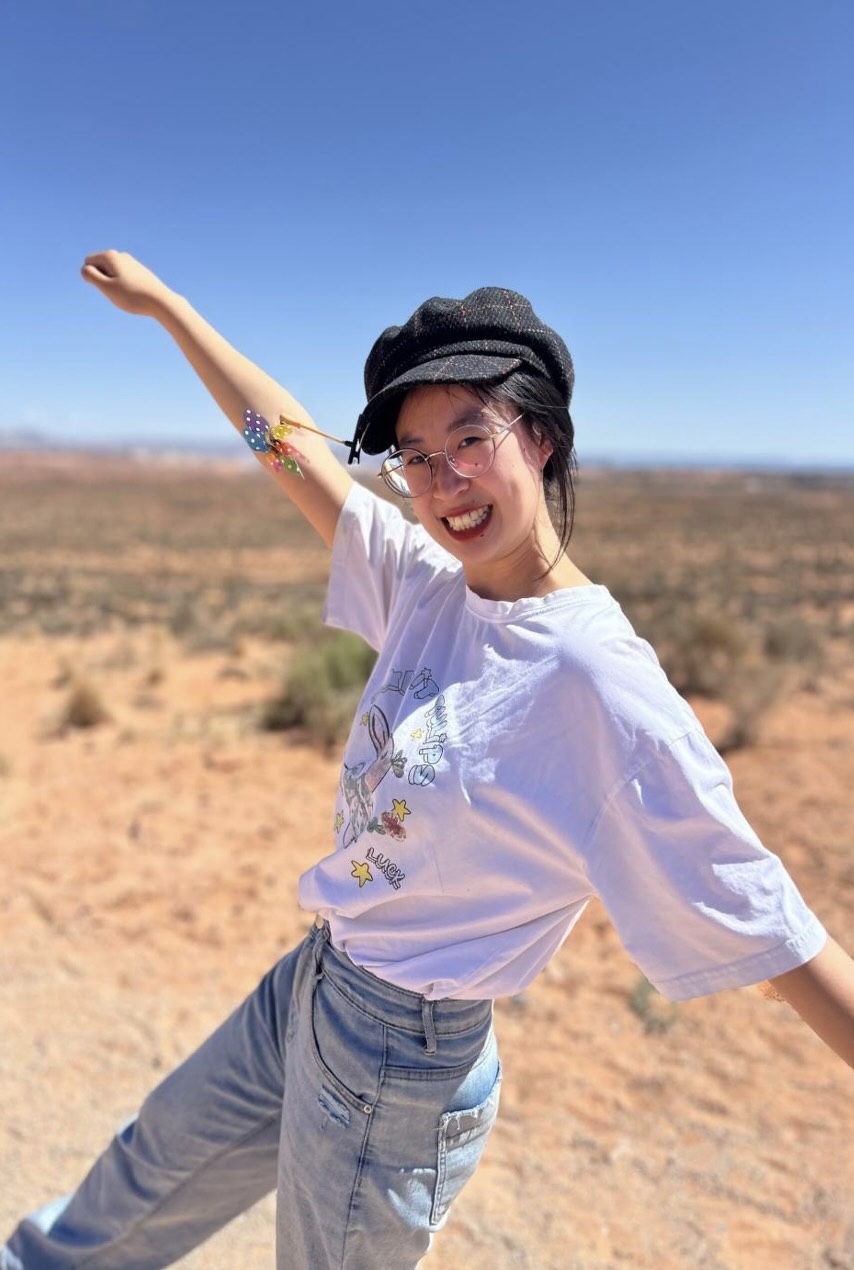
Los Angeles–based screenwriter Yue Luna Wu is quickly gaining recognition as a young writer to watch. From contributing to major Chinese television productions to writing original scripts recognized by international fellowships, and making commercially successful shows for the rapidly expanding American vertical-drama market, Wu’s work reflects both a sharp instinct for audience-driven storytelling and a commitment to explore complex social themes.
Crafting Stories with Emotional Precision
Wu’s early professional experience immersed her in China’s booming television sector. At Star Lotus Pictures, she worked as a post-production script consultant, contributing to major projects including Lost You Forever, a fantasy romance series that surpassed 6 billion cumulative views and later reached international audiences through Netflix.
The show’s phenomenal success profoundly shaped Wu’s creative philosophy: she learned to identify the emotional core that resonates universally, to craft love stories and human relationships that move audiences across cultures. That focus on heart-driven storytelling has become a hallmark of her work, whether in long-form television or vertical mini series.
Writing Hits for a Global Audience
In recent years, vertical drama has emerged as one of the fastest-growing storytelling formats, generating hundreds of millions of downloads and billions of views across streaming apps.
“Vertical drama is almost like writing narrative adrenaline,” Wu explains. “Every episode needs a hook, a twist, or an emotional escalation within seconds. It’s incredibly interesting to use this new form of storytelling to capture both Chinese and American audiences.”
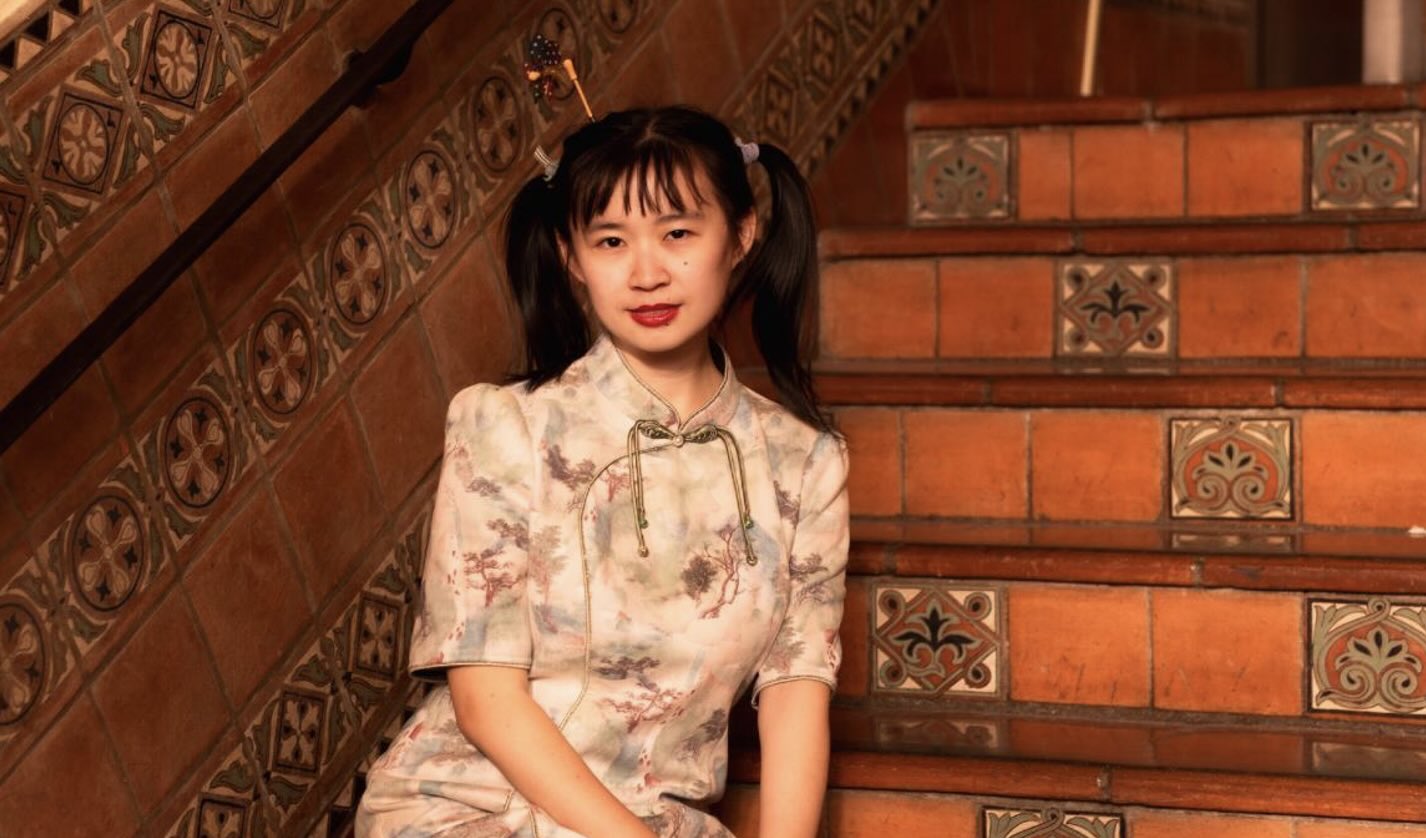
Industry analysts estimate the global vertical drama market surpassed $2 billion in 2024, underscoring the commercial potential of this new medium. At the forefront of this wave, Wu has established herself as a highly prolific and versatile screenwriter for GoodShort, one of the largest streaming platforms for vertical content. Writing 2–4 scripts per month, she combines rapid output with a keen sense of emotional resonance, crafting stories that connect instantly with audiences.
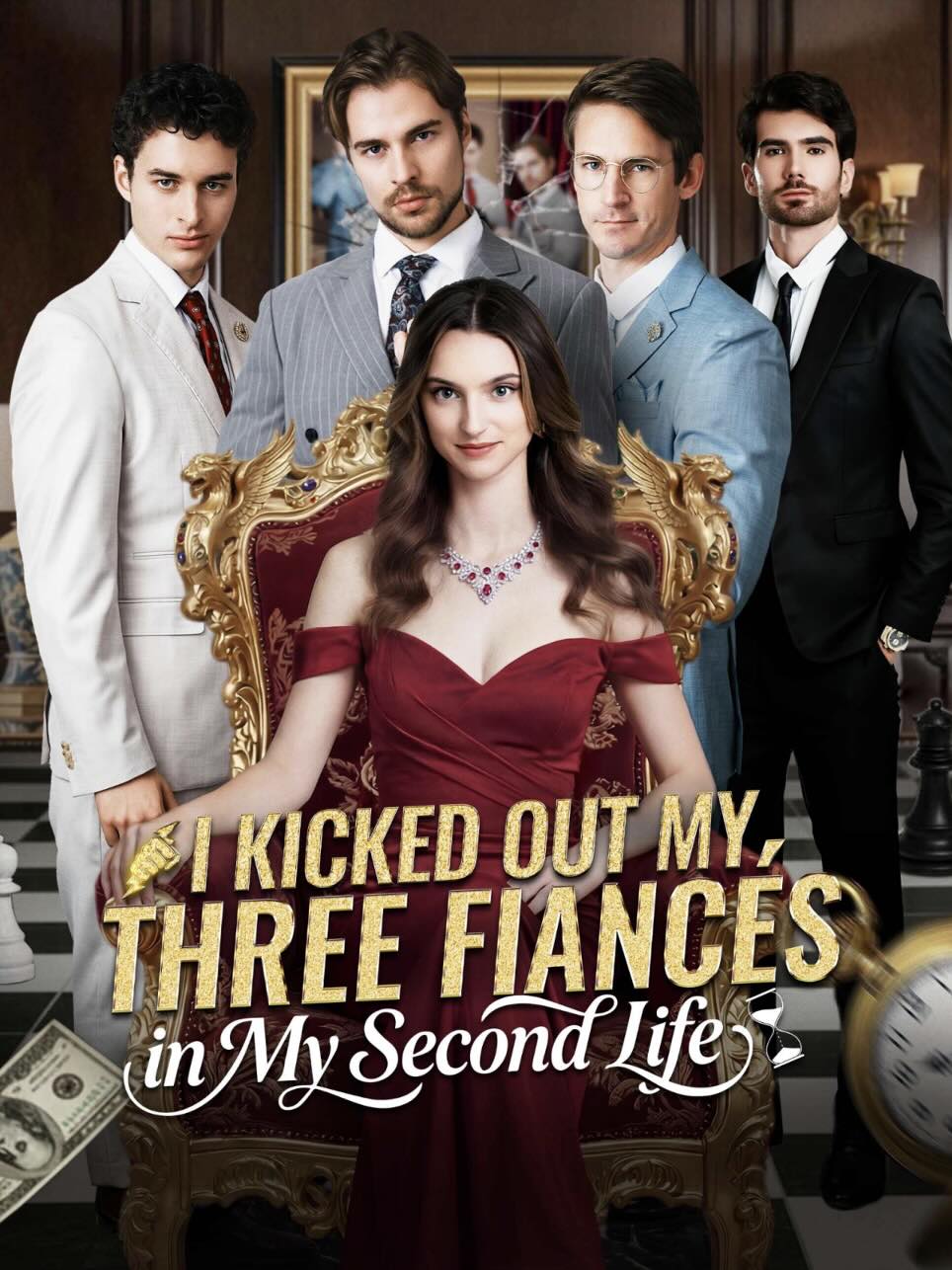
Her portfolio includes standout projects such as Trapped and Redeemed by His Love (10.2 million views), Big Bad Daddy You Are Busted (6.8 million views), I Kicked Out My Three Fiancés in My Second Life (2.8 million views), The Day You Came Back (1.8 million views), and Obsessed with Being His Prey (1.1 million views), spanning genres from romance and suspense to LGBTQ and supernatural narratives. Each series demonstrates Wu’s signature approach: finding the emotional core that resonates universally, creating heart-moving stories about love, longing, and personal transformation.
To date, Wu has written 22 produced shows, with 4 projects actively in writing and several more in development, making her one of the most in-demand emerging writers in the vertical drama space. Her work demonstrates a rare combination of commercial acumen, narrative sophistication, and cross-cultural sensibility, proving that even in short-form formats, her storytelling can captivate millions and leave a lasting impression.
Storytelling with Social Weight
While Wu has built much of her professional experience within commercial formats, her personal writing projects often explore deeper social themes.
Her screenplay The Perfect Lie examines the intense pressure faced by China’s “small-town exam champions”—students who rise through the rigid educational system only to encounter new barriers shaped by class. The story explores themes of social mobility, and the psychological cost of success in a hyper-competitive society.
In 2025, the script was recognized as a semi-finalist in the prestigious Humanitas Fellowship, an honor awarded to emerging writers whose work explores the human condition with emotional and social depth.
“I grew up watching stories that were incredibly entertaining but also quietly asking difficult questions,” Wu says. “I think the most powerful stories do both.”
Developing A Human-Centered Voice
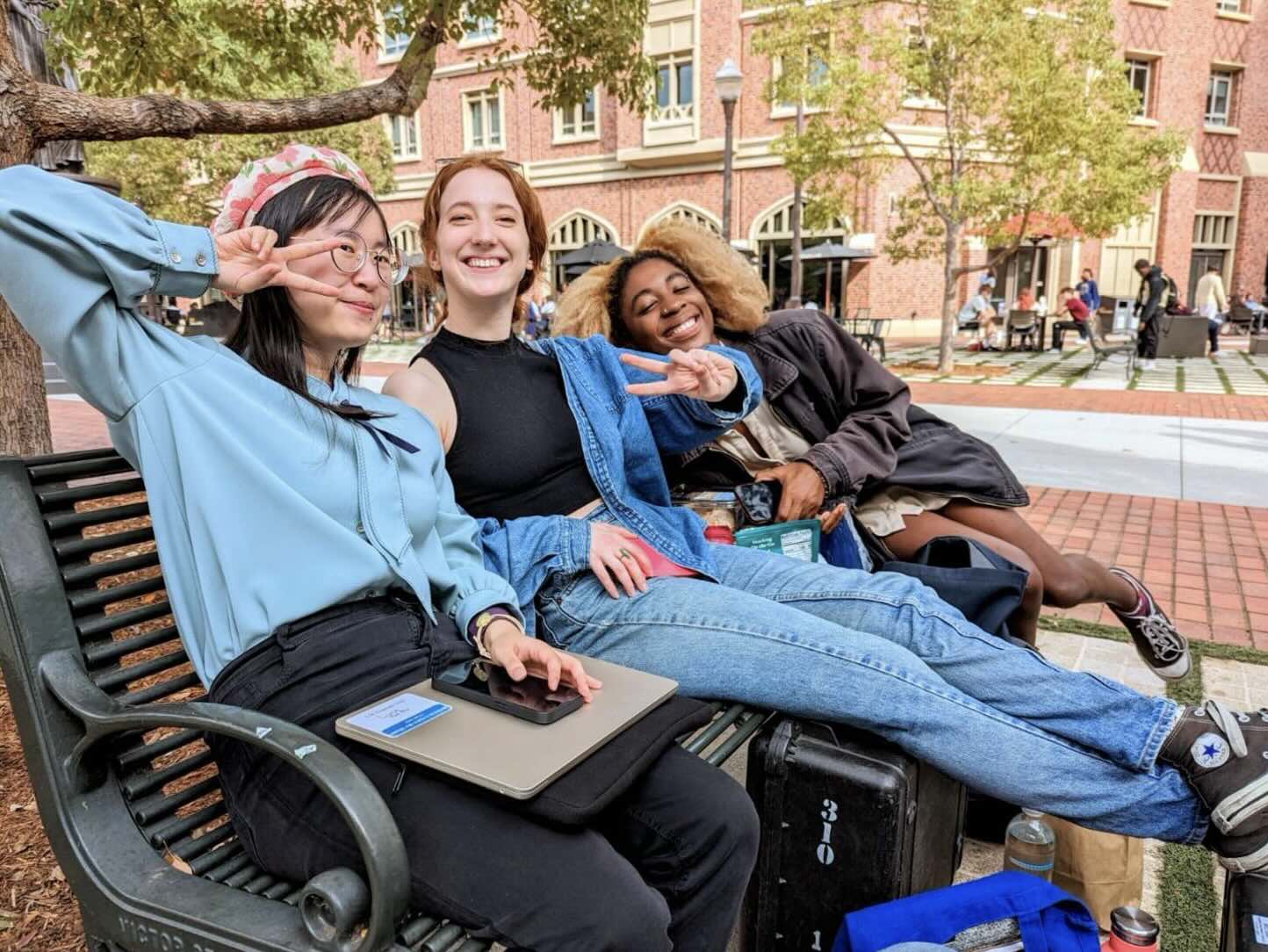
Wu’s cross-cultural perspective stems from her international education. She completed a Master of Fine Arts in Writing for Screen and Television at the prestigious USC School of Cinematic Arts. Before that, she studied humanities at New York University Shanghai.
Wu wrote and directed the graduation music video for the NYU Shanghai Class of 2021, which premiered at the Shanghai Oriental Art Center and was livestreamed to audiences in 47 countries, briefly trending on Chinese social media. Building on that, she also wrote and directed a short film and a music video for NYU Shanghai’s Student Life Office, initiatives designed to promote mental health awareness and foster open communication among incoming students.
Through these projects, Wu demonstrates a rare combination of artistic vision and social insight—using storytelling to create empathy, build community, and spark meaningful dialogue. “I aim to build a diverse and inclusive world in my writing, one that makes audiences feel that, despite differences of race, gender, or nationality, we are all human—small, fragile, perfectly imperfect, and beautiful. At the end of the day, we’re not strangers.”
Looking Ahead
As global entertainment markets become increasingly interconnected, Wu sees opportunity in building narratives that resonate across cultures without losing their specificity.
“The world is watching each other’s stories more than ever,” she says. “Chinese audiences watch American shows, and international audiences are discovering Chinese storytelling traditions.”
Looking ahead, Wu hopes to play an active role in that exchange. She’s writing feature films and developing original television series with diverse leads.
“I hope to build a career that connects cultures rather than choosing between them,” Wu says. “The best stories don’t belong to one country. They belong to anyone who recognizes themselves in them.”
With experience in both billion-view television franchises and fast-growing mobile storytelling formats, Wu represents a new generation of writers redefining what global screenwriting looks like. For audiences around the world, that may mean one thing: more stories worth watching.