Malana VanTyler
On the evening of February 11, while thousands of creators and fans were settling into their Las Vegas hotels ahead of TikTok LIVE Fest, something more interesting was happening less than a mile from the Strip. Inside The Space, a concert venue in the Arts District known primarily for its philanthropic concert series, a group of independent artists from four different countries were proving a point that the traditional music industry has been slow to accept: digital-first performers can hold a room.
Las Vegas Live 2026 was organized by Moxie Media Marketing, a company led by Kenneth W. Welch Jr. that provides independent artists with the kind of infrastructure — distribution, promotion, professional production — typically available only through major label deals, with one critical difference: the artists keep full ownership of their work and revenue. It is a model the traditional industry hasn’t attempted — and the results are starting to speak for themselves.
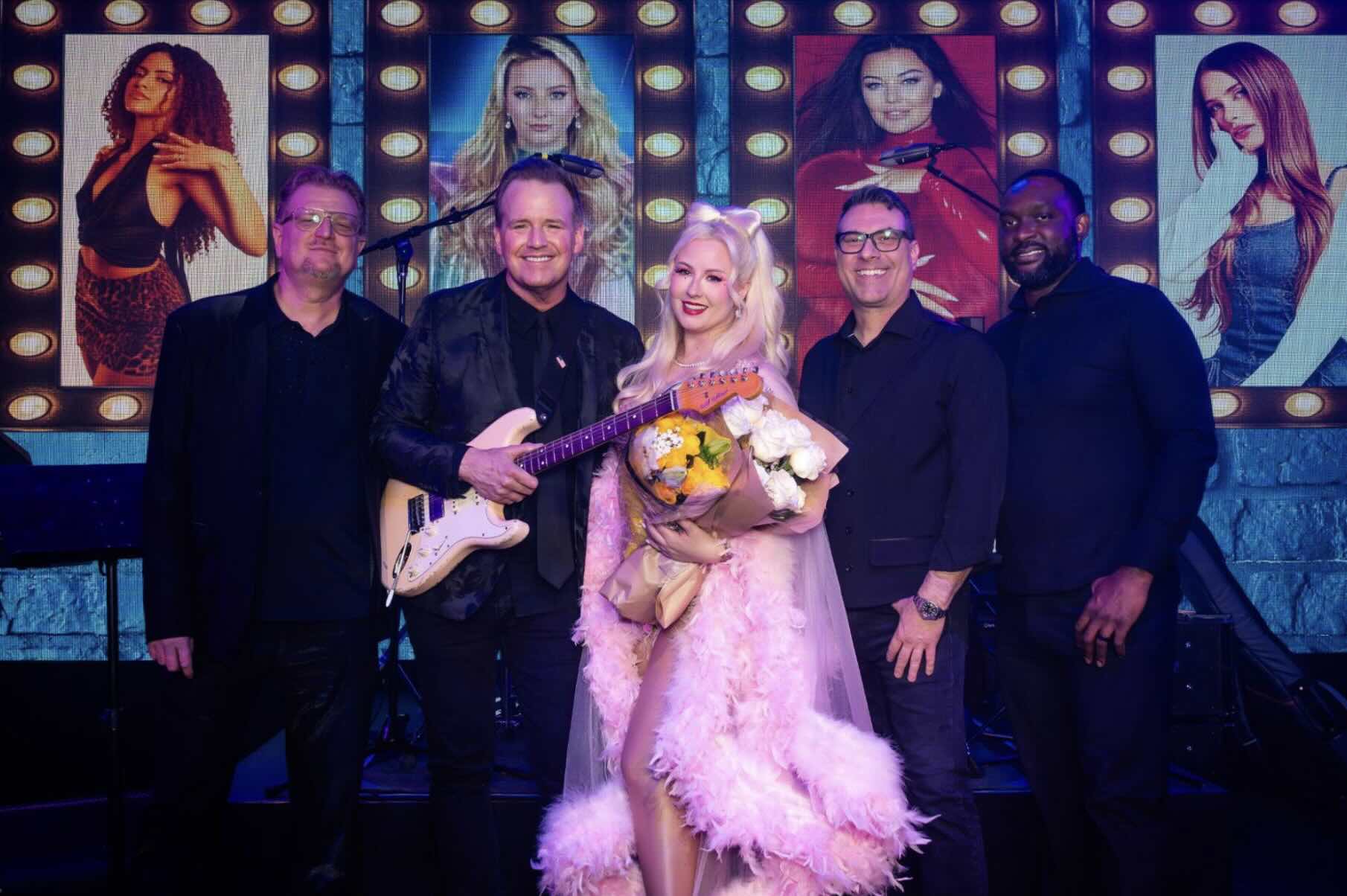
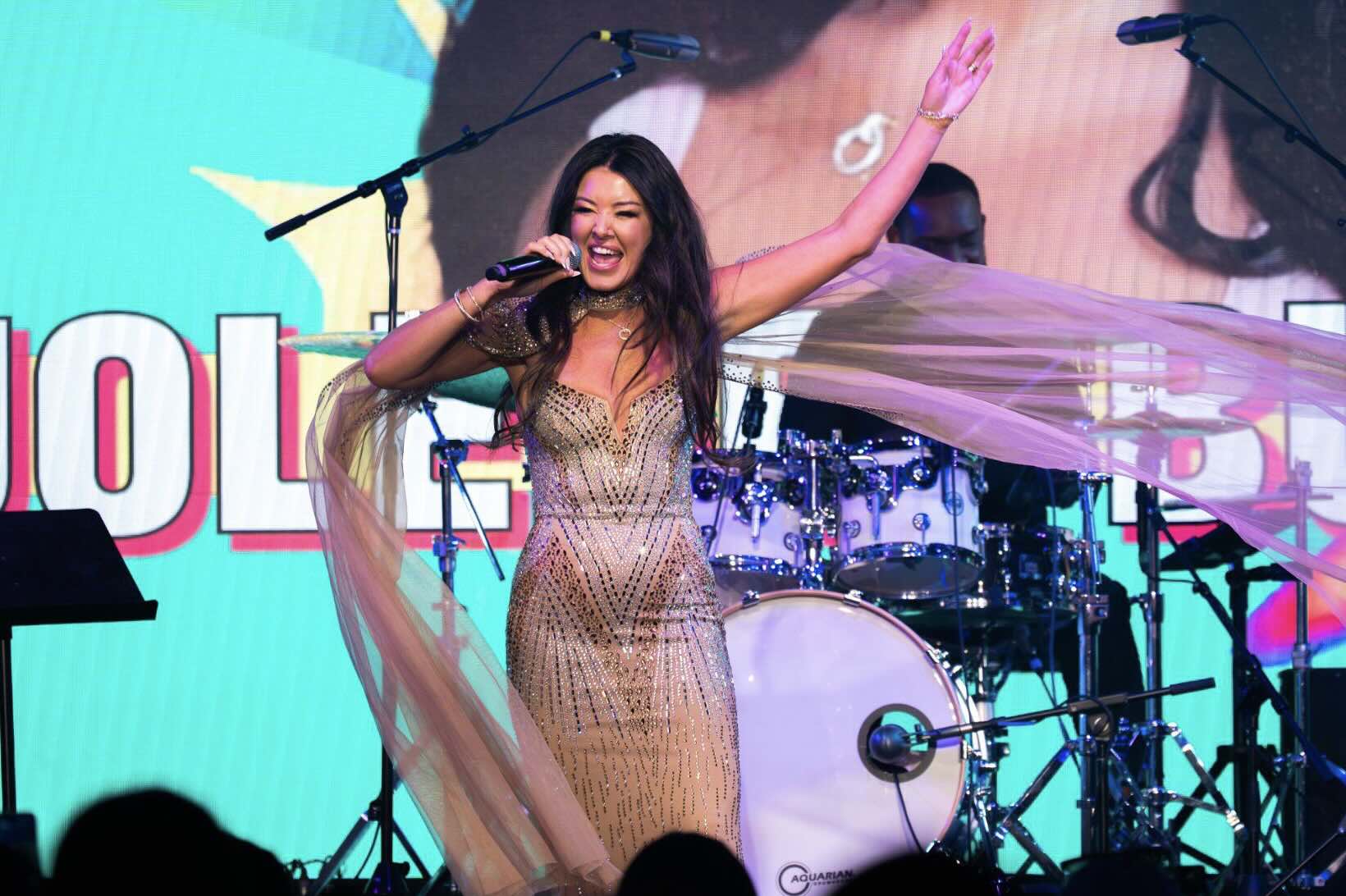
What those results looked like on February 11 was this: a four-piece professional band (members of which have performed with The Beach Boys, Boys II Men, Christina Aguilera, and 50 Cent) backing artists who built their audiences not through radio play or label marketing budgets, but through nightly livestreams watched by tens of thousands of viewers across the globe.

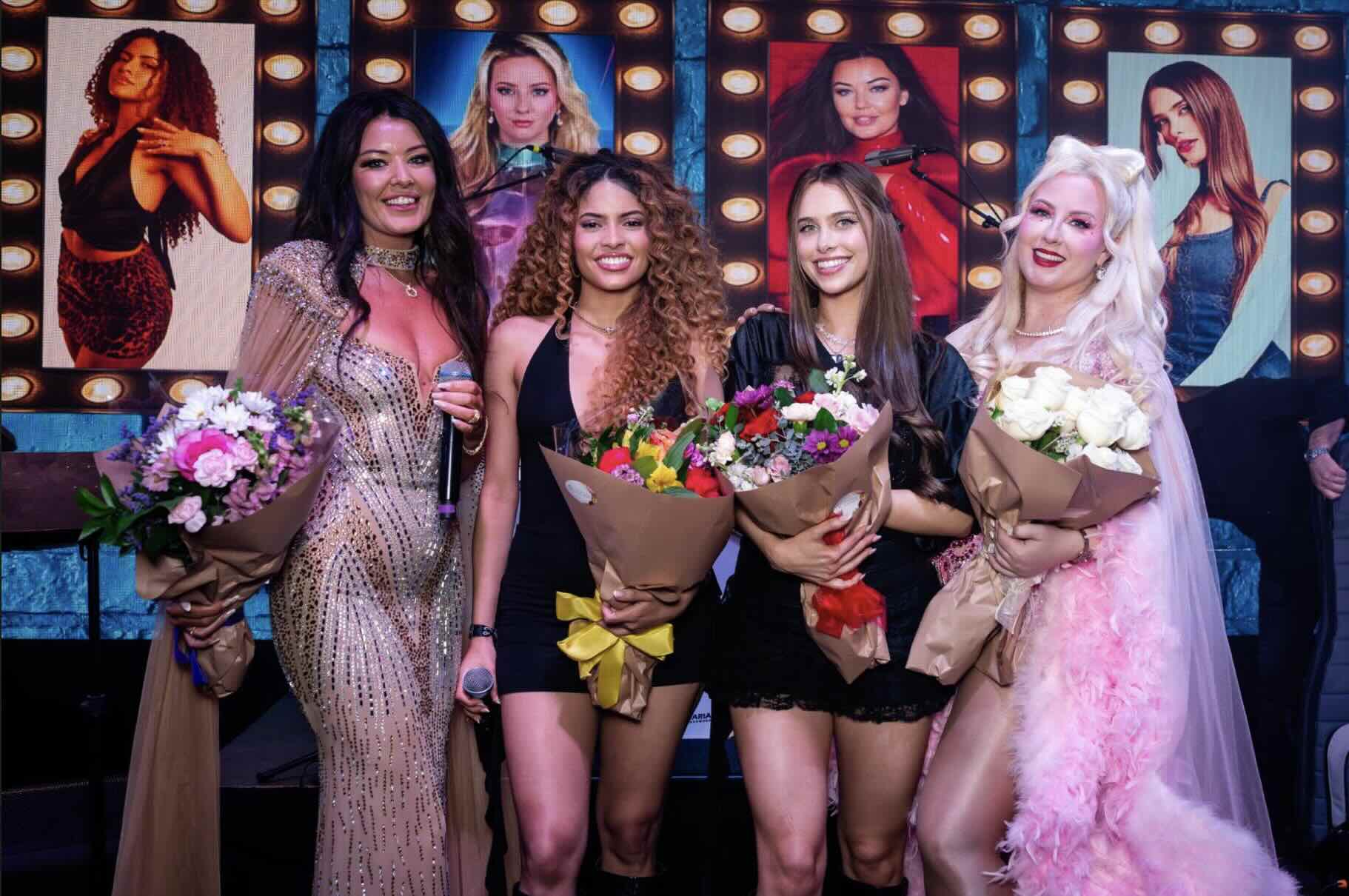
The headliner, Jackie Wiatrowski, is an instructive case study. A Silver State Awards Best Entertainer recipient, Wiatrowski spent years headlining Las Vegas tribute productions including Legends in Concert, Fantasy, and Zombie Burlesque. She was, by any measure, a working professional with a proven track record on traditional stages. When she pivoted to TikTok Live, she brought those production instincts with her. She is now ranked among the top three music live streamers in the United States and a Global Top 100 Music Creator across more than ninety countries. The February 11 concert was the first time she performed a full set of her own original music.
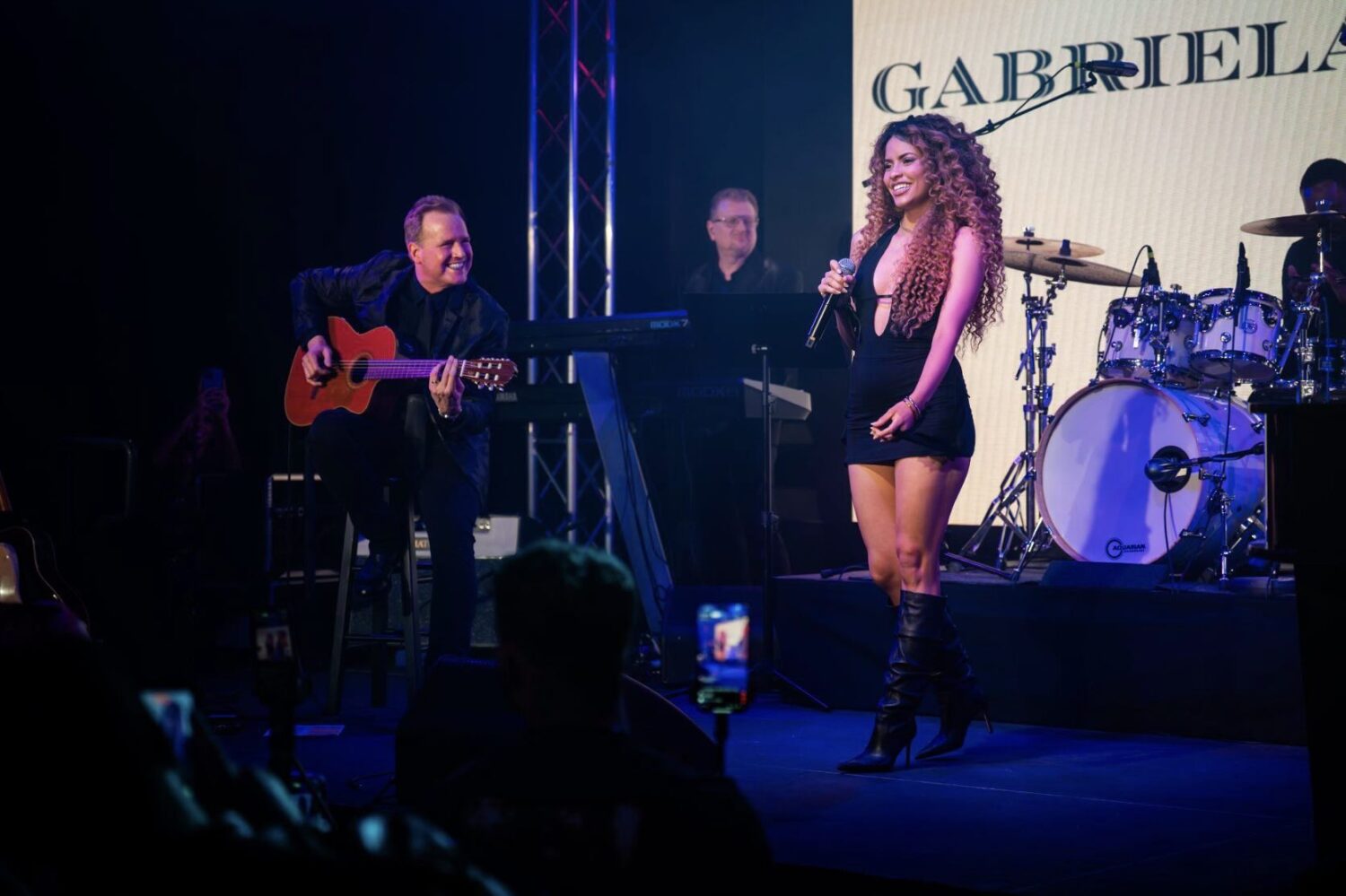
The international dimension of the lineup underscored a reality that the conventional music industry still struggles to monetize: audiences formed through digital platforms don’t respect national borders. Jolene Allison Burns, a singer-songwriter from Belfast, Northern Ireland, ranked number one in the UK and twelfth globally at TikTok LIVE Fest 2025. Gabriela Muniz, from Brazil, is a 36-time TikTok Awards nominee ranked among the top four music live creators worldwide. Maia Zakay, London-born and LA-based, debuted an unreleased original at the concert — a song about the dissonance between promoting self-love publicly while struggling with it privately. These are artists who have built real, measurable audiences through consistency and connection rather than algorithmic luck.
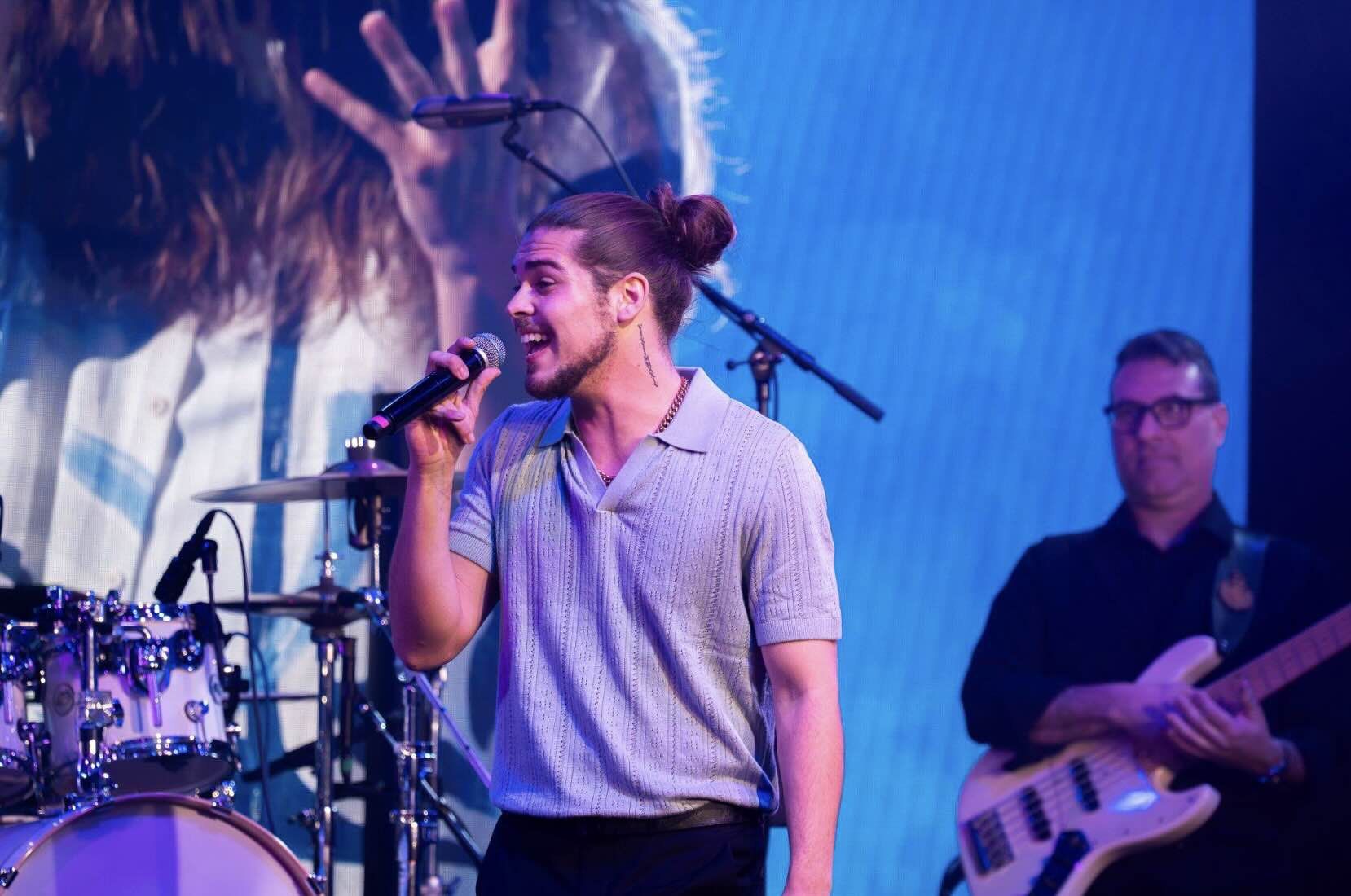
And then there was the unannounced appearance by Jourdan Blue, the 23-year-old New Orleans street performer who finished third on America’s Got Talent Season 20 after earning Howie Mandel’s Golden Buzzer. Blue’s surprise performance, arranged less than twenty-four hours before the show, added a notable dimension: here was a nationally televised talent show finalist choosing to perform at an independent event on the eve of the industry’s biggest creator gathering. It says something about where serious artists see the real momentum building.
The structural question hovering over all of this is whether the livestream-to-stage pipeline can sustain itself. The traditional music industry spent decades building the infrastructure for turning artists into stadium-filling performers: A&R departments, radio promotion teams, touring support, press machinery. What companies like Moxie Media Marketing are doing is building a leaner, artist-friendly version of that infrastructure — one designed to produce results at a scale that prioritizes connection over spectacle.
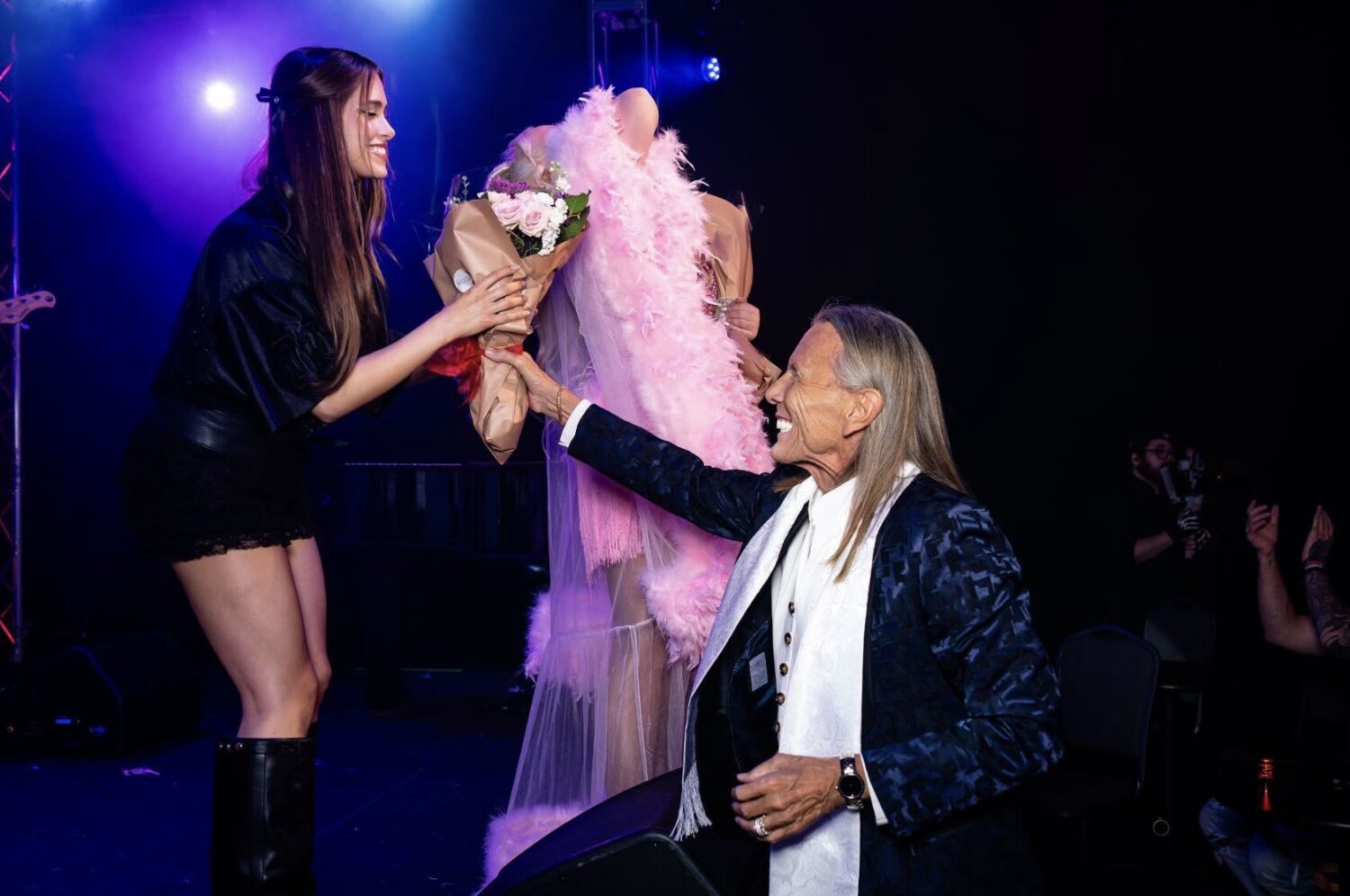
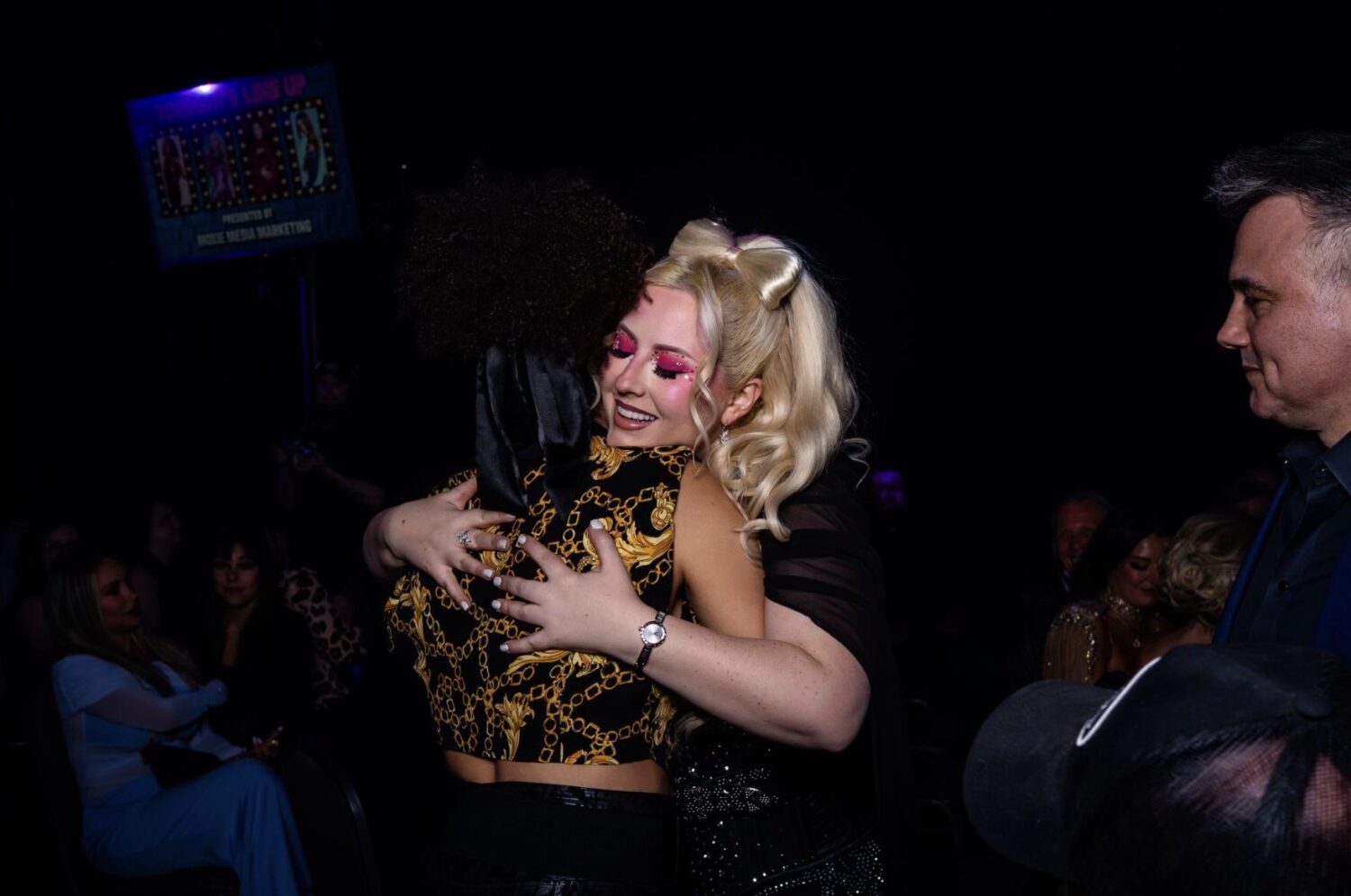
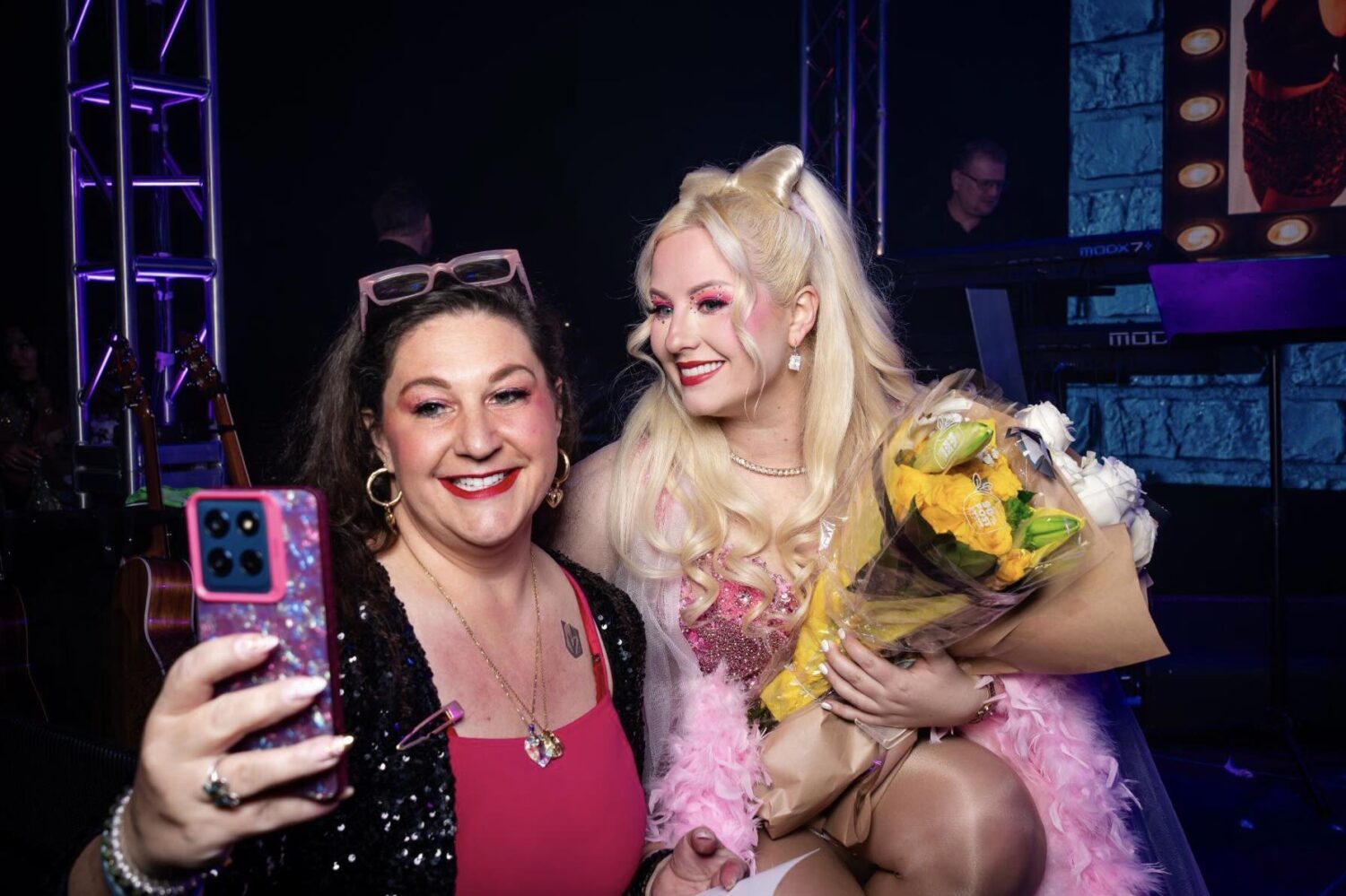
The evidence from February 11 is concrete. The fans in that room had flown in from across the country. They knew the songs. They knew each other. They had built a community around these artists through nightly digital interactions that most industry executives would struggle to quantify. The conversion from screen to stage was not theoretical. It was a room full of people who had booked flights.
Vegas 411 covered the event in advance, noting that the skills driving success in the creator economy — audience connection, consistent delivery, adapting to different crowds — are precisely the skills that built careers on the Las Vegas Strip for decades. The observation is worth extending: what’s happening in the livestream space isn’t a departure from traditional entertainment values. It’s a return to them, stripped of the label machinery and rebuilt on direct connection.
The traditional music industry is still debating whether digital-first artists belong on real stages. Las Vegas Live 2026 skipped the debate. It just built the stage, hired the band, and let the room decide. The room decided.