
 Jon Stojan
In the world of creative industries, a tech revolution is underway. Artificial Intelligence, once compared to science fiction, is now changing how stories are told and how environments are designed. At the forefront of this change is Alex M. Calle, founder of hiddenlemons, a creative development company specializing in creative direction, design, and production for film, TV, theatre, public art, attractions, concert tours, and even theme park design around the globe.

Image credit: Alexander Marc Calle
Most recently, Alex has noticed a significant shift in the industry. “Whether we’re working on a Kinetic Art piece in Europe, a Theme Park Project in China, or a Film in the US, everyone is starting to ask the same question: How are we going to incorporate AI into our designs, adapt to it, or potentially be overtaken by it?”
For companies like hiddenlemons, which pride themselves on creating immersive environments that tell cohesive stories, AI presents both opportunities and challenges. Imagine an AI system that can quickly generate multiple variations of a theme park ride based on a given storyline, or suggest lighting schemes that perfectly complement the mood of a theatrical set, that would be a gamechanger!
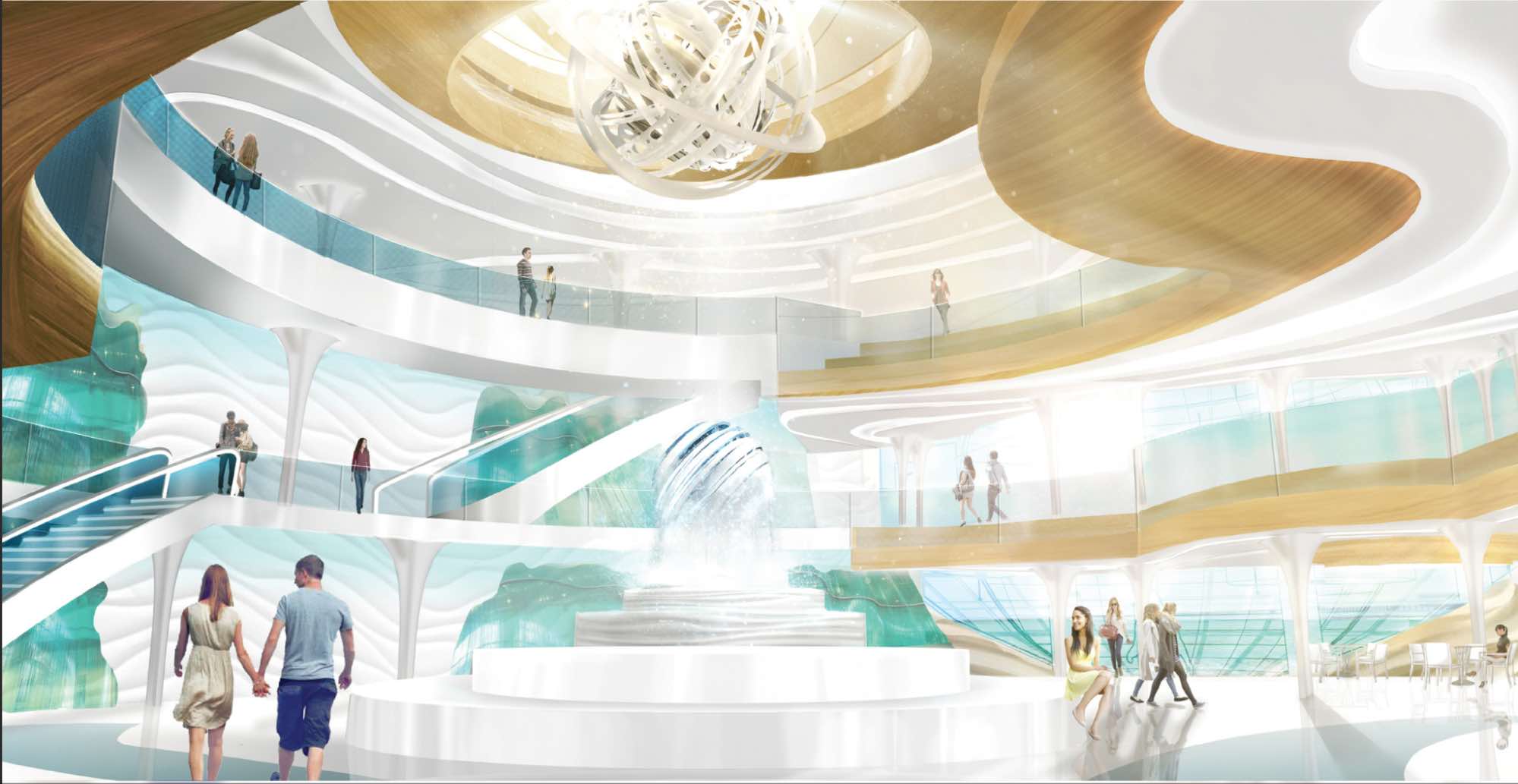
On one hand, AI tools can enhance the creative process by generating ideas, streamlining workflows, and assisting in the visualization of complex designs, but on the other hand, the rise of AI also raises questions about the role of human creativity and the essence of storytelling.
Alex, with decades of experience in his craft, understands that the heart of good design lies in its ability to connect with people on an emotional level. “I create to connect with people viscerally. We need connection, we crave it,” he explains. This human touch, the ability to understand and evoke emotions, remains a crucial element that AI has yet to fully replicate.
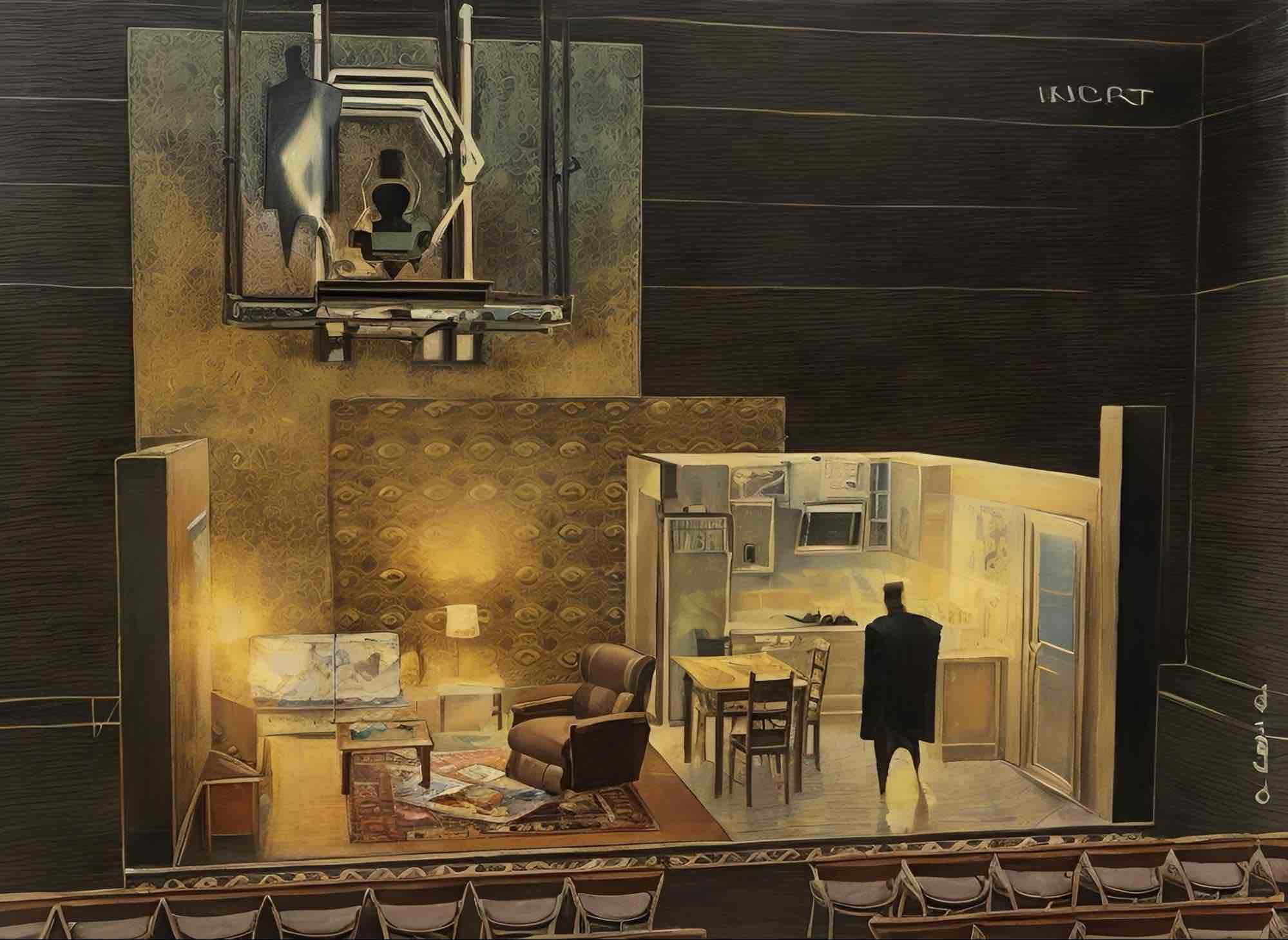
The challenge for artists and designers in this new era is to find a balance between leveraging AI’s capabilities and maintaining the human essence of storytelling. It’s about using AI as a tool to enhance creativity rather than replace it. While AI might generate initial concepts, it’s the human designer who understands the nuances of cultural context, emotional resonance, and the physical realities of a space.
As the lines between different mediums continue to blur, with experiences becoming more immersive and personalized, the role of AI is likely to grow. Alex predicts, “Custom, tailor-made experiences will be our future.” In this scenario, AI could play a crucial role in creating adaptive environments that respond to individual preferences and behaviors, creating truly personalized storytelling experiences.
Yet, amidst this tech revolution, the fundamental principles of good storytelling remain unchanged. As Alex puts it, “Storytelling is everywhere; every sector and business is only as good as its story.” The challenge for companies like hiddenlemons is to harness the power of AI while staying true to the art of storytelling.
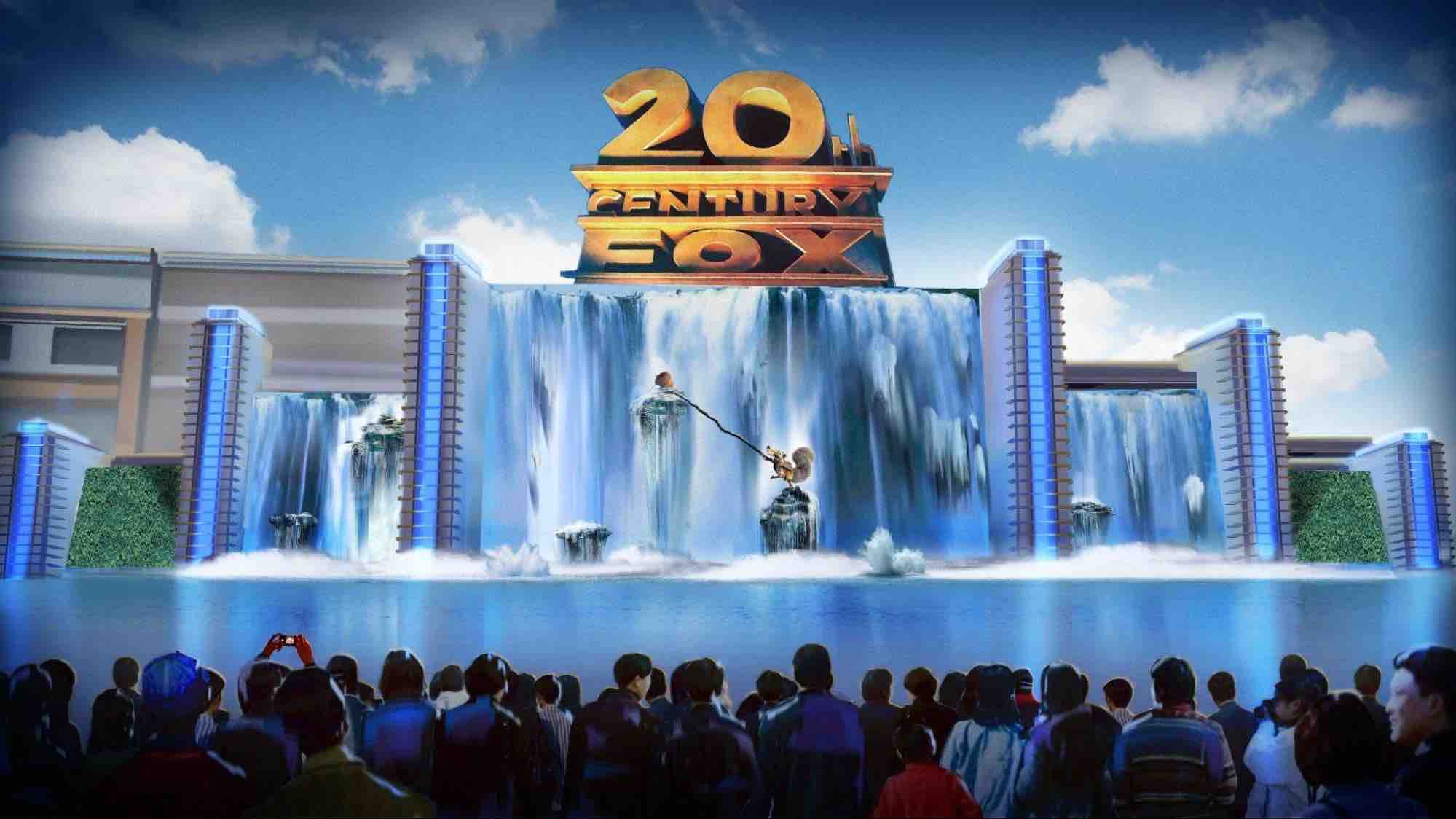
Looking ahead, the integration of AI in creative industries presents an opportunity for artists and designers to become what Alex calls “specific generalists” – professionals who can adapt to new technologies while maintaining a deep understanding of storytelling principles across various mediums. This adaptability, combined with a strong creative vision, will be key to thriving in the AI-augmented creative landscape of the future.
As we stand on the brink of this new era, one thing is clear: the story of AI in art and design is just beginning. How it unfolds will depend on how creatives like Alex Calle and companies like hiddenlemons choose to write the next chapter. It’s a challenging yet exciting time for the industry, full of potential for those willing to embrace the change while holding onto the core of what makes storytelling powerful and meaningful.